
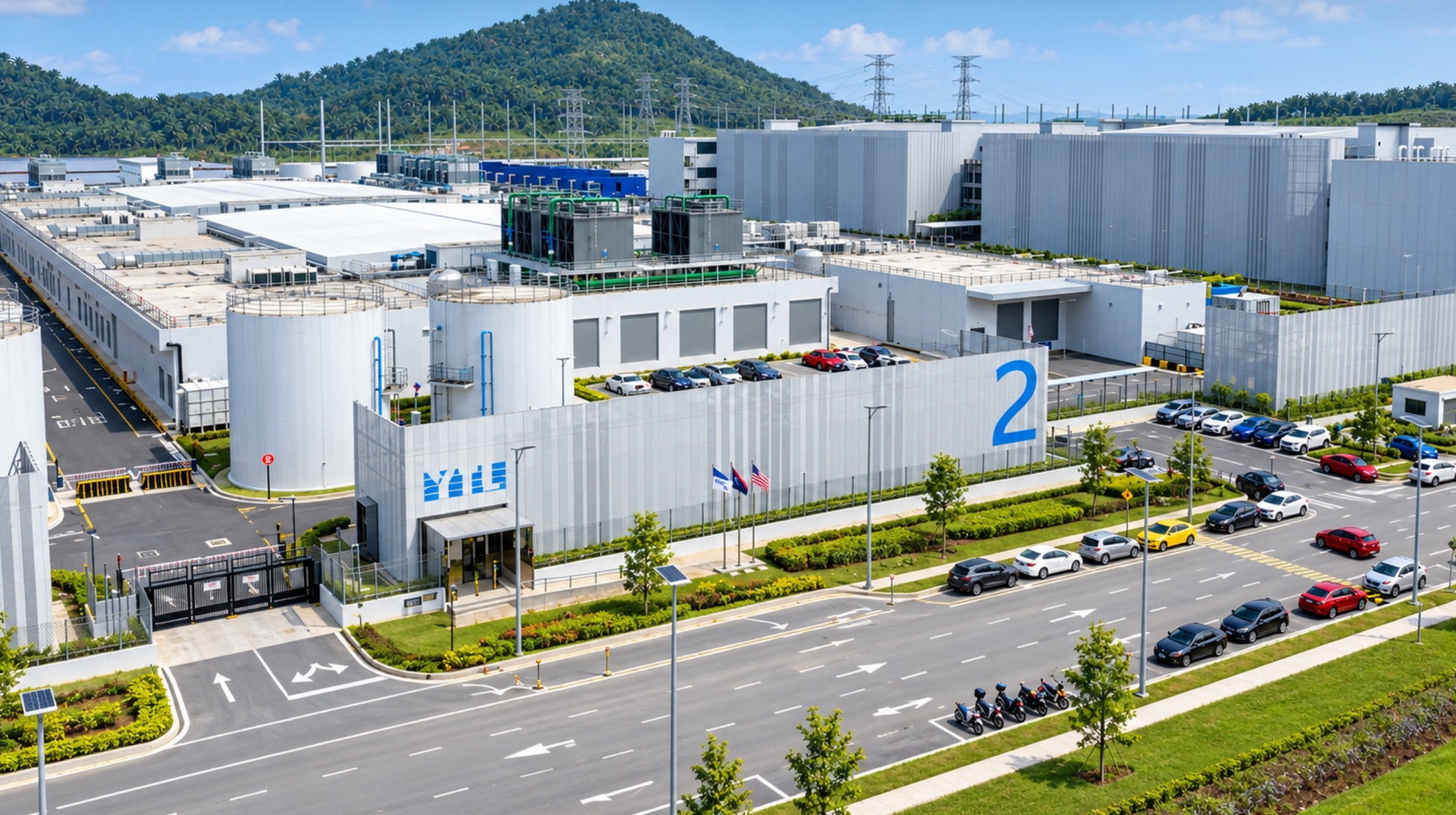
YTL Power International Berhad has denied allegations that its data centres in Malaysia had assisted in the transfer of Nvidia’s GPUs to Chinese customers.
The statement comes following a report by The New York Times (NYT) alleging that YTL’s data centre in Johor was part of an arrangement which allowed Chinese tech giant Alibaba to remotely access Nvidia’s AI chips.
YTL Power maintains that its data centre co-location services comply with both Malaysian laws and US trade controls, and are unaffected by the latest US restrictions on remote access to advanced semiconductors.
YTL data centre allegedly used to provide Alibaba remote access to Nvidia chips
According to a report by The New York Times, Alibaba had allegedly agreed to become a customer of Singapore-based Megaspeed, which used the agreement to secure funding to purchase Nvidia chips.
The NYT report claimed that Megaspeed subsequently partnered with data centre operators, including YTL, to house and operate the Nvidia GPUs.
Citing five individuals familiar with the project, the NYT alleged that Megaspeed’s Malaysian subsidiary, Speedmatrix, operated Nvidia chips at YTL’s data centre on behalf of Alibaba. The alleged arrangement enabled Alibaba and its customers to remotely access the computing power of Nvidia GPUs housed in Malaysia.
The report also alleged that some of the chips intended for the data centre facilities were smuggled into China despite US export restrictions.
Data from the Malaysian facility was allegedly transmitted via fibre-optic cables to an internet hub in Singapore before being routed to China through undersea cables.
According to the report, US officials believe that the Chinese military uses overseas data centres to train artificial intelligence (AI) models before running them on infrastructure within China.
YTL Power says allegations are completely untrue
In a statement issued yesterday, YTL Power refuted reports linking the group to the ongoing controversy surrounding Nvidia, particularly allegations that its data centres had assisted in the transfer of Nvidia GPUs to Chinese customers.
“These speculative and unsubstantiated reports are completely untrue,” said YTL Power.
The group explained that YTL Data Centers provides co-location services in Johor to multiple global customers, including hyperscalers from the US.
Essentially, co-location involves providing the physical space, electricity, cooling and network connectivity required for customers to operate their own computing infrastructure. This is different from directly providing AI computing services using Nvidia GPUs.
YTL Power added that it has been working closely with Malaysia’s Ministry of Investment, Trade and Industry (MITI) on its data centre developments and has complied with all applicable reporting and import requirements.
YTL says latest US AI chip restrictions won’t affect its data centre co-location services
The controversy comes as the US moves to tighten restrictions not just on the physical export of advanced AI chips to China, but also on remote access to these chips housed in overseas data centres.
According to YTL Power, the new interim final rule titled “Addressing Remote Access to Advanced Semiconductors” issued by the US Department of Commerce’s Bureau of Industry and Security (BIS) does not affect its co-location services.
The group said the new rule focuses on GPU importers and providers of computing services to customers from countries under the US’ D:5 classification.
YTL Power remains confident that demand for data centre co-location infrastructure in Malaysia will continue to grow, citing strong global demand, including from the US.