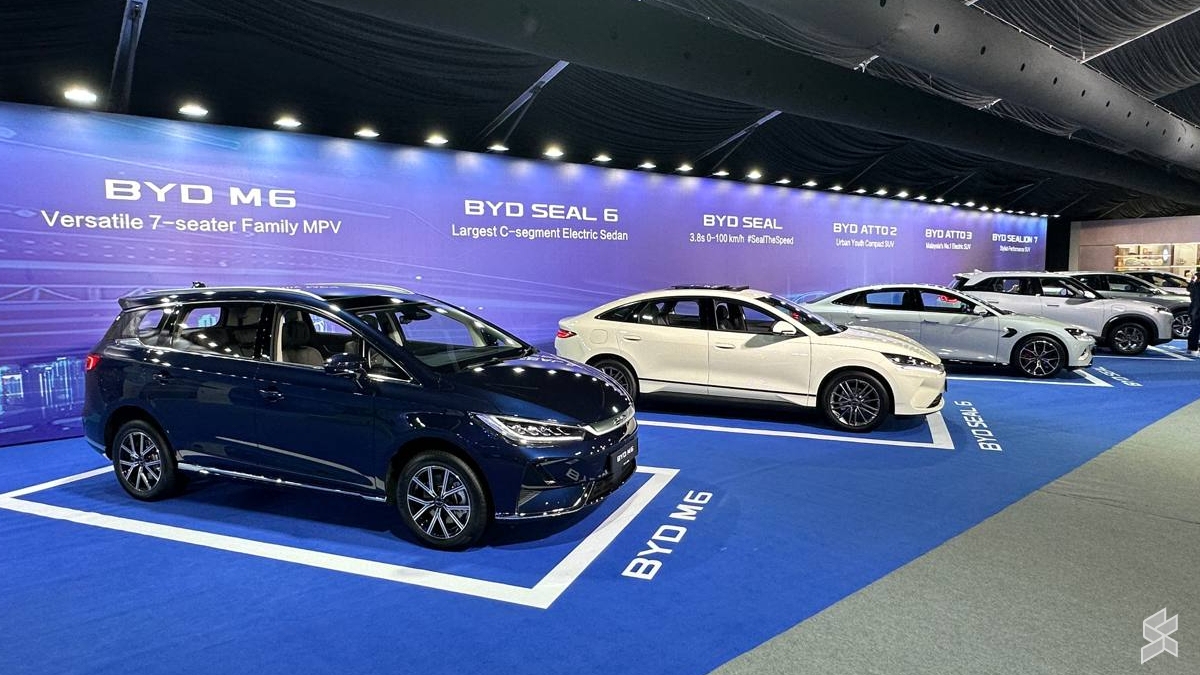
The Ministry of Investment, Trade, and Industry (MITI) dropped a bombshell on the local EV market yesterday by announcing yet another change to the policy surrounding fully-imported (CBU) EVs.
This time around, the new policy dictates that the CBU EV would need to meet a minimum Cost, Insurance, and Freight (CIF) value of RM200,000. Industry estimates suggest that an RM200,000 CIF value could realistically translate into a final retail selling price exceeding RM300,000 after all taxes and costs are included.
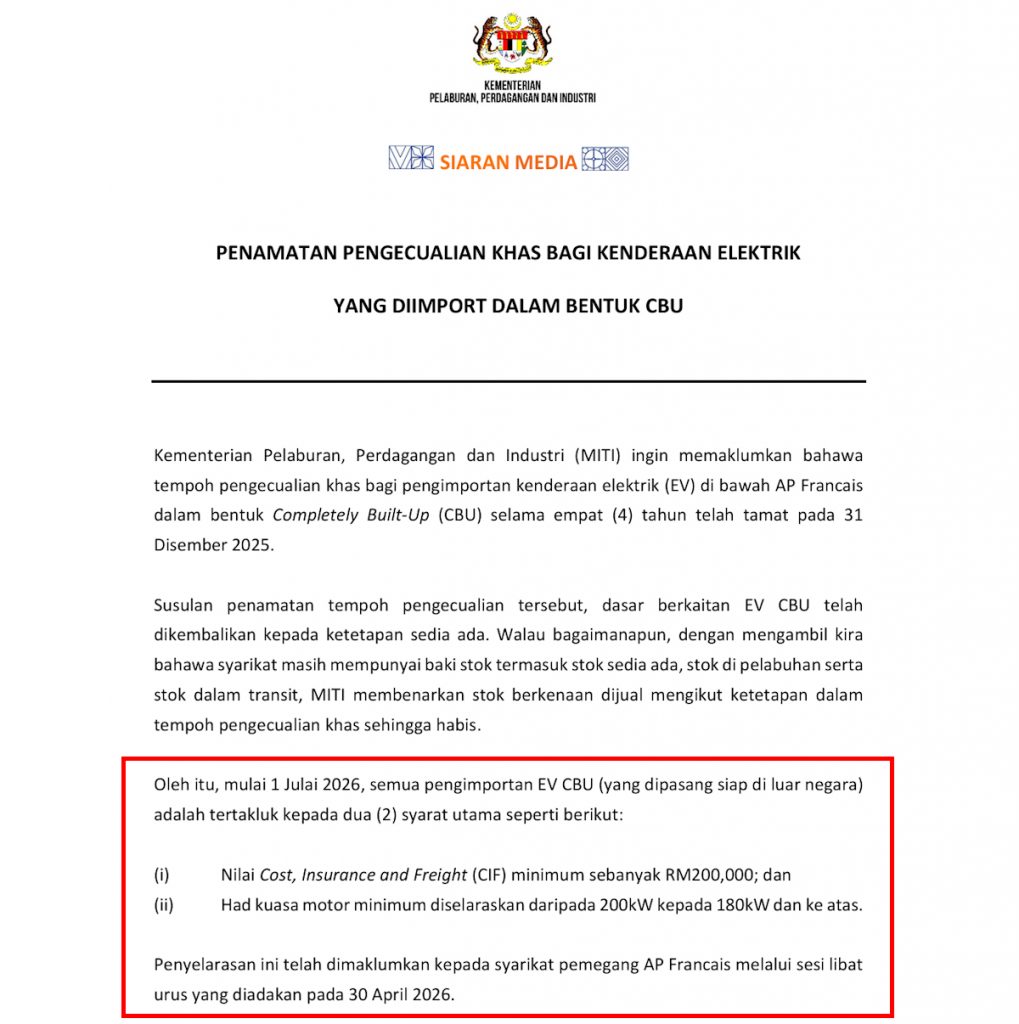
At the same time, MITI’s new CBU EV policy also stated that the power output of the EV must also be at least 180kW (241hp). Both of these requirements will be imposed on 1 July 2026, and auto brands in Malaysia generally have only 2 months to take action, as MITI said that they only met with the automakers to inform them of the new policy on 30 April 2026.
Meanwhile, we have gone through the official website of every single automotive brand that offers BEVs in Malaysia in order to list down which specific models will be affected by the new ruling.
CBU EVs in Malaysia with Sub-180kW (241hp) Power Output
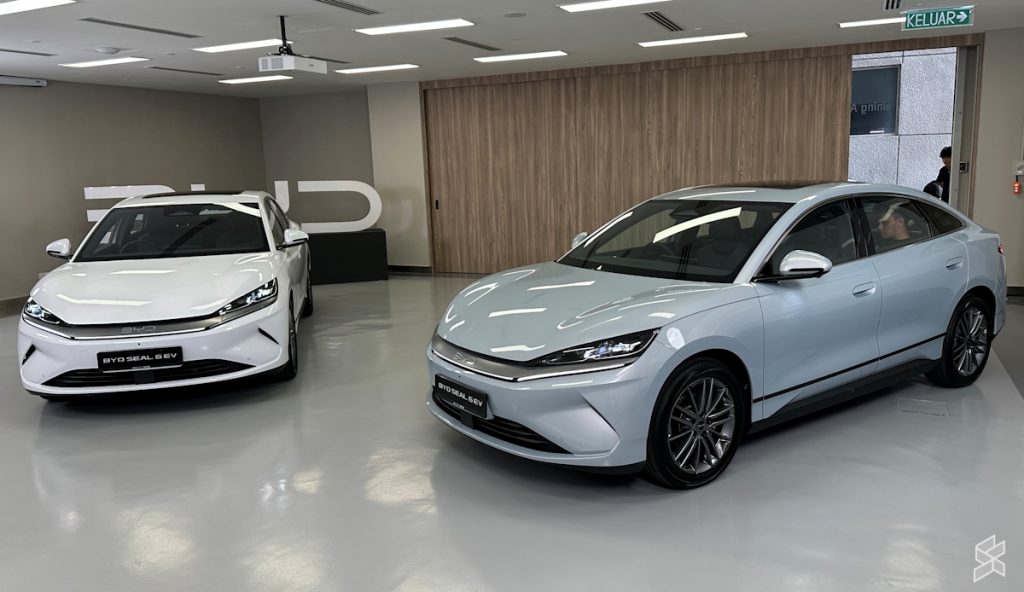
- 70kW (94hp): BYD Dolphin Standard, Dongfeng Box.
- 95kW (127hp): BYD Seal 6 Dynamic.
- 100kW (134hp): iCaur V23 2WD.
- 105kW (141hp): GWM Ora Good Cat Ultra.
- 110kW (148hp): Nissan Leaf 2nd Gen FL.
- 120kW (161hp): BYD M6 Standard, Dongfeng Vigo.
- 126kW (169hp): GWM Ora Good Cat GT.
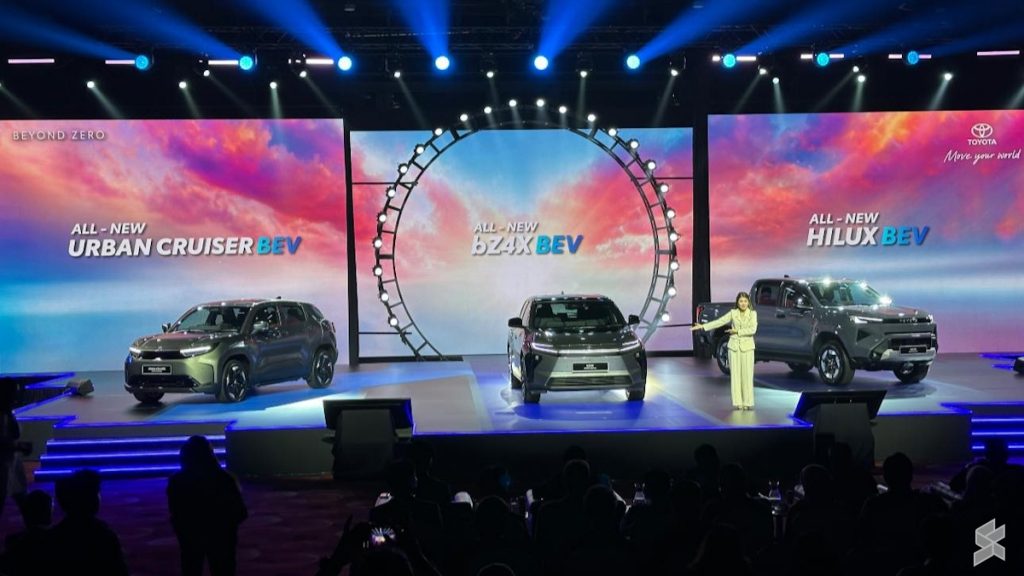
- 128kW (172hp): Toyota Urban Cruiser.
- 130kW (174hp): BYD Atto 2, Weststar Maxus T90 EV.
- 135kW (181hp): iCaur 03 2WD.
- 140kW (188hp): Mercedes EQA 250 AMG Line.
- 150kW (201hp): BMW iX1 eDrive20 / eDrive 20L, BYD Atto 3 Ultra, BYD Dolphin Extended, BYD M6 Extended, GAC Aion Y Plus Premium / Elite, GWM Ora 07 Long Range Ultra, Honda e:N1, Mercedes-Benz EQV 300, MG4 Luxury.
- 155kW (208hp): iCaur V23 iWD.
- 160kW (215hp): BYD Seal 6 Premium, Mini Cooper SE, Mini Aceman SE, Leapmotor B10 Life / Design, Leapmotor C10.
- 167kW (224hp): Toyota bZ4X.
Sub-RM300k CBU EVs in Malaysia with >180kW (241hp) Power Output
- BMW: i4 eDrive35, iX2 xDrive30, iX3 Final Edition
- BYD: Seal Premium, Seal Performance, Sealion 7 Premium, Sealion 7 Performance.
- Dongfeng: 007 Premium, 007 Prime.
- Mini: JCW Aceman E, JCW E, Countryman SE All4.
- Smart: #1 Pro, #1 Premium, #1 Brabus, #3 Pro, #3 Premium, #3 Brabus, #5 Premium, #5 Brabus.
- Weststar Maxus: MIFA 9 Luxury, MIFA 9 Premium
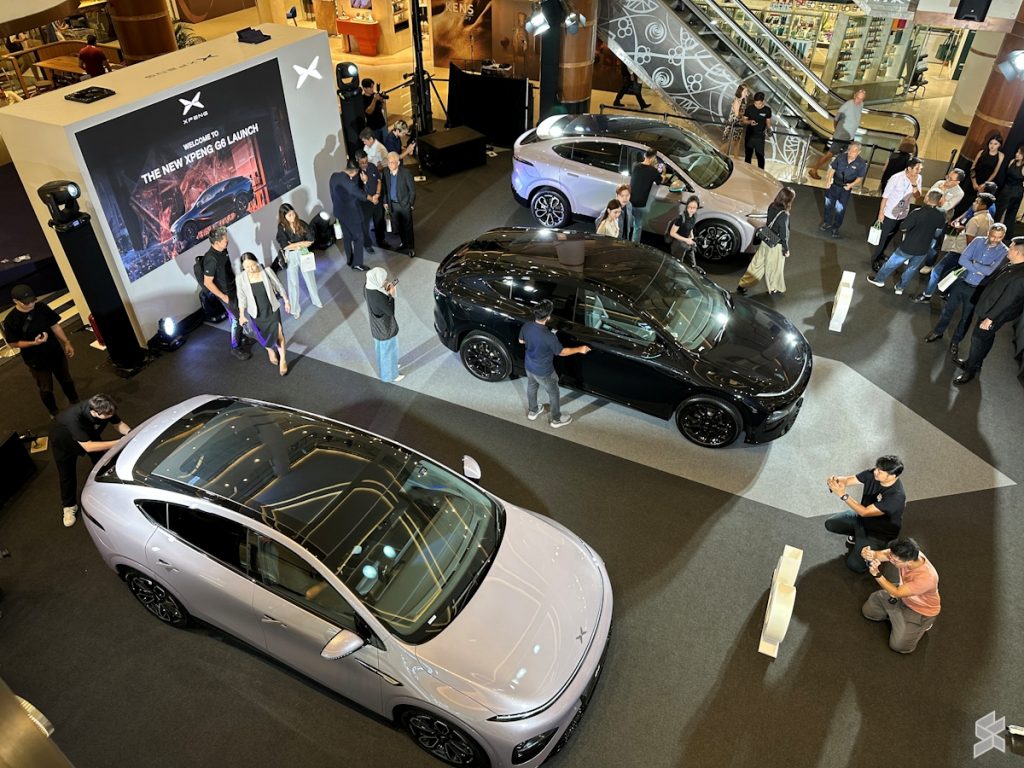
- XPeng: G6 RWD Standard Range, G6 RWD Long Range, G6 AWD Performance, G6 AWD Black Edition, X9 Standard Range, X9 Long Range Pro.
- Zeekr: 7X RWD Standard, Zeekr 7X RWD Long Range, 7X AWD Performance, X Premium, X Flagship AWD.
- Others: Denza D9 Advanced FWD, GWM Ora 07 Performance, iCaur 03 iWD, JAC T9 BEV 4×4, Leapmotor C10 Plus, Mercedes CLA 250+ AMG Line, MG4 XPower, Toyota Hilux BEV.
Many brands will lose their entire BEV lineup in Malaysia this July
In general, the new policy would eliminate the entire mainstream EV lineup in our market, except for those already locally assembled (CKD) in Malaysia. Not only that, our observations showed that several automakers may lose their entire BEV lineup altogether come this July if they do not take any action.
Among such brands are BYD, Dongfeng, GWM, iCaur, Leapmotor, Mini, Smart, Toyota, and Weststar Maxus. Other auto companies that might be affected by this are GAC Aion, Honda, JAC, and Nissan.

On a related note, it is true that several brands such as iCaur, Leapmotor, and Zeekr have officially announced their commitment to CKD operation. However, it is unclear if they have already started the CKD assembly so far; hence, for this article, we deemed that their vehicles are still being imported into Malaysia.
How about Tesla?
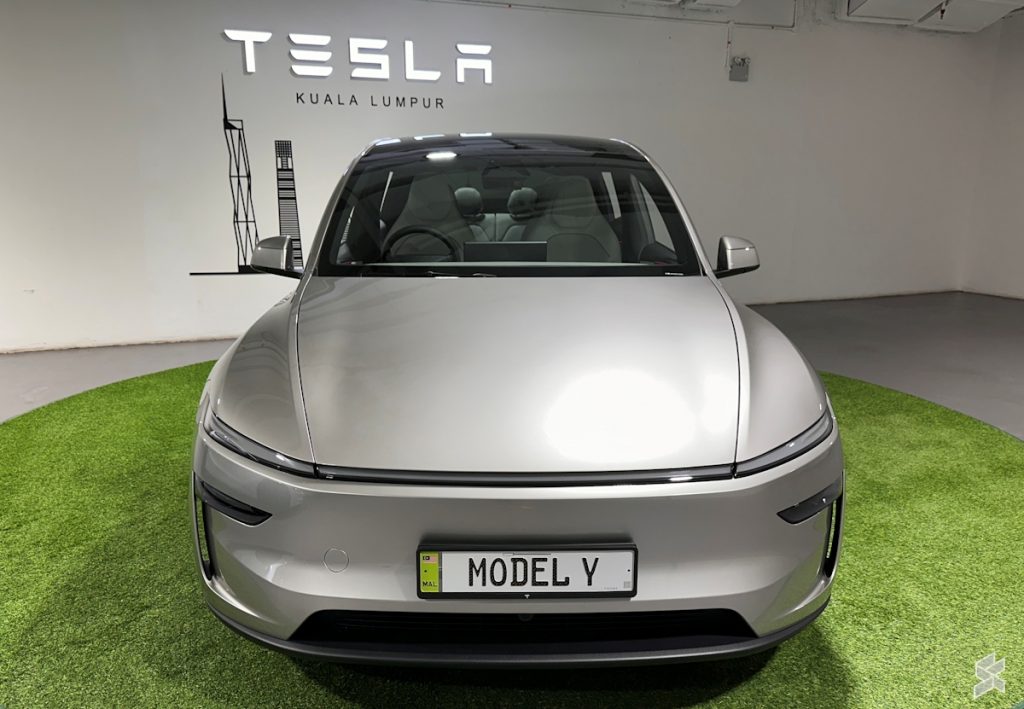
We purposely didn’t include Tesla in the two lists above. This is because it is unclear whether the new ruling applies to the American brand or otherwise, since they entered Malaysia through the special BEV Global Leaders programme instead of the usual Franchise AP route.
If the new ruling is applied to Tesla, then their current lineup will be eliminated as well, since all Tesla models that are available in Malaysia at the moment are fully imported and priced at under RM300,000.
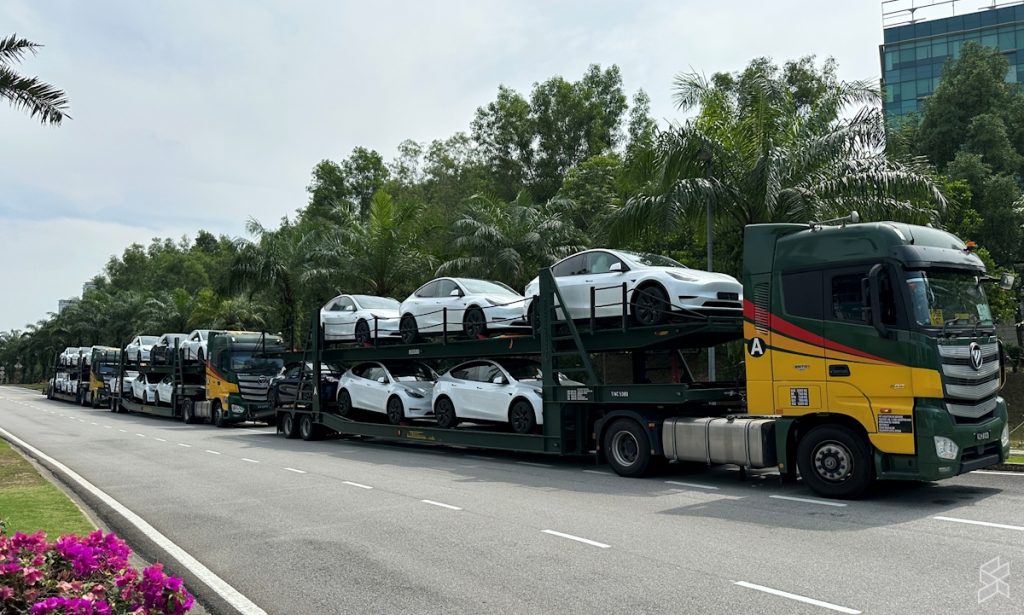
To circumvent that, the brand may have to significantly increase the price of its EV. How about the CKD operation? Well, we don’t see how Tesla is willing to set up a CKD operation in Malaysia.
Just consider these factors:
- Tesla vehicles in Malaysia were supplied by its Giga Shanghai factory in China.
- Giga Shanghai is capable of producing over 950,000 vehicles, according to Tesla’s Q1 2026 financial report.
- There were 7,282 units of Tesla vehicles registered in 2025, according to JPJ data.
As you can see, Tesla’s rollout in Malaysia last year didn’t even cover 1% of Giga Shanghai’s annual capacity. While Tesla might be flush with money, it still does not make financial sense for the company to establish a CKD facility to cover such a small market.