[ UPDATE 06/05/2026 17:11 ] MITI officially confirms new CBU EV ruling. New imported EVs to adhere to minimum CIF price of RM200,000 and minimum power requirement of 180kW effective 1st July 2026.
===
Ministry of Investment, Trade and Industry’s (MITI) electric vehicle (EV) policy debacle continues with yet another new ruling that’s expected to be imposed on fully imported (CBU) EVs in the second half of the year.
Besides the ongoing issue affecting BYD’s local assembly plans in Tanjung Malim, it appears that MITI is increasing barriers for Malaysians to buy fully imported EVs in a move that aims to protect local players, including brands with existing CKD facilities.
According to a new Franchise AP circular sighted by paultan.org and WapCar, MITI is reportedly introducing stricter requirements for imported EVs from 1 July 2026.
No more CBU EVs under RM300K?
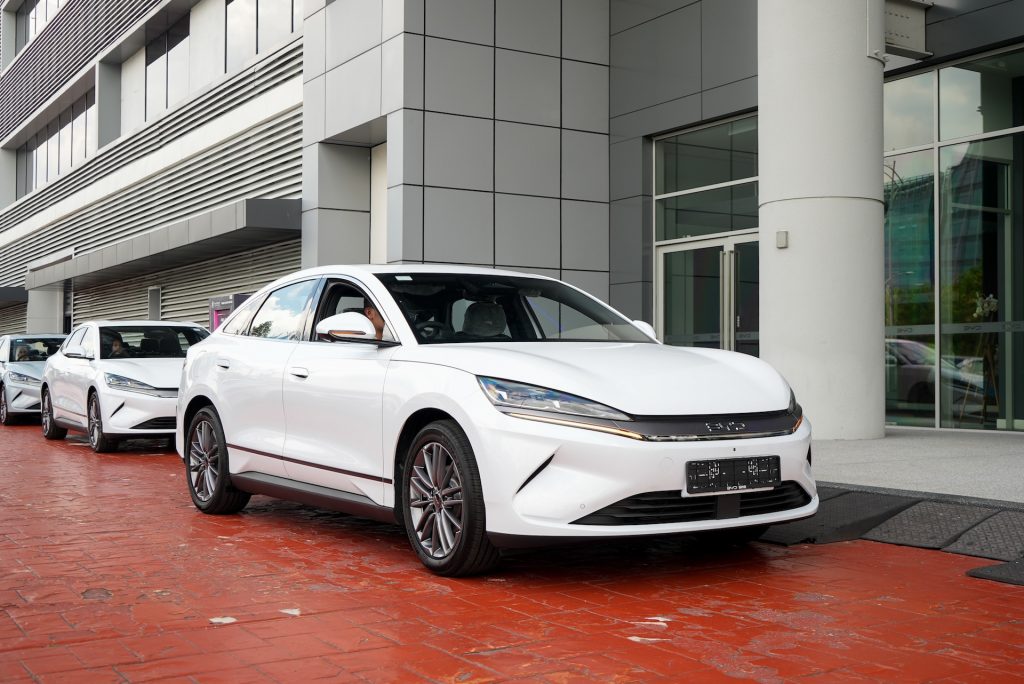
Under the latest reported changes, imported EVs would need to meet a minimum Cost, Insurance and Freight (CIF) value of RM200,000 and produce at least 180kW (241hp) in order to qualify for Franchise AP approval.
Unlike retail selling price, CIF refers to the vehicle’s value before local taxes, duties, dealer margins and distributor costs are added. Industry estimates suggest that a RM200,000 CIF value could realistically translate into a final retail selling price exceeding RM300,000 after all taxes and costs included.
The minimum RM300,000 price assumption was calculated based on EVs imported from China which has a lower import duty of 5%. If an EV is imported from other countries such as Europe, the import duty can be as high as 30% which drives the selling price higher.
Previously, imported EVs only needed to meet a minimum retail selling price requirement of RM100,000 in order to enjoy duty exemptions introduced in 2022. The policy was aimed at accelerating EV adoption in Malaysia while encouraging the growth of the EV ecosystem.
MITI has flip-flopped on its CBU EV policy several times
MITI has gradually tightened the rules over the past few months and the dynamic nature of our EV policy isn’t providing clarity and assurance that the industry is looking for. It has been five months since the tax holiday for CBU EVs ended on 31st December 2025.
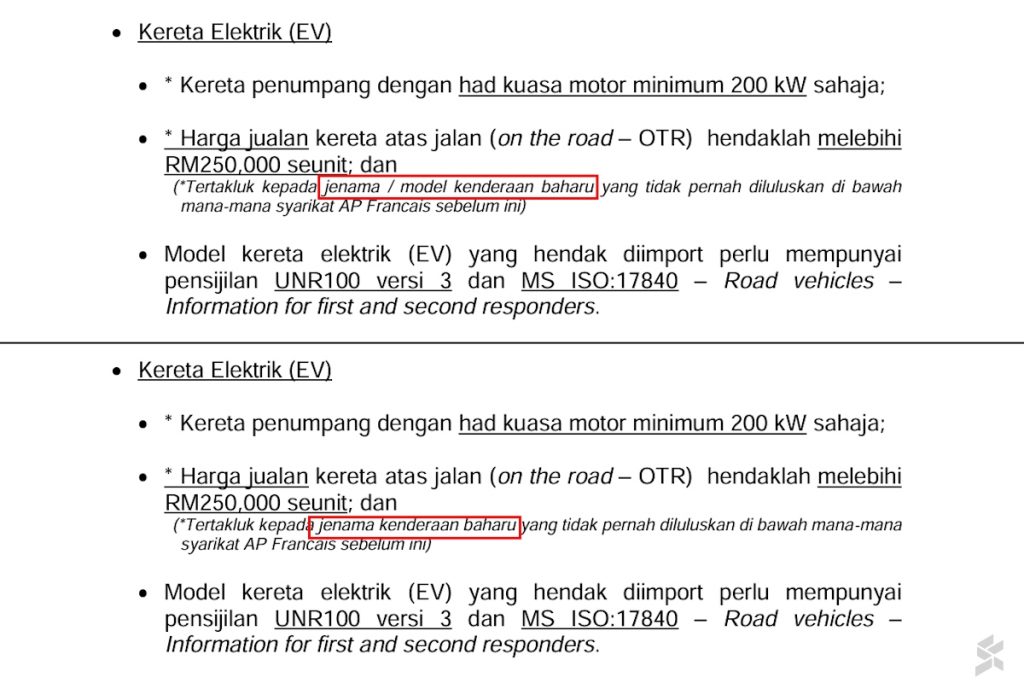
In December 2025, MITI reportedly introduced a RM250,000 minimum selling price and 200kW minimum power output requirement for new EV brands entering Malaysia. Shortly after that, the requirement was reportedly expanded to include new EV models introduced by existing brands as well.
If MITI does implements its latest policy as reported, the latest rules would effectively price out many mainstream imported EVs currently sold below RM200,000.
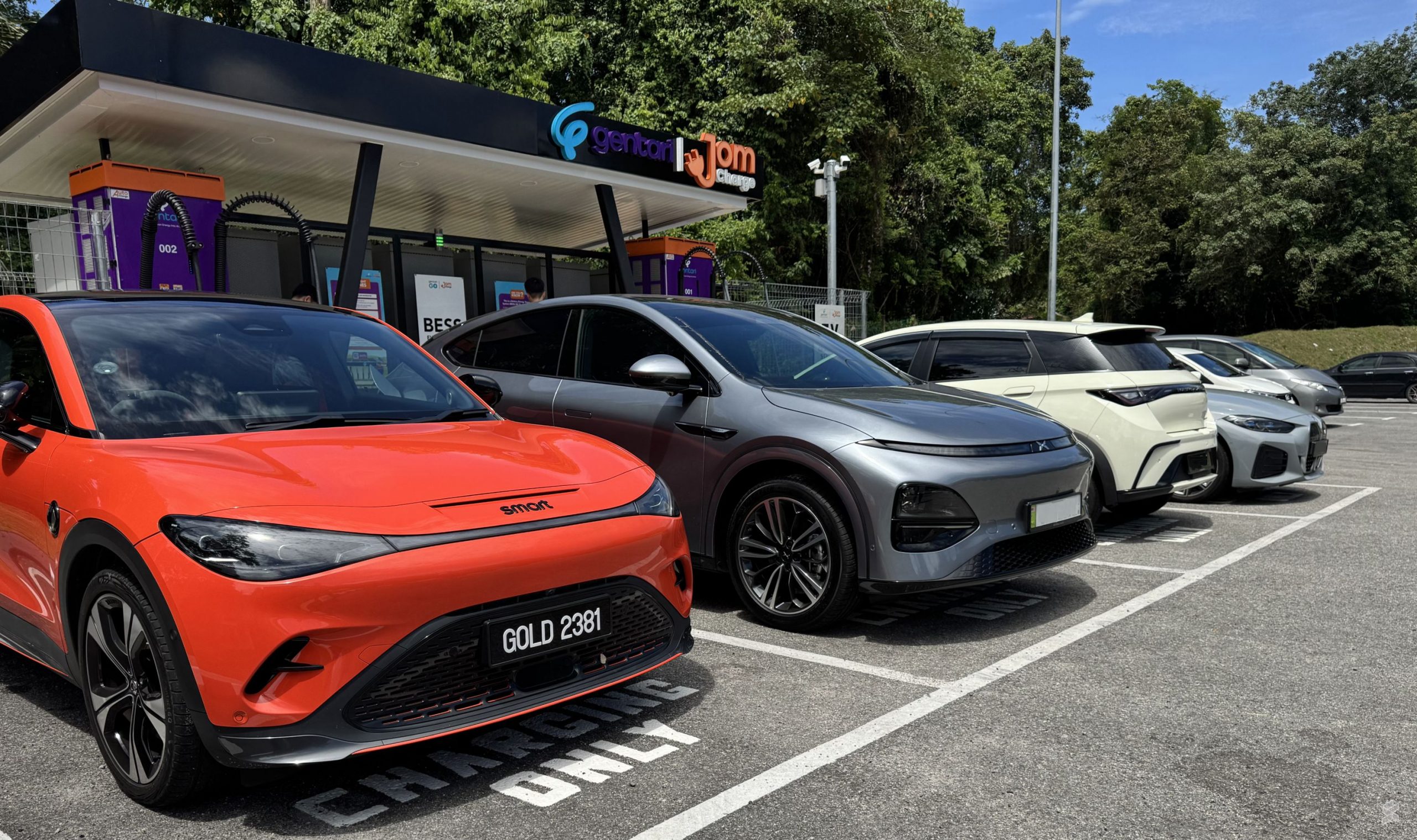
This potentially impacts several popular EV models currently available in Malaysia, which include affordable EV models from BYD and other Chinese EV brands. Only higher-performance EVs with high power outputs and mostly twin motors may continue to qualify under the new requirements.
The move appears to signal a major policy shift from encouraging EV adoption towards accelerating local assembly (CKD) investments that focuses on increasing exports.
From the looks of it, the new requirements could indirectly benefit automotive brands with local assembly facilities in Malaysia, including Proton, Chery and other brands with CKD ambitions.
Will MITI’s latest policy slow down EV adoption in Malaysia?
However, the bigger concern is whether higher barriers for imported EVs could slow down EV adoption in Malaysia.
Affordable imported EVs have played a significant role in driving Malaysia’s EV growth over the past two years, with EV registrations more than doubling in 2025.
Several mainstream EV models below the RM150,000 mark have also helped tremendously in bringing EV ownership closer to ordinary Malaysians instead of remaining a luxury-only segment.
If imported EV prices are pushed significantly higher, consumers could face fewer options, while there are also concerns that local players may become complacent with their product offerings due to reduced competition.
At the moment, MITI has yet to officially announce the new policy publicly.