
EV adoption in Malaysia is growing rapidly, but is the EV charging infrastructure keeping up? In this episode of Let’s Talk About, Amin shares his real-world Raya balik kampung experience and it didn’t go as smoothly as expected.
And interestingly, the biggest issue wasn’t what most people would expect.
During his journey, finding a charger wasn’t the main problem and there were no queue during his stops. Instead, the experience was slowed down by something less obvious but equally frustrating.
From sluggish charging apps to poor internet connectivity at charging sites, what should have been a quick stop turned into a longer-than-expected wait. These friction points may seem minor on their own, but they add up and directly impact the overall EV ownership experience, especially during long-distance travel.
Congestion still remains a concern in underserved areas, with some locations reportedly experiencing queues during the festive travel period. This points to a capacity issue that still needs to be addressed as EV numbers continue to grow.
Charge Point Operators (CPOs) can do more during peak seasons. Beyond permanent infrastructure, there’s a clear opportunity to deploy temporary solutions such as portable DC chargers at high-traffic locations to ease demand during periods like Raya.
More importantly, this episode highlights a bigger, long-term challenge. If Malaysia is serious about accelerating EV adoption, the charging ecosystem needs to evolve much faster not just in numbers, but in quality, reliability and scale.
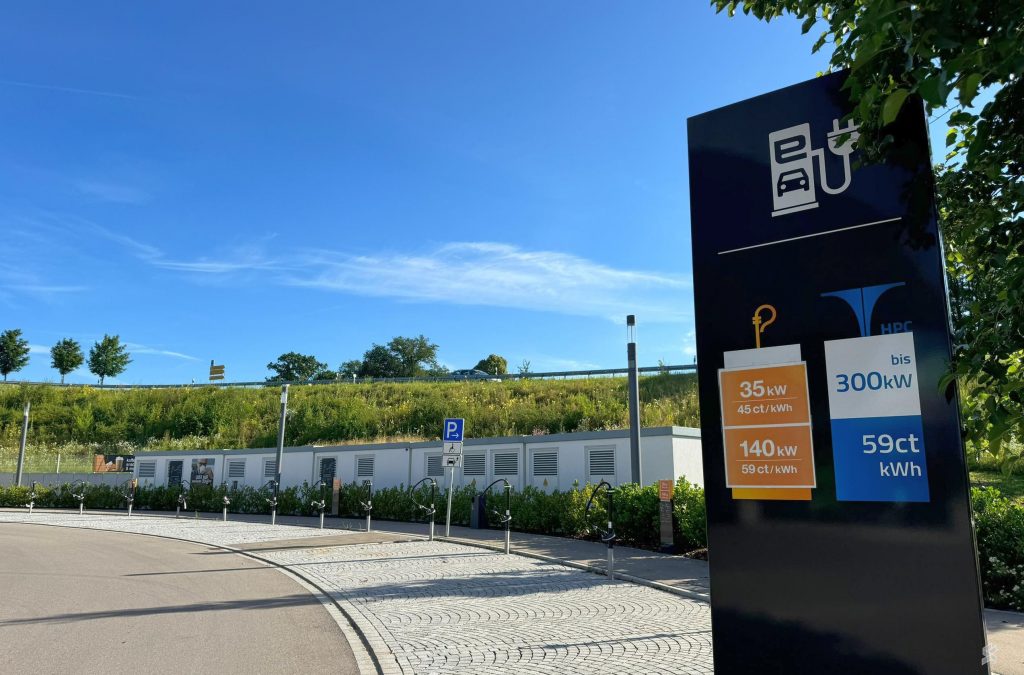
This includes ensuring highways are truly EV-friendly, with purpose-built charging hubs instead of scattered individual DC chargers. Large-scale DC charging hubs with megawatt-level capacity and at least 20 charge points every 100km would significantly improve availability and boost range confidence for long-distance travel.
For ease of activation, chargers along highways should be mandated to include an open payment system where users can activate the chargers via tap and pay using their credit and debit cards.
In addition, mobile telco coverage needs to be improved especially when there’s approximately 50km of mobile dead zones on major highways along PLUS, WCE and LPT2. During the peak holiday season, telcos should look into boosting coverage and capacity at highway R&Rs.
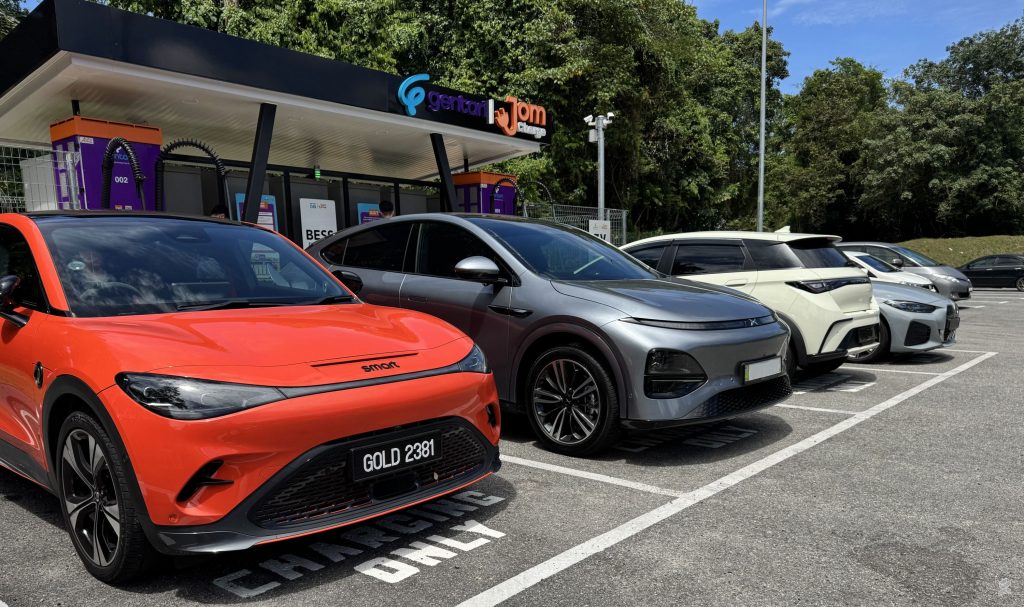
At the same time, grid upgrades must be prioritised and approvals streamlined so CPOs can deploy chargers where they are needed most. Several DC chargers have been installed for over a year but are still not operational, presumably due to power limitations and delayed approvals.
Without these structural improvements and clear mandates, the EV experience will continue to face bottlenecks not just from queues, but from the overall charging process itself.
The issue isn’t simply about having more chargers. It’s about having the right amount of chargers at the right place while delivering a seamless, reliable experience from the moment you plug in.