
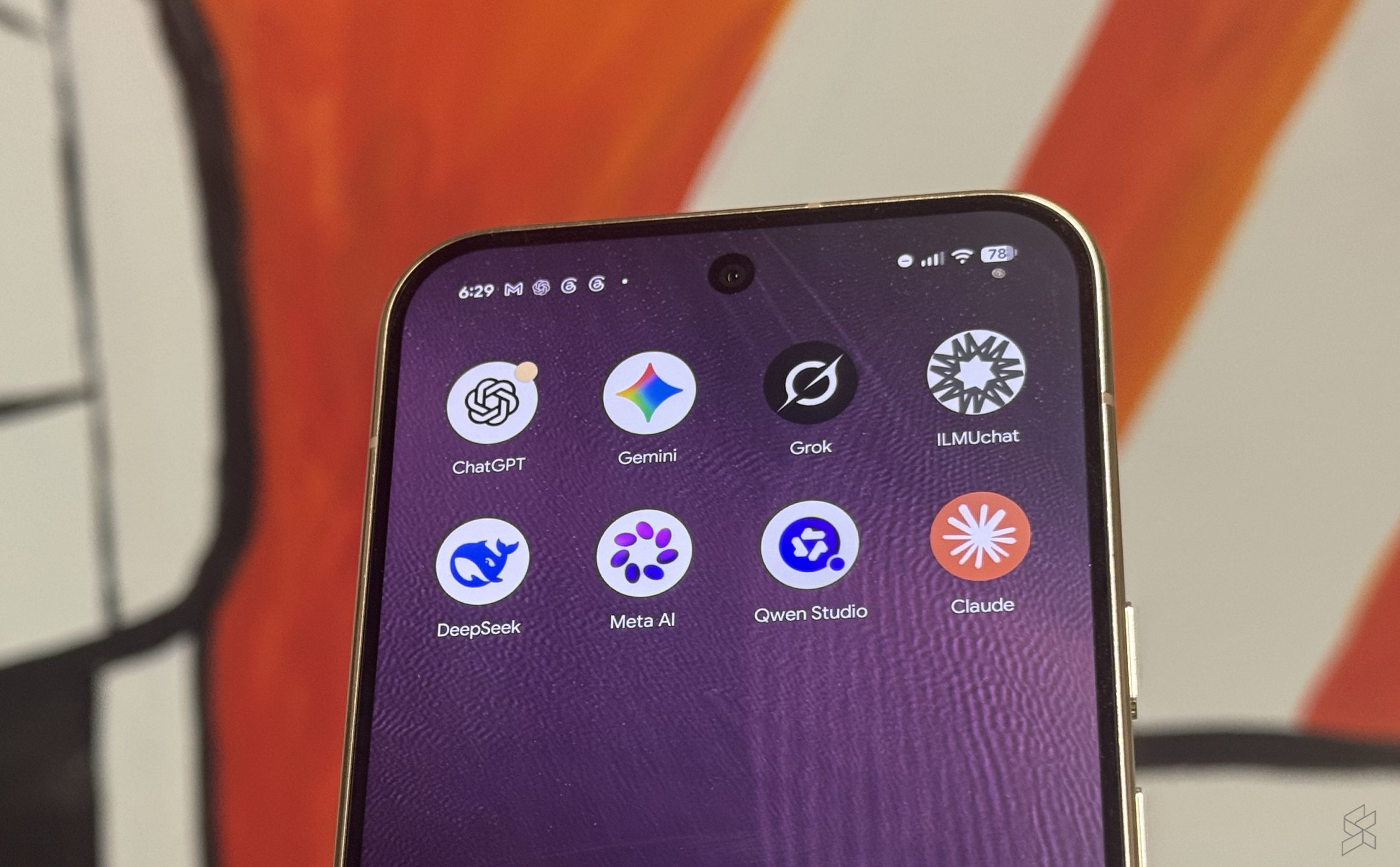
Artificial intelligence is becoming more than just a productivity tool for some younger Malaysians. According to a new Kaspersky survey, 33% of Gen Z respondents in Malaysia said they use AI as they would a friend.
The findings are part of Kaspersky’s APAC study on how Gen Z uses artificial intelligence. Across the region, 50% of Gen Z respondents said they use AI every day or almost every day, which Kaspersky says is the highest proportion among the demographic groups surveyed.
Among Gen Z respondents in APAC, 57% use AI to search for information, 54% use it for studying and 50% use it to generate ideas.
One in three Malaysian Gen Z respondents use AI as a friend

Kaspersky found that 32% of Gen Z respondents across APAC use AI as a friend. Malaysia was slightly higher at 33%, compared with 39% in Indonesia, 35% in Vietnam, 34% in Thailand and 32% in India.
The survey also found that 34% of Gen Z respondents across the region use AI to discuss personal issues that they would rather not share with other people. Vietnam recorded the highest proportion at 42%, followed by India at 37% and Indonesia at 36%. It added that AI makes conversations feel private and emotionally supportive but there are some serious risks.
Kaspersky cautioned that conversational AI should not be treated like a private human conversation. AI-generated responses can be inaccurate, while users may also disclose sensitive information such as passwords, financial details, identity documents or private messages.
More than half of Malaysian respondents only take AI precautions occasionally
Despite Gen Z’s frequent use of AI, Kaspersky’s survey reveals that many respondents underestimate the risks associated with these AI tools.
Across APAC, 45% of Gen Z respondents said they consistently take protective measures when interacting with AI services, while 51% said they only do so occasionally.
In Malaysia, 54% said they only take precautions occasionally. This was the second-highest proportion among the APAC markets highlighted in the survey, behind China at 60%. Indonesia recorded the lowest at 43%.
Kaspersky recommends checking important AI-generated information against reliable sources and avoiding the disclosure of confidential or sensitive information. It also advises users to understand what data an AI platform collects and how that information may be processed or stored.
Users are also reminded to treat information shared with an AI service as non-confidential.
Beware of fake sites and services imitating AI services
As more users are turning to AI tools and chatbots, Kaspersky also warned about phishing, malware and fraudulent website that may imitate legitimate AI platforms or promoting fake AI tools. They recommend having comprehensive security solutions such as Kaspersky Premium which can help provide an additional layer of protection as users explore new services.
To develop broader cybersecurity skills, Kaspersky Academy has a Cyberhygiene course which helps users understand common digital risks and build practical habits for protecting accounts, devices and personal information. These skills are becoming more relevant as AI tools are now being integrated into studying, work and everyday communication.
Kaspersky has also launched an interactive online game called Case 404 which aims at educating users to learn how to spot scams, phishing attempts and sophisticated fraud attempts. The fictional online game is designed to help build mindset and skills to stay secure while doing what they love online.
Vladislav Tushkanov, Group Manager at Kaspersky AI Technology Research Centre, said, “Gen Z understands emerging AI trends better than other generations and is already finding new ways to integrate the technology into studying, communication and everyday life. The fact that some young people now use AI as a friend shows how quickly the relationship between users and technology is changing.”
He added that interactions which feel personal should not be mistaken for private or fully reliable conversations, and urged younger users to check information, protect personal data and think critically about AI-generated responses.
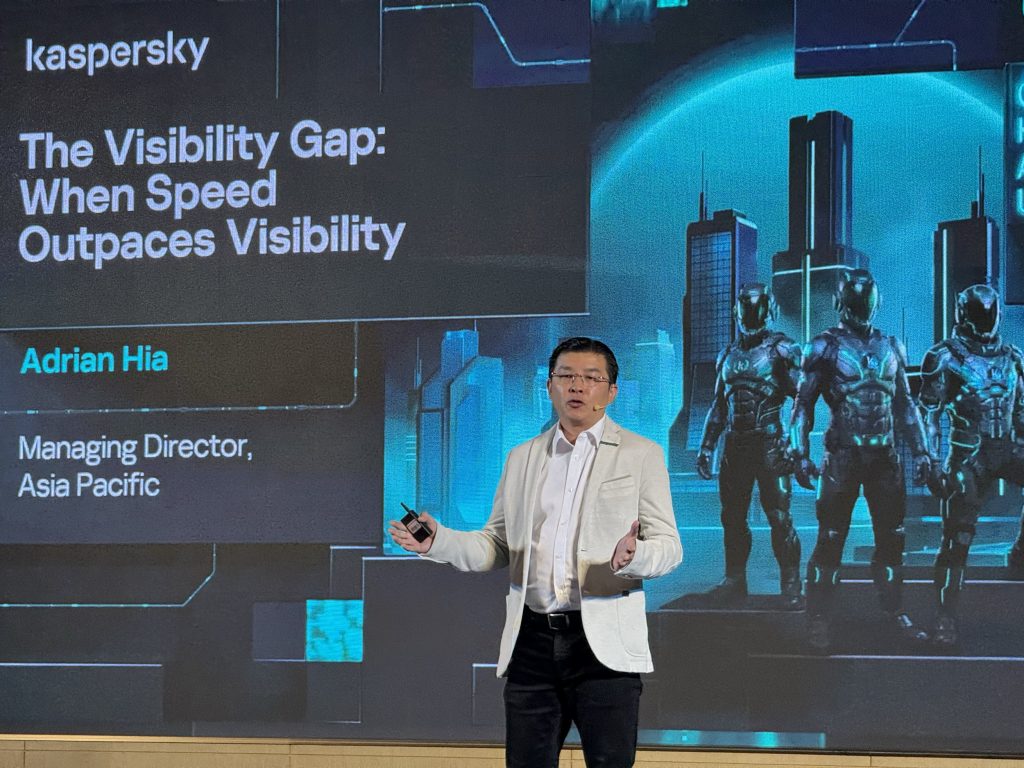
Meanwhile, Adrian Ha, Managing Director for Asia Pacific at Kaspersky, said, “What stands out about the survey is how naturally AI has become part of the younger generation’s everyday lives. When one in three Gen Z users in APAC already sees AI as a friend, it is clearly becoming more than just atool. As that relationship becomes more personal, knowing what to trust, what to share and where to draw the line will be key to using AI safely and responsibly.”
The study was conducted by Kaspersky’s market research centre in March 2026 involving 7,200 respondents across 18 countries, including Malaysia, China, India, Indonesia, Thailand and Vietnam.