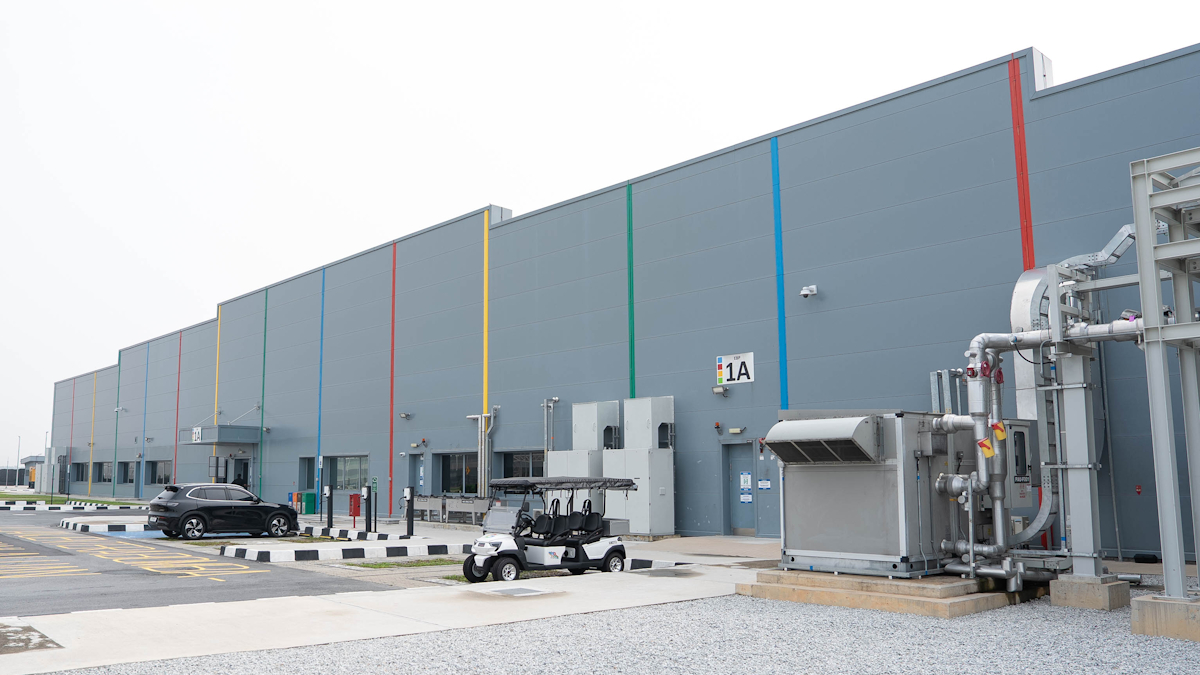
Originally announced in 2024, the first-ever Google data centre in Malaysia, located at Elmina Business Park in Sungai Buloh, is now operational. This was confirmed by the tech giant today, which has also announced that it is going to open 3 more data centres in Malaysia.
These new data centres are part of the RM61 billion (USD15 billion) investment, which is the largest that Google has made in its 15-year presence in Malaysia.
Where Are the New Google Data Centres in Malaysia Located?
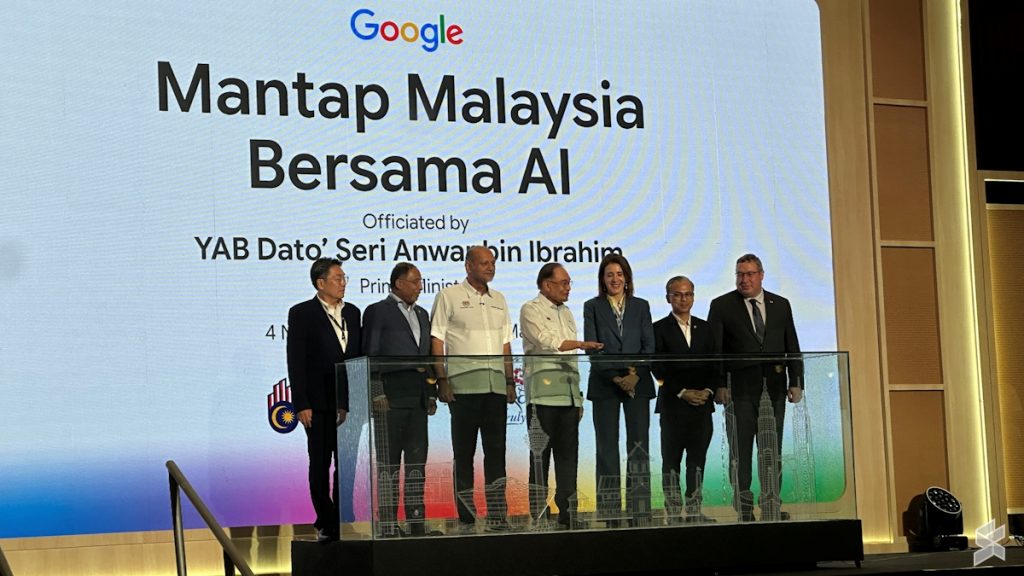
The three new Google data centres in Malaysia are located at these locations:
- EcoWorld Eco Business Park, Puncak Alam
- UMW High Value Manufacturing Park, Serendah
- Springhill Industrial Park, Port Dickson
While Google did not reveal when exactly these new data centres will be operational, we do expect them to go live within the next 2 years based on the time it took Google to build the Elmina data centre. The facilities will power core consumer tools such as Google Search, Maps, and Chrome, while laying the compute groundwork for advanced AI deployments.
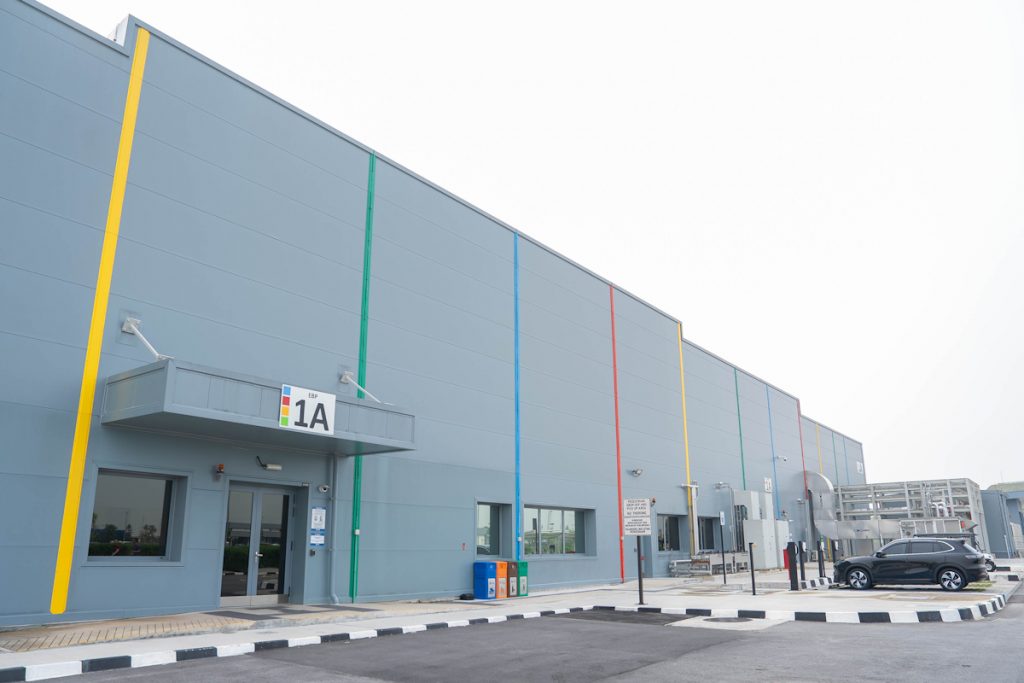
Interestingly, Google also pointed out that the infrastructure in Selangor will anchor Google Cloud’s upcoming cloud region in Malaysia. It will be serving enterprise clients and public institutions such as AirAsia, Gamuda, Hong Leong Bank, Maxis, Bank Muamalat, AEON360, the Ministry of Digital, and the Ministry of Higher Education.
Google Promises Over 1 GW in Clean Energy, Initiates New Water Conservation Projects
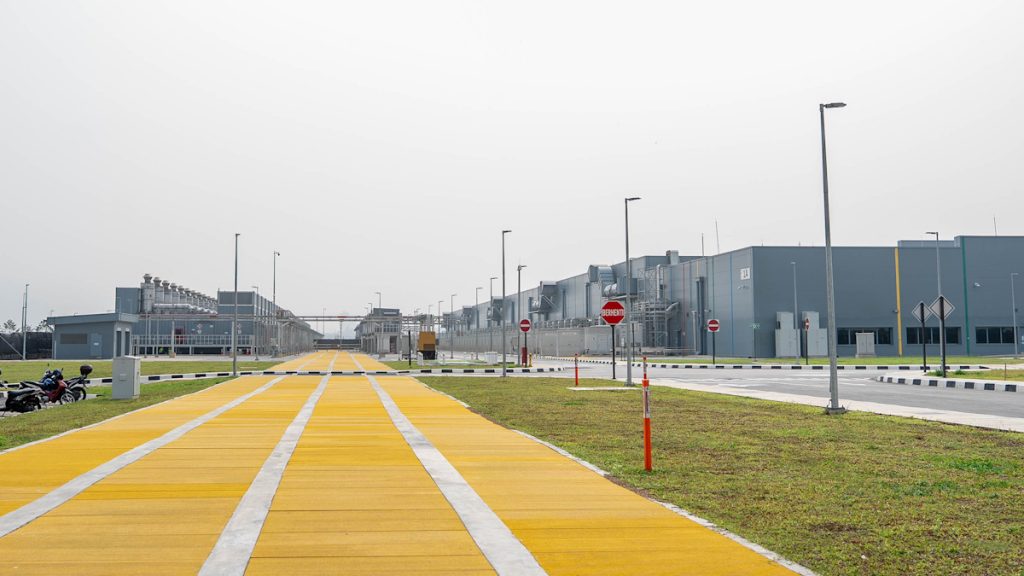
Addressing resource demands tied to hyperscale facilities, Google committed to adding more than 1 gigawatt (GW) of new renewable energy capacity to Malaysia’s National Grid under the Corporate Renewable Energy Supply Scheme, in partnership with Tenaga Nasional Berhad and solar developers.
The company stated it will fund 100% of its power consumption and direct grid connection costs. It aims to operate its tropical data centres at a Power Usage Effectiveness (PUE) rating between 1.12 and 1.14—well below the global industry average of 1.54.
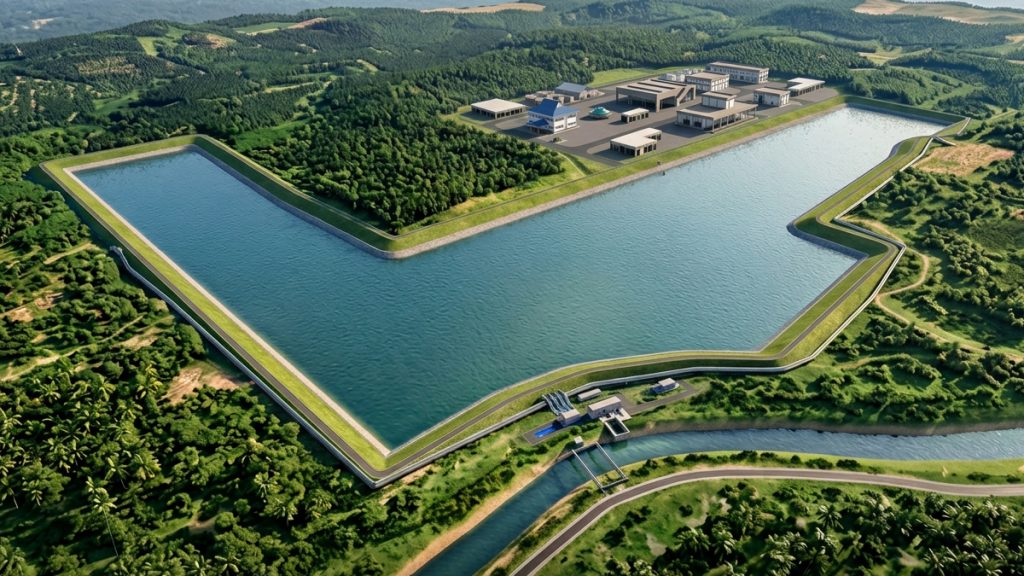
On water usage, Google utilises water-cooling systems—which lower server energy consumption by roughly 10%—after third-party hydrologists confirmed local basins are not at high risk of scarcity. Counterbalancing its intake, the company announced two new water replenishment programs:
- Sungai Buloh and Sungai Selangor Basins: Expanding nature-based riverbank bioengineering and wetland projects alongside the Global Environment Centre to protect upstream water quality for Selangor and Kuala Lumpur.
- School Water Resilience Hubs: Teaming up with Water Watch Penang, Gravity Water, and CLEAN International to outfit four Selangor schools with 20,000-litre storage tanks and rainwater harvesting systems, providing emergency supply points for up to 2,000 residents during municipal supply cuts.
Earlier this week, Google also announced that it is funding the construction of RM651 million (USD160 million) shared water infrastructure in Negeri Sembilan that will not only support its upcoming data centre in Port Dickson but also the local community.
Economic and Workforce Impact From The New Google Data Centres
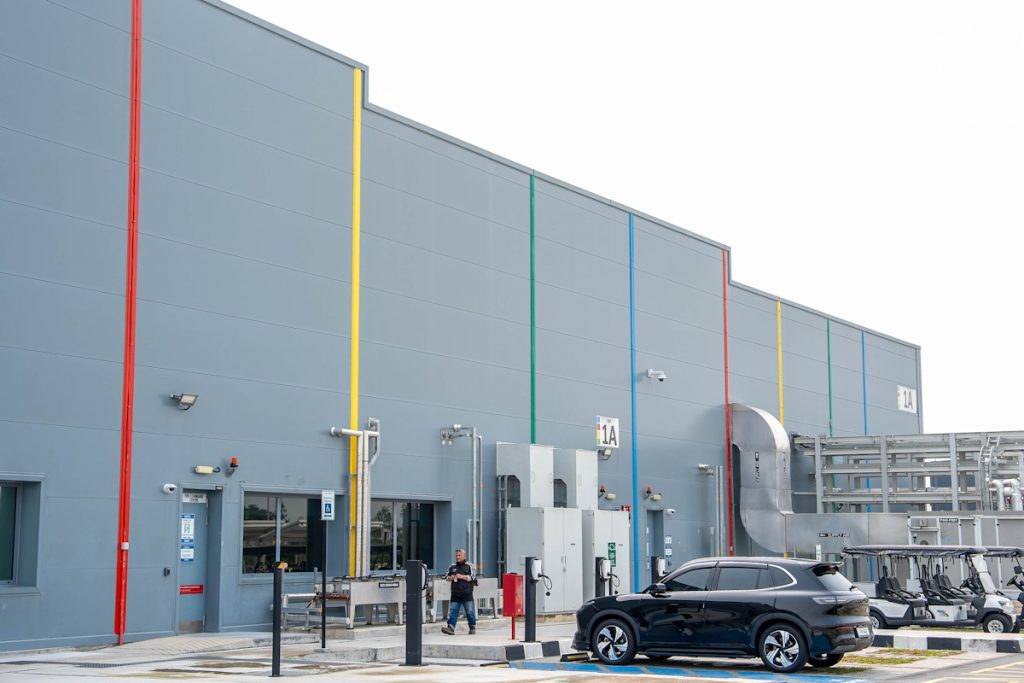
At the same time, Google said that it is partnering with over 80 domestic suppliers across engineering, power distribution, cooling systems, logistics, and legal services to support its data centres in Malaysia. Here are economic projections outlined in its plan:
- Construction Phase (2027–2028): Estimated to contribute an average of RM4.47 billion (USD1.1 billion) annually to Malaysia’s GDP, supporting over 37,000 local jobs per year (including 6,000 in construction alone), generating millions in annual labour income.
- Operational Phase: Expected to sustain more than 9,000 permanent local jobs annually—ranging from mechanical and electrical engineers to facilities and security personnel—with average wages projected at 45% above the national median.
To support the talent pipeline, Google introduced four new dedicated workforce development programs targeting youth, educators, civil servants, and vocational candidates between 2027 and 2031 to upskill 800,000 Malaysians:
- Experience AI Malaysia: Partnering with the Ministry of Education, Penang Science Cluster, and Raspberry Pi Foundation to certify teachers and deliver hands-on AI literacy to secondary school students aged 11 to 14.
- Jelajah AI MSME: Teaming up with Pepper Labs to train microentrepreneurs at Pusat Sebaran Maklumat Nasional (NADI) centres in building digital storefronts and searchable web presences.
- AKAD Rakyat: Partnering with Arus Academy to provide AI productivity training to civil servants across 19 local government councils in Selangor and Negeri Sembilan.
- Data Centre Institutes (DCIs): Establishing specialised training hubs at select polytechnics in Selangor and Negeri Sembilan starting in 2027, featuring a 10-week curriculum and physical data centre simulators to place TVET graduates into hyperscale facility roles.
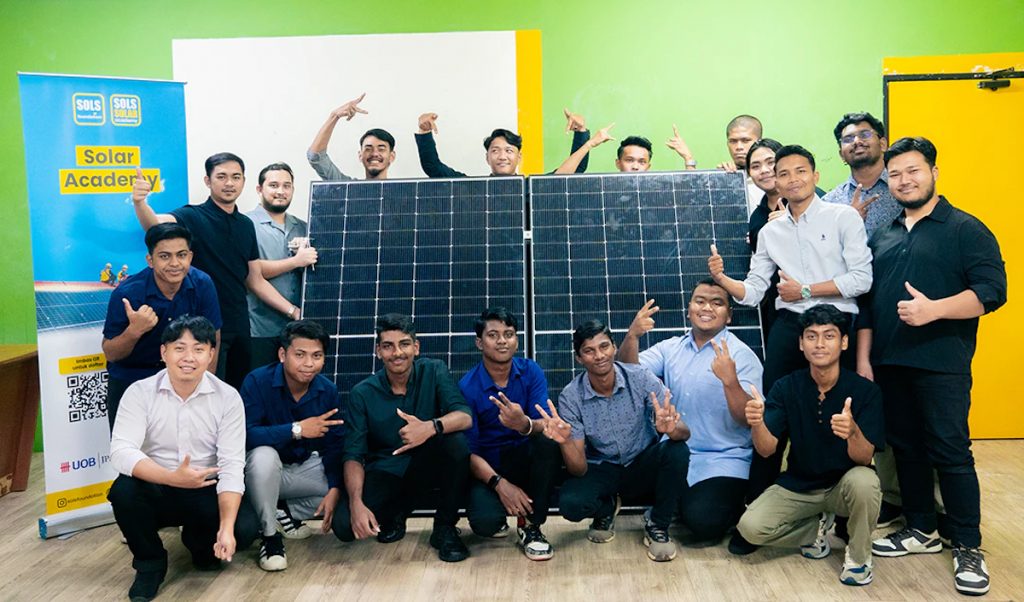
Previously, Google announced education and workforce programs in Negeri Sembilan through a collaboration with SOLS Foundation. Set to kick off in early 2027, these programs will see the rollout of solar labs at selected public schools and a new digital skills track at SOLS Solar Academy.