• 中文版
  • BM
  • News
  • Deals
  • Reviews
    • First Impressions
    • Hands-on
    • Comparisons
  • Tech
    • Mobile
    • Computers
    • Cameras
    • Wearables
    • Audio
    • Drones
  • Telco
    • Celcom
    • Digi
    • Maxis
    • Time
    • Tune Talk
    • U Mobile
    • Unifi
    • Yes
  • Cars
  • Contribute
  • Jobs
Menu
  • 中文版
  • BM
  • News
  • Deals
  • Reviews
    • First Impressions
    • Hands-on
    • Comparisons
  • Tech
    • Mobile
    • Computers
    • Cameras
    • Wearables
    • Audio
    • Drones
  • Telco
    • Celcom
    • Digi
    • Maxis
    • Time
    • Tune Talk
    • U Mobile
    • Unifi
    • Yes
  • Cars
  • Contribute
  • Jobs
Search
  • Tech
    • News
    • Mobile
    • Computers
    • Cameras
    • Wearables
    • Audio
    • Drones
  • Telco
    • Celcom
    • Digi
    • Maxis
    • Time
    • U Mobile
    • Unifi
    • Yes
  • Reviews
    • First Impressions
    • Hands-on
    • Comparisons
  • Buyer’s Guide
  • Opinions
  • Digital Life
  • Video
  • Deals
  • How-To
  • Cars
  • Bahasa Melayu
  • EV
  • Contribute
  • Advertise
Menu
  • Tech
    • News
    • Mobile
    • Computers
    • Cameras
    • Wearables
    • Audio
    • Drones
  • Telco
    • Celcom
    • Digi
    • Maxis
    • Time
    • U Mobile
    • Unifi
    • Yes
  • Reviews
    • First Impressions
    • Hands-on
    • Comparisons
  • Buyer’s Guide
  • Opinions
  • Digital Life
  • Video
  • Deals
  • How-To
  • Cars
  • Bahasa Melayu
  • EV
  • Contribute
  • Advertise
Search
Close
Home News

US govt allows Intel and AMD to continue supplying chips to Huawei

  • BY Jinn Xiung
  • 25 September 2020
  • 5:34 pm
  • Comment
Share on FacebookShare on Twitter

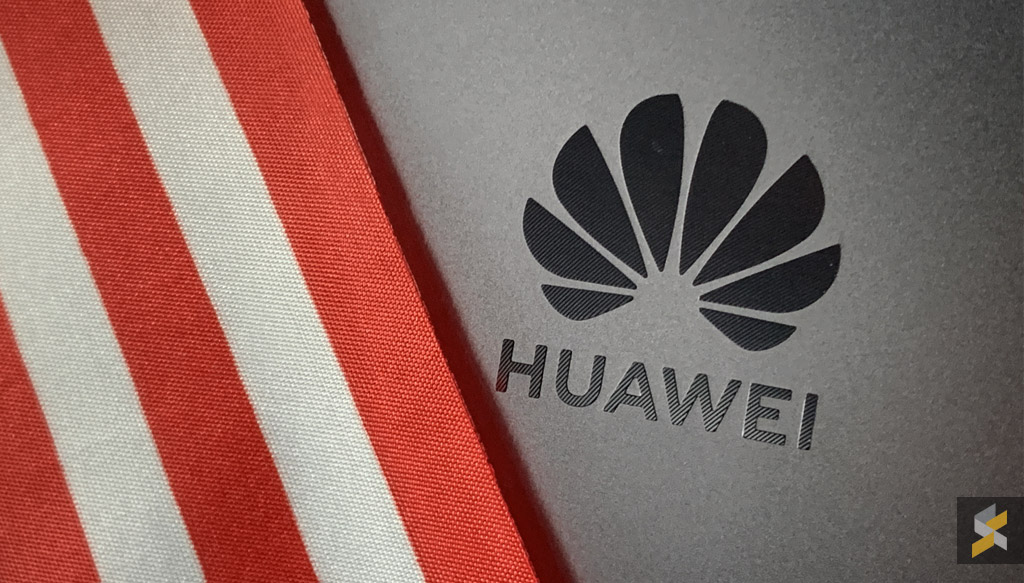
Intel Corp has received approval from U.S. authorities to continue supplying certain products to the embattled Chinese telecom giant Huawei. The latest round of restrictions against Huawei requires companies to comply with the Trump administration’s license requirements that came into effect on 15 September.

Apart from Intel, AMD also supplies its processors to Huawei and its sub-brand Honor. Both Huawei and Honor recently refreshed their MateBook 14 and MagicBook Pro laptops with AMD Ryzen 4000 chips. Gizchina reported that AMD too has successfully obtained a license to supply to Huawei.

With this new approval, Huawei and Honor will be able to continue to making MateBook and MagicBook laptops.

Though Huawei’s smartphone business has taken a massive beating thanks to strict sanctions, its PC business continues to be a bright spot. The company claims its notebook market share reached 16.9% making its second place in China.

Non-U.S. chipmakers left out

Huawei designs its Kirin smartphone chips via its HiSilicon subsidiary but it has faced difficulty in procuring components due to the U.S. restrictions that have choked its supply lines. CNBC reported that Huawei’s Guo Ping said the company received its last batch of chipsets in the middle of September.

He said that the company currently has “sufficient stock” of chips for its business to business divisions, which would include its networking equipment. But, he did not comment on how much stock is left for its smartphones.  

A number of major chipmakers from around the world including China’s Semiconductor Manufacturing International Corporation (SMIC), South Korea’s SK Hynix, Taiwan’s MediaTek and American chipmaker Qualcomm have lined up to seek approval from the U.S. government to sell electronic components to Huawei.

Try as they might, Reuters reported that a person familiar with the matter said non-U.S. firms have a low chance of getting U.S. approval. This situation has forced chipmakers to come up with contingency plans to increase their supplies to other customers since the door to Huawei remains shut. 

Meanwhile, the Wall Street Journal reports that Qualcomm has been lobbying with the U.S. government to allow it to export its chips to Huawei since August. The U.S. chip giant argued that the export restrictions will hand billions of sales to its competitors. 

Huawei has said that it will continue to procure from Qualcomm if permission is granted by the U.S. government.

The result of these crippling restrictions has forced Huawei to focus on its domestic market in China where it increased its market share. The company shipped a record number of smartphones in China during Q2 2020 and it emerged as the world’s largest smartphone player by market share according to research company Canalys.


[SOURCE, 2]

Related reading

Huawei loses display suppliers – Samsung and LG in latest round of U.S. restrictions
Despite U.S. sanctions, Huawei overtakes Samsung as the world’s No.1 smartphone vendor
Honor unveils MagicBook and MagicBook Pro with AMD Ryzen 4000 chips
Tags: Huaweiintel
Jinn Xiung

Jinn Xiung

POPULAR

Upgraded To a New Phone? Cool. But When Was the Last Time you Upgraded your Shaver?

November 10, 2025

5 Reasons Every Home Should Have a Smart Security System

November 11, 2025

Solar ATAP: The new solar programme for consumers will only start in 2026

December 2, 2025

US govt allows Intel and AMD to continue supplying chips to Huawei

September 25, 2020
Perodua QV-E EV

Perodua QV-E is now official: Electric sportback with 201hp, 445km NEDC range, priced at RM80k not inclusive of battery subscription

December 1, 2025

GrabRewards is now GrabCoins: Now with even more ways to earn and save

November 17, 2025

Copyright © 2025 · SoyaCincau.com
Mind Blow Sdn Bhd (1076827-P)

  • ADVERTISE
  • DISCLAIMER

Copyright © 2025 · SoyaCincau.com – Mind Blow Sdn Bhd (1076827-P)

  • ADVERTISE
  • DISCLAIMER