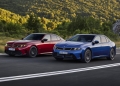
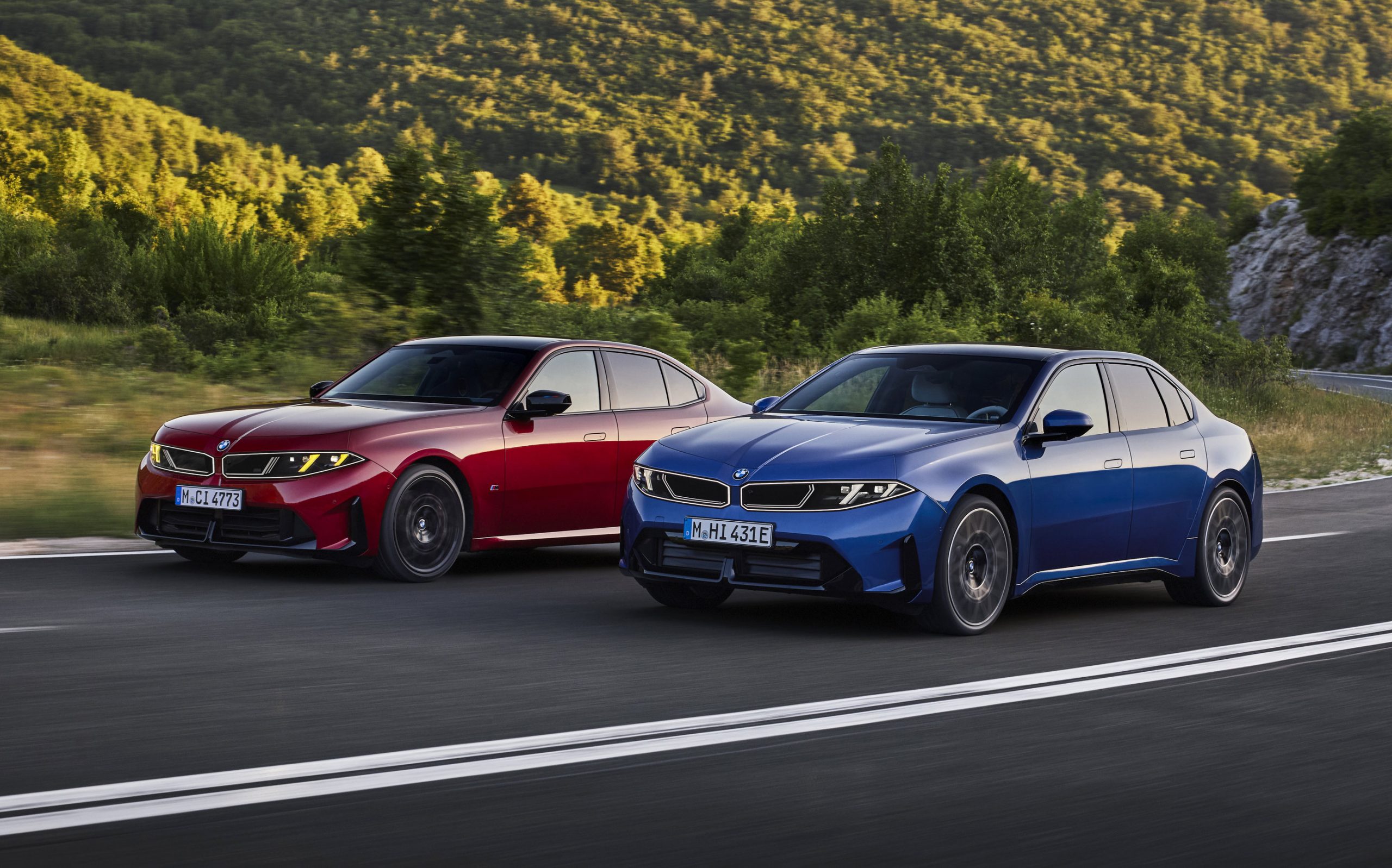
Following the unveiling of the fully electric BMW i3 early this year, BMW has announced the broader lineup for its all-new eighth-generation 3 Series. Whether you prefer a fully electric sedan or a petrol engine, the new range offers both, with a plug-in hybrid option set to follow over the coming year.
The electric BMW i3 (NA0) offers up to 912km of WLTP-rated range, while the petrol-powered BMW M350 xDrive (G50) gets a straight-six turbocharged engine and a quicker 0–100km/h time.
Joining them are the four-cylinder BMW 318 and BMW 320, and all three petrol models feature 48V mild-hybrid technology.
What’s missing from the new 3 Series lineup is a diesel option, leaving buyers with just three powertrains options to choose from.
Across the range, BMW is bringing its Neue Klasse design direction and technology to the entire 3 Series family.
Similar Neue Klasse design, different platforms underneath
The new 3 Series adopts a consistent appearance across its electric and petrol variants. Up front, the kidney grille and twin headlights merge into a single visual unit, while the sides feature pronounced wheel arches and flush door handles that extend automatically when the car is unlocked.
At the rear, the sedan gets a horizontal taillight arrangement. M Sport and M Sport Pro packages are available, with wheel sizes ranging from 19 to 21 inches for the i3 and 18 to 20 inches for the petrol models.
Despite their similar appearance, the two versions have different foundations. The BMW i3 is built on the dedicated Neue Klasse EV platform, while the petrol-powered 3 Series rides on an updated version of BMW’s CLAR platform used by the outgoing 3 Series (G20).
Their dimensions differ as well. The BMW i3 measures 4,760mm long, 1,865mm wide and 1,480mm tall, with a 2,897mm wheelbase. Meanwhile, the petrol models measure 4,765mm long, 1,850mm wide and 1,455mm tall, with a shorter 2,860mm wheelbase.
The dedicated EV layout also makes significant difference inside. Without the petrol model’s transmission tunnel, the i3 provides additional storage beneath the front centre console and a flat floor for rear passengers.
For luggage, the petrol versions have a larger 450-litre boot compared to the i3’s 420 litres. However, the EV also provides an additional 31-litre frunk under the bonnet which is good enough to store your charging cables and tyre repair kit.
BMW i3: Up to 912km range and 400kW DC fast charging
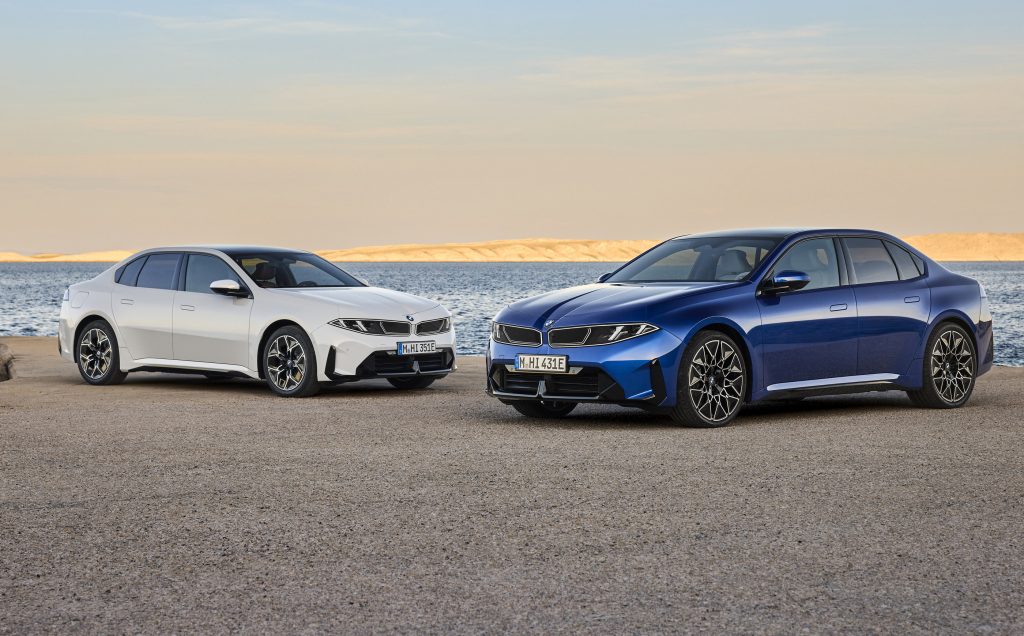
Like the iX3, the fully electric BMW i3 uses BMW’s 6th generation eDrive technology, featuring an 800V architecture and batteries with cylindrical cells.
The BMW i3 for global markets is currently listed with dual-motor AWD setup as follows:
- BMW i3 40 xDrive — 275kW (369hp) and 520Nm, 0–100km/h in 5.4 seconds, 82.8kWh battery and 566–710km of WLTP-rated range.
- BMW i3 50 xDrive — 345kW (462hp) and 645Nm, 0–100km/h in 4.7 seconds, 108.7kWh battery and 729–912km of WLTP-rated range.
Both i3 have an electronically limited top speed of 200km/h.
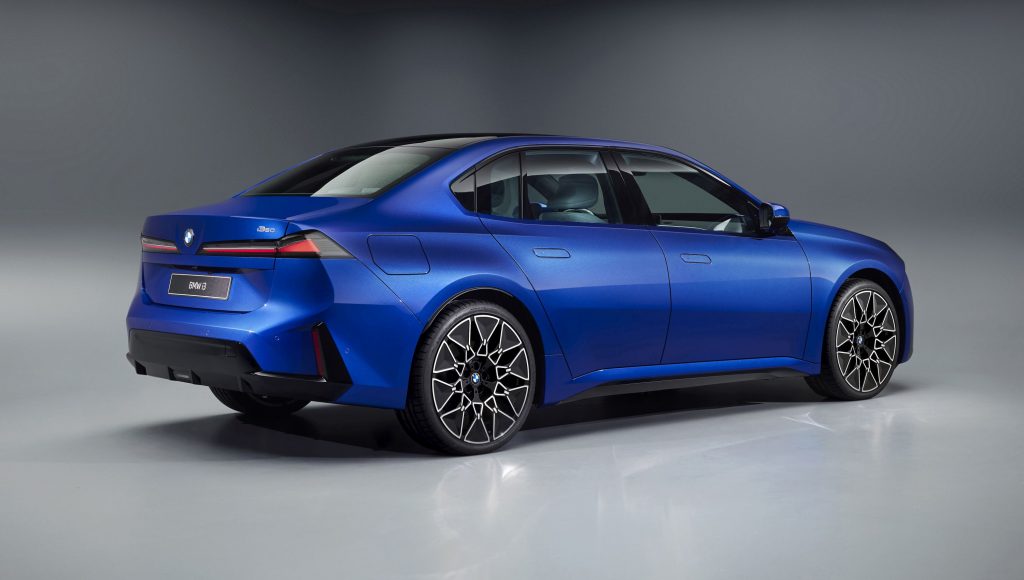
The i3 50 xDrive supports DC fast charging of up to 400kW, while the i3 40 xDrive supports up to 300kW. BMW quotes a 10–80% charging time of 21 minutes for both variants.
According to BMW, a quick 10-minute charging stop can add up to 423km of range on the i3 50 xDrive, or up to 337km on the i3 40 xDrive with a high-powered DC charger.
For AC charging, the i3 supports 11kW as standard but there’s an option to upgrade to 22kW.
Over in China, there’s a long wheelbase (LWB) version of the i3 which was revealed during Auto China 2026. The rear-wheel-drive BMW i3 40 L offers more legroom, over 1,000km of CLTC-rated range and up to 400kW DC fast charging through its Gen6 eDrive 800V platform.
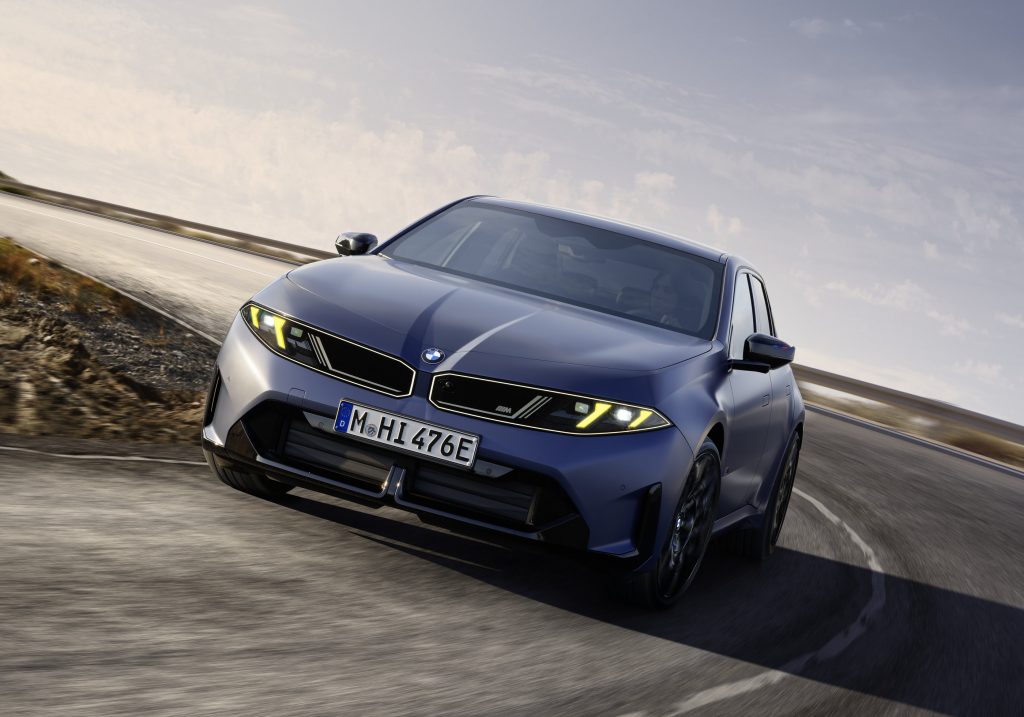
BMW has also confirmed that an i3 M60 xDrive M Performance model will join the range in 2027. Although the specs and figures have yet to be revealed, expect more power and more torque than the current i3 50 xDrive.
Since this is the more performance-oriented variant, expect lower EV range as efficiency would certainly take a hit.
BMW M350 xDrive: Straight-six petrol power, 0–100 in 4.1 seconds
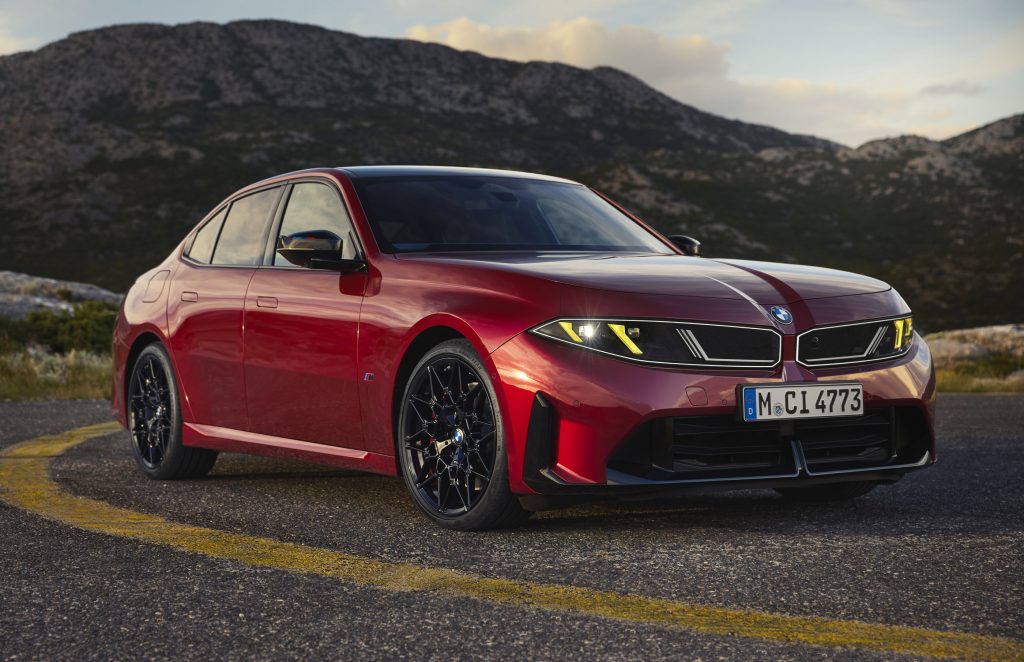
For those who prefer the sound and sensation of a straight-six engine, there’s the BMW M350 xDrive which leads the current petrol lineup and replaces the current M340i. It features a 3.0-litre turbocharged six-cylinder engine with 48V mild-hybrid technology mated to an eight-speed Steptronic transmission and xDrive all-wheel drive.
The petrol engine itself produces 313kW (419hp) and 540Nm. With the mild-hybrid system, it offers a maximum combined output of 326kW (437hp) and 580Nm.
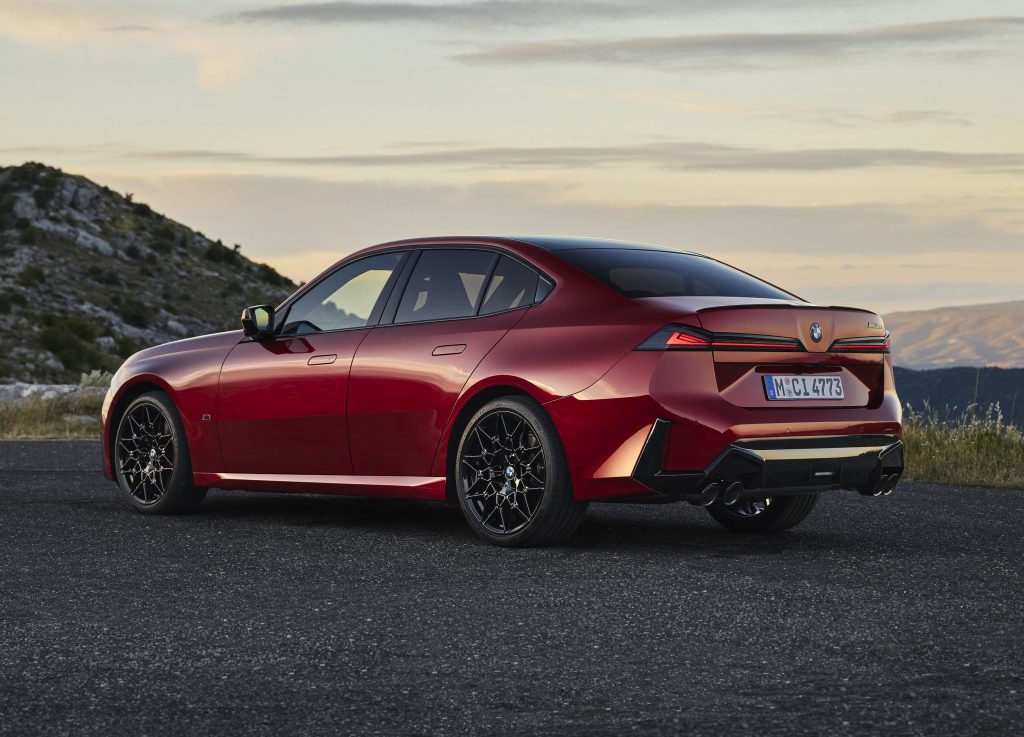
The M350 xDrive has a 0-100km/h time of 4.1 seconds, making it quicker than the i3 50 xDrive’s 4.7 seconds. This is largely due to the weight difference as i3 50 weighs over 2.2 tonnes.
The petrol M Performance model has an electronically limited top speed of 250km/h, which is 50km/h more than the pure electric 3 Series.
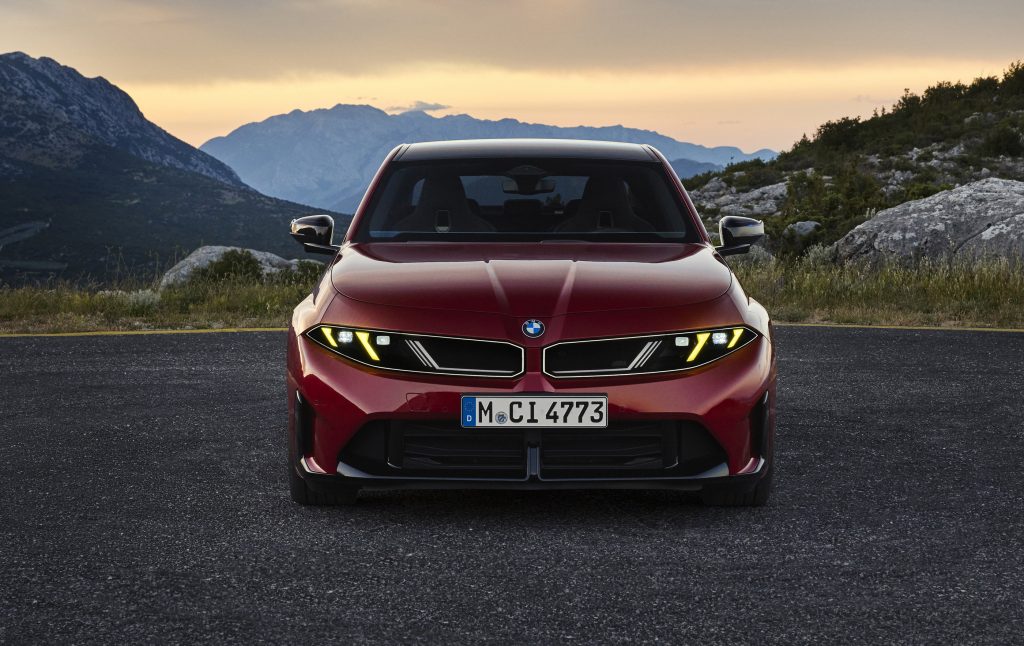
Adaptive M suspension comes as standard and BMW is also introducing a Drift Moment function that allows power to be sent to the rear wheels only.
The drift mode feature is scheduled to arrive sometime in 2027 through a software update.
BMW 318 and BMW 320 retain rear-wheel drive
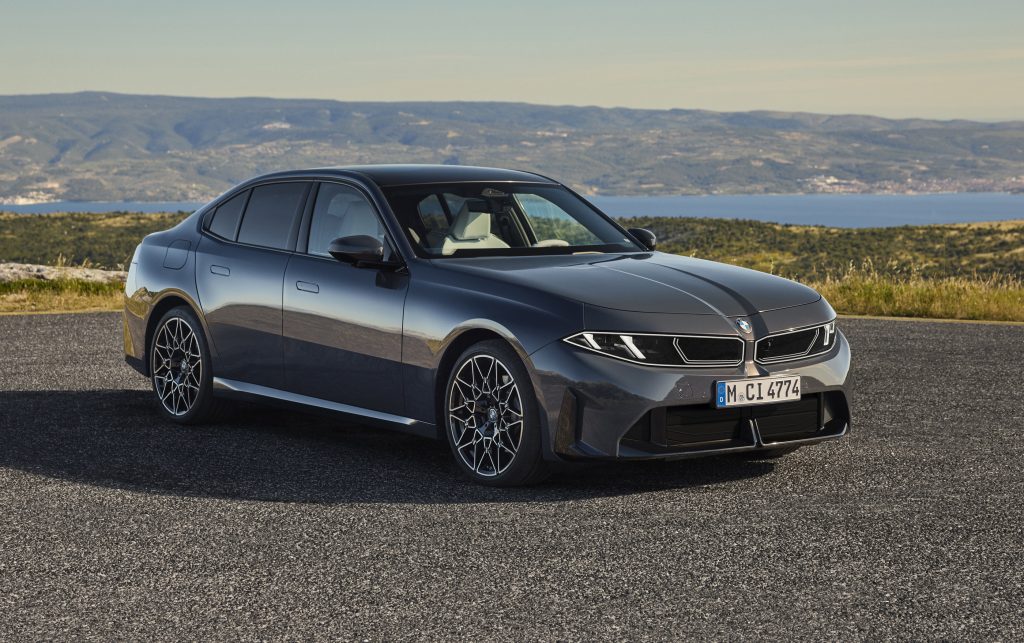
The petrol lineup also includes the BMW 318 and BMW 320. Both use a 2.0-litre turbocharged four-cylinder engine with a 48V mild-hybrid system and an eight-speed Steptronic transmission driving the rear wheels.
The entry-level BMW 318 produces 115kW (154hp) and 250Nm of torque. It can accelerate from 0–100km/h in 9.5 seconds and has a top speed of 215km/h.
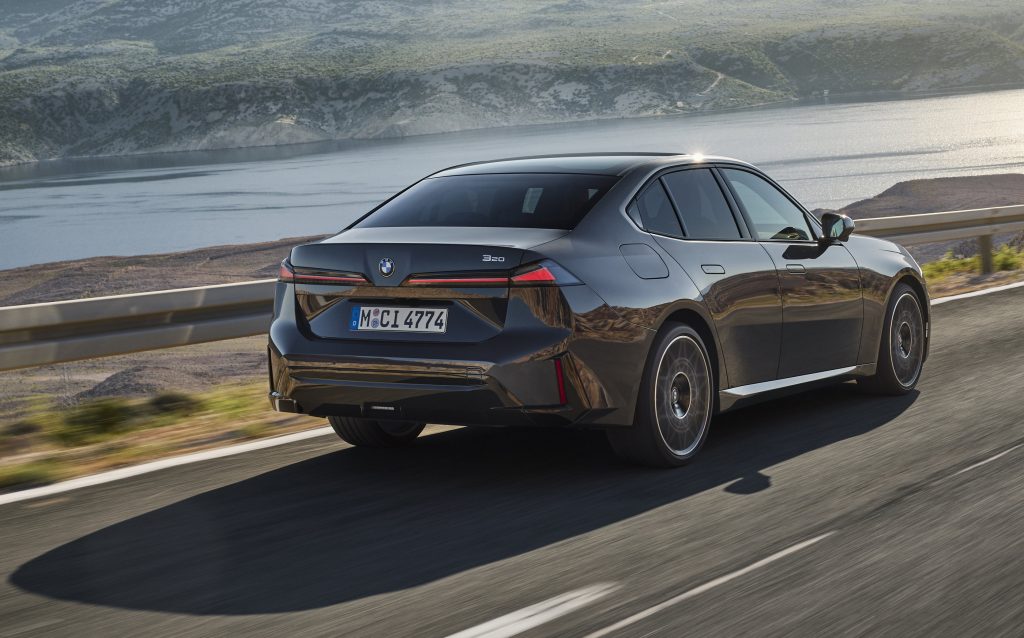
Meanwhile, the BMW 320 delivers 155kW (208hp) and 330Nm. It boasts a quicker 0–100km/h time of 7.4 seconds while its top speed is higher at 240km/h.
Plug-in hybrid BMW 3 Series coming next
BMW says a plug-in hybrid will join the new 3 Series lineup over the coming year, adding a third powertrain choice alongside the fully electric and petrol mild-hybrid models.
So far, BMW has yet to reveal the PHEV’s models, power output, battery capacity, charging speed and range.
Panoramic iDrive across the new 3 Series
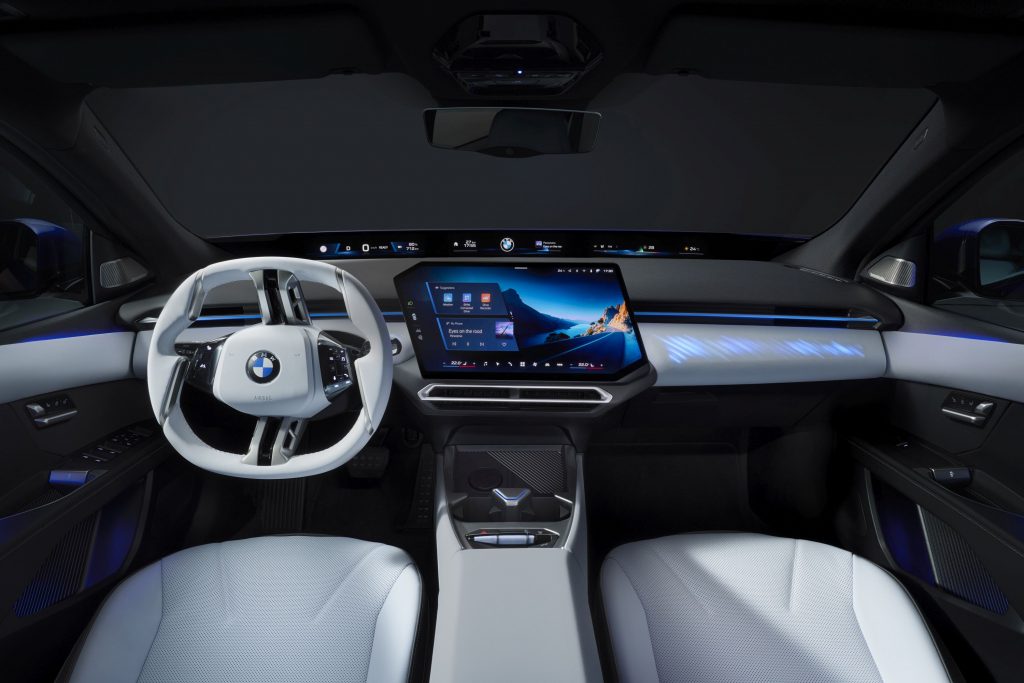
Whether it is electric or petrol, the new 3 Series gets BMW Panoramic iDrive running BMW Operating System X.
The Panoramic Vision system projects information across the lower section of the windscreen, placing vital driving information within the driver’s field of view. The central and passenger-side areas can display personalised content. There’s also a separate BMW 3D Head-Up Display which is offered as an option.
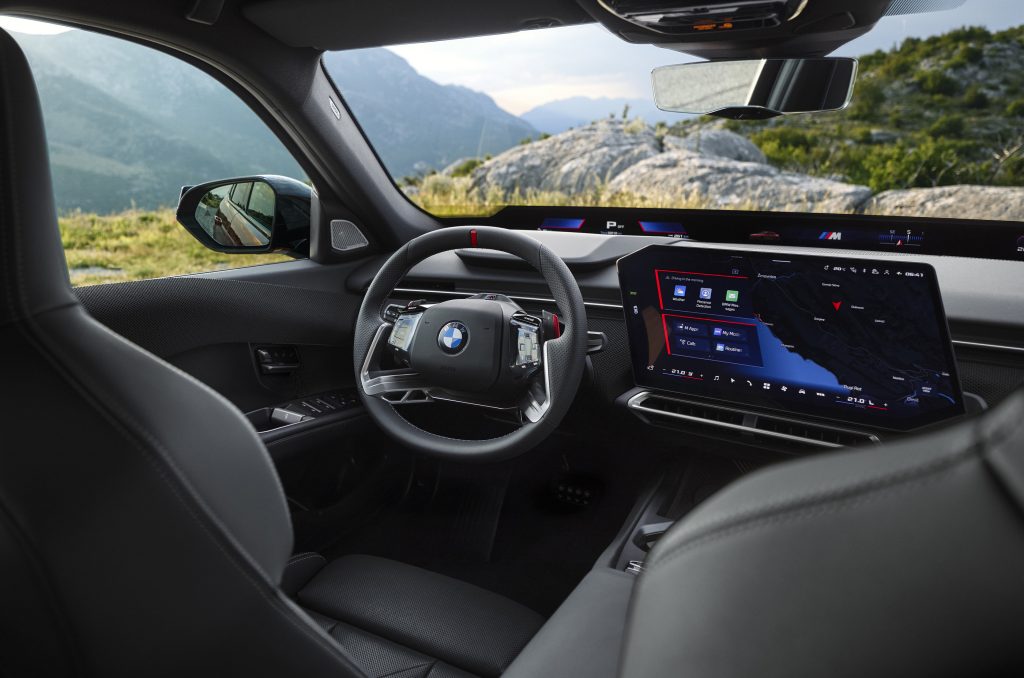
There’s also a 17.9-inch central touchscreen angled towards the driver, together with a multifunction steering wheel.
The electric i3 also gets BMW’s Heart of Joy computer, which combines drivetrain and driving dynamics control in a single unit. The petrol models use a separate BMW Driving Stack tailored to their powertrain.
New BMW 3 Series production and availability
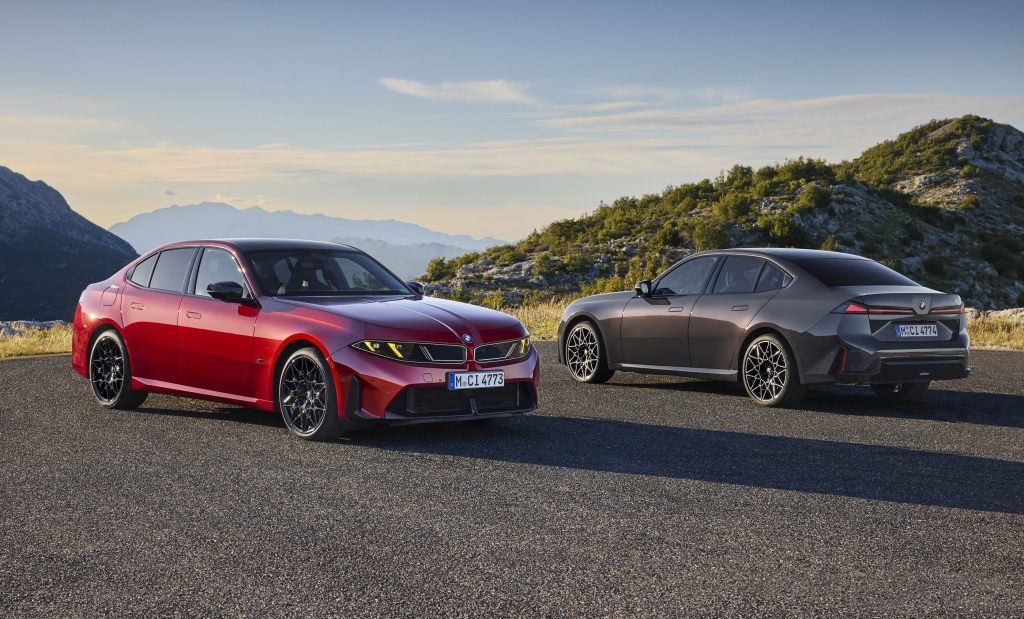
BMW currently builds the fully electric i3 at its Munich plant, while production of the petrol-powered 3 Series at Dingolfing is scheduled to begin in November 2026.
At the moment, there are no details yet about the new 3 Series’ tentative pricing and availability for the Malaysian market.