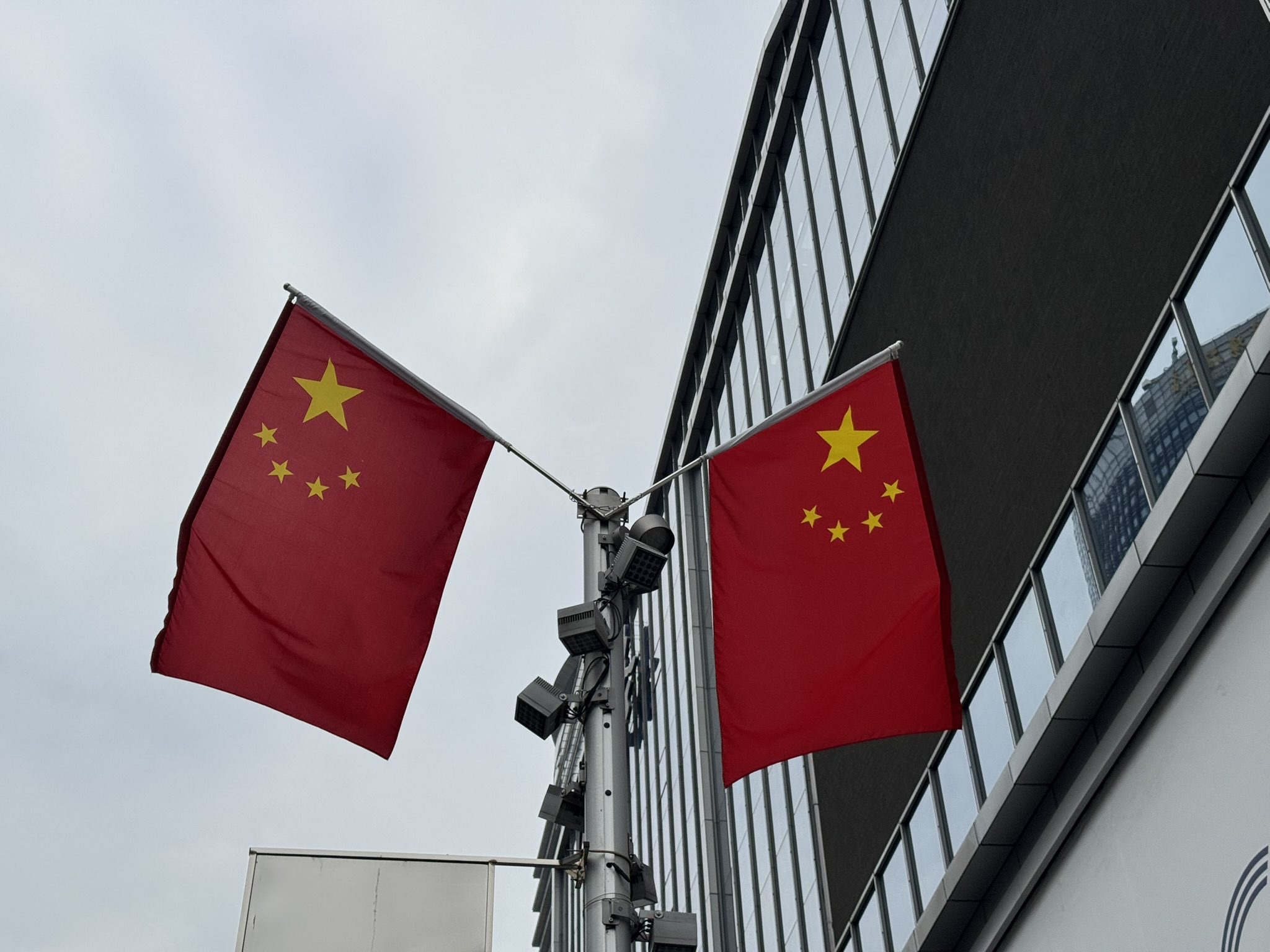
China is accelerating its efforts to remove foreign software from government systems.
The Chinese Ministry of State Security has instructed several state affiliated entities to uninstall Microsoft Windows from their desktop computers. This directive moves the retirement timeline for the software forward, pulling the plug months earlier than originally planned.
A customised operating system built for government use

The directive specifically targets Windows 10 China Government Edition.
This bespoke operating system was developed by C&M Information Technologies, a joint venture established in 2016 between Microsoft and state owned China Electronics Technology Group Corporation. Designed to meet strict state security standards, the build included localised activation mechanisms, supported Chinese cryptographic standards, and removed standard consumer services.
The specialised build was initially scheduled to reach end of life in February 2027. However, official directives have unexpectedly moved up the timeline to 2026. Microsoft stated that it is unaware of any security incidents affecting the product, noting that the software continues to receive regular security updates.
Domestic Linux options step up as replacements
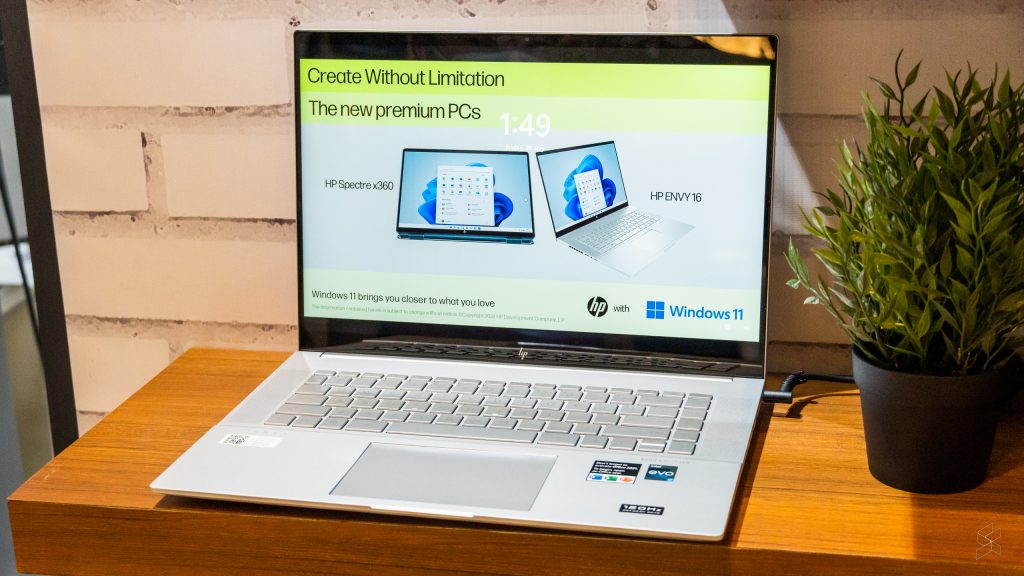
To replace Microsoft software, government agencies are transitioning to domestic operating systems based on Linux.
Linux is an open source Unix like operating system based on the Linux kernel. Highly favoured for its strong security capabilities and versatility, it powers the world’s 500 most powerful supercomputers and is maintained by a global open source community across hundreds of unique distributions.
While desktop alternatives are ready, swapping operating systems across state departments presents technical hurdles. Government agencies must complete application testing, driver validation, and staff retraining, alongside adapting software that relies on Windows. This transition currently applies strictly to government and state affiliated entities, meaning consumer versions such as Windows Home China 11 remain widely accessible to the public.
Cutting reliance on American technology
This move is part of China’s broader efforts in reducing reliance on US tech, with reasons related to data security concerns.
These actions highlight the ongoing economic tension and competitiveness between the US and China, as Beijing continues pushing for complete control over its critical infrastructure.