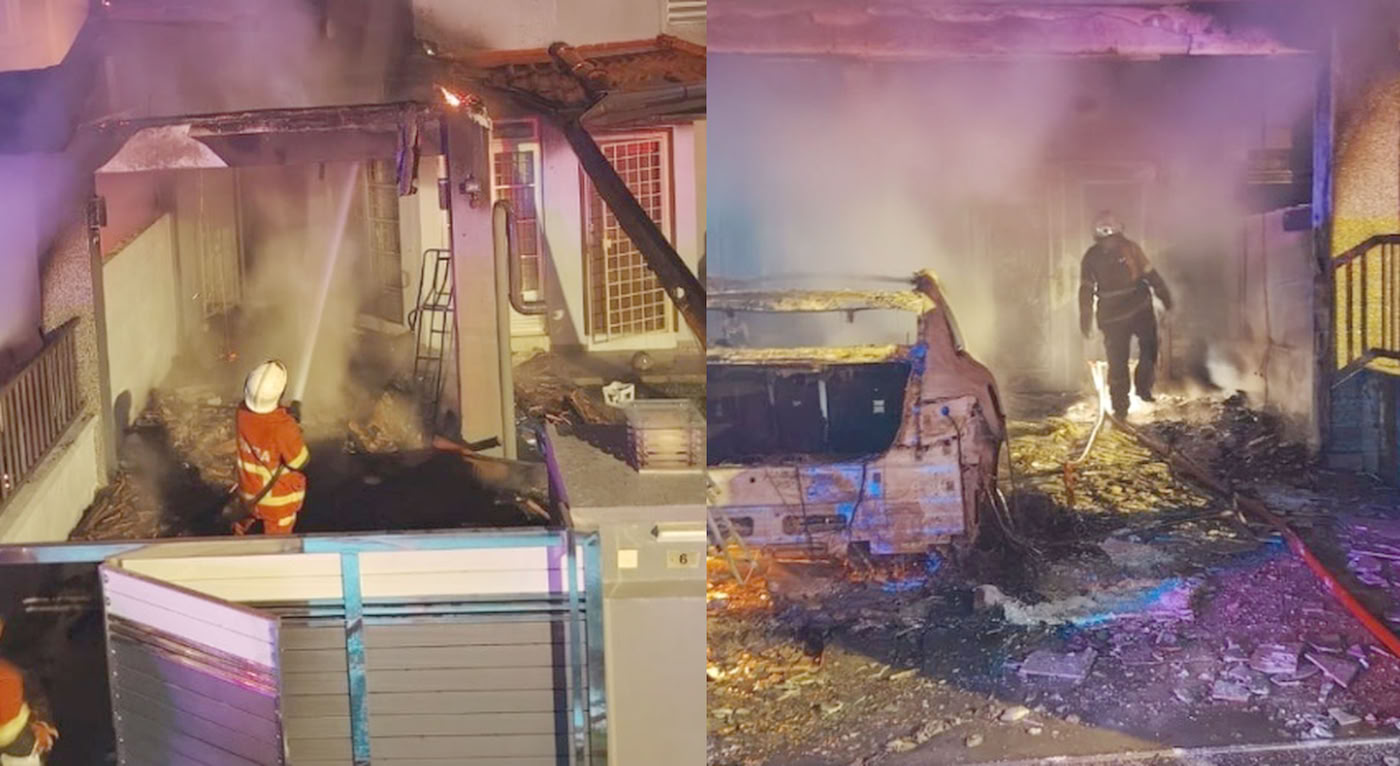
The recent fire involving an electric vehicle (EV) in Alam Damai, Cheras has raised questions about insurance coverage if something goes wrong while charging an EV at home.
If an EV or its charging equipment causes a fire, is your home actually covered? Following the recent incident, the General Insurance Association of Malaysia (PIAM) has issued a clarification on what Malaysian home and motor insurance policies generally cover, as well as several things EV owners should take note of.
The good news is that an EV-related fire isn’t automatically excluded from standard home insurance coverage. However, PIAM says homeowners should ensure that their property is adequately insured, notify their insurer when installing a permanent EV charger and make sure electrical installations comply with applicable requirements.
PIAM: Fire damage covered regardless of ignition source
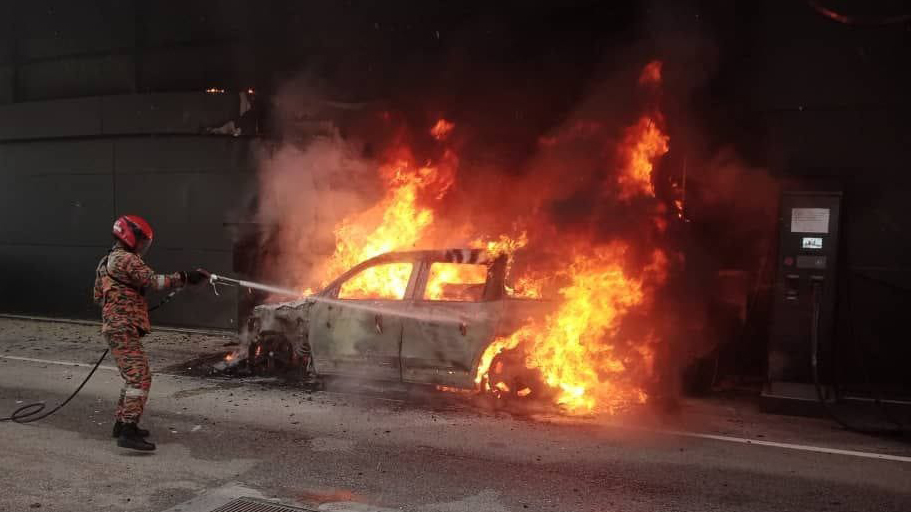
According to PIAM, standard Houseowner and Fire insurance policies in Malaysia cover specified perils including fire damage, regardless of the ignition source.
However, this remains subject to the policy’s terms, conditions and exclusions, and provided there is no fraud, deliberate act or other applicable breach of the policy conditions.
This is consistent with what PIAM CEO Chua Kim Soon told us when we asked about insurance coverage for EV-related fires earlier this year.

“So fire is a fire. It goes through the same phase, whether it is caused by an EV or caused by a short circuit. So if you have a fire policy protecting the building, then if there’s a fire even from an EV, that’s being covered. You need to make sure that the value for the building is adequately insured,” Chua said at the time.
PIAM had also previously clarified that an EV fire occurring within a building such as a condominium car park isn’t automatically excluded from fire insurance just because because an EV was involved.
Is your home EV charger covered by insurance?
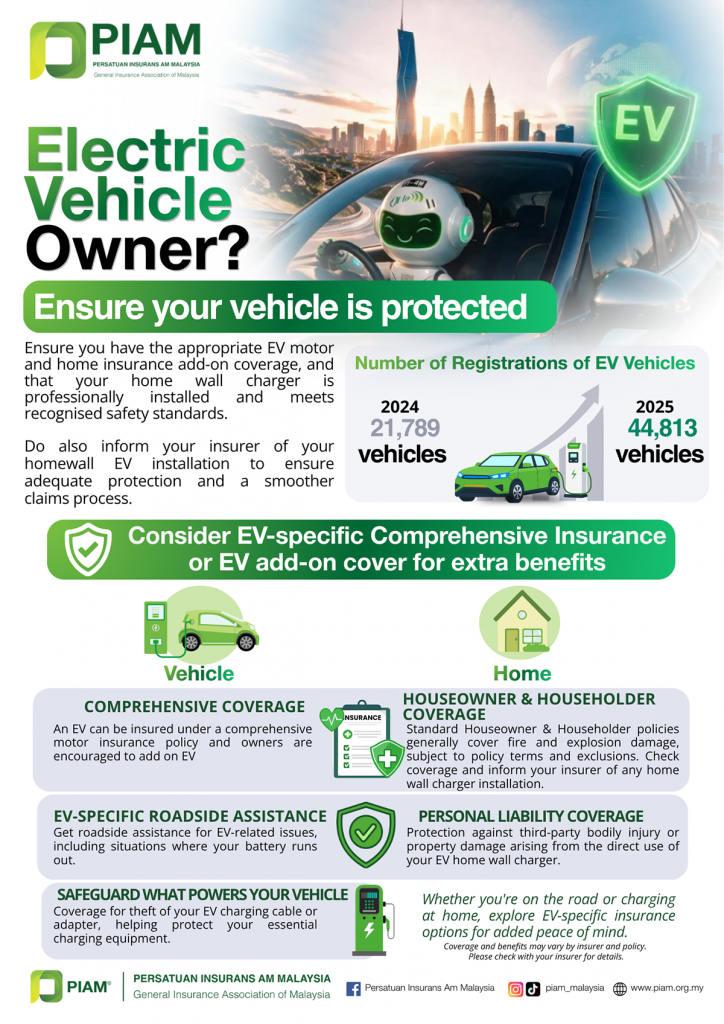
There is also the question of the EV charger itself. According to PIAM, a permanently installed or hard-wired EV charger may be categorised under the “buildings” section of a home insurance policy as fixtures and fittings.
Meanwhile, unattached or portable charging cables typically fall under specialised EV motor insurance policies or add-on packages offered by insurers.
PIAM also recommends EV owners to review both their motor and home insurance policies to identify potential gaps in coverage involving the vehicle, charging equipment and residential structure.
As coverage can vary between policies, homeowners and EV owners should check with their respective insurer on the applicable coverage and available add-ons.
Proper EV charger installation matters for insurance claims
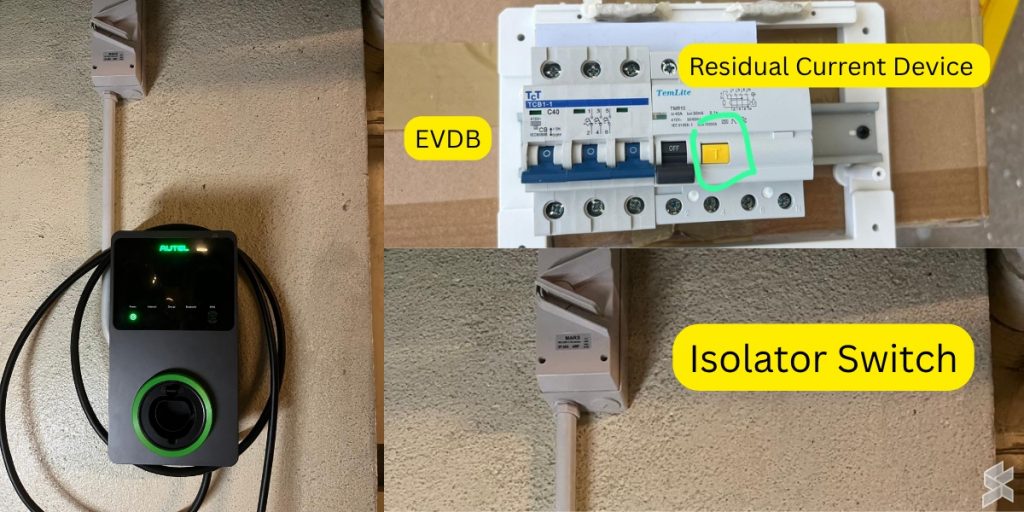
PIAM also highlighted the importance of electrical safety and professional installation of EV charger. According to the association, insurers require homeowners to take reasonable precautions and maintain electrical safety standards.
When assessing an insurance claim, insurers will evaluate official investigation reports, including those issued by the Jabatan Bomba dan Penyelamat Malaysia (BOMBA), to rule out deliberate acts such as arson and fraud, as well as non-compliance with statutory regulations.
PIAM has highlighted illegal or uncertified electrical modifications and installations as examples of potential non-compliance.
Inform your insurance if you’ve installed an EV Charger
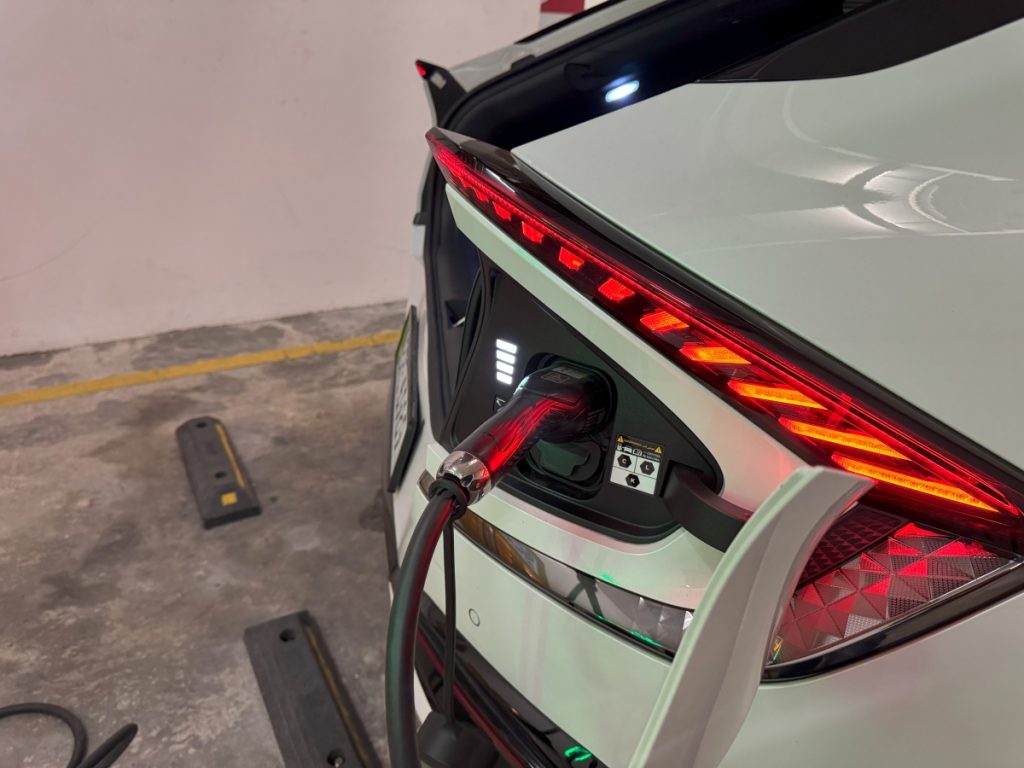
If you’ve installed an EV charger at home, PIAM strongly advises users to notify their insurer.
Besides providing clarity on coverage during a claim, declaring electrical upgrades ensures the property’s Sum Insured reflects current rebuilding costs.
Updating your home insurance is important to avoid underinsurance, where the insured amount may no longer adequately reflect the cost of rebuilding the property including home modifications and modern fixtures.
Homeowners can use PIAM’s Building Cost Calculator for guidance.
Evaluate Third-Party Liability
For those living in a terrace house, condominium or other property where a fire could spread to neighbouring premises, you may want to evaluate your public liability limits.
The standard Houseowner policy typically provides a limit of RM50,000 for public liability coverage and policy holders can purchase optional extensions to increase the liability limit.
What happened in the Alam Damai EV fire?
The latest clarification from PIAM comes after a fire involving an EV at a two-storey house in Alam Damai, Cheras earlier this week.
According to JBPM, the EV was reportedly charging on the porch when the incident occurred. The fire caused extensive damage to the house, while no injuries or casualties were reported.
At the time of our earlier report, the exact cause of the fire had not been officially confirmed. While images and videos of the aftermath appeared to show a Mercedes-Benz EQE, authorities had not officially identified the EV model. We had reached out to JBPM Kuala Lumpur and Mercedes-Benz Malaysia for an official response.
It is important not to assume that the EV or its charging equipment was the confirmed cause of the fire unless it is confirmed by the authorities.
[ SOURCE ]