
Malaysia’s long-awaited Freedom of Information (FOI) Bill was supposed to make it easier for the public to obtain information held by government agencies and to improve government transparency.
Instead, a coalition of civil society organisations (CSOs) is urging the government to withdraw the Bill, describing the draft as “incompetent” and warning that it could preserve secrecy rather than strengthen the public’s right to know.
In a joint statement issued by the Centre for Independent Journalism (CIJ), ARTICLE 19, the Center to Combat Corruption and Cronyism (C4 Center), along with several civil society organisations (CSOs), the groups described the proposed law as “deeply flawed and regressive”.
They argued that rather than establishing a genuine right for citizens to access government information, the Bill merely creates a restrictive administrative procedure for requesting information while maintaining existing barriers to disclosure.
What is the Freedom of Information Bill supposed to do?
A Freedom of Information (FOI) law is generally intended to give the public the legal right to get access information held by government agencies. Most FOI laws in other countries are built on the principle of “maximum disclosure”, where information held by public bodies should be accessible by default unless there is a legitimate reason to withhold it, such as national security or personal privacy.
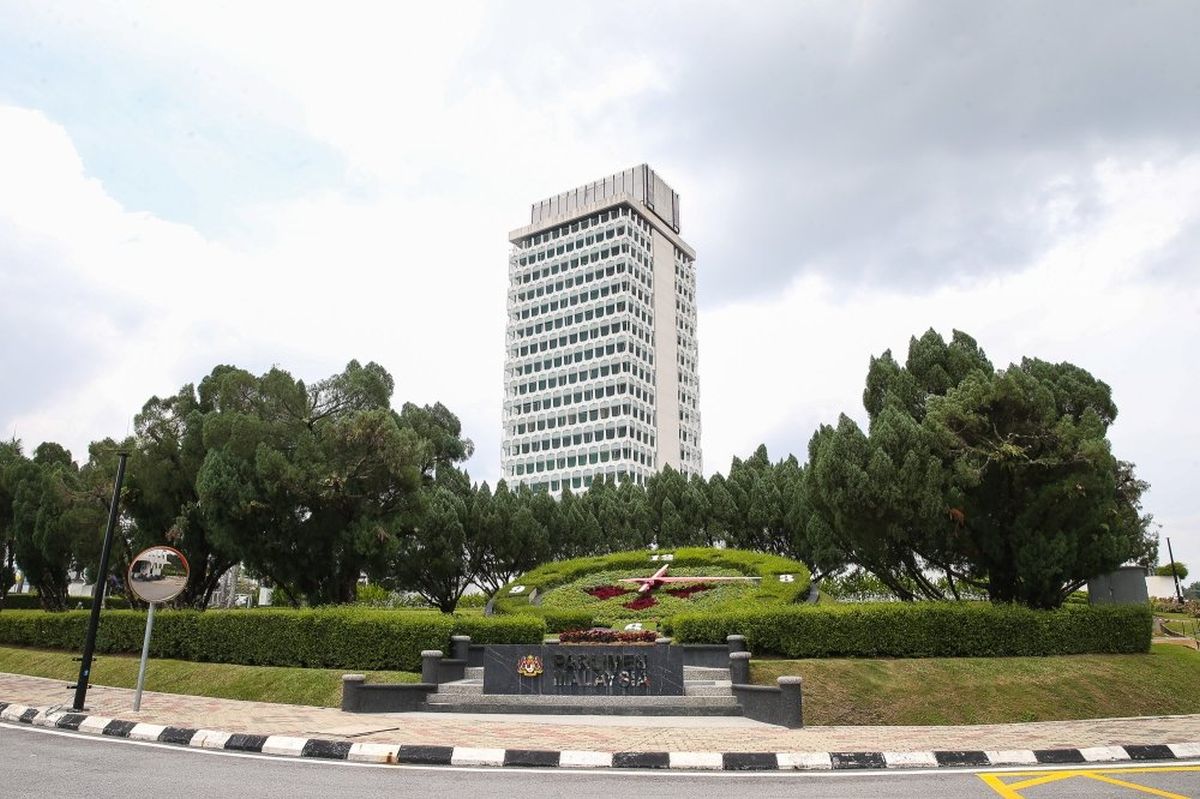
The Bill was recently tabled for its first reading in the Dewan Rakyat.
However, the CSOs argue Malaysia’s proposed Bill does not go far enough. They say the Bill is “purely procedural” as it only sets out the process for requesting government information, instead of giving Malaysians a legal right to access it.
Why are CSOs calling for the Bill to be withdrawn?
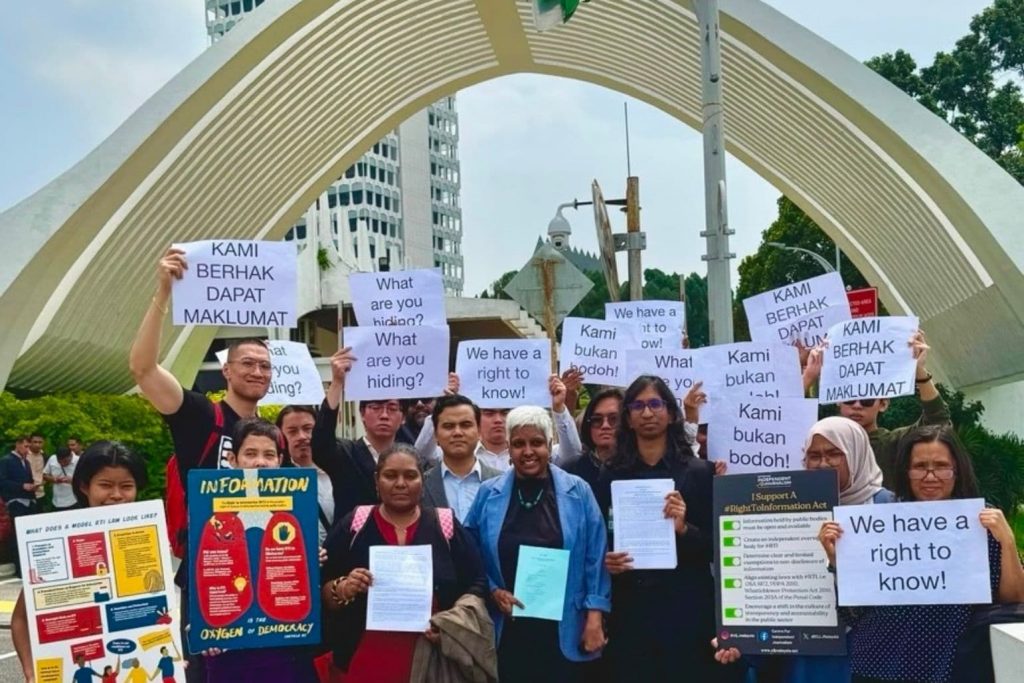
According to the coalition, several provisions in the Bill could significantly affect how Malaysians obtain government information.
The Official Secrets Act still takes precedence
One of the coalition’s biggest concerns is that the proposed law does not override existing secrecy laws, particularly the Official Secrets Act (OSA) 1972.
The groups say documents protected under the OSA and other written laws would remain outside the scope of the FOI Act. As a result, they say the government is effectively chosen to legitimise and perpetuate its decades of excessive culture of secrecy rather than to dismantle it.
Broad exemptions could keep important information hidden
The coalition also argues that the Bill creates broad categories of exempt information. This includes internal government advice, deliberations, commercial interests and information supplied by third parties.
According to the groups, the Bill also omits two key safeguards found in many FOI laws. This includes having the authorities to show that disclosure would cause substantial harm before information may be withheld. There’s also lacking meaningful public interest override when disclosure is required when the public interest in transparency outweighs any potential harm.
So this means, information that may expose corruption, abuse of power, environmental harm, threats to public health or the misuse of public funds may remain hidden simply because it falls within one of the broad exemptions.
You’ll need to explain why you want the information
Perhaps one of the biggest concerns is that applicants would need to state why they want the information.
Under the proposed Bill, requests for information must be purpose-driven. This means applicants may need to demonstrate a “proper and tangible interest” in order to obtain the requested information. On top of that, access is limited to citizens above 18 years old and is subject to identity verification.
The accompanying analysis says this differs from international best practice, where applicants generally do not need to explain or justify why they are requesting government information.
You could face criminal penalties for using the information differently
The coalition also highlights a provision that many Malaysians may not expect. According to the groups, the Bill also introduces criminal liability if someone uses information obtained under the Act for a purpose different from the one originally stated in their request.
The CSOs argue that the restriction will deter journalists, researchers, whistleblowers and ordinary citizens from making the requests for fear of prosecution.
It added that criminalising the subsequent use of lawfully obtained information undermines meaningful access and discourages legitimate public scrutiny. This they say is fundamentally incompatible with the principles of open government and freedom of expression.
Clause 22 says the Act does not create a constitutional right
The coalition also highlights Clause 22 where nothing in the Act should be construed as creating a fundamental liberty under Part II of the Federal Constitution.
The groups argue this could prevent the law from strengthening constitutional protections relating to freedom of expression and access to information, while also raising concerns about judicial independence because it seeks to limit how courts interpret constitutional rights.
Questions over the proposed Ombudsman
The Bill proposes an Ombudsman as the external review body for information requests.
However, the coalition notes that the Ombudsman Bill itself has yet to be passed by Parliament. They also argue that the an oversight body that cannot review the most controversial refusals is not an effective guardian of transparency, nor will it be able to provide meaningful accountability.
It also said that the incomprehensible nature of these provisions reaffirms that this Bill was drafted shoddily and carelessly, despite such a long period of development.
CSOs want Parliament to review the Bill first
Instead of proceeding with the Bill in its current form, the coalition calls upon the government to refer it to a Parliamentary Special Select Committee for a comprehensive clause-by-clause scrutiny involving civil society organisations, media representatives, academics, the legal profession and all relevant stakeholders.
The groups argue that Malaysia deserves a Freedom of Information law that genuinely strengthens transparency and aligns with international standards, rather than one that merely creates the appearance of openness while preserving existing secrecy laws.
[ SOURCE, IMAGE SOURCE ]