• 中文版
  • BM
  • News
  • Deals
  • Reviews
    • First Impressions
    • Hands-on
    • Comparisons
  • Tech
    • Mobile
    • Computers
    • Cameras
    • Wearables
    • Audio
    • Drones
  • Telco
    • Celcom
    • Digi
    • Maxis
    • Time
    • Tune Talk
    • U Mobile
    • Unifi
    • Yes
  • Cars
  • Contribute
  • Jobs
Menu
  • 中文版
  • BM
  • News
  • Deals
  • Reviews
    • First Impressions
    • Hands-on
    • Comparisons
  • Tech
    • Mobile
    • Computers
    • Cameras
    • Wearables
    • Audio
    • Drones
  • Telco
    • Celcom
    • Digi
    • Maxis
    • Time
    • Tune Talk
    • U Mobile
    • Unifi
    • Yes
  • Cars
  • Contribute
  • Jobs
Search
  • Tech
    • News
    • Mobile
    • Computers
    • Cameras
    • Wearables
    • Audio
    • Drones
  • Telco
    • Celcom
    • Digi
    • Maxis
    • Time
    • U Mobile
    • Unifi
    • Yes
  • Reviews
    • First Impressions
    • Hands-on
    • Comparisons
  • Buyer’s Guide
  • Opinions
  • Digital Life
  • Video
  • Deals
  • How-To
  • Cars
  • Bahasa Melayu
  • EV
  • Contribute
  • Advertise
Menu
  • Tech
    • News
    • Mobile
    • Computers
    • Cameras
    • Wearables
    • Audio
    • Drones
  • Telco
    • Celcom
    • Digi
    • Maxis
    • Time
    • U Mobile
    • Unifi
    • Yes
  • Reviews
    • First Impressions
    • Hands-on
    • Comparisons
  • Buyer’s Guide
  • Opinions
  • Digital Life
  • Video
  • Deals
  • How-To
  • Cars
  • Bahasa Melayu
  • EV
  • Contribute
  • Advertise
Search
Close
Home Digital Life

How did RM7.1 million in NFTs get stolen through a phishing incident?

  • BY Dzamira Dzafri
  • 22 February 2022
  • 10:17 am
  • Comment
Share on FacebookShare on Twitter

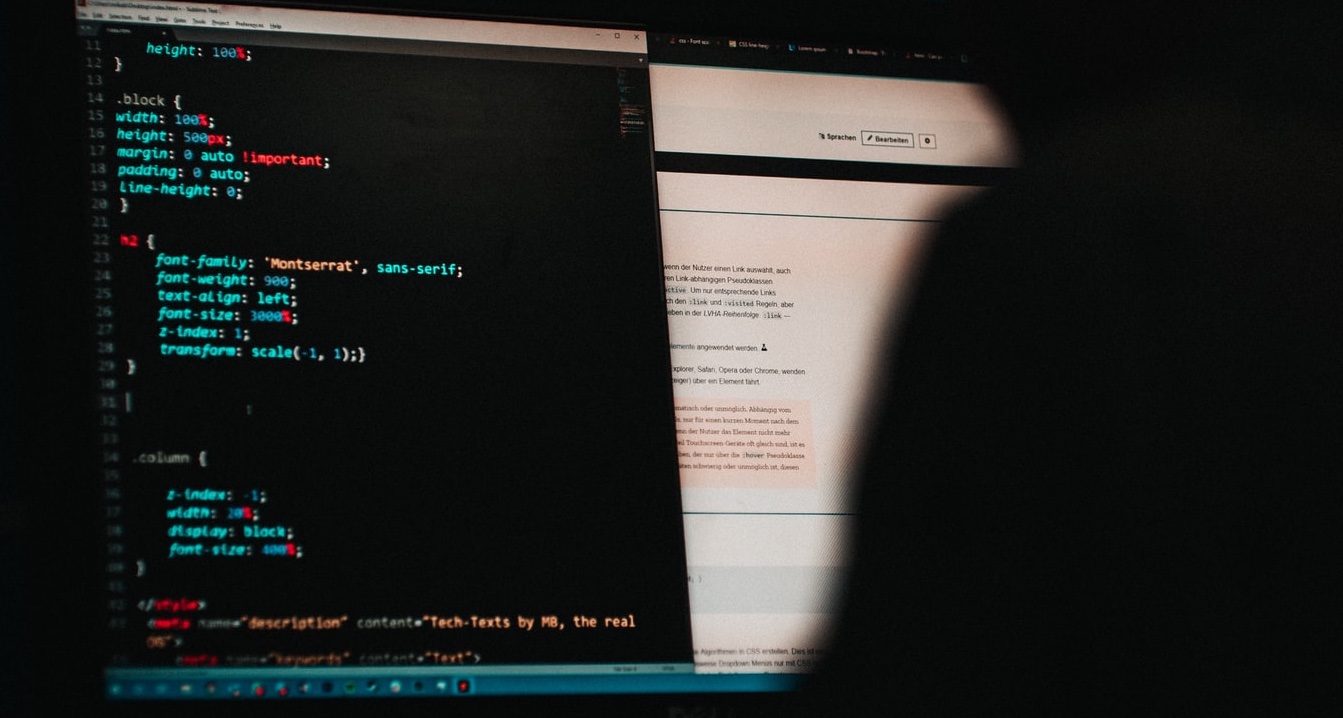
Last Saturday, Devin Finzer, co-founder and CEO of OpenSea—the “largest” non-fungible token (NFT) marketplace—tweeted to confirm of a phishing incident involving 254 stolen tokens. A hacker has tricked 32 victims into signing “a malicious payload” that authorised the transfer of their NFTs to the attacker for free.

As far as we can tell, this is a phishing attack. We don’t believe it’s connected to the OpenSea website. It appears 32 users thus far have signed a malicious payload from an attacker, and some of their NFTs were stolen.

— Devin Finzer (dfinzer.eth) (@dfinzer) February 20, 2022

“I know you’re all worried. We’re running an all hands on deck investigation,” said Finzer.

Blockchain security service PeckShield compiled the list of the 254 tokens stolen over the course of the attack, with an estimated value of more than USD 1.7 million (RM7.1 million). The tokens included tokens from Decentraland—a 3D virtual world where users can buy virtual plots of land in the platform as NFTs—and Bored Ape Yacht Club—which in one way or another resulted in this really creepy interview on Jimmy Fallon.

Finzer added that he doesn’t believe that the attack is “connected to the OpenSea website”. However, the attack occurred during OpenSea’s migration to its new Wyvern smart contract system—a “decentralized digital asset exchange protocol running on Ethereum”. The migration began on Friday and will only be completed by 25 February.

“The upgrade ensures that old, inactive listings expire, enables bulk cancellation with a single, low-cost transaction, and allows us to roll out new features like bulk cancellation and more descriptive signatures,” wrote Finzer.

Finzer also linked a Twitter thread explaining how the attack happened. The targets first signed a partial contract, with a general authorisation and large portions left blank. With their signatures, the attacker completed the contract on ther own, which allowed them to transfer ownership to the NFTs without payment. But this didn’t explain the method attackers used to get targets to sign the half-empty contract. 

“We’re actively working with users whose items were stolen to narrow down a set of common websites that they interacted with that might have been responsible for the malicious signatures,” said Finzer.

Phishing incidents on the internet are sadly quite common, but it’s probably the first time I’m hearing about a major phishing incident involving something and new and lawless like NFTs. It’s always important to remember not to sign anything you don’t fully trust, or give any of your important information either.

[ SOURCE, IMAGE SOURCE ]

Related reading

  • This is the environmental impact of NFTs
  • Scammers are using Facebook and dodgy APK files to steal your money. Here’s what Maybank wants you to do
Tags: NFTNFT hackerNFT phishingNFT stolenNFTs
Dzamira Dzafri

Dzamira Dzafri

POPULAR

How did RM7.1 million in NFTs get stolen through a phishing incident?

February 22, 2022
Rear view of the OPPO Find X9 Ultra in Tundra Umber standing vertically on a stone surface with a lush green bokeh background. The device features an eco-friendly vegan leather back with a classic stitching design , vertically oriented Hasselblad and OPPO logos , and a large circular Master Lens camera module with a bronze-toned knurled ring.

Clearing Every Expectation: How the OPPO Find X9 Ultra Redefines the Modern Flagship Experience

April 16, 2026

SoyaCincau x Dongfeng Pop Up EV Clinic: Track Edition 2026: Chase a podium or cruise with friends; we’re opening the grid to everyone

May 13, 2026

Volvo EX30 owners affected by recall told not to charge above 70% following two fire incidents in Thailand

May 19, 2026
BYD Inokom Visit - May 2026

BYD is here to stay in Malaysia: CKD with Sime Motors set to happen soon?

May 18, 2026

Eastel Prepaid now available via TNG eWallet, offers 100GB 5G data from RM25/month

May 19, 2026

Copyright © 2025 · SoyaCincau.com
Mind Blow Sdn Bhd (1076827-P)

  • ADVERTISE
  • DISCLAIMER

Copyright © 2026 · SoyaCincau.com – Mind Blow Sdn Bhd (1076827-P)

  • ADVERTISE
  • DISCLAIMER