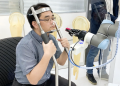
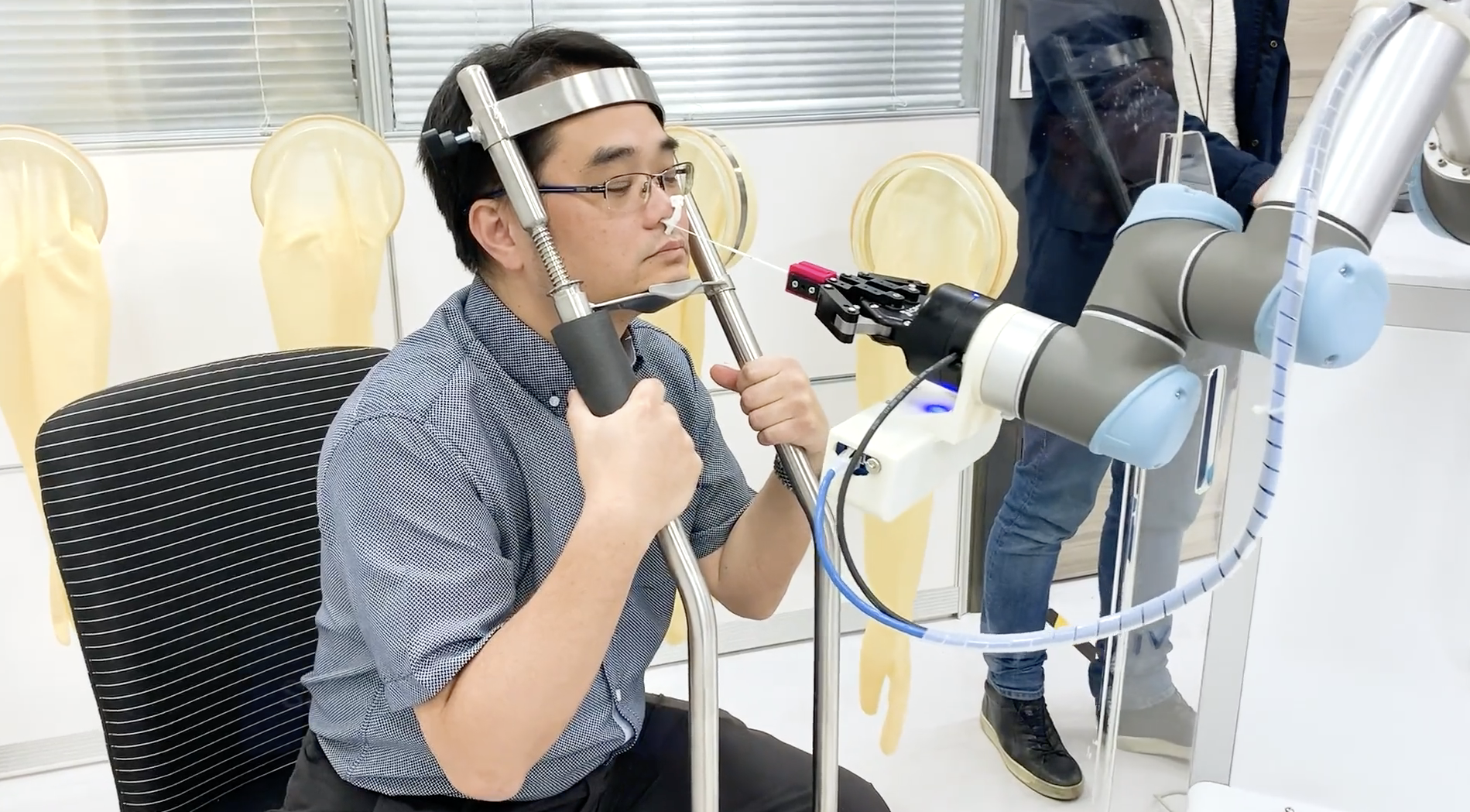
The way you get checked for COVID-19 is infamously unpleasant. But would you let a robot specially invented by Taiwanese medtech startup Brain Navi to do the job instead of a medical professional?
Usually, to check for COVID-19, a medical professional will stick a long cotton swab deep through your nose to reach your nasal cavity. They’ll give it a good swirl before pulling it back up and out of your nose.
I thankfully have not yet been ‘swabbed’ (and I’d like to keep my nose swab free for as long as possible). But if I did have to get checked, I wouldn’t know if I would be more comfortable with a robot doing the swabbing.
I could barely watch the video without wincing. It walks us through the steps to get yourself swabbed, including wearing a nasal clip, attaching your head to a chin holder, and—what I hated the most—having the swab stay inside your nose for ten whole seconds for “high quality secretion”.
Brain Navi mentions that even their founder Jerry Chen Chieh-Hsiao said that he was “terrified” when he was the first one to have a nasal swab from the robot. But the company says that “if we can get over our first impressions of a robot wielding a cotton swab, it may benefit us all.”
The robot was adapted from Brain Navi’s main product, which is an industrial robot arm that helps prepare patients for brain surgery. Though the swab machine has only been tested on Brain Navi’s own employees, it has been approved for its own trials.
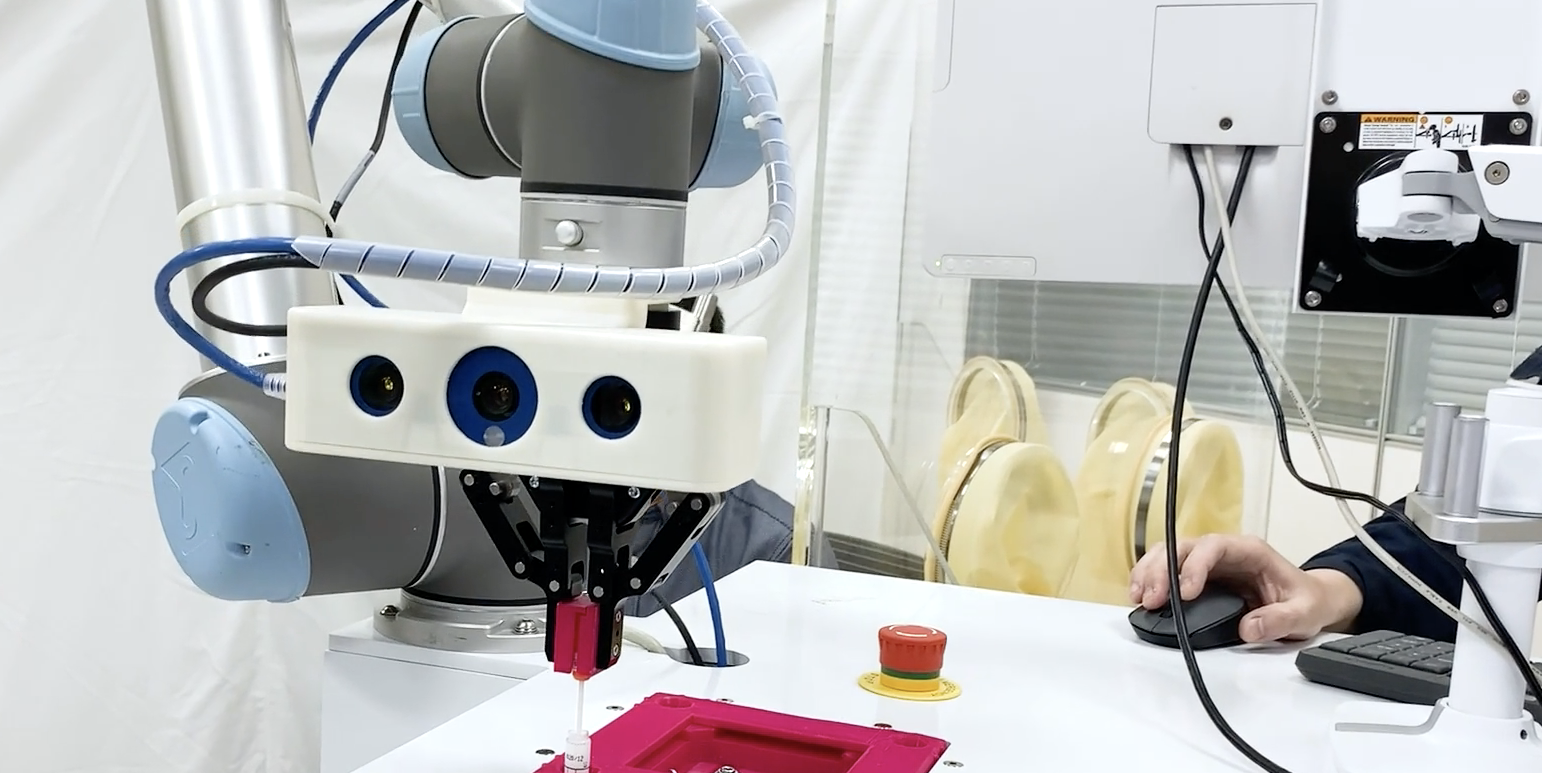
Andrew Lane, director at the Johns Hopkins Sinus Center, said that the basic concept was reasonable and interesting. But he would want to see more details about the machine’s safety procedures, especially when it comes to navigating the nasal cavity.
“Nasal anatomy can be variable—the nasal septum is often deviated to one side or the other, and there are structures in the nose that can vary in size and shape. As a result, it is necessary to insert the nasopharyngeal swab carefully with attention to whether resistance is being met and/or the patient is feeling pain. With the head somewhat restrained, my concern would be that the machine might either malfunction or simply be improperly designed, such that the swab goes somewhere that it shouldn’t,” said Lane.
However, this solution can help reduce the risk of exposure of medical staff. Machines like the Makcik Kiah robot—the first Malaysian-made delivery robot designed to assist the delivery of healthcare to patients with COVID-19—have been invented so that medical frontliners aren’t at higher risk of getting infected.
Even though the robot is still in trial, I doubt it can measure how comfortable a patient is, or how in pain they are—but at least it’ll be less painful than that scene in Total Recall. For now, if we want to avoid having swabbed, keep safe, keep clean, always wash your hands, wear a mask and keep up with the latest health guidelines by WHO and the Ministry of Health.
[ SOURCE, IMAGE SOURCE ]