• 中文版
  • BM
  • News
  • Deals
  • Reviews
    • First Impressions
    • Hands-on
    • Comparisons
  • Tech
    • Mobile
    • Computers
    • Cameras
    • Wearables
    • Audio
    • Drones
  • Telco
    • Celcom
    • Digi
    • Maxis
    • Time
    • Tune Talk
    • U Mobile
    • Unifi
    • Yes
  • Cars
  • Contribute
  • Jobs
Menu
  • 中文版
  • BM
  • News
  • Deals
  • Reviews
    • First Impressions
    • Hands-on
    • Comparisons
  • Tech
    • Mobile
    • Computers
    • Cameras
    • Wearables
    • Audio
    • Drones
  • Telco
    • Celcom
    • Digi
    • Maxis
    • Time
    • Tune Talk
    • U Mobile
    • Unifi
    • Yes
  • Cars
  • Contribute
  • Jobs
Search
  • Tech
    • News
    • Mobile
    • Computers
    • Cameras
    • Wearables
    • Audio
    • Drones
  • Telco
    • Celcom
    • Digi
    • Maxis
    • Time
    • U Mobile
    • Unifi
    • Yes
  • Reviews
    • First Impressions
    • Hands-on
    • Comparisons
  • Buyer’s Guide
  • Opinions
  • Digital Life
  • Video
  • Deals
  • How-To
  • Cars
  • Bahasa Melayu
  • EV
  • Contribute
  • Advertise
Menu
  • Tech
    • News
    • Mobile
    • Computers
    • Cameras
    • Wearables
    • Audio
    • Drones
  • Telco
    • Celcom
    • Digi
    • Maxis
    • Time
    • U Mobile
    • Unifi
    • Yes
  • Reviews
    • First Impressions
    • Hands-on
    • Comparisons
  • Buyer’s Guide
  • Opinions
  • Digital Life
  • Video
  • Deals
  • How-To
  • Cars
  • Bahasa Melayu
  • EV
  • Contribute
  • Advertise
Search
Close
Home News

Smartphones are using too many cameras, now Sony struggles to keep up with demand

  • BY Alexander Wong
  • 26 December 2019
  • 5:43 pm
  • Comment
Share on FacebookShare on Twitter

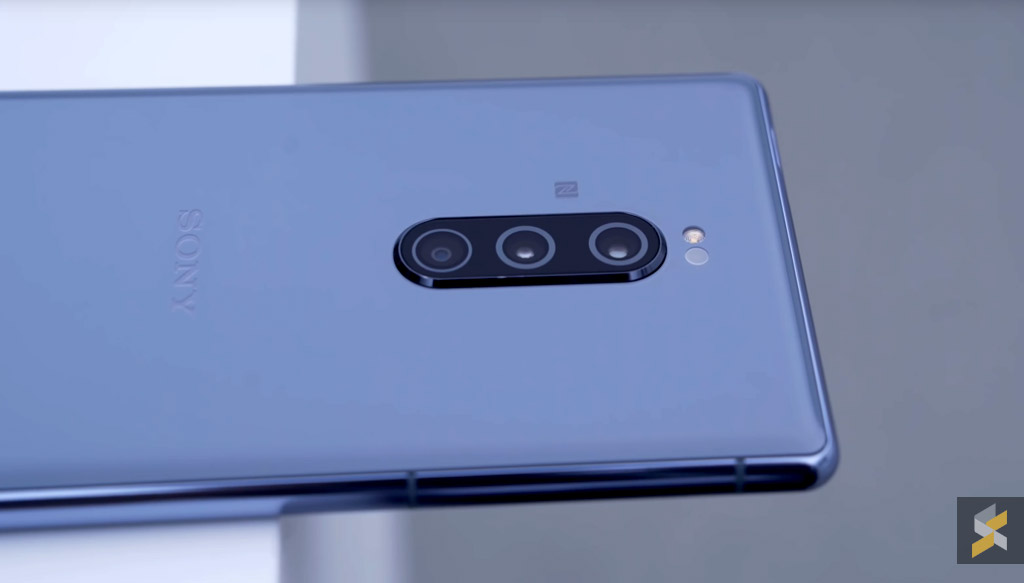
Once upon a time, smartphones generally come with a single rear camera plus a smaller unit in front for selfies. With the growing demand for multi-camera setup to deliver greater versatility, most new smartphones are now equipped with at least three cameras at the rear. This is good news for Sony, which makes image sensors, but now they are struggling to keep up with demand.

According to Bloomberg’s report, Sony is working around the clock to manufacture its image sensor for mobile devices. However, demand is so high at the moment that even a 24-hour operation isn’t enough to generate the supplies needed. It added that Sony is running its factories through the holidays for the second straight year just to keep up with demand.

To anticipate higher demand, Sony is doubling its capital spending on its imaging business to JPY 280 billion (about RM10.5 billion) in this fiscal year and they are also building a new plant in Nagasaki to increase production. The new plant is expected to go online in April 2021.

Terushi Shimizu, the head of Sony’s semiconductor unit, said “Judging by the way things are going, even after all that investment in expanding capacity, it might still not be enough.” He also apologised to its customers because they just can’t make enough.

According to Bloomberg Intelligence’s analyst, Masahiro Wakasugi, cameras have become the biggest differentiator for smartphone brands and Sony is riding that wave of demand very well. The semiconductor unit is Sony’s most profitable business after the PlayStation.

After recording almost 60% increase in Q2 profits, Sony has increased its operating income outlook for the unit by 38% to JPY 200 billion for its fiscal year ending in March 2020. Sony expects its revenue from semiconductors to increase by 18% to JPY 1.04 trillion with 86% coming from image sensors alone.

At the moment, Sony commands 51% of the image sensor market in terms of revenue and they are targeting to increase this figure to 60% by fiscal 2025. If you look around, there are plenty of 48MP smartphones in the market that uses Sony’s IMX586 sensor. Even Apple’s latest iPhone 11 series is also using Sony’s image sensors.

Samsung, which is a direct competitor, is also boosting its production to keep up with demand. The Korean manufacturer currently has the highest pixel count for smartphone cameras with its 108MP ISOCELL Bright HMX sensor. For the upcoming Galaxy S11 (or Galaxy 20), Samsung is expected to introduce a better 108MP sensor that will be exclusive to their flagship series.

[ SOURCE ]

Related reading

Huawei P30 Pro uses Sony sensors for all four cameras
Here are sample shots taken with the Honor View 20’s 48MP camera
Samsung announces the world’s first mobile image sensor that exceeds 100MP
Tags: MobileSonySony Semiconductor
Alexander Wong

Alexander Wong

POPULAR

Smartphones are using too many cameras, now Sony struggles to keep up with demand

December 26, 2019
Rear view of the OPPO Find X9 Ultra in Tundra Umber standing vertically on a stone surface with a lush green bokeh background. The device features an eco-friendly vegan leather back with a classic stitching design , vertically oriented Hasselblad and OPPO logos , and a large circular Master Lens camera module with a bronze-toned knurled ring.

Clearing Every Expectation: How the OPPO Find X9 Ultra Redefines the Modern Flagship Experience

April 16, 2026

SoyaCincau x Dongfeng Pop Up EV Clinic: Track Edition 2026: Chase a podium or cruise with friends; we’re opening the grid to everyone

May 13, 2026

Volvo EX30 owners affected by recall told not to charge above 70% following two fire incidents in Thailand

May 19, 2026
BYD Inokom Visit - May 2026

BYD is here to stay in Malaysia: CKD with Sime Motors set to happen soon?

May 18, 2026

Eastel Prepaid now available via TNG eWallet, offers 100GB 5G data from RM25/month

May 19, 2026

Copyright © 2025 · SoyaCincau.com
Mind Blow Sdn Bhd (1076827-P)

  • ADVERTISE
  • DISCLAIMER

Copyright © 2026 · SoyaCincau.com – Mind Blow Sdn Bhd (1076827-P)

  • ADVERTISE
  • DISCLAIMER