
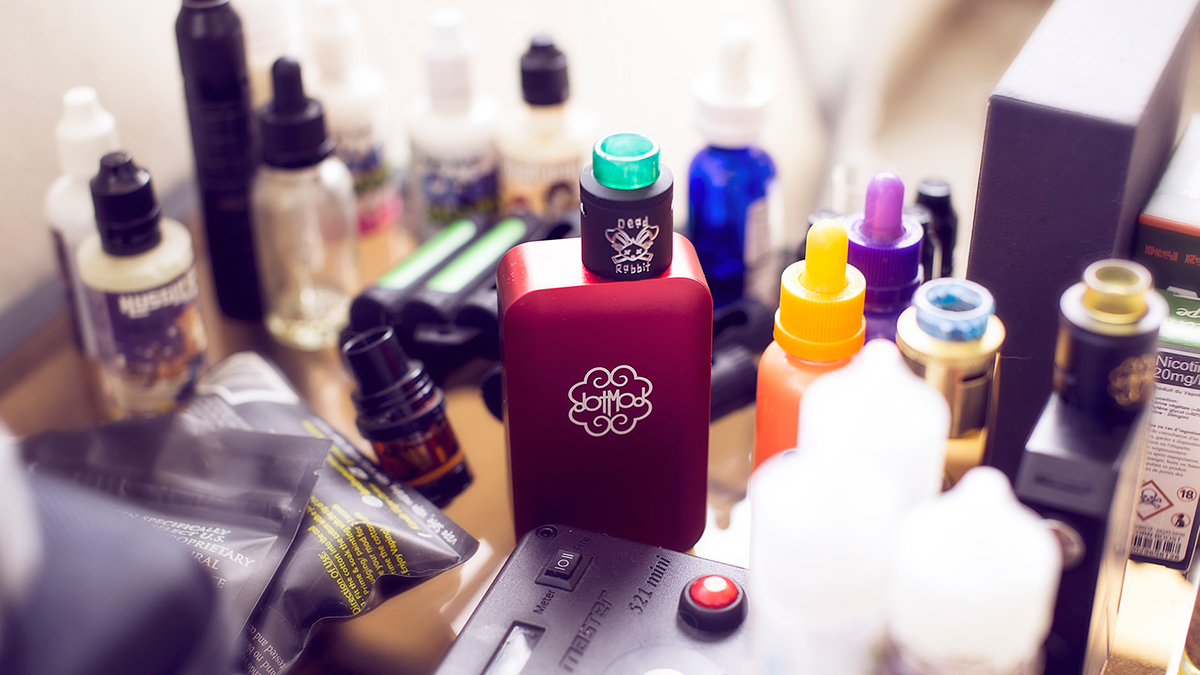
A recent mysterious illness linked to the use of e-cigarettes, or vapes as they’re commonly known as, has been under investigation by the Centers for Disease Control and Prevention (CDC), with forty-two deaths reported in the U.S. as of November 13, 2019.
The CDC has now identified a component in the liquids used in vapes—e-juice—as a “chemical of concern” in their investigation: vitamin E acetate. The health agency explains that while vitamin E is a vitamin found in many foods and cosmetic products, the inhalation of the component may “interfere with normal lung functioning”.
According to the report, vitamin E acetate is added to vaping products as a thickening agent—most notably in tetrahydrocannabinol (THC)-containing products. This certainly doesn’t mean that vaping liquids that do not contain THC (a cannabinoid found in cannabis that provides users with a euphoric high) are 100% safe, but the CDC explains:
“THC is present in most of the samples tested by FDA to date, and most patients report a history of using THC-containing e-cigarette, or vaping, products.”

It’s also worth noting that the study also found nicotine in 62% of samples submitted for the study, with 82% of the samples containing THC. However, it appears that vitamin E acetate is being used as a thickening agent for vape liquids due to its resemblance to THC oil.
“This is the first time that we have detected a chemical of concern in biologic samples from patients with these lung injuries. These findings provide direct evidence of vitamin E acetate at the primary site of injury within the lungs.”
In addition to that, many of the products linked to the outbreak are THC-containing products obtained informally—online, through friends or family—and as such, the CDC is advising the public to stay away from non-reputable sources.
“CDC recommends that people should not use e-cigarette, or vaping, products that contain THC, particularly from informal sources like friends, or family, or in-person or online dealers. Until the relationship of vitamin E acetate and lung health is better understood, vitamin E acetate should not be added to e-cigarette, or vaping, products. In addition, people should not add any substance to e-cigarette or vaping products that are not intended by the manufacturer, including products purchased through retail establishments.”
Unfortunately, the e-cigarette industry is one that remains largely unregulated. In Malaysia, e-cigarette products such as e-juices are sold freely in stores and via online platforms, with little to no oversight. THC products, it must be said, are banned in Malaysia. Federal drug laws here are amongst the most severe and rigid in the region, if not the world.
[ SOURCE , IMAGE SOURCE ]