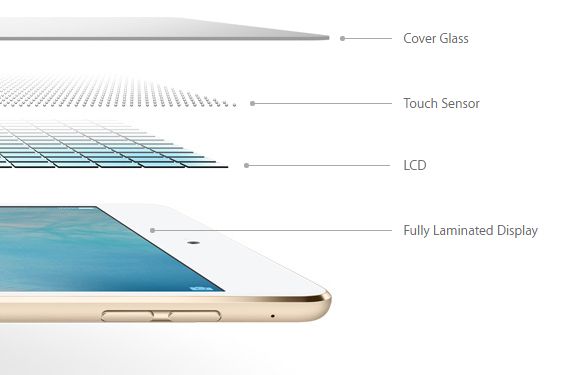
Wild murmurous have been spreading that the new generation of iPhones and iPads might sport an organic light-emitting diode (OLED) display. A big change for Apple, since they’ve maintained LCD panels across all their mobile devices so far. It’s quite surprising who they allegedly reached-out to supply their newer displays.
These amazing displays already live on their wearables, the Apple Watch; with the OLED display supplied by non-other than LG. The Korean manufacturer has been at the forefront of commercial OLED technology, incorporating them into their TVs, as of recently. Subsequently, Apple may lean towards another supplier/competitor (Samsung) if they’re considering to bring the same screens to their bigger devices.
Facing a tough pickle in the form of relying on one another, Apple and Samsung have never been too cosy; if you remember the tennis match of lawsuits going across the two. But realistically, Apple needs Samsung (and vice versa) to produce their great devices. Hardware from one end gets used on the other, a win-win situation for both parties and the chip-gate issue might not cause a rift after all, if this source is true.
What’s so great about OLEDs, compared to the rest? Well for one, LEDs and OLEDs both work by transmitting light but the latter is more efficient by operating as the sole lighting source, as well as providing the colour; LEDs only provide the white back light (if you’ve come across screen bleeding, this is why).
Other than screen bleeding it gives other perks as well:
Reduced power consumption – no external components to supply back light, as compared to LEDs that produce “black” pixels by closing the shutters that emit the pixel. OLEDs merely just turn off the pixel as a whole, making the blacks as true as can be and save energy at the same time.
Improved picture quality – better self-provided colour filters that produce true blacks and a wider colour gamut. Higher contrast ratios, thanks to being able to turn off a pixel independently. Better refresh rate, (in theory) from 480Hz to 100,000Hz and greater viewing angles.
Sturdier, more durable and lighter – Removing the back light and shutter arrays will allow suppliers to replace the easy cracked glass with stronger and lighter plastic. Given the technology, you could even print OLEDs onto other malleable surfaces – once not possible before.
Price – yes, this might not be an advantage at the moment of writing, but as technology improves it can only get cheaper to make. LG just released an OLED TV and it easily costs almost 6 times more than a similar calibre LED displayed TV.
There are always trade offs with innovation and you can read about the shortcomings of OLEDs here.
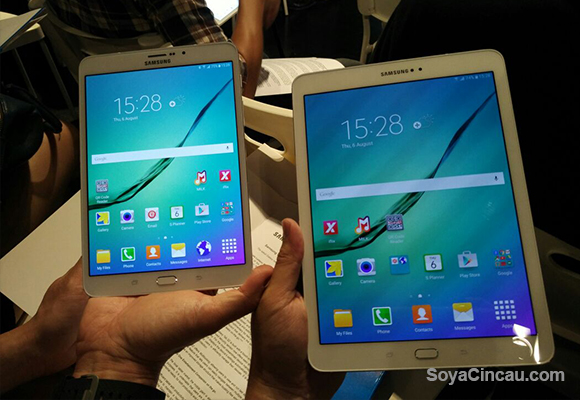
OLEDs / AMOLEDs have seen a higher adaptation rate in today’s market, and it’s clear that they provide a superior viewing experience. Apple could be easily testing their on devices with the better displays behind the curtain but don’t think that they’d let the cat out of the bag so easily.
Would you hope on Apple hopping on OLEDs so soon? Let us know in the comments below.