

Malaysia is seeing a massive surge in tech investments, particularly in semiconductors, artificial intelligence data centres, and digital infrastructure.
While this boom is pushing the economy forward, institutional oversight is struggling to keep pace.
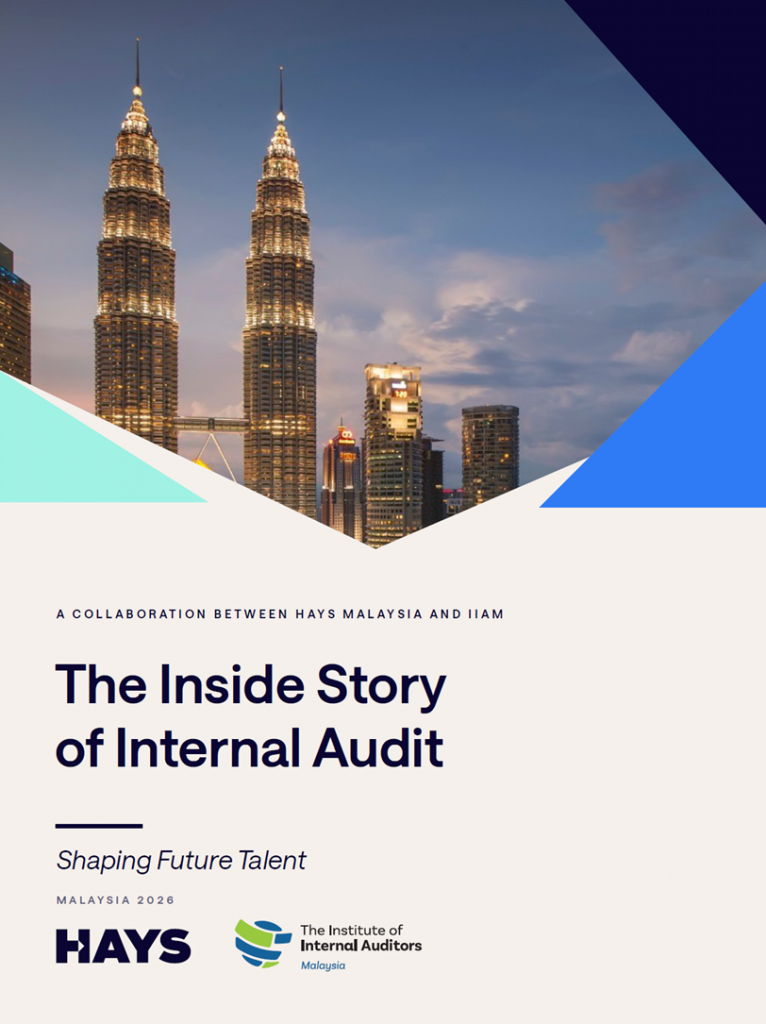
According to a joint report by the Institute of Internal Auditors Malaysia (IIAM) and recruitment consultancy Hays Malaysia, titled “The Inside Story of Internal Audit Malaysia 2026”, local corporate governance needs urgent talent upgrades to keep up with this rapid growth.
Internal audit evolves into a strategic business partner
The joint report highlights that as Malaysia targets becoming an AI Nation by 2030, governance professionals must evolve alongside software engineers and data scientists.
IIAM President Suhailah Mohamed Abdulla noted that modern auditors must actively challenge business assumptions and guide strategy.
However, growing complexities in technology, cybersecurity, and data management are putting severe pressure on local governance teams across both public and private sectors.
High AI adoption masked by critical skill gaps

Digital tools are becoming standard practice across Malaysian organisations, with nearly 70% of audit teams using advanced analytics or AI.
In the financial services sector, adoption jumps to 85%. Auditors rely on these technologies mainly for automated testing, data analysis, and documentation using tools such as Microsoft Copilot and Power BI.
Despite this adoption, budget limitations remain the primary barrier for non users at 32.1%.
More importantly, 81% of auditors state that they need deeper training in AI capabilities. Industry leaders stress that future ready auditors must combine technical digital skills with business judgement and clear communication.
Salary gaps fuel high talent turnover

The study reveals a major retention challenge driven by pay disparities.
While 75.8% of auditors stay in their roles for competitive compensation, 63% are actively hunting for new jobs to secure salary increases between 20% and 30%.
This makes internal annual raises, which sit between 2% and 5% for most staff, far less attractive.
To keep experienced professionals in Malaysia, companies must offer clearer promotion paths, flexible work options, and better pay structures.
Small audit teams and leadership opportunities

Operating models vary widely across sectors.
In non financial industries, 37.7% of teams consist of five or fewer auditors managing complex regional or global operations, whereas financial firms maintain much larger teams due to strict regulations.
Qualified talent remains scarce, with only 894 Certified Internal Auditors (CIA) across the nation.
The report also notes that internal audit is developing into a proven incubator for future executives.
In fact, 71% of Chief Audit Executives did not start their careers in internal audit, while 42% transitioned from external audit roles.
For more information, you can read their full report here.