
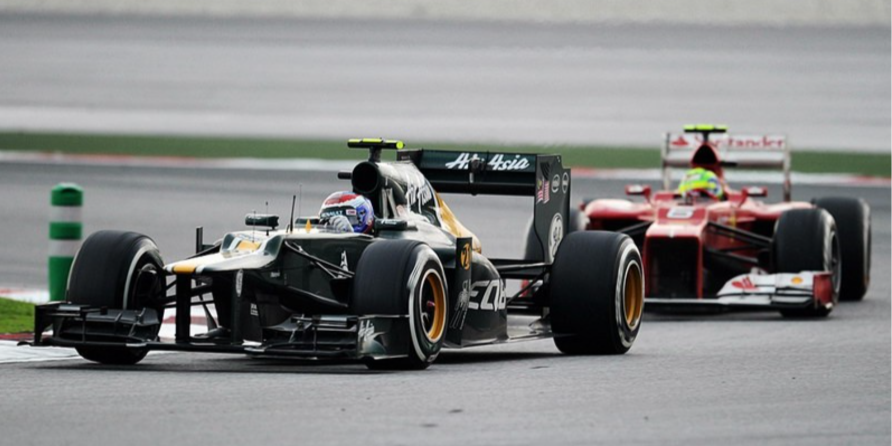
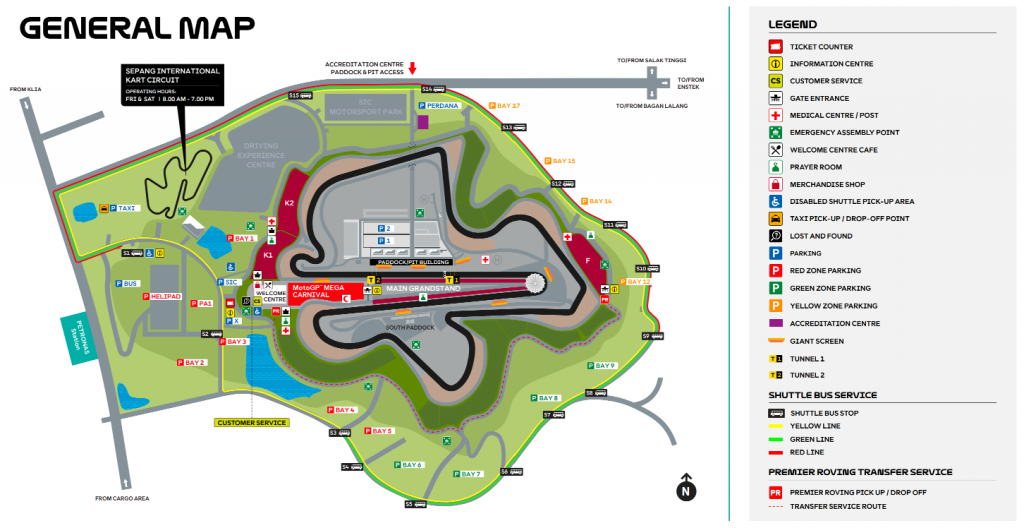
On 26 July 2026, Formula 1 announced that Malaysia will host the Formula 1 Gulf Air Bahrain Grand Prix at the Sepang International Circuit (SIC) from 2 to 4 October 2026.
Sepang steps in as the official substitute venue for the original Bahrain Grand Prix following ongoing conflicts in West Asia.
The milestone agreement was finalised through a joint effort between Formula 1, the Fédération Internationale de l’Automobile (FIA), the Government of Bahrain, and the Government of Malaysia.
How did this decision come to be?
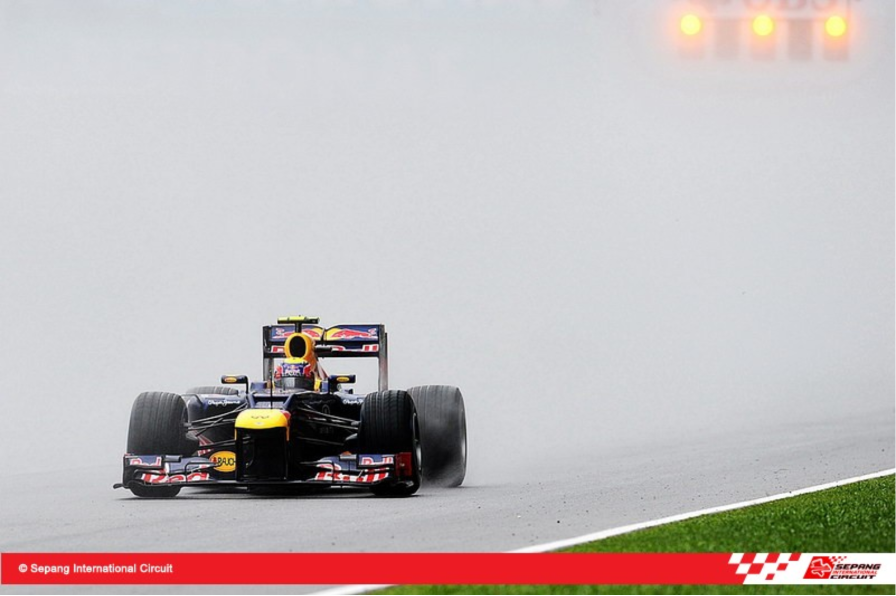
On 14 March 2026, Formula 1 confirmed that both the Bahrain and Saudi Arabian Grands Prix, originally scheduled for 10–12 April and 17–19 April respectively, would not take place as planned due to the ongoing conflict involving the United States and Iran in West Asia.
Crucially, the races were deferred rather than formally cancelled, leaving a five-week gap in the April calendar while F1 monitored the situation before making a final call ahead of the summer shutdown.
Why was F1 so determined to replace the missing races?
It all boils down to the Concorde Agreement.
Under this binding contract signed by Formula 1 Management, the FIA, and the competing teams, F1 is legally obligated to host a minimum of 21 races per season to fulfill global broadcast and commercial commitments. Losing the April rounds put the original 24-race calendar at risk of dropping below that mandatory threshold.
Furthermore, lingering regional instability left the season-ending races in Qatar and Abu Dhabi uncertain, forcing F1 to secure an additional replacement venue.
How did F1 initially attempt to fill the gap?
Early paddock speculation suggested that European venues such as Portimão in Portugal and Imola in Italy would step in as replacement options, potentially scheduled two weeks after the Las Vegas Grand Prix.
However, these unconfirmed plans were held primarily as contingency backups for the late-season West Asia rounds in Qatar and Abu Dhabi, should those events face further disruption.
How did Malaysia enter the picture?
Malaysia originally departed the Formula 1 calendar after 2017 due to astronomical hosting fees, high licensing costs, and declining ticket sales.
However, when F1 needed a viable replacement, Sepang emerged as the leading candidate due to geographical logistics.
By scheduling the race between the Azerbaijan Grand Prix and the Singapore Grand Prix, F1 created a seamless Asian triple-header that allows teams and freight to transit efficiently across the region.
The news F1 fans have waited nearly a decade for
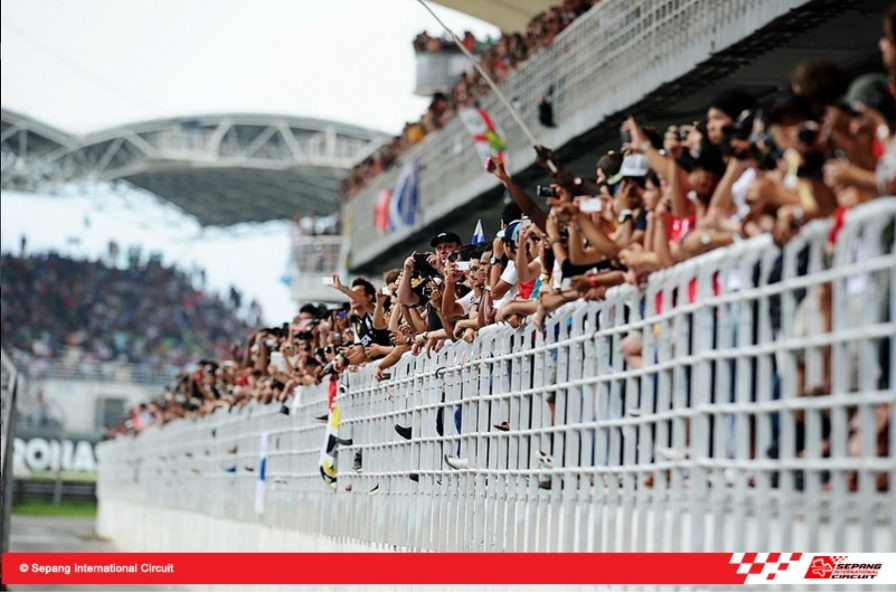
Following days of online teasers and paddock rumours, the official announcement confirmed Sepang’s return through an unprecedented cross-border collaboration.
The event will officially be named the Formula 1 Gulf Air Bahrain Grand Prix in Malaysia, respecting Gulf Air’s primary title sponsorship rights.
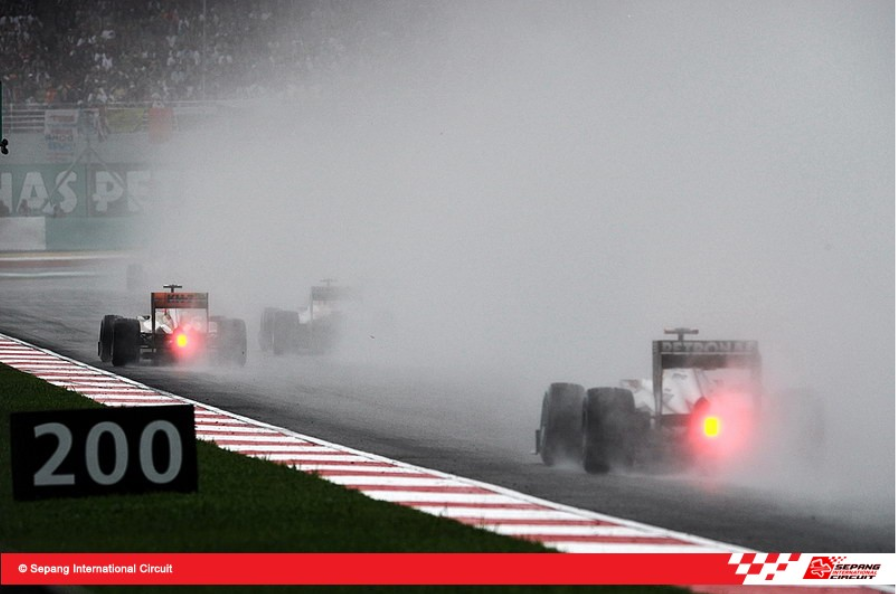
The news has sparked widespread nostalgia among motorsport fans, eager to see drivers tackle Sepang’s sweeping corners, wide overtaking straights, and notoriously unpredictable tropical weather. This also marks the first time in F1 history that a Grand Prix has been relocated to another country following an abrupt postponement.
What does this mean for us, and for Malaysia?
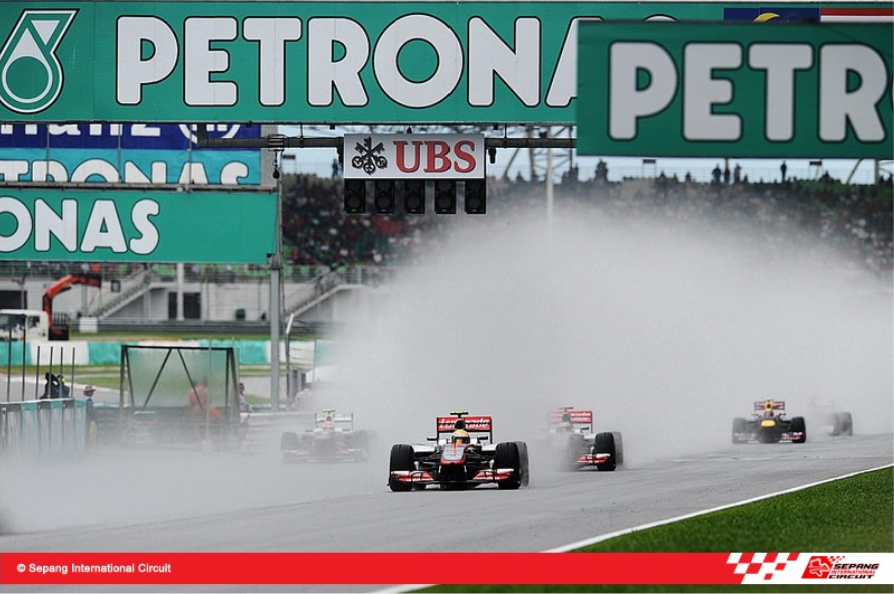
Prime Minister Datuk Seri Anwar Ibrahim stated that the collaboration reflects enduring trust between Malaysia and Bahrain while reaffirming the nation’s capability to host major international events.
Deputy Prime Minister Datuk Seri Dr Ahmad Zahid Hamidi added that with Bahrain covering primary hosting costs, Malaysia stands to gain significant long-term economic returns through tourism, foreign investment, and global exposure. Beyond SIC’s annual MotoGP, he hopes a successful weekend will strengthen Malaysia’s bid for a permanent F1 return backed by government and corporate sponsorships.
This puts Malaysia in an exceptionally advantageous position, hosting Formula 1 for the first time since 2017 at minimal expense while showcasing its economic strength on a global stage. With no registration fees required, the government’s financial commitment is essentially limited to its existing RM16 million annual budget spent on maintaining Sepang to international standards.
To ensure the event benefits everyday Malaysians, the Prime Minister also announced the potential introduction of discounted MADANI tickets, making world-class motorsport accessible and affordable for local fans.
As former SIC Chief Executive Officer Datuk Razlan Razali noted, the race acts as a vital “litmus test” for future calendar readiness, giving fans real hope for a permanent comeback. Ultimately, it is a low-cost, high-gain win-win for the nation and the rakyat.
[ IMAGE SOURCE ]