Deputy Investment, Trade and Industry Minister (MITI) Sim Tze Tzin says claims that electric vehicles (EVs) will become unaffordable under Malaysia’s new CBU EV policy are “inaccurate”.
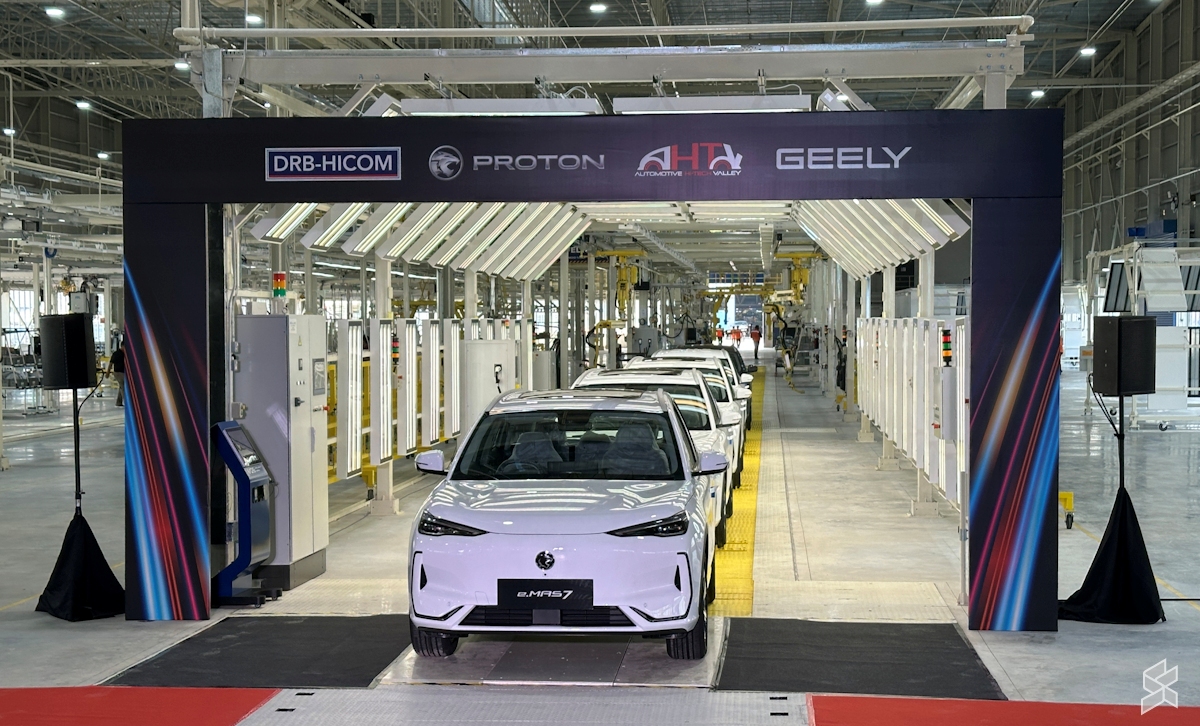
According to Sim, several Chinese brands including Zeekr are planning local assembly (CKD) operations in Malaysia, which means consumers will still have access to affordable EVs despite tighter rules for fully imported (CBU) models.
Under the new CBU EV rules which take effect from 1 July 2026, only imported EVs with a minimum CIF value of RM200,000 and power output of at least 180kW (241hp) will be allowed into Malaysia. In practical terms, this effectively pushes the minimum selling price of eligible imported EVs to at least RM300,000.
As a result, many popular sub-RM200,000 EVs especially from BYD would be completely wiped out.
Malaysia’s EV growth is accelerating, but is our CKD capacity ready?
The bigger concern isn’t whether brands will eventually localise production. The real question is whether Malaysia’s current CKD EV ecosystem is capable of meeting demand in the short term once the new rules kick in in less than two months time.
Malaysia’s EV adoption has been growing rapidly. A total of 44,813 EVs were registered in 2025, more than double the 21,789 units recorded in 2024.
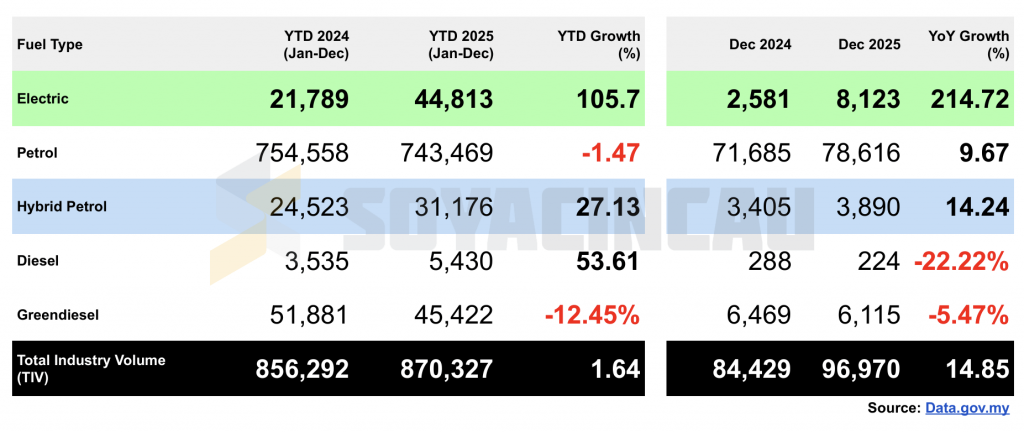
If EV registrations continue to grow at the current pace and reach around 80,000 units this year, there are concerns that local assembly capacity may not be enough to replace the affordable imported EVs currently driving adoption.
For example, Proton’s Tanjung Malim EV plant currently has an annual production capacity of 20,000 units under phase one. Even if the plant operates at maximum capacity, that would only cover about 25% of an 80,000-unit EV market.
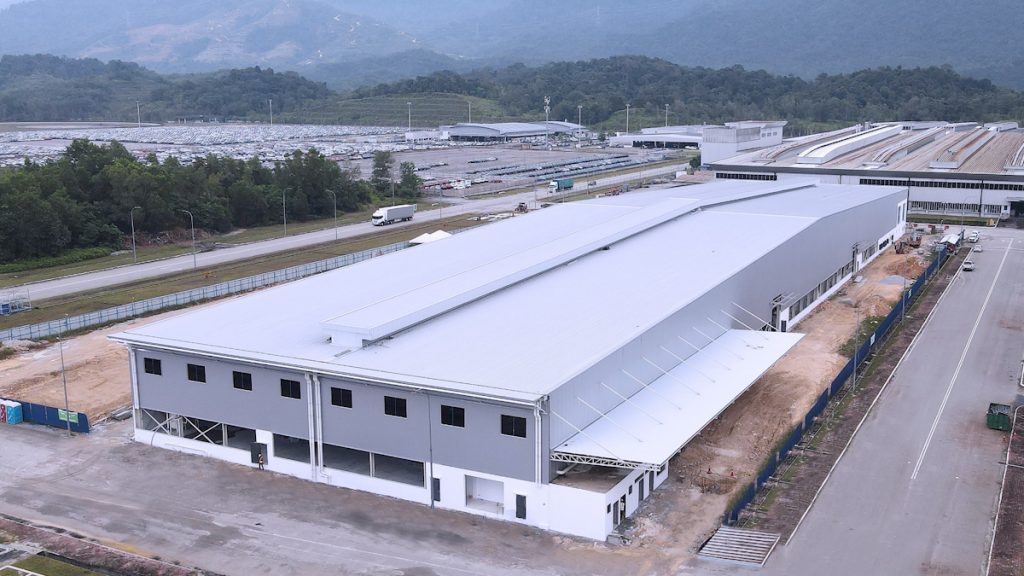
While Proton has previously indicated the facility can eventually scale up to 45,000 units annually, that expansion does not immediately solve the short-term supply gap.
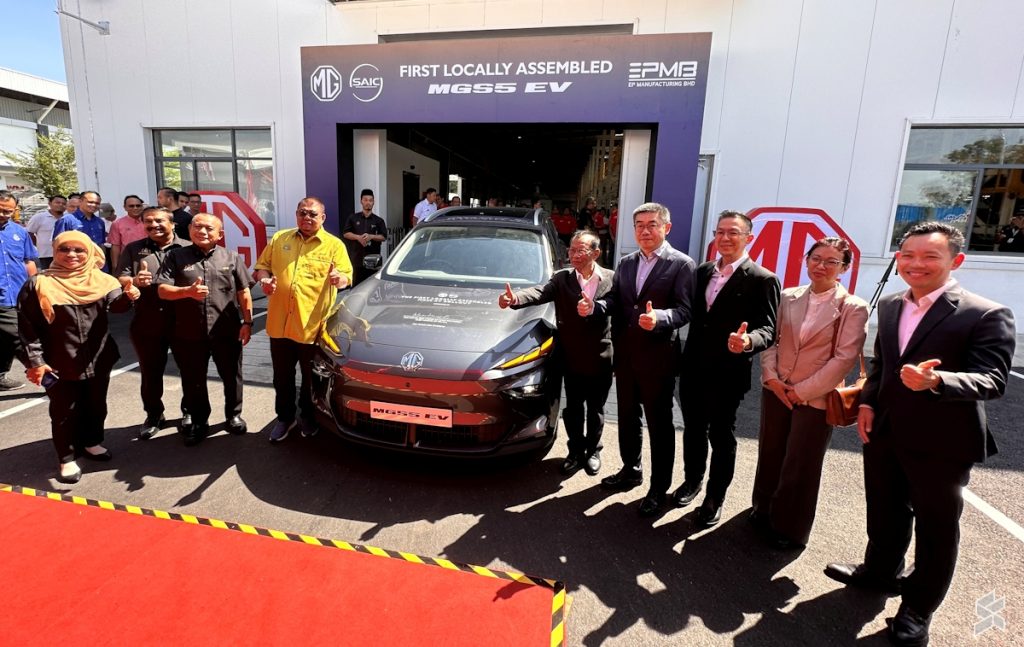
At the same time, Perodua is still trying to gain traction with the QV-E, while several other brands are either still “planning” CKD operations or remain in the process of ramping up local production.
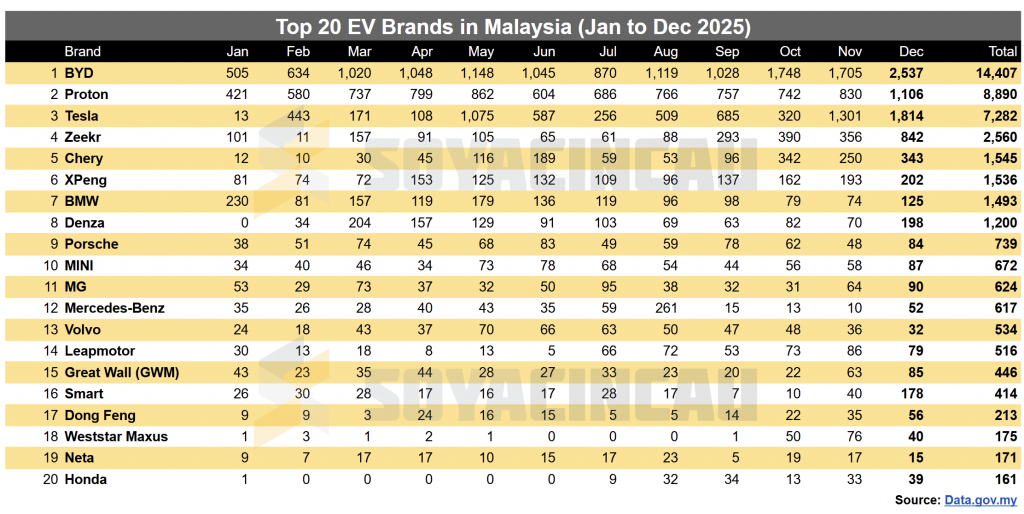
This raises another key question: can Malaysia’s existing CKD EV industry realistically fill the gap left behind by brands such as BYD and other imported EV makers that currently offer EVs below the RM150,000 price point?
Investors need long-term policy clarity to commit to CKD

If Malaysia genuinely wants to be a regional EV production hub and attract more automakers to invest in CKD EV operations, the industry also needs clearer long-term policy direction.
At the moment, CKD EVs are only exempted from taxes until 31 December 2027. For automakers making billion-ringgit investment decisions, there is still uncertainty about what happens after the incentive period ends.
The timing of the new policy has also raised concerns. The latest CBU EV conditions surfaced only FIVE MONTHS after Malaysia’s CBU EV tax exemptions ended on 31 December 2025. This leave brands with barely two months to react before enforcement begins in July 2026.
Frequent policy flip-flop and last-minute revisions are unlikely to inspire confidence among investors planning long-term manufacturing operations in Malaysia.
Going back to the BYD CKD debacle, MITI’s conditions on BYD is seen as unfavourable. Besides having a minimum floor price, BYD is only allowed to sell 20% of their CKD vehicles for our local domestic market (10,000 units), while 80% must be exported.
From what we know so far, no automaker has achieved 80% export from their CKD production in Malaysia.
Malaysia does need to encourage more local CKD production but it has to make sense and feasible for automakers to make a solid decision.
Affordable EVs play a role in reducing fuel subsidy burden
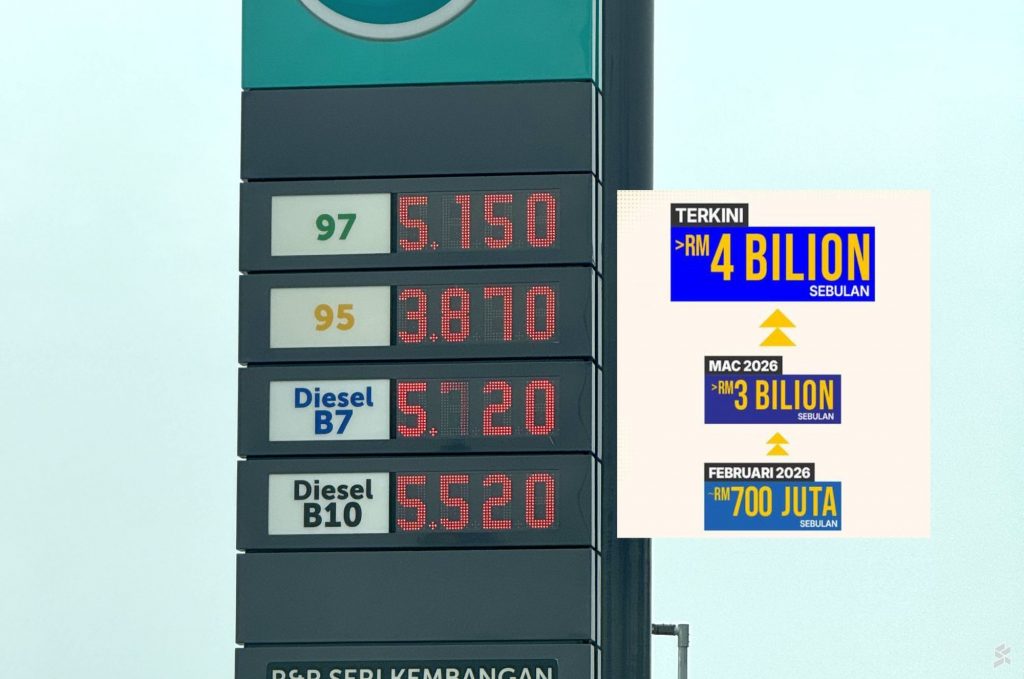
Ironically, when Toyota recently introduced its latest battery electric vehicle (BEV) lineup in Malaysia, the same deputy minister highlighted how consumers could gradually shift towards EVs as heavily subsidised petrol becomes increasingly unsustainable in the long run.
If Malaysia is serious about reducing fuel subsidies, increasing access to affordable EVs would appear to be the more logical direction. Not reducing the number of affordable options available to consumers.
In fact, Indonesia has recently announced new incentive to boost EV adoption for 200,000 EVs in an effort to reduce the burden of fuel subsidies on the state budget.
Beyond passenger vehicles, stronger incentives are also needed to encourage businesses to switch from diesel-powered commercial vehicles to electric trucks and vans. Besides reducing dependence on subsidised diesel, electrifying commercial transport could also help lower long-term logistics and transportation costs.