
• 中文版
  • BM
  • News
  • Deals
  • Reviews
    • First Impressions
    • Hands-on
    • Comparisons
  • Tech
    • Mobile
    • Computers
    • Cameras
    • Wearables
    • Audio
    • Drones
  • Telco
    • Celcom
    • Digi
    • Maxis
    • Time
    • Tune Talk
    • U Mobile
    • Unifi
    • Yes
  • Cars
  • Contribute
  • Jobs
Menu
  • 中文版
  • BM
  • News
  • Deals
  • Reviews
    • First Impressions
    • Hands-on
    • Comparisons
  • Tech
    • Mobile
    • Computers
    • Cameras
    • Wearables
    • Audio
    • Drones
  • Telco
    • Celcom
    • Digi
    • Maxis
    • Time
    • Tune Talk
    • U Mobile
    • Unifi
    • Yes
  • Cars
  • Contribute
  • Jobs
Search
  • Tech
    • News
    • Mobile
    • Computers
    • Cameras
    • Wearables
    • Audio
    • Drones
  • Telco
    • Celcom
    • Digi
    • Maxis
    • Time
    • U Mobile
    • Unifi
    • Yes
  • Reviews
    • First Impressions
    • Hands-on
    • Comparisons
  • Buyer’s Guide
  • Opinions
  • Digital Life
  • Video
  • Deals
  • How-To
  • Cars
  • Bahasa Melayu
  • EV
  • Contribute
  • Advertise
Menu
  • Tech
    • News
    • Mobile
    • Computers
    • Cameras
    • Wearables
    • Audio
    • Drones
  • Telco
    • Celcom
    • Digi
    • Maxis
    • Time
    • U Mobile
    • Unifi
    • Yes
  • Reviews
    • First Impressions
    • Hands-on
    • Comparisons
  • Buyer’s Guide
  • Opinions
  • Digital Life
  • Video
  • Deals
  • How-To
  • Cars
  • Bahasa Melayu
  • EV
  • Contribute
  • Advertise
Search
Close
Home Tech Cameras

Nikon’s Z9 is the official mirrorless camera for astronauts on the International Space Station

  • BY Sharil Abdul Rahman
  • 13 February 2024
  • 2:16 pm
  • Comment
Share on FacebookShare on Twitter

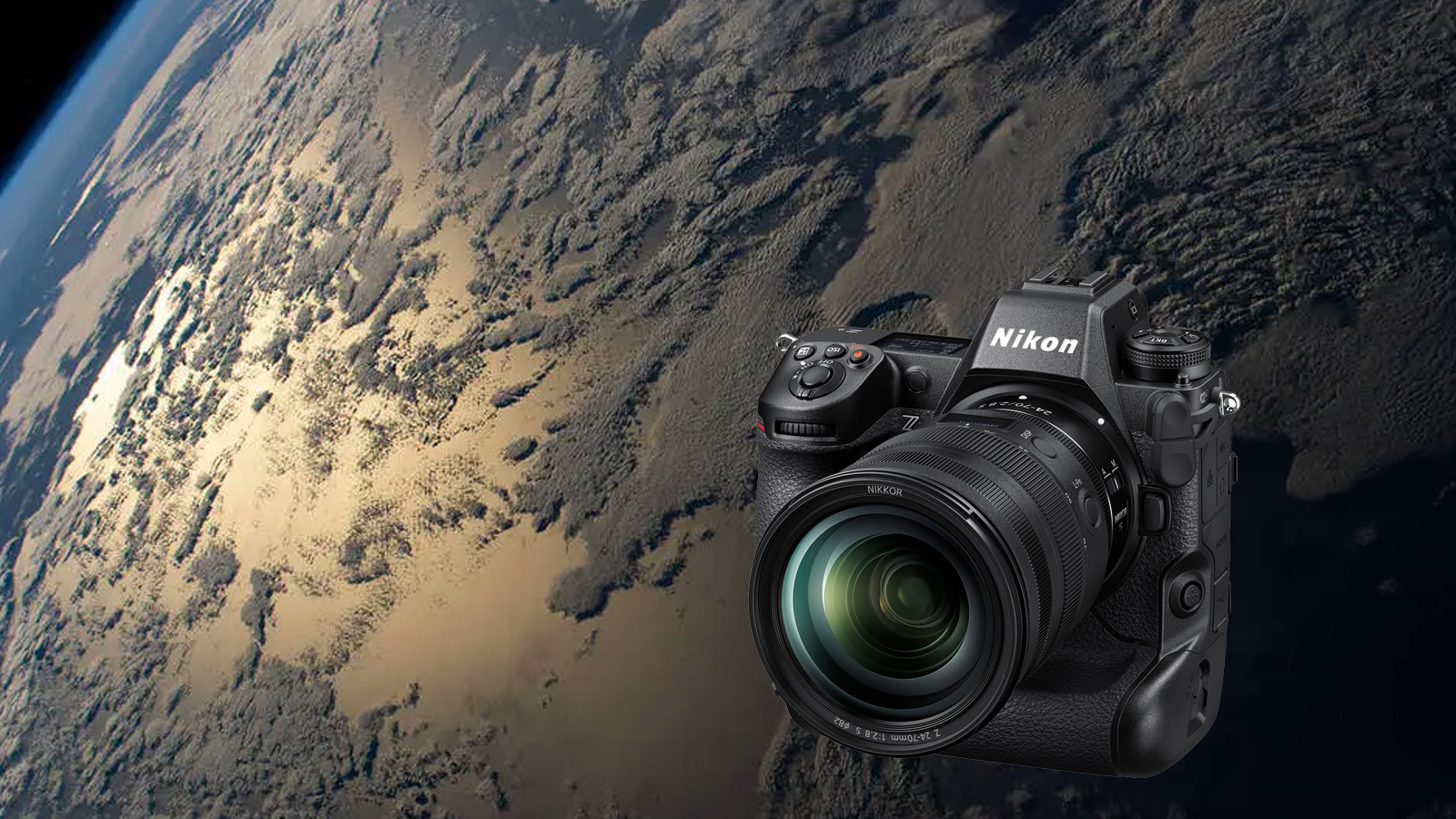
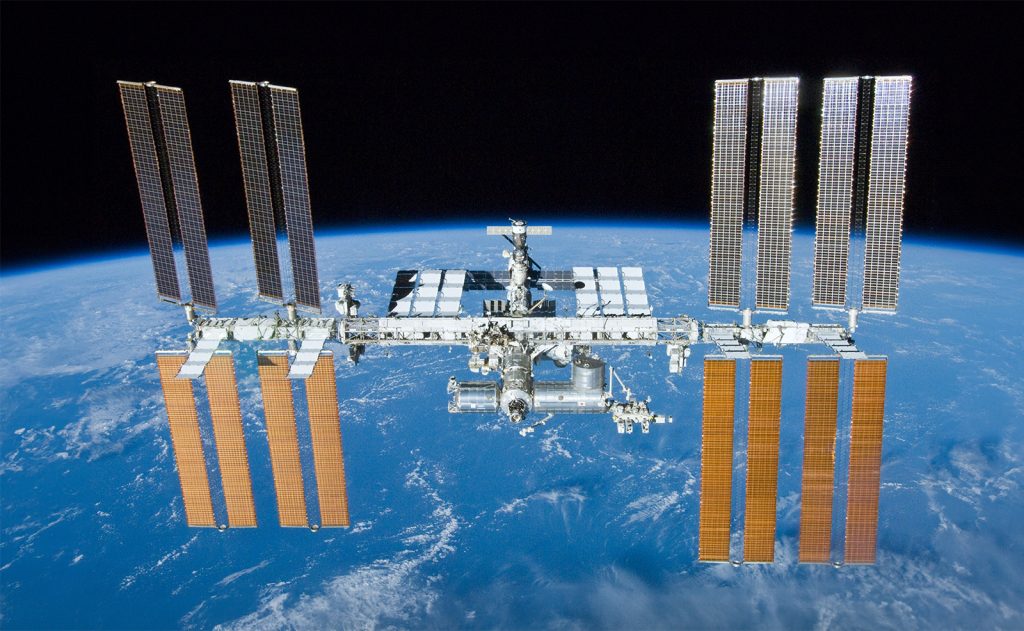
After using DSLRs for decades, the astronauts orbiting Earth in the International Space Station (ISS) will now be using Nikon’s Z9 mirrorless cameras to capture pictures of space and of earth. The company just sent up 13 camera bodies, along with 15 FTZ II lens adapters (for older lenses), and more than 15 different Nikkor Z lenses to the station as part of a resupply mission on a Space X launch last month.

The Japanese camera company considers this launch a “landmark achievement for the Nikon Z series” as this will be Nikon’s first mirrorless camera used by the space station crew. The new cameras replace the current inventory of Nikon D6 and D5 SLR cameras on the ISS. The D5 has been the de-facto camera for the astronauts since 2017.
One of the reasons NASA chose to send the Z9 to space is the exclusion of a mechanical shutter, which minimises moving parts in the camera for maximum durability as possible. Interestingly, Nikon did not modify the camera body to be used in space, so the body is the same as the Nikon Z9 seen on the shelves in camera stores.

What is different is the firmware of the camera – Nikon engineers worked directly with NASA to create a custom dedicated firmware to better serve the astronauts and the environment in space. The customization includes expanding noise reduction to faster shutter speeds to account for the constant bombardment of cosmic radiation that the crew and gear are subject to about the space station. Nikon also optimised the in-camera FTP and transfer protocol to simplify the astronaut’s workflow, increase efficiency and reduce power consumption when sending images from space to Earth.

Since the Apollo 15 mission more than 50 years ago, Nikon cameras and lenses have been used by NASA for space exploration on various missions and space shuttles. Starting in 1999, Nikon cameras (the Nikon F5) and NIKKOR lenses have been used aboard the orbiting laboratory to aid in scientific research, maintenance, and aiding astronauts in capturing iconic images of Earth, the heavens, and beyond. The gear is used both inside the space station, but also in the unrelenting vacuum of space in a special “blanket” developed by NASA.

NASA

According to Petapixel, who interviewed astronaut Don Petit, the cameras in space have a short shelf life in space – typically around only six months. This is due to the cosmic rays that bombard the sensor which damages it.

Tags: International Space Stationmirrorless camerasNikonNikon Z9
Sharil Abdul Rahman

Sharil Abdul Rahman

POPULAR

Malaysia’s first 5g advanced Broadband: What You Get for RM68/month

January 14, 2026

Neta V now available for only RM40k, but with a limited 6-month warranty

January 31, 2026

Nikon’s Z9 is the official mirrorless camera for astronauts on the International Space Station

February 13, 2024

Perodua QV-E only costs RM1.4k to maintain for 5 years, cheaper than Axia

January 30, 2026

Zeekr 9X coming to Malaysia: 1,381hp luxury 6-seat PHEV, expected to be priced above RM500K

February 3, 2026
Proton e.MAS 5

Record high 3,276 Proton e.MAS EVs delivered in January 2026

February 2, 2026

Copyright © 2025 · SoyaCincau.com
Mind Blow Sdn Bhd (1076827-P)

  • ADVERTISE
  • DISCLAIMER

Copyright © 2026 · SoyaCincau.com – Mind Blow Sdn Bhd (1076827-P)

  • ADVERTISE
  • DISCLAIMER