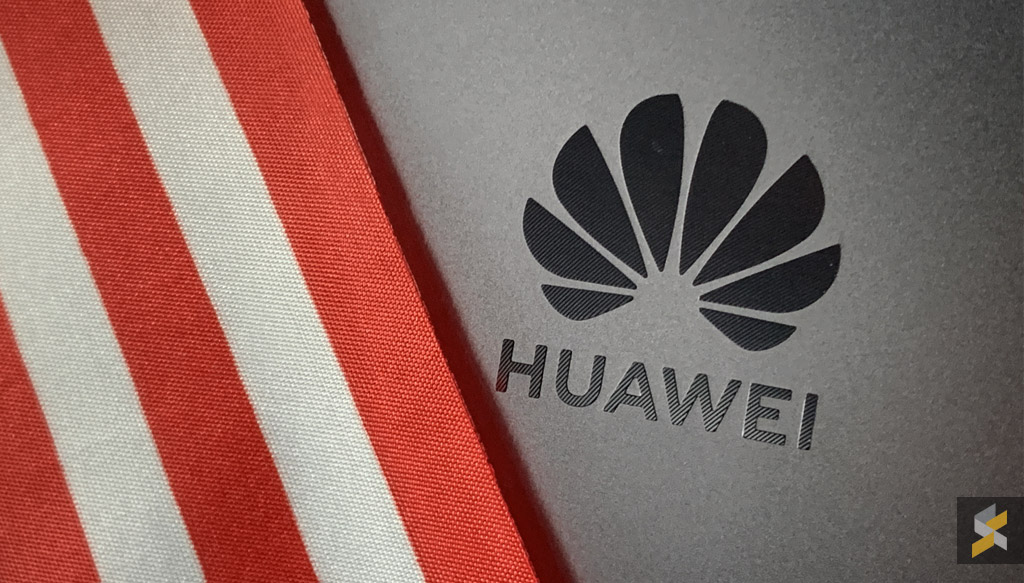
The long-running wrangle between the U.S. government and Chinese tech giants Huawei doesn’t appear to be going anywhere soon. Due to continued allegations that Huawei presents a national security risk to the U.S., the Commerce Department earlier placed Huawei on its blacklist. This prohibited American companies from dealing with the company—the most obvious consequence being the lack of GMS support on Huawei’s newer Android devices.
After cutting off access to a vital supplier for Huawei’s Kirin chipsets, WSJ reports that the U.S. Commerce Department has now implemented new export regulations that could prevent the company from finding a viable alternative. Basically, the new rules prevent foreign, non-American entities from selling chips to Huawei—as long as U.S. technology was involved at any stage.
Special licences are allowed to exemption cases, although Qualcomm’s efforts to obtain permission from the government to sell chips to Huawei haven’t quite come to fruition. The producers of Snapdragon chips reportedly lobbied the U.S. government to grant them a licence, arguing that the ban puts American companies (such as Qualcomm) at a disadvantage—especially taking the 5G race into account.
However, it could get a lot worse for Huawei: this rule reportedly covers components that are “widely available” and “off-the-shelf”, meaning that potential suppliers beyond Qualcomm could be cut off.
There is a tiny bit of respite for Huawei, however. The new rules take effect during the middle of September, which gives the company under a month to stock up on components for its next flagship release: the Mate 40 series. That’s a short term consideration at this point, with Huawei set to face one of the more challenging obstacles in its dispute with the U.S. government.
Basically, it looks a lot like the new rule change has been designed to prevent Huawei and its partners from exploiting any loopholes in the ban. U.S. Commerce Secretary Wilbur Ross explained that the Chinese company and its affiliates have worked via “third parties” for access to “U.S. technology”, which—as they have maintained—compromises U.S. national security.
In any case, their direction is clear—this is the full title of the Commerce Department’s official statement:
“Commerce Department Further Restricts Huawei Access to U.S. Technology and Adds Another 38 Affiliates to the Entity List”
In a previous headline, the release is clear that these rule changes are to prevent Huawei from “undermining” the restrictions:
“Commerce Addresses Huawei’s Efforts to Undermine Entity List, Restricts Products Designed and Produced with U.S. Technologies”
38 affiliates of Huawei have also been added to the blacklist of entities for good measure. In any case, Huawei has continued to maintain that alternatives can be found for their smartphones, although ideas such as Harmony OS have yet to arrive on global smartphones.
In the meantime, new Huawei smartphones have been released with Android, but without Google Mobile Services. Despite all the work that has gone into the App Gallery and the Huawei ecosystem, the U.S.’ latest move appears to be a public tightening of the proverbial noose—how will Huawei find their way around this one?