• 中文版
  • BM
  • News
  • Deals
  • Reviews
    • First Impressions
    • Hands-on
    • Comparisons
  • Tech
    • Mobile
    • Computers
    • Cameras
    • Wearables
    • Audio
    • Drones
  • Telco
    • Celcom
    • Digi
    • Maxis
    • Time
    • Tune Talk
    • U Mobile
    • Unifi
    • Yes
  • Cars
  • Contribute
  • Jobs
Menu
  • 中文版
  • BM
  • News
  • Deals
  • Reviews
    • First Impressions
    • Hands-on
    • Comparisons
  • Tech
    • Mobile
    • Computers
    • Cameras
    • Wearables
    • Audio
    • Drones
  • Telco
    • Celcom
    • Digi
    • Maxis
    • Time
    • Tune Talk
    • U Mobile
    • Unifi
    • Yes
  • Cars
  • Contribute
  • Jobs
Search
  • Tech
    • News
    • Mobile
    • Computers
    • Cameras
    • Wearables
    • Audio
    • Drones
  • Telco
    • Celcom
    • Digi
    • Maxis
    • Time
    • U Mobile
    • Unifi
    • Yes
  • Reviews
    • First Impressions
    • Hands-on
    • Comparisons
  • Buyer’s Guide
  • Opinions
  • Digital Life
  • Video
  • Deals
  • How-To
  • Cars
  • Bahasa Melayu
  • EV
  • Contribute
  • Advertise
Menu
  • Tech
    • News
    • Mobile
    • Computers
    • Cameras
    • Wearables
    • Audio
    • Drones
  • Telco
    • Celcom
    • Digi
    • Maxis
    • Time
    • U Mobile
    • Unifi
    • Yes
  • Reviews
    • First Impressions
    • Hands-on
    • Comparisons
  • Buyer’s Guide
  • Opinions
  • Digital Life
  • Video
  • Deals
  • How-To
  • Cars
  • Bahasa Melayu
  • EV
  • Contribute
  • Advertise
Search
Close
Home News

Singapore’s top 3 telcos pick Nokia and Ericsson over Huawei for 5G rollout

  • BY Alexander Wong
  • 25 June 2020
  • 11:50 pm
  • Comment
Share on FacebookShare on Twitter

Singapore’s Infocomm Media Development Authority (IMDA) has granted licences to three parties to roll out 5G networks in Singapore. This includes Singtel, a joint-consortium that consists of StarHub and M1, and TPG Telecom.

Both Singtel and StarHub-M1 will roll out nationwide 5G coverage while TPG Telecom will deploy a localised 5G spot coverage that has a smaller reach. According to the IMDA, the telcos have met the requirements on network rollout and performance, coverage, resilience, cybersecurity and vendor diversity.

50% 5G coverage by 2022

Commenting on the award of the licences, Singapore’s Communications and Information Minister, S. Iswaran said that the award marks the close of a “robust and rigorous” regulatory process. He shared that it would set the stage for the development of a 5G infrastructure that will be the backbone of Singapore’s digital economy.

It was reported that Singtel and TPG Telecom have submitted individual bids, while StarHub and M1 have submitted a joint-bid. Singapore aims to cover 50% of the island with 5G coverage by the end of 2022 and full coverage by the end of 2025.

Huawei loses out to Nokia and Ericsson
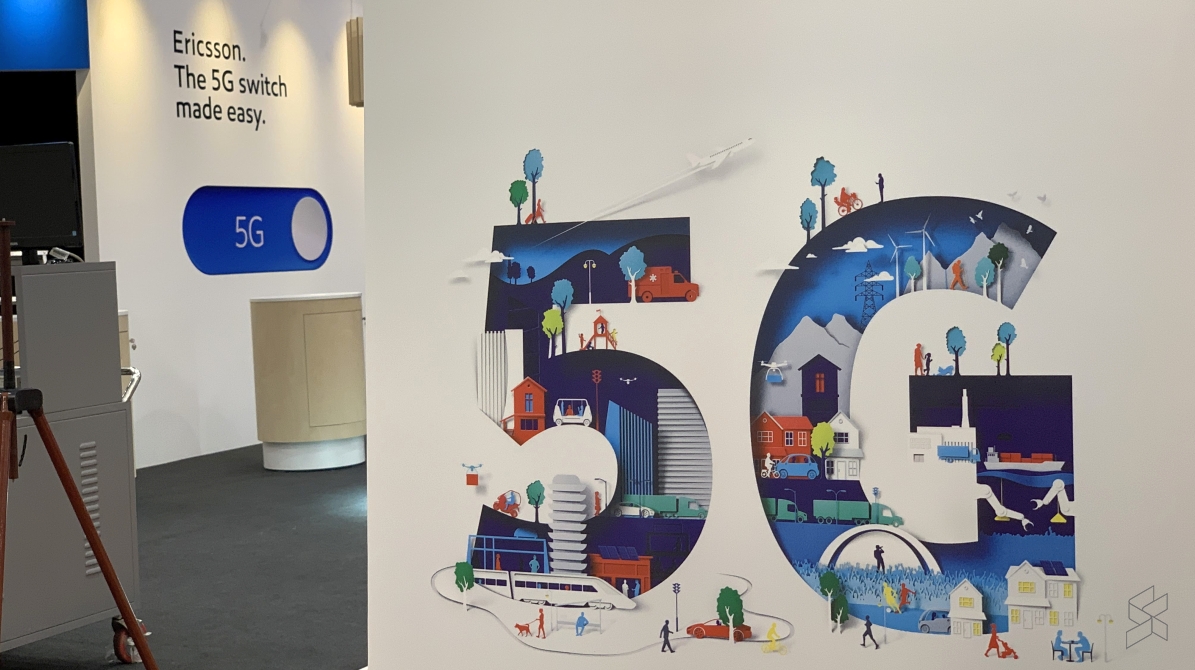
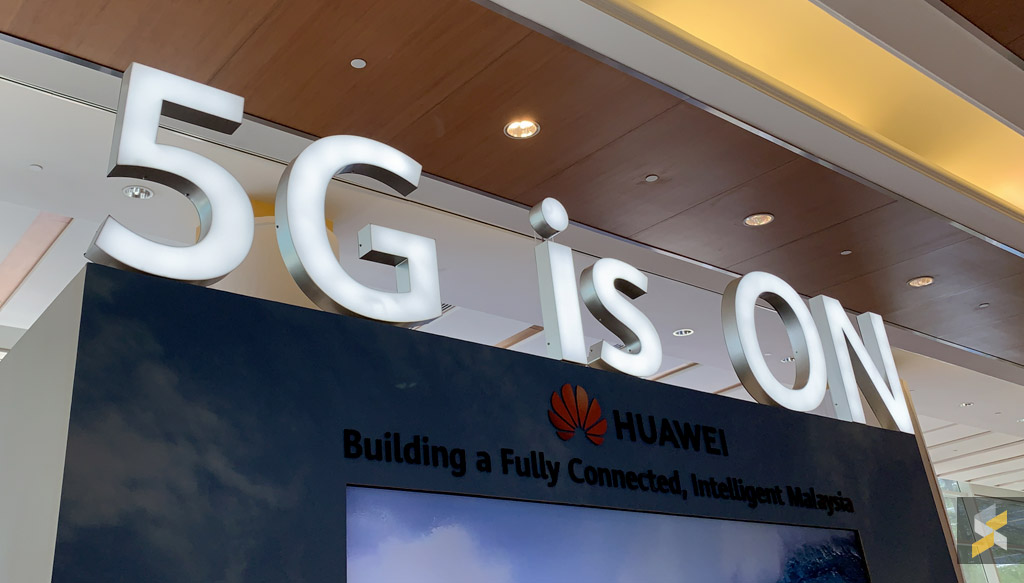
Although Huawei is seen as the global leader in 5G technology, Singapore’s top mobile operators have turned to its European rivals. Singtel has chosen Ericsson as its partner to build its 5G network while the StarHub-M1 joint-venture has appointed Nokia to roll out its 5G infrastructure.

Huawei still has a 5G role to play in Singapore but at a smaller scale with Australian-based TPG Telecom. The 4th telco in Singapore has just started commercial services a few months ago.

Both Singtel and the StarHub-M1 joint venture are given 100MHz blocks of the 3.5GHz frequency. For mmWave, all three bidders (Singtel, StarHub-M1 and TPG) are assigned 800MHz lots of the mmWave (26GHz and 28GHz) spectrum.

What about 5G in Malaysia?
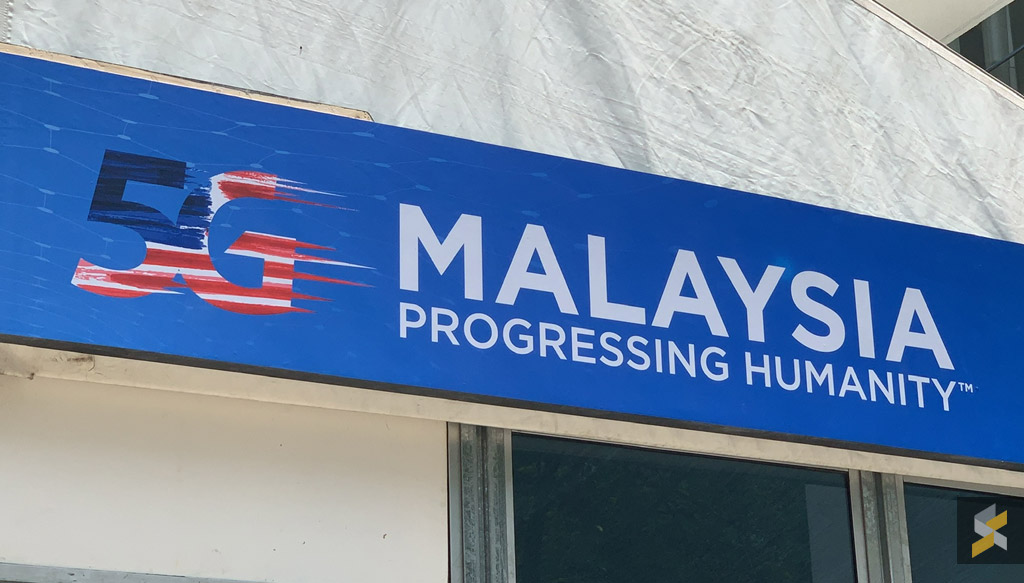
Malaysia was supposed to rollout 5G in Q3 2020 but the actual implementation is still up in the air after the change in administration. Early this year, the MCMC had announced that the 5G spectrum (700MHz and 3.5GHz) will be assigned to a consortium as it will help to lower cost, speed up rollout and to reduce duplication of infrastructure.

Earlier this month, it was discovered that the new Communications and Multimedia Minister Datuk Saifuddin Abdullah had issued a ministerial order to allocate the 700MHz spectrum that’s meant for 5G to five companies namely Altel, Celcom, Digi, Maxis and TM. After much criticism, the minister had retracted the 5G assignment order.


[ SOURCE 2 3 ]

Related reading

  • Tun Mahathir: Malaysia will use Huawei technology as much as possible
  • Ericsson says they are leading the 5G race, not Huawei
  • Former Google CEO accuses Huawei of unacceptable practices
Tags: 5GEricssonHuaweiM1NokiaSingaporesingtelStarHubTPG Telecom
Alexander Wong

Alexander Wong

POPULAR

Can RM10 Actually Buy You Gold? Here’s How Pos ArRahnu Gold-i Works

September 2, 2026

Beyond Home Wi-Fi: How Time Internet is Expanding Connectivity to Condo Parking Bays

August 31, 2026

Singapore’s top 3 telcos pick Nokia and Ericsson over Huawei for 5G rollout

June 25, 2020

This Phone Has a 10,000mAh BlueVolt Battery That Can Power Your Other Devices | vivo V80 Lite 5G

September 4, 2026

Malaysia introduces new MyKad with 53 security features and NFC. Here’s what you need to know

September 16, 2026

Perodua QV-E now available for as low as RM53,499 in conjunction with Malaysia Day

September 15, 2026

Copyright © 2026 · SoyaCincau.com
Mind Blow Sdn Bhd (1076827-P)

  • ADVERTISE
  • DISCLAIMER

Copyright © 2026 · SoyaCincau.com – Mind Blow Sdn Bhd (1076827-P)

  • ADVERTISE
  • DISCLAIMER