
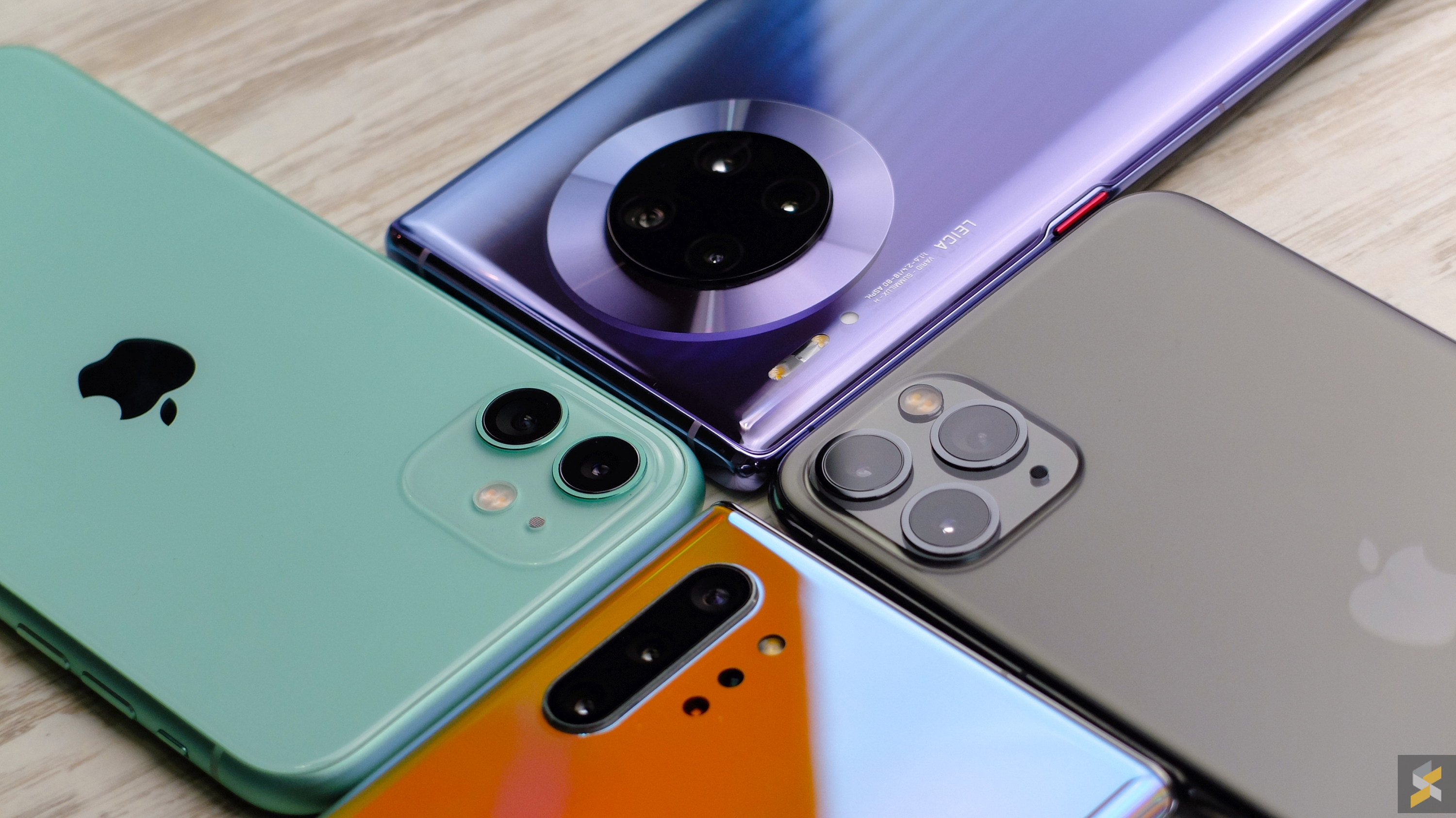
As smartphone makers explore new form factors and materials to make their devices look sleeker and premium, repairability has often being a low priority. Sometimes the repair costs for a flagship device is just so expensive, you are better off buying a brand new mid-range smartphone instead. This situation could soon change if the European Commission pushes through a new regulation that may change the way our personal devices are designed and manufactured.
A “right-to-repair” regulation which is currently adopted for home appliances such as washing machines, refrigerators and dishwashers may soon be extended to cover smartphones, tablets and laptops as early as 2021 under the Ecodesign Directive.
The regulation aims to increase the longevity of products by forcing manufacturers to create products that are easily repaired and it must come with longer support. It is reported that manufacturing contributes over half of an appliance’s carbon footprint. It was reported that washing machines that were made in the late 90s are being discarded 2 years earlier in average than washing machines that were manufactured in the late 80s.
The new regulation would also require manufacturers to maintain spare parts for a minimum required duration and they must be replaceable with commonly used tools without damaging the appliance. In addition, the EU also wants to promote sustainable products that are more durable, reusable, upgradeable and manufactured with more recycled materials.
Easier and cheaper phone repairs
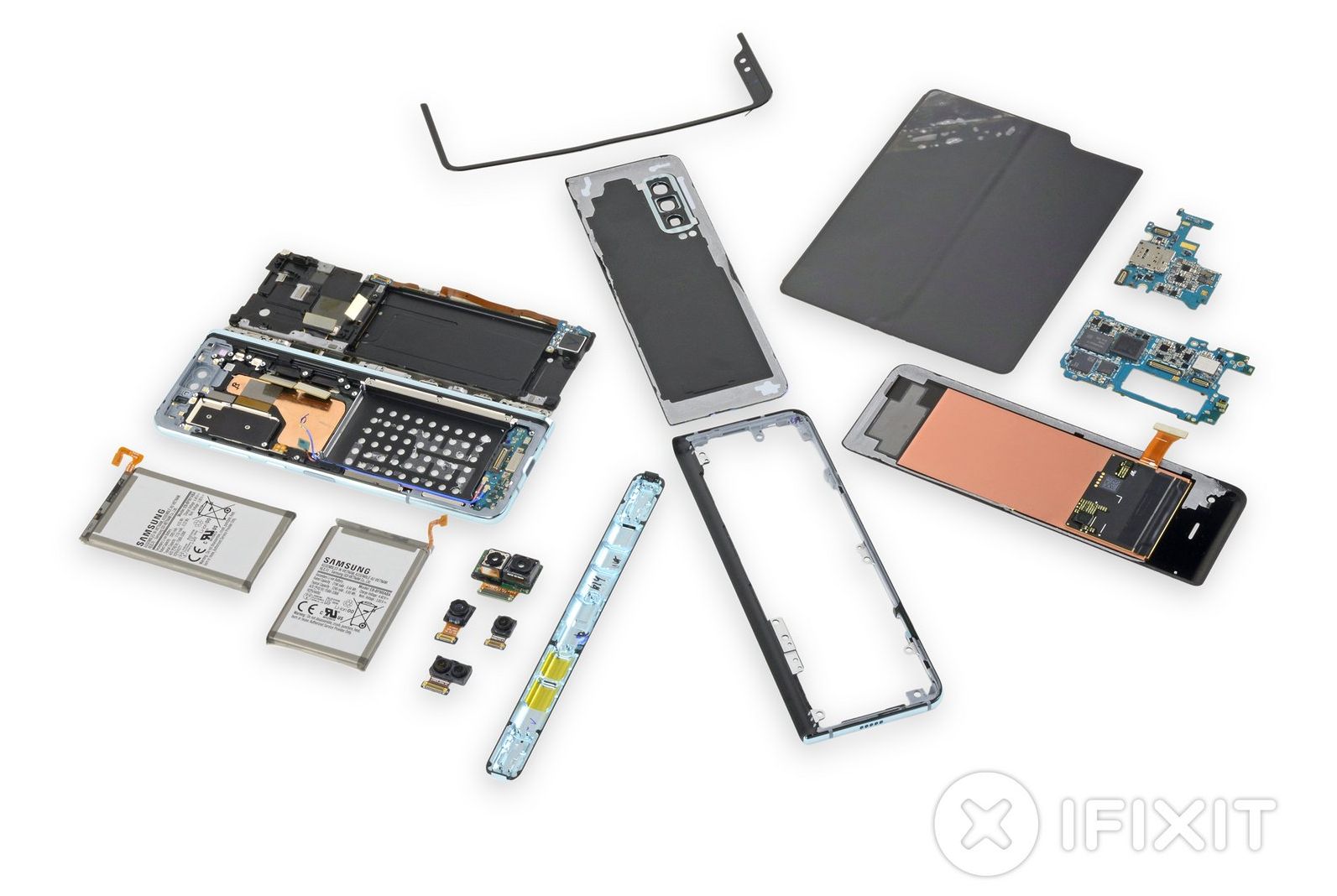
It isn’t clear how this new regulation will be implemented for personal electronic devices as gadgets typically have a shorter lifespan due to mobile technology advancements and new hardware requirements to support new apps and services. But if it does get pass through, smartphone manufacturers will have to design their next devices with ease of repairability in mind and more internal components should be easily disassembled with normal tools. On top of that, components could be more modular and this might reduce the cost of repairs.
The EU is also considering introducing a new scheme where consumers can easily sell or return their old phones, tablets and chargers.
Standardised charging cable
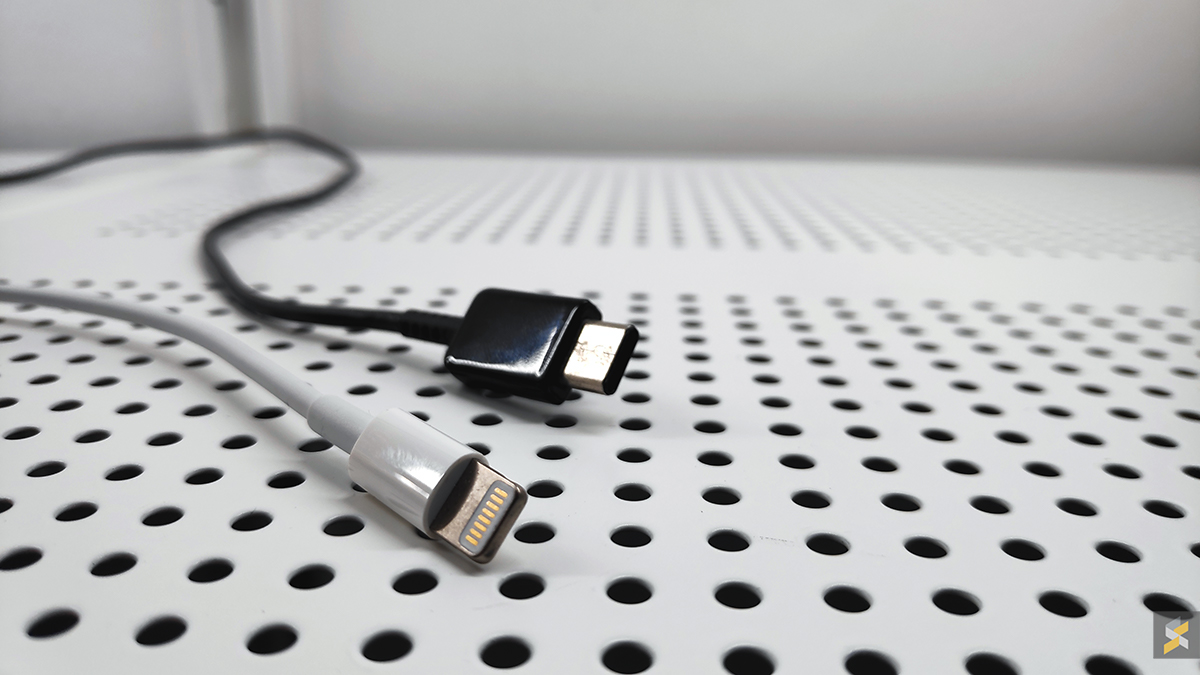
Recently, the EU has also pushed for standardisation of charging cables in an effort to cut down on environmental waste. An EU MP had said that multiple charging cable standards is bad for the environment and there should be a common charger that covers all phones, tablets, e-book readers and other portable devices. Although Apple is progressively adopting the USB-C standard, they have hit back at the suggestion claiming that forcing the standardisation will stifle innovation and harm consumers.
[ SOURCE ]