This post is brought to you by UMW Toyota.
In an industry often defined by rapid feature updates and short-term tech trends, true automotive progress is measured by multi-decade endurance. True innovation is less about introducing temporary novelties and more about refining mechanical and electrical systems to deliver dependable utility over years of daily ownership.
A Century of Built-In Quality (Jidoka)
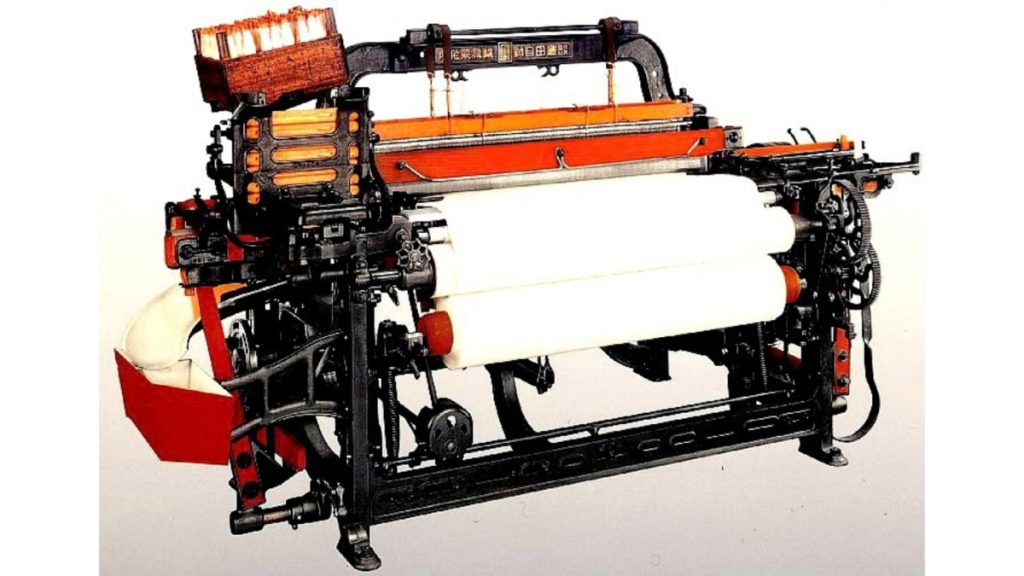
This manufacturing philosophy dates back to the 1920s, when Sakichi Toyoda, founder of the Toyota Group, invented the Type G Automated Loom. The machine introduced Jidoka, an automated mechanism designed to halt production immediately if a thread snapped, preventing defects from entering the workflow. The underlying philosophy was simple: build quality into the process rather than inspecting for failures after the fact.
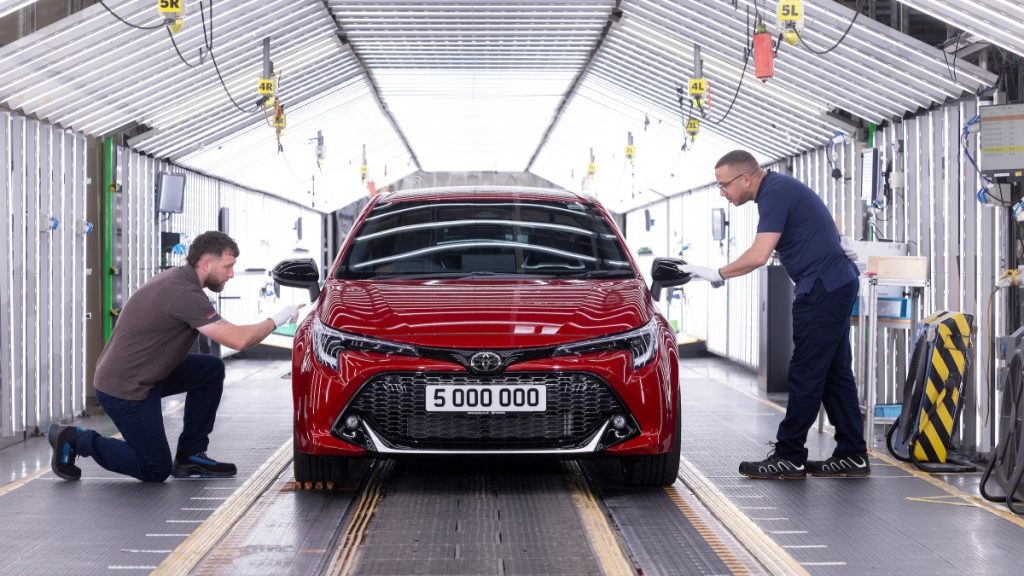
Decades later, as automotive technology shifted toward electronics and alternative powertrains, this zero-defect mindset dictated how Toyota developed new technology. Rather than releasing complex features prematurely, new systems were subjected to strict manufacturing standards before reaching consumers./ima
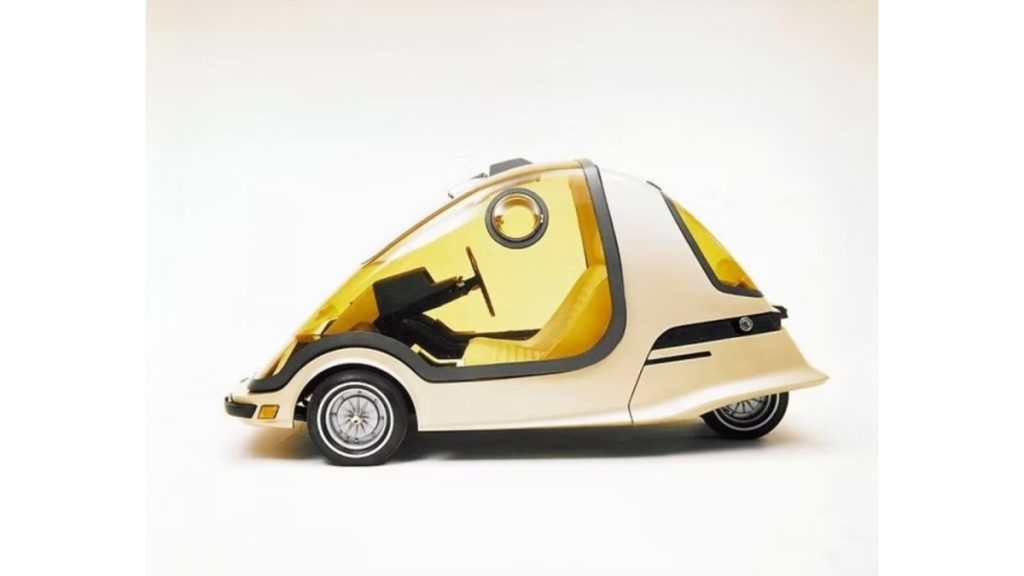
This disciplined approach allowed Toyota to explore early electrification, such as the 1969 EX-II concept, without sacrificing reliability. By the time the brand introduced the Prius in 1997 as the world’s first mass-produced hybrid vehicle, the dual-power drive system was backed by decades of manufacturing quality control, proving that complex, high-tech powertrains could deliver multi-decade durability across billions of global kilometres.
Mechanical Architecture: Engineering for Efficiency and Stability
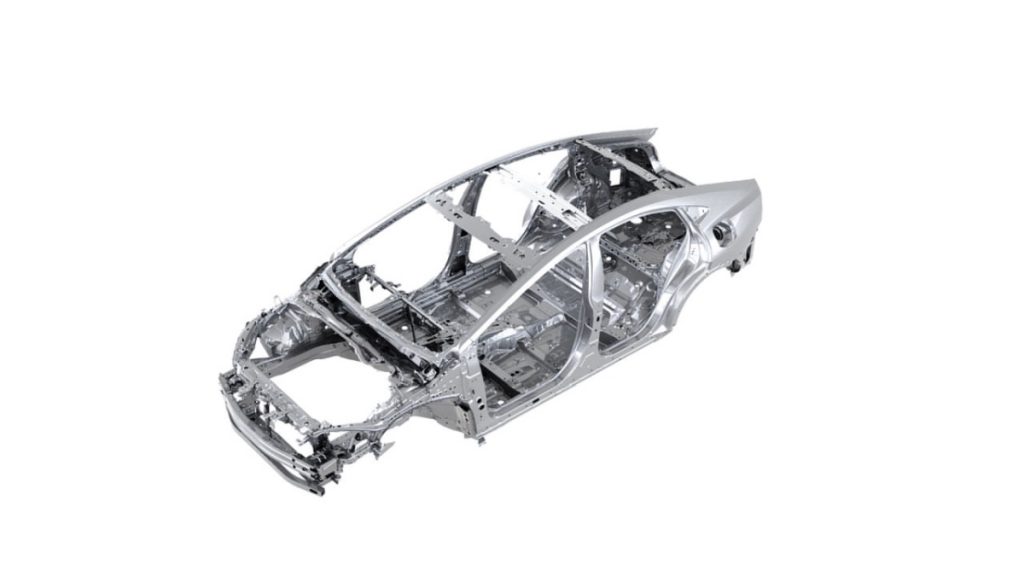
At the core of Toyota’s brand reputation is an engineering focus on reducing mechanical stress across the entire vehicle platform. From internal combustion engines to transmission systems, components are designed around high thermal efficiency and low operational friction.
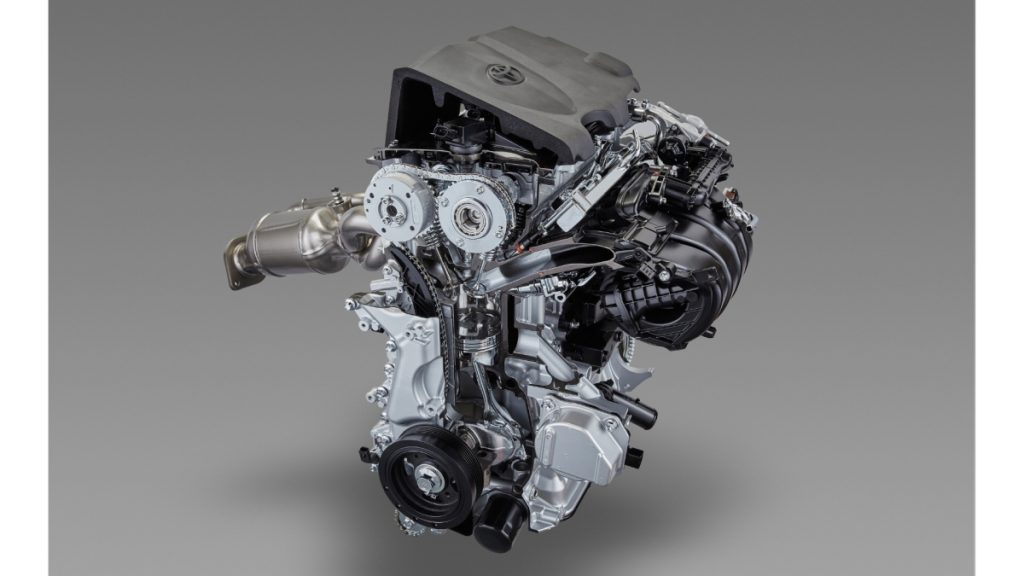
Engine blocks, such as the Dynamic Force engine family, utilise longer piston strokes, laser-cladded valve seats, and optimised intake valve angles. By accelerating combustion speed and reducing internal friction, these engines achieve thermal efficiency levels of up to 40%, converting more fuel energy directly into usable power.
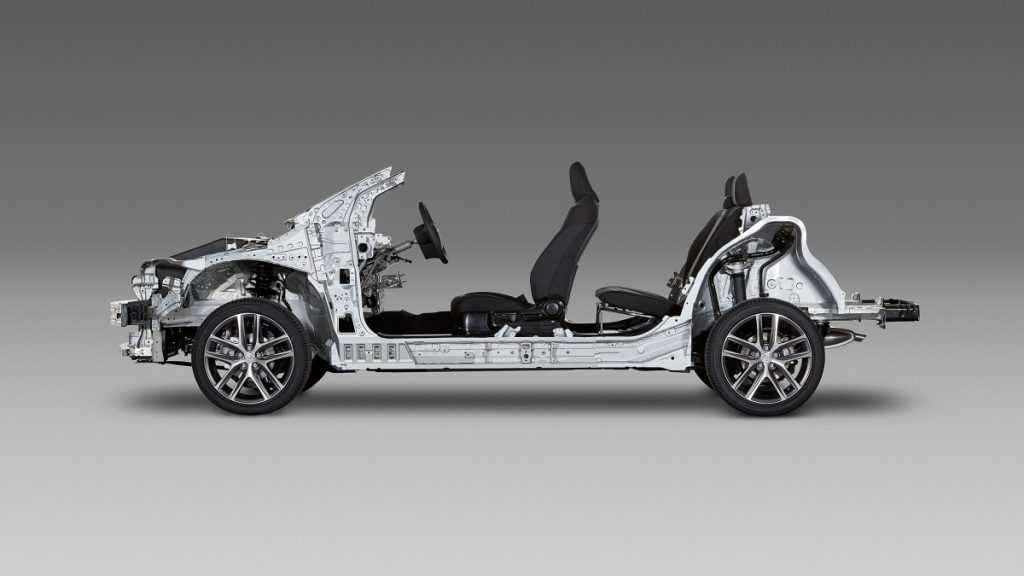
Furthermore, vehicle chassis designed under the Toyota New Global Architecture (TNGA) prioritise high structural rigidity using ultra-high-tensile steel ring structures. This reduces body flex over time, preserving chassis alignment, ride quality, and cabin sound isolation across hundreds of thousands of kilometres.
Continuous Refinement (Kaizen) Across the Lineup

Rather than completely re-engineering vehicle platforms with every design cycle, Toyota operates on the principle of Kaizen, or continuous incremental improvement. Core systems, ranging from powertrain calibration to active driver-assist safety, are steadily optimised over time based on real-world fleet data.
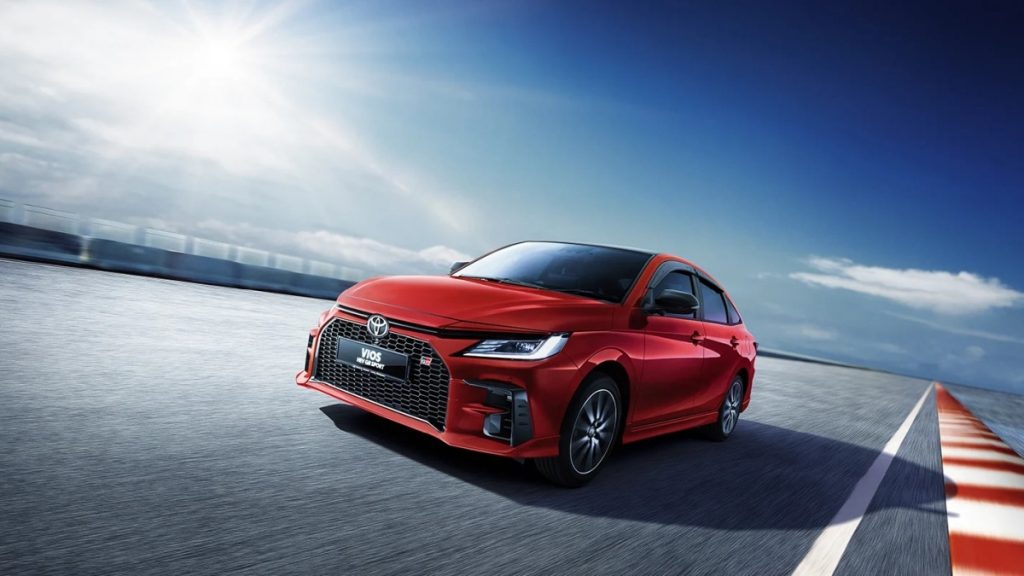
This approach applies across Toyota’s entire lineup, from compact commuters like the Vios and Yaris to crossovers like the Corolla Cross and utility vehicles like the Hilux.

Safety architectures like Toyota Safety Sense (TSS), including Pre-Collision Systems and Lane Tracing Assist, are integrated across standard passenger vehicles, utilising sensor fusion technology refined over years of global road data to assist drivers without intrusive intervention.
Adapted for Malaysian Realities

For Malaysian motorists, vehicle hardware must withstand demanding local operating environments, including high tropical humidity, heavy stop-and-go Klang Valley traffic congestion, intense ambient heat, and sudden monsoon rainstorms.

Toyota addresses these demands through localised engine cooling systems and suspension tuning designed for variable road surfaces. To meet these local requirements, UMW Toyota Motor utilises assembly infrastructure like its modern manufacturing plant in Bukit Raja, Selangor.

Operating under the Toyota Production System (TPS), the facility applies standardised global quality controls and automated assembly protocols directly to locally assembled models, ensuring that vehicles leaving the local line match international build tolerances.
Total Ownership Ecosystem and Longevity
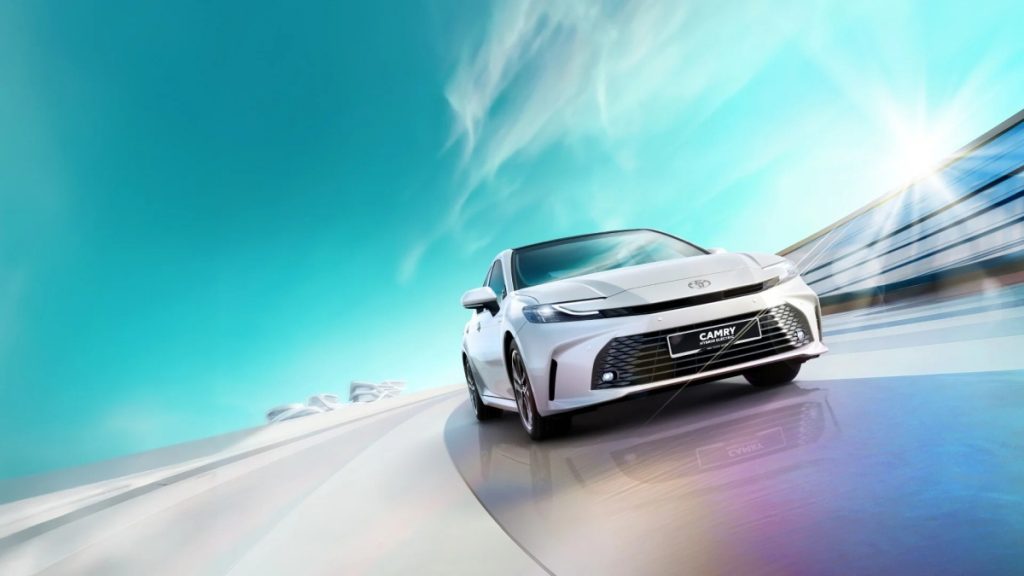
Toyota attributes its sustained market presence to providing long-term peace of mind throughout the entire vehicle lifecycle. In Malaysia, this focus is backed by structural ownership protections, including a standard 5-year unlimited-mileage vehicle warranty across its passenger lineup.
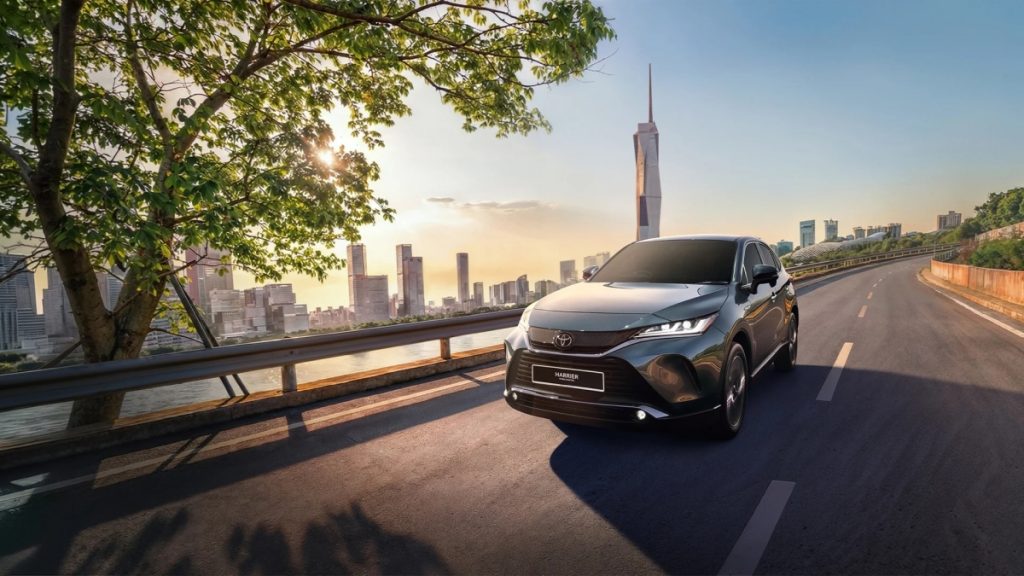
Supported by an extensive nationwide service network across Peninsular and East Malaysia, standardised maintenance intervals, ready spare parts availability, and strong secondary market value retention, Toyota’s engineering strategy emphasises proven mechanical reliability over hasty experimentation, delivering vehicles designed to remain dependable road partners year after year.

Experience a Toyota firsthand. Visit toyota.com.my or stop by your nearest UMW Toyota showroom to explore the lineup and schedule a test drive.