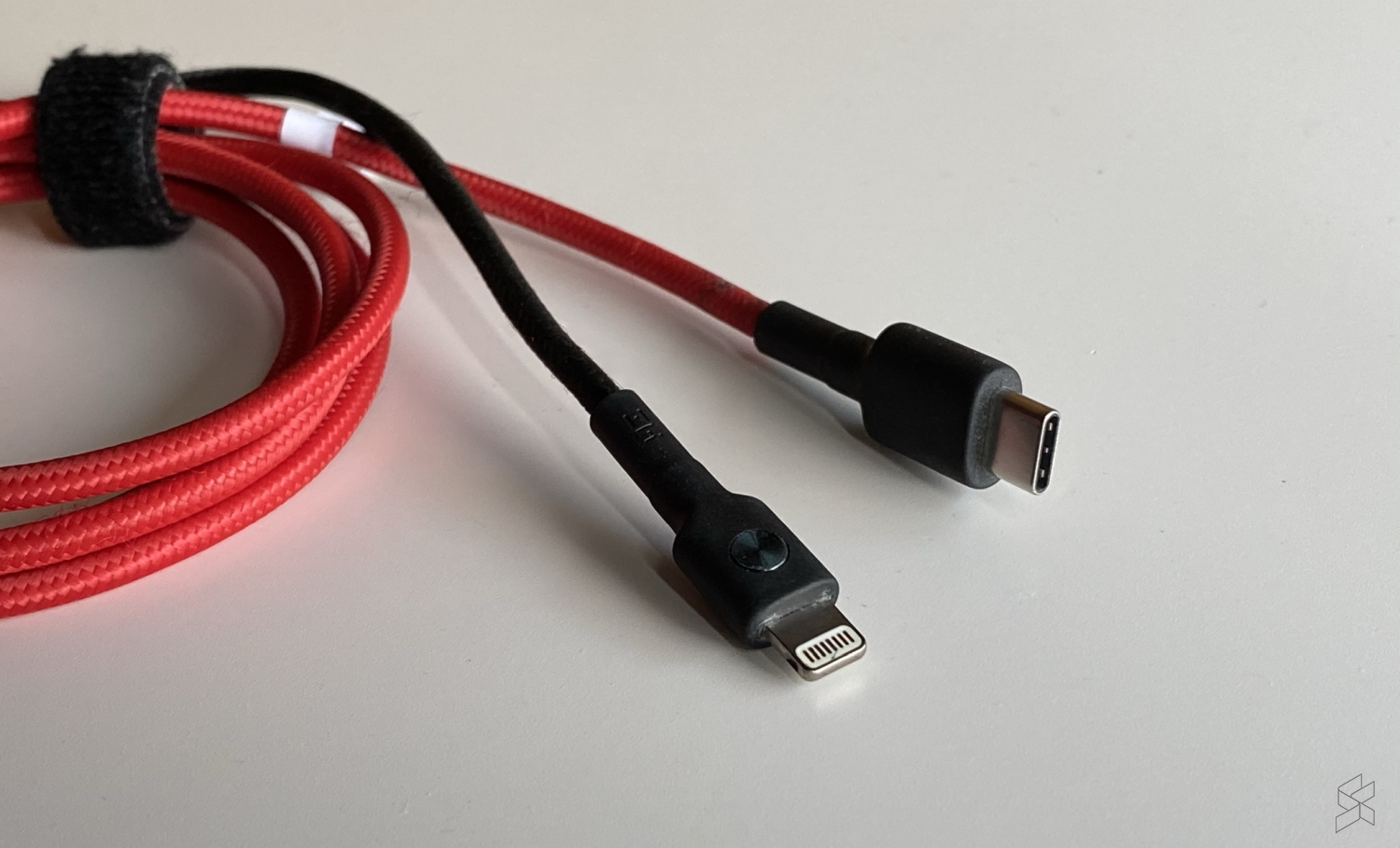
Apple’s Lightning connector was a revolution of sorts when it first appeared on the iPhone 5. Gone was their huge 30-pin connector, and the Lightning port could also be plugged in face up or down, unlike the rivalling microUSB port.
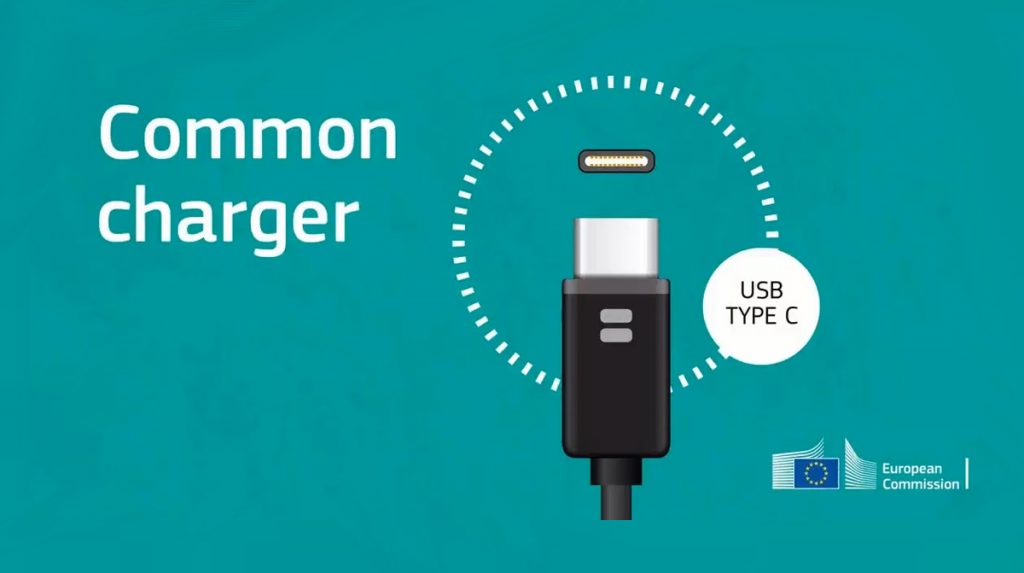
However, that was almost a decade ago, and Apple is still using the Lightning connector, much to the chagrin of consumers—and the European Union. In the last couple of years, USB-C has pretty much become the new de facto standard for data transfer and charging cables. And with the EU wanting to establish charging ports and cables to lessen e-waste and inconvenience, the European Commission (the EU’s executive arm) just announced a new proposal to force all smartphones to use the USB-C connector as its charging port. This plan will also apply to tablets, cameras, headphones, speakers and handheld consoles.
There’s a few parts to the EU’s plan. Essentially the important part here is for USB-C to be a common port for users to charge with regardless of the brand or device. But the EU is also looking to prevent companies form restricting charging speeds and ensure that manufacturers inform customers about the charging performance they can expect.
📲 A harmonised charging port (USB-C)
— European Commission 🇪🇺 (@EU_Commission) September 23, 2021
⚡ Harmonised fast charging technology
🔌 Possibility to buy a new device without charger
ℹ️ More info on device packaging to see if the charger you have at home is suitable
More about what we propose: https://t.co/OZGfAzUK1P #DigitalEU pic.twitter.com/oVqpBHNLSA
The EU’s proposal will stop manufacturers including the charger in the box with your new device too, seeing as everyone will in theory be using the same USB-C standard. According to the EU commission’s report, they say that in 2020 alone over 420 million smartphones were sold, and consumers on average own about three chargers each. If the EU’s proposal goes through, companies will have two years to adopt the necessary changes.
Unsurprisingly, Apple has spoken out against it. Following the proposal’s announcement, Apple has released a statement saying that they’re concerned about the new regulations stifling innovation and thus harming European consumers. This of course comes as no surprise, as Apple has been opposing the EU on this issue for a while now. Apple is also concerned about the time given by the EU to make the transition to USB-C.
Apple for their own part has already been transitioning most of their products over to USB-C. Their latest lineup of tablets and laptops currently all use the USB-C port, with just their iPhones left on Lightning. Apple’s port has also lost the advantages that it had when it launched, with USB-C also able to be plugged face up or down, has faster transfer speeds and higher power delivery rate too.
Nevertheless, a silver lining for Apple is that it’s so far just a proposal. For it to become official, it’ll need to pass a vote by the European Parliament, though the word is that it’s likely going to pass. In the meantime, if you’d like to read the European Commission’s full proposal, you can do so on its website.