
• 中文版
  • BM
  • News
  • Deals
  • Reviews
    • First Impressions
    • Hands-on
    • Comparisons
  • Tech
    • Mobile
    • Computers
    • Cameras
    • Wearables
    • Audio
    • Drones
  • Telco
    • Celcom
    • Digi
    • Maxis
    • Time
    • Tune Talk
    • U Mobile
    • Unifi
    • Yes
  • Cars
  • Contribute
  • Jobs
Menu
  • 中文版
  • BM
  • News
  • Deals
  • Reviews
    • First Impressions
    • Hands-on
    • Comparisons
  • Tech
    • Mobile
    • Computers
    • Cameras
    • Wearables
    • Audio
    • Drones
  • Telco
    • Celcom
    • Digi
    • Maxis
    • Time
    • Tune Talk
    • U Mobile
    • Unifi
    • Yes
  • Cars
  • Contribute
  • Jobs
Search
  • Tech
    • News
    • Mobile
    • Computers
    • Cameras
    • Wearables
    • Audio
    • Drones
  • Telco
    • Celcom
    • Digi
    • Maxis
    • Time
    • U Mobile
    • Unifi
    • Yes
  • Reviews
    • First Impressions
    • Hands-on
    • Comparisons
  • Buyer’s Guide
  • Opinions
  • Digital Life
  • Video
  • Deals
  • How-To
  • Cars
  • Bahasa Melayu
  • EV
  • Contribute
  • Advertise
Menu
  • Tech
    • News
    • Mobile
    • Computers
    • Cameras
    • Wearables
    • Audio
    • Drones
  • Telco
    • Celcom
    • Digi
    • Maxis
    • Time
    • U Mobile
    • Unifi
    • Yes
  • Reviews
    • First Impressions
    • Hands-on
    • Comparisons
  • Buyer’s Guide
  • Opinions
  • Digital Life
  • Video
  • Deals
  • How-To
  • Cars
  • Bahasa Melayu
  • EV
  • Contribute
  • Advertise
Search
Close
Home Digital Life

World Health Organisation: You should wear masks in poorly-ventilated indoor spaces

  • BY Nic Ker
  • 5 December 2020
  • 8:29 pm
  • Comment
Share on FacebookShare on Twitter

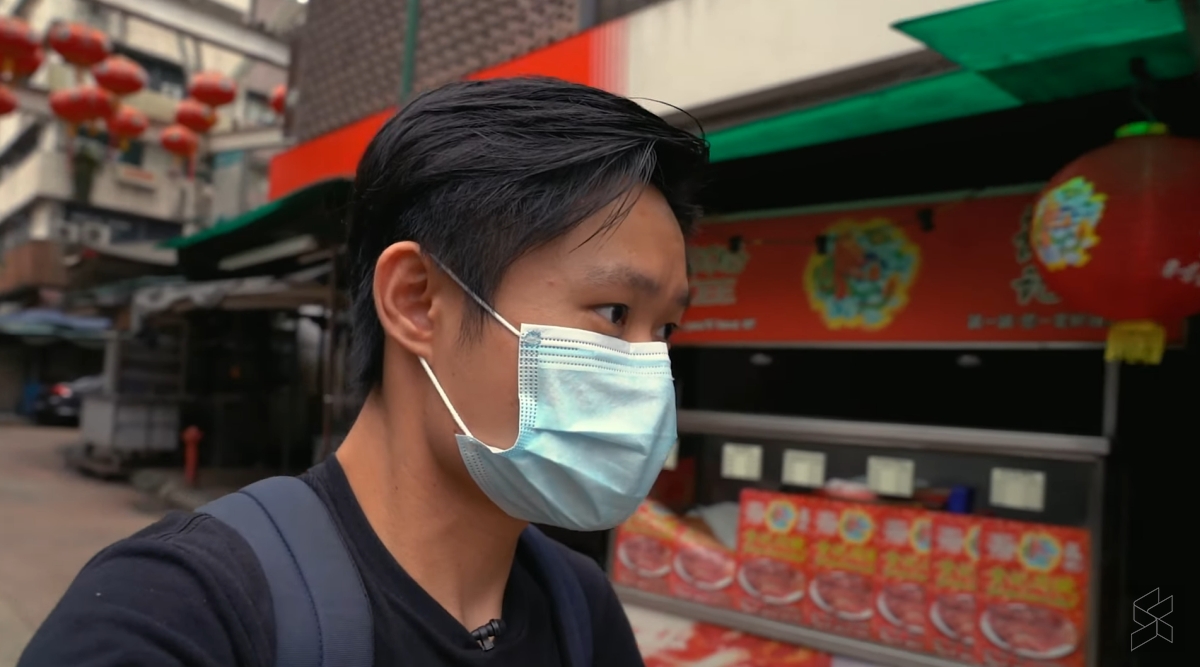
Back in June 2020, the World Health Organisation (WHO) issued a recommendation that the general public use face masks in public areas where there was a risk of COVID-19 transmission. In light of a second global wave, the global health body has now tightened its guidelines on the use of face masks, as first reported by Reuters.

Now, WHO recommends that people living in areas at risk to COVID-19 transmission should always wear masks in public indoor areas such as shops, workplaces, and schools that lack adequate ventilation. Additionally, those who entertain visitors at home—in poorly ventilated areas—should also wear masks. Even in the outdoor settings and well-ventilated areas, masks should still be worn where social distancing (1 metre) is not possible.

“It’s not always easy to determine the quality of ventilation, which depends on the rate of air change, recirculation and outdoor fresh air. So if you have any doubts, it’s safer to simply wear a mask.”

The health body also recommends that masks be worn by everyone in healthcare facilities, including medical personnel, outpatients, and visitors to common areas. If you’re exercising or engaged in vigorous physical activity, however, masks should not be worn—even if you’re in an area that’s at risk to COVID-19 transmission. Instead, ensure that you keep to the recommended social distance: at least 1 metre away from others.

“Masks should be used as part of a comprehensive ‘Do it all!’ approach including physical distancing, avoiding crowded, closed and close-contact settings, good ventilation, cleaning hands, covering sneezes and coughs, and more.”

It’s also worth noting that the use of face masks should also be accompanied by other preventive measures, such as handwashing. The official WHO website explains how you should wear a face mask, and what the differences are between medical, fabric, and N95 face masks.

For example, official guidelines state that medical masks are recommended for health workers, anyone feeling unwell, those waiting for COVID-19 test results, or caregivers to COVID-19 positive patients. Higher risk individuals that are aged 60 and over are also advised to use medical masks, along with people with underlying health conditions.

Meanwhile, non-medical fabric masks can be used by anyone under the age of 60 without underlying health conditions. If you’re unsure about the type of mask to use, head over to the WHO website for the full guidelines. Meanwhile, scroll down to the related reading section for our coverage on the effectiveness of face masks.


[ SOURCE , 2 ]

Related reading

COVID-19: WHO now encourages face masks in public spaces
How effective are homemade cloth face masks against COVID-19?
1 layer? 2 layers? 3 layers? No mask? Does it make a difference?
Tags: covid-19WHOWorld Health Organisation
Nic Ker

Nic Ker

POPULAR

World Health Organisation: You should wear masks in poorly-ventilated indoor spaces

December 5, 2020

SoyaCincau x Dongfeng Pop Up EV Clinic: Track Edition 2026: Chase a podium or cruise with friends; we’re opening the grid to everyone

May 13, 2026
Rear view of the OPPO Find X9 Ultra in Tundra Umber standing vertically on a stone surface with a lush green bokeh background. The device features an eco-friendly vegan leather back with a classic stitching design , vertically oriented Hasselblad and OPPO logos , and a large circular Master Lens camera module with a bronze-toned knurled ring.

Clearing Every Expectation: How the OPPO Find X9 Ultra Redefines the Modern Flagship Experience

April 16, 2026

Volvo EX30 owners affected by recall told not to charge above 70% following two fire incidents in Thailand

May 19, 2026
BYD Inokom Visit - May 2026

BYD is here to stay in Malaysia: CKD with Sime Motors set to happen soon?

May 18, 2026

Sarawak’s Batang Lupar 1 Bridge: Malaysia’s longest river-crossing bridge opens today

May 21, 2026

Copyright © 2025 · SoyaCincau.com
Mind Blow Sdn Bhd (1076827-P)

  • ADVERTISE
  • DISCLAIMER

Copyright © 2026 · SoyaCincau.com – Mind Blow Sdn Bhd (1076827-P)

  • ADVERTISE
  • DISCLAIMER