• 中文版
  • BM
  • News
  • Deals
  • Reviews
    • First Impressions
    • Hands-on
    • Comparisons
  • Tech
    • Mobile
    • Computers
    • Cameras
    • Wearables
    • Audio
    • Drones
  • Telco
    • Celcom
    • Digi
    • Maxis
    • Time
    • Tune Talk
    • U Mobile
    • Unifi
    • Yes
  • Cars
  • Contribute
  • Jobs
Menu
  • 中文版
  • BM
  • News
  • Deals
  • Reviews
    • First Impressions
    • Hands-on
    • Comparisons
  • Tech
    • Mobile
    • Computers
    • Cameras
    • Wearables
    • Audio
    • Drones
  • Telco
    • Celcom
    • Digi
    • Maxis
    • Time
    • Tune Talk
    • U Mobile
    • Unifi
    • Yes
  • Cars
  • Contribute
  • Jobs
Search
  • Tech
    • News
    • Mobile
    • Computers
    • Cameras
    • Wearables
    • Audio
    • Drones
  • Telco
    • Celcom
    • Digi
    • Maxis
    • Time
    • U Mobile
    • Unifi
    • Yes
  • Reviews
    • First Impressions
    • Hands-on
    • Comparisons
  • Buyer’s Guide
  • Opinions
  • Digital Life
  • Video
  • Deals
  • How-To
  • Cars
  • Bahasa Melayu
  • EV
  • Contribute
  • Advertise
Menu
  • Tech
    • News
    • Mobile
    • Computers
    • Cameras
    • Wearables
    • Audio
    • Drones
  • Telco
    • Celcom
    • Digi
    • Maxis
    • Time
    • U Mobile
    • Unifi
    • Yes
  • Reviews
    • First Impressions
    • Hands-on
    • Comparisons
  • Buyer’s Guide
  • Opinions
  • Digital Life
  • Video
  • Deals
  • How-To
  • Cars
  • Bahasa Melayu
  • EV
  • Contribute
  • Advertise
Search
Close
Home News

Former Intel engineer reveals why Apple is switching from Intel to Apple Silicon

  • BY Jinn Xiung
  • 26 June 2020
  • 7:31 pm
  • Comment
Share on FacebookShare on Twitter

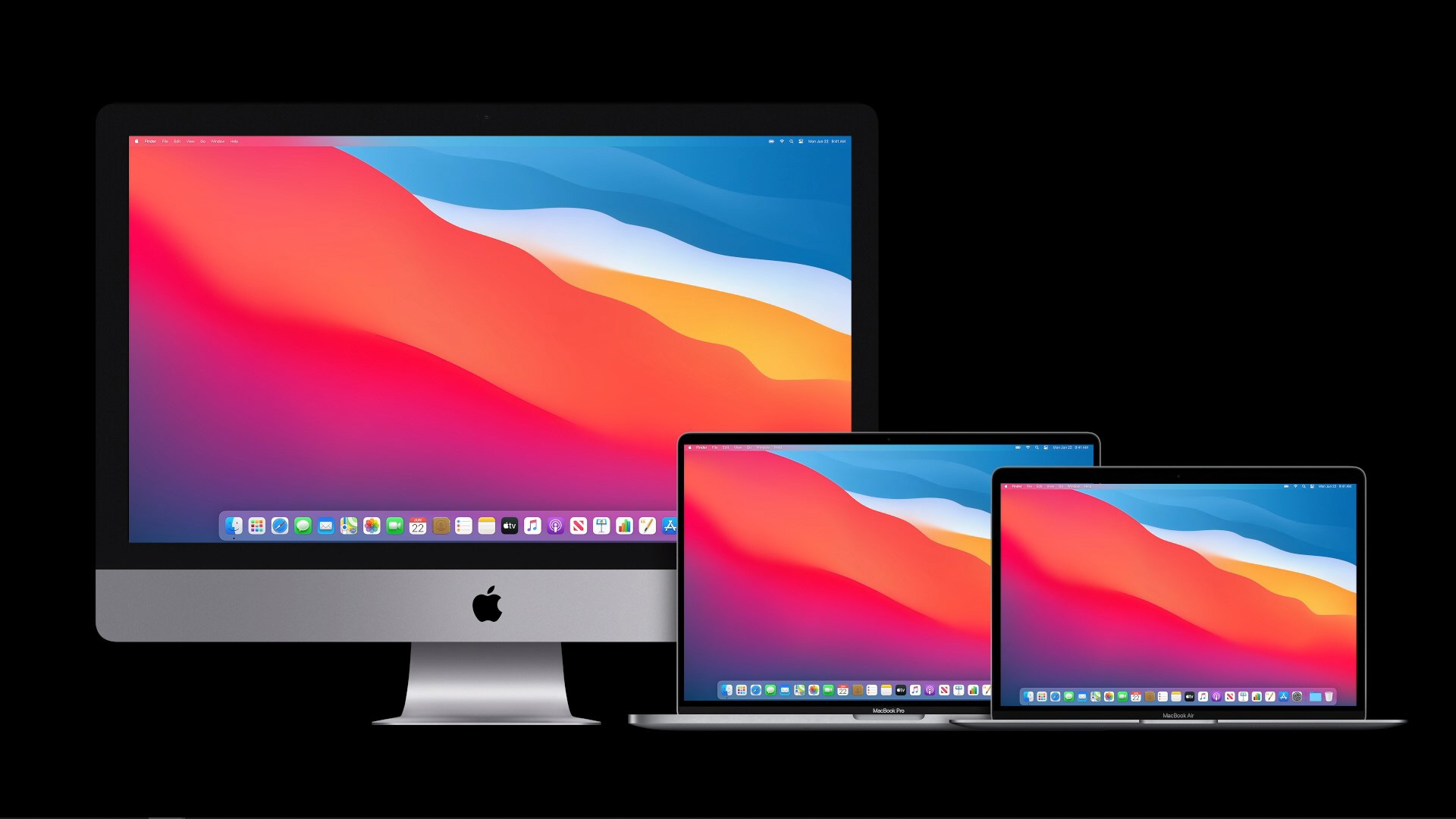
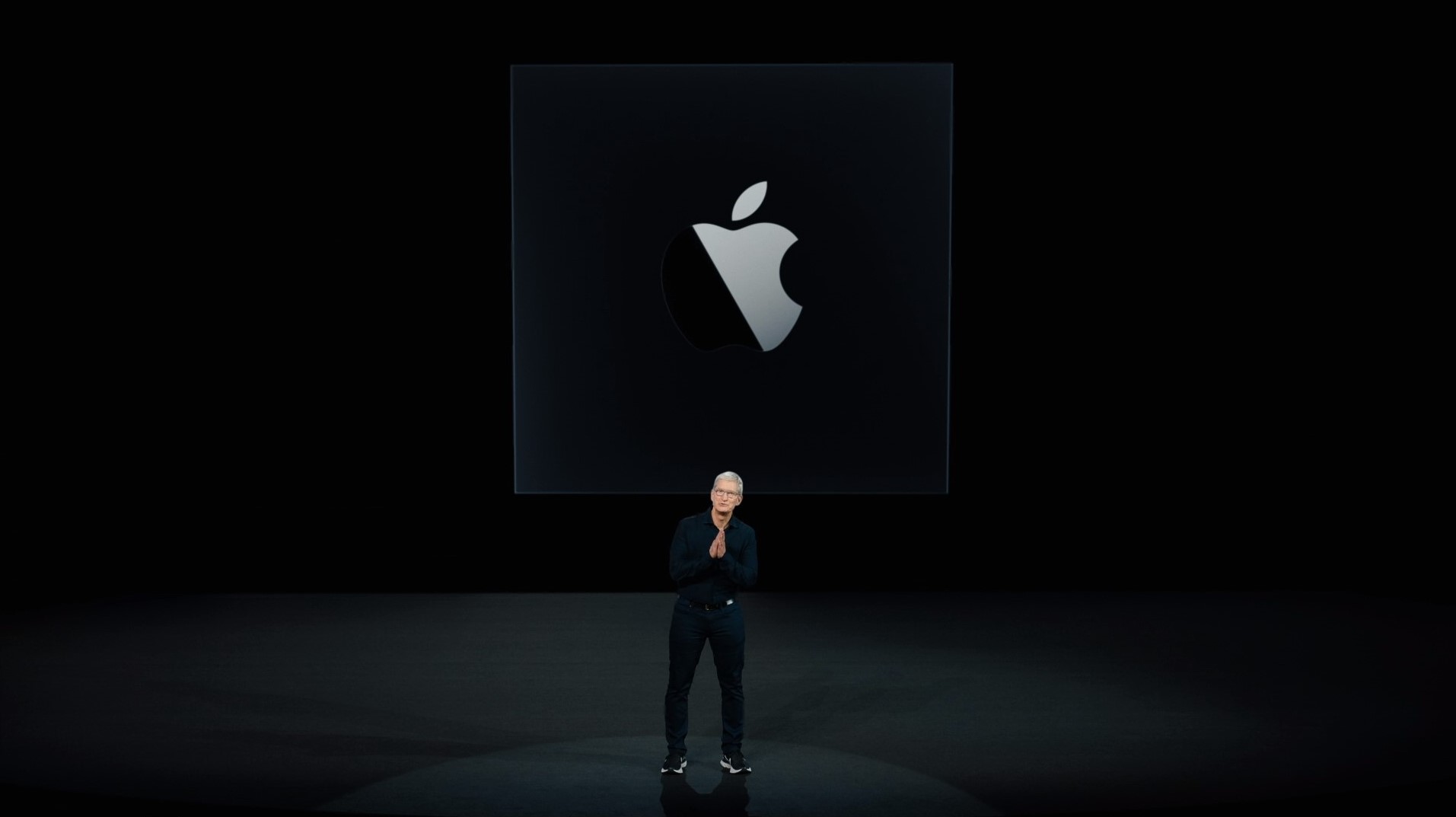
One of the biggest news to emerge from this year’s WWDC was Apple’s switch from Intel processors to its own ARM chips or Apple Silicon for its future Mac computers. Apple has been using Intel processors for the past 15 years. Although Apple claimed the move was because of its plans to consolidate its platforms, there was definitely an underlying reason for its decision. 

A former Intel engineer François Piednoël told PC Gamer that Apple has not been satisfied with Intel’s processors for years. The proverbial straw that finally broke the camel’s back was the quality control issues with Intel’s 2015 Skylake chips.

Here’s what Piednoël had to say:

The quality assurance of Skylake was more than a problem, it was abnormally bad. We were getting way too much citing for little things inside Skylake. Basically, our buddies at Apple became the number one filer of problems in the architecture. And that went really, really bad.

“When your customer starts finding almost as much bugs as you found yourself, you’re not leading into the right place.”

“For me this is the inflection point,” said Piednoël. “This is where the Apple guys who were always contemplating to switch, they went and looked at it and said: ‘Well, we’ve probably got to do it.’ Basically the bad quality assurance of Skylake is responsible for them to actually go away from the platform.”

With that said, this is just the stated opinion of a former Intel engineer, and it shouldn’t necessarily be taken as fact. There is no doubt that there were other reasons for Apple’s switch out from Intel but Piednoël ‘s perspective is nevertheless interesting.
Apple first used Skylake processors with the 2015 iMac and subsequently used the same chips in its 2016 MacBook and MacBook Pro models. Apple’s problems with Intel were not limited to the Skylake incident, Apple’s Mac pipeline has been affected by Intel on several occasions.

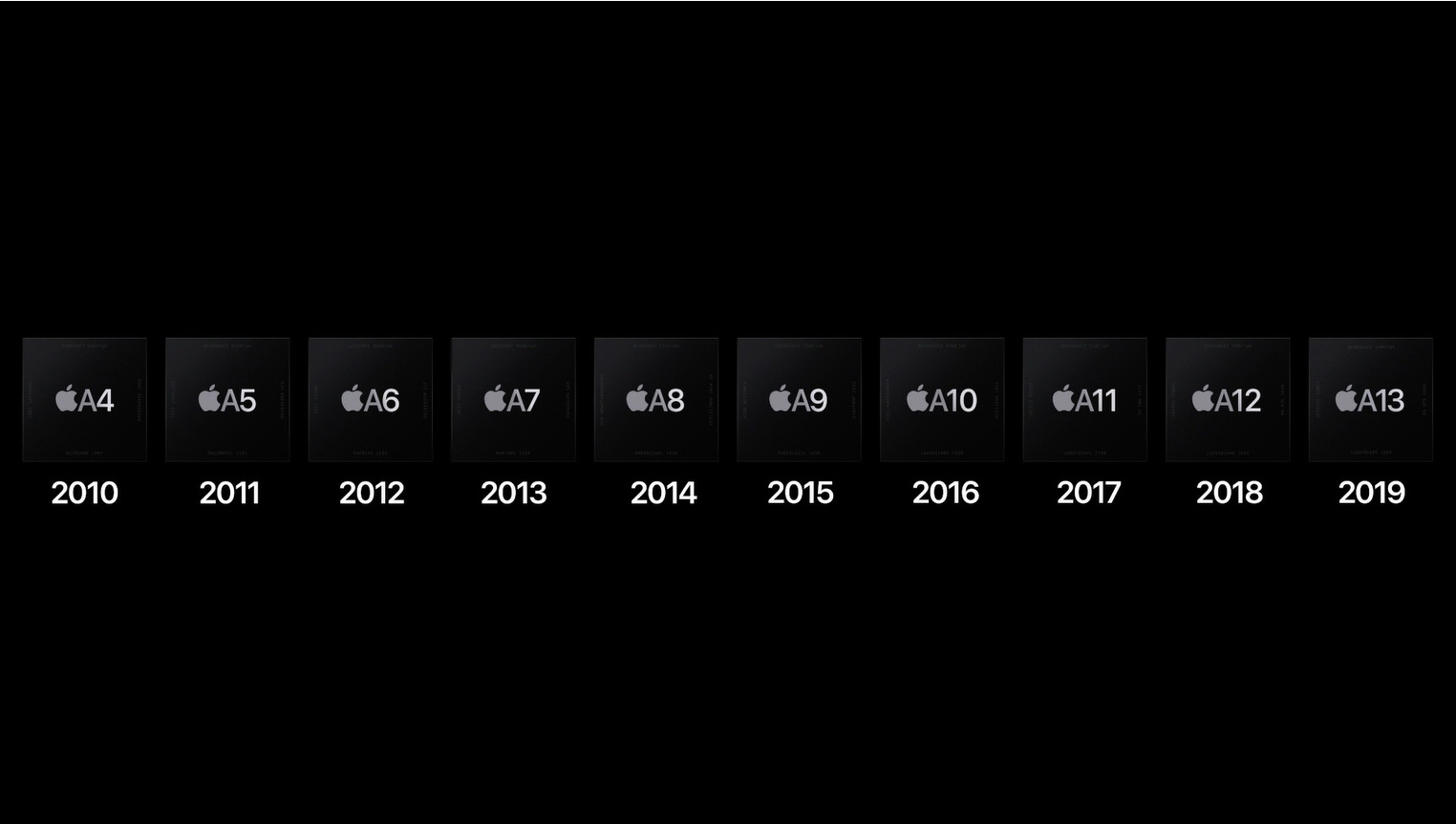
It is not a secret that Apple has always valued integrating hardware and software in its devices, controlling every aspect of the production of its products. The company has already been building its own system on chips (SoCs) for both the iPhone and iPad since 2010. 

Apple has outlined a two-year transition timeline away from Intel. During that time it will still produce Intel-powered Macs. The company expects to ship the first Mac with Apple Silicon by the end of the year.

Following Apple’s explosive announcement, Intel said it would continue to support the Mac through this transition period, but it insisted that its processors were still the best option for developers.

You can watch the entirety of Piednoël’s take on Apple’s decision while he plays X-Plane a flight simulator game in the video below.

https://www.youtube.com/watch?time_continue=4&v=JImi0Vnjvfw&feature=emb_logo

[SOURCE]

Related reading

Apple moves away from Intel, first Mac to use Apple Silicon by end 2020
macOS Big Sur: The top 7 features you need to know
Tags: Apple Siliconintel
Jinn Xiung

Jinn Xiung

POPULAR

Former Intel engineer reveals why Apple is switching from Intel to Apple Silicon

June 26, 2020
vivo V70 FE 200MP camera phone in Malaysia - Best value alternative for phones under RM2,000

High-Resolution Meets High-Endurance: A Closer Look at the vivo V70 FE

April 10, 2026
Apple Tap To Pay on iPhone Malaysia

Apple’s Tap to Pay on iPhone is now in Malaysia

April 22, 2026

Zeekr 8X: Premium 900V PHEV SUV, up to triple-motor setup and 0–100km/h in 2.96s

April 20, 2026

Zeekr 009 upgraded for 2026: 900V architecture, 912hp, swiveling seats and 10-80% charge in 10 minutes

April 26, 2026

Can you and your family enjoy a 100% electric drive without ever plugging in?

April 23, 2026

Copyright © 2025 · SoyaCincau.com
Mind Blow Sdn Bhd (1076827-P)

  • ADVERTISE
  • DISCLAIMER

Copyright © 2026 · SoyaCincau.com – Mind Blow Sdn Bhd (1076827-P)

  • ADVERTISE
  • DISCLAIMER