

• 中文版
  • BM
  • News
  • Deals
  • Reviews
    • First Impressions
    • Hands-on
    • Comparisons
  • Tech
    • Mobile
    • Computers
    • Cameras
    • Wearables
    • Audio
    • Drones
  • Telco
    • Celcom
    • Digi
    • Maxis
    • Time
    • Tune Talk
    • U Mobile
    • Unifi
    • Yes
  • Cars
  • Contribute
  • Jobs
Menu
  • 中文版
  • BM
  • News
  • Deals
  • Reviews
    • First Impressions
    • Hands-on
    • Comparisons
  • Tech
    • Mobile
    • Computers
    • Cameras
    • Wearables
    • Audio
    • Drones
  • Telco
    • Celcom
    • Digi
    • Maxis
    • Time
    • Tune Talk
    • U Mobile
    • Unifi
    • Yes
  • Cars
  • Contribute
  • Jobs
Search
  • Tech
    • News
    • Mobile
    • Computers
    • Cameras
    • Wearables
    • Audio
    • Drones
  • Telco
    • Celcom
    • Digi
    • Maxis
    • Time
    • U Mobile
    • Unifi
    • Yes
  • Reviews
    • First Impressions
    • Hands-on
    • Comparisons
  • Buyer’s Guide
  • Opinions
  • Digital Life
  • Video
  • Deals
  • How-To
  • Cars
  • Bahasa Melayu
  • EV
  • Contribute
  • Advertise
Menu
  • Tech
    • News
    • Mobile
    • Computers
    • Cameras
    • Wearables
    • Audio
    • Drones
  • Telco
    • Celcom
    • Digi
    • Maxis
    • Time
    • U Mobile
    • Unifi
    • Yes
  • Reviews
    • First Impressions
    • Hands-on
    • Comparisons
  • Buyer’s Guide
  • Opinions
  • Digital Life
  • Video
  • Deals
  • How-To
  • Cars
  • Bahasa Melayu
  • EV
  • Contribute
  • Advertise
Search
Close
Home Transport Cars

Geely to produce low-orbit satellites to improve autonomous driving

  • BY Alexander Wong
  • 3 March 2020
  • 4:55 pm
  • Comment
Share on FacebookShare on Twitter

Geely, which owns 49.9% of Proton, has just announced the construction of its intelligent satellite production facility and testing centre in Taizhou, China. It is reported that Zhejiang Geely Holding Group is investing CNY 2.27 billion (about RM1.367 billion) into the facility which will be used to develop and produce low-orbit satellites that will provide accurate data for self-driving vehicles.
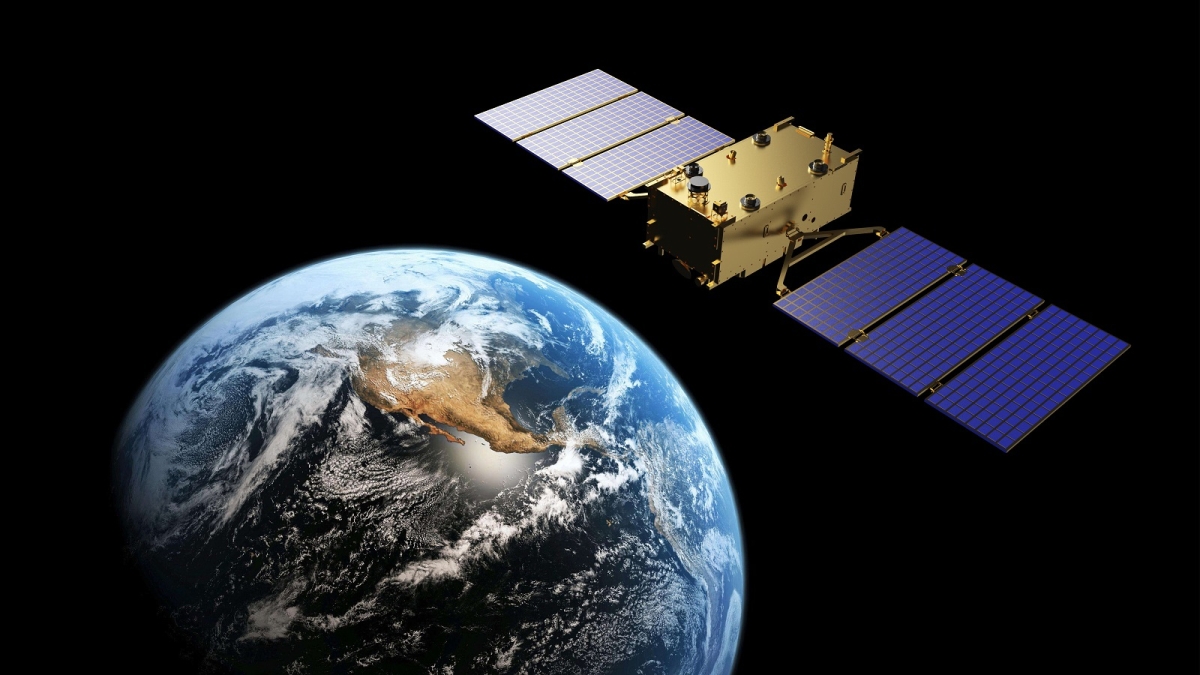
According to Geely, its entry into the field of satellites is part of its transformation into a global mobility technology group. The satellite business will be implemented by Geespace, a Geely company that’s established in 2018 for the development, launch and operation of low-orbit satellites. They are expecting to launch its commercial low-orbit satellite network by the end of this year. According to Reuters, Geely aims to produce 500 satellites a year by 2025.

As vehicles are becoming more connected and integrated into the IoT ecosystem, Geespace’s low-orbit satellite aims to satisfy the demand for data with high-speed connectivity. This will allow seamless OTA updates, cloud computing capabilities and content delivery to users.

Since L4 and L5 autonomous vehicle systems require an advanced navigation ecosystem to help to ensure safe operation, a low-orbit satellite network can provide greater location precision in centimetres, making it possible for accurate lane change and accident avoidance systems. As a comparison, the current high-orbit satellite GPS can only provide accuracy within several metres.

These low-orbit satellites will have a limited lifespan between one to ten years and Geespace will ensure that its satellites will naturally disintegrate into the earth’s atmosphere at the end of its lifecycle. Geely wants to prevent the accumulation of space debris and will take necessary measures to ensure a sustainable presence in space.


[ SOURCE 2, VIA ]

Tags: GeelyGeely Technology GroupGeespaceSatellitesTaizhou
Alexander Wong

Alexander Wong

POPULAR

Geely to produce low-orbit satellites to improve autonomous driving

March 3, 2020

Genting Highlands Road Charges begin 28 May, here are the official rates

May 26, 2026

SoyaCincau x Dongfeng Pop Up EV Clinic: Track Edition 2026: Chase a podium or cruise with friends; we’re opening the grid to everyone

May 13, 2026

Prasarana to introduce tap-in and tap-out with credit cards and QR payments for MRT, LRT and Bus Rides

May 22, 2026

Xiaomi 17T series with 5x optical zoom launching in Malaysia on 28 May

May 24, 2026

Poco Pad C1 launched in Malaysia, priced from RM549: Budget tablet with 9.7″ screen, 7,600mAh battery, Snapdragon 6s 4G Gen 2

May 22, 2026

Copyright © 2025 · SoyaCincau.com
Mind Blow Sdn Bhd (1076827-P)

  • ADVERTISE
  • DISCLAIMER

Copyright © 2026 · SoyaCincau.com – Mind Blow Sdn Bhd (1076827-P)

  • ADVERTISE
  • DISCLAIMER