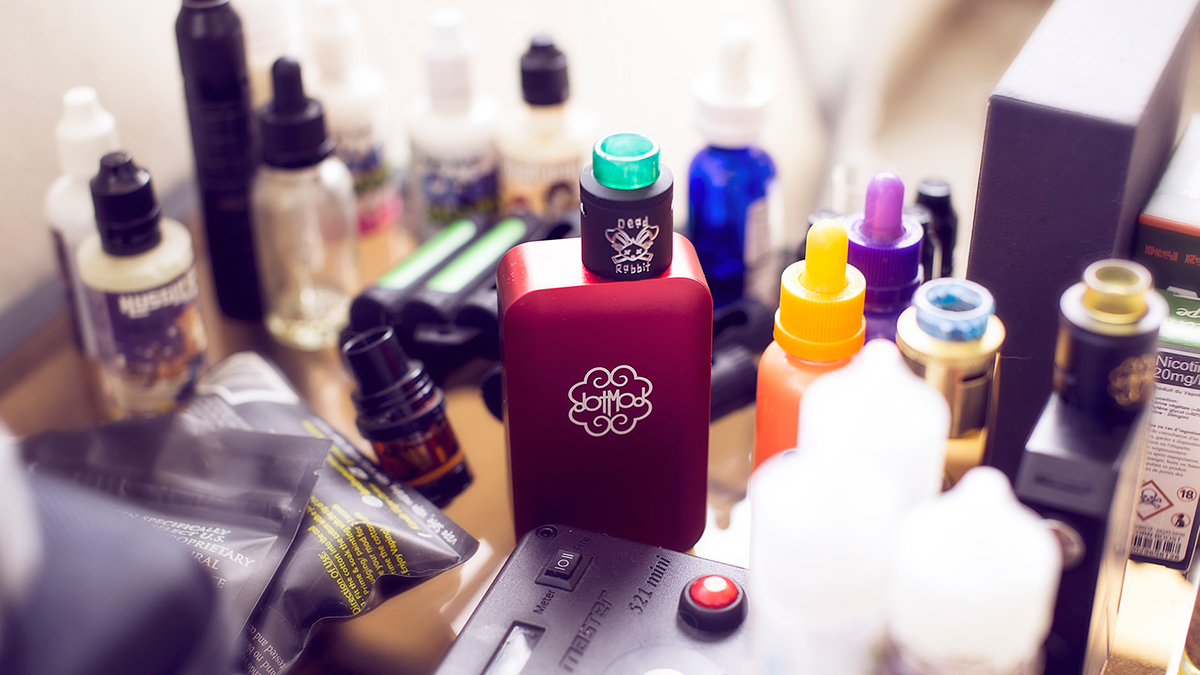
Vaping has been a controversial topic for awhile now. What started out as an alternative to traditional tobacco products has morphed into a cultural phenomenon—which is sort of the issue. Companies such as Juul have marketed the products as a “healthy” alternative, and with multiple flavours available, the worry is that the product is turning into a gateway into nicotine addiction. Meanwhile, a mysterious lung disease—which investigators says is caused by a Vitamin E acetate additive—has claimed multiple lives in the U.S.
Now, Facebook and Instagram has announced that they will no longer allow influencers to promote vaping anymore, along with weapons and tobacco products. While the advertising of these products have already been banned for awhile, a loophole has allowed brands to use influencer marketing to promote the products via “branded content”.
Enforcement of the new rule is starting, and according to Instagram, this is the first time that such restrictions are being placed on the type of branded content an influencer chooses to post. There are also going to be “special restrictions” on posts that push products like alcohol and diet supplements.
Meanwhile, the British Advertising Standards Authority has also banned tobacco companies from marketing vapes (or e-cigarettes) on social media platforms, with certain parties calling for swift enforcement of the new regulations.
More regulation is needed
As for the general topic of vaping, many have called for further investigation and oversight over the industry. Currently, many regions—including Malaysia—have little to no regulation over the e-cigarette market. As a result, companies have marketed the products in a different way than other nicotine-delivery alternatives (such as nicotine gum/patches).
And with the product attracting plenty of youthful users, advertising policies have come to the fore for criticism. Apple recently removed all vape-related apps from the App Store, while CNN also stopped running advertisements on its network. Juul, a well-known manufacturer, has been subjected to multiple lawsuits for advertising practices, as well as quality control concerns.
All that points to one thing—more regulation is needed. In Malaysia, vaping e-liquids are regularly sold without being approved, and there appears to be a great degree of confusion. A quick Google search reveals that vaporisers are currently still legal in Malaysia, although there are considerations to impose a ban on vape-related products.
However, other sources state that the sale of nicotine from 3rd parties falls under drug laws, while there are also sources that state that the sale of nicotine-containing e-liquids have been banned since November 2015.
Clarity is certainly needed.
[ SOURCE ]