
Malaysia wants 30,000 public EV charging points by 2030. That sounds ambitious on paper, but how does the government actually plan to achieve it?
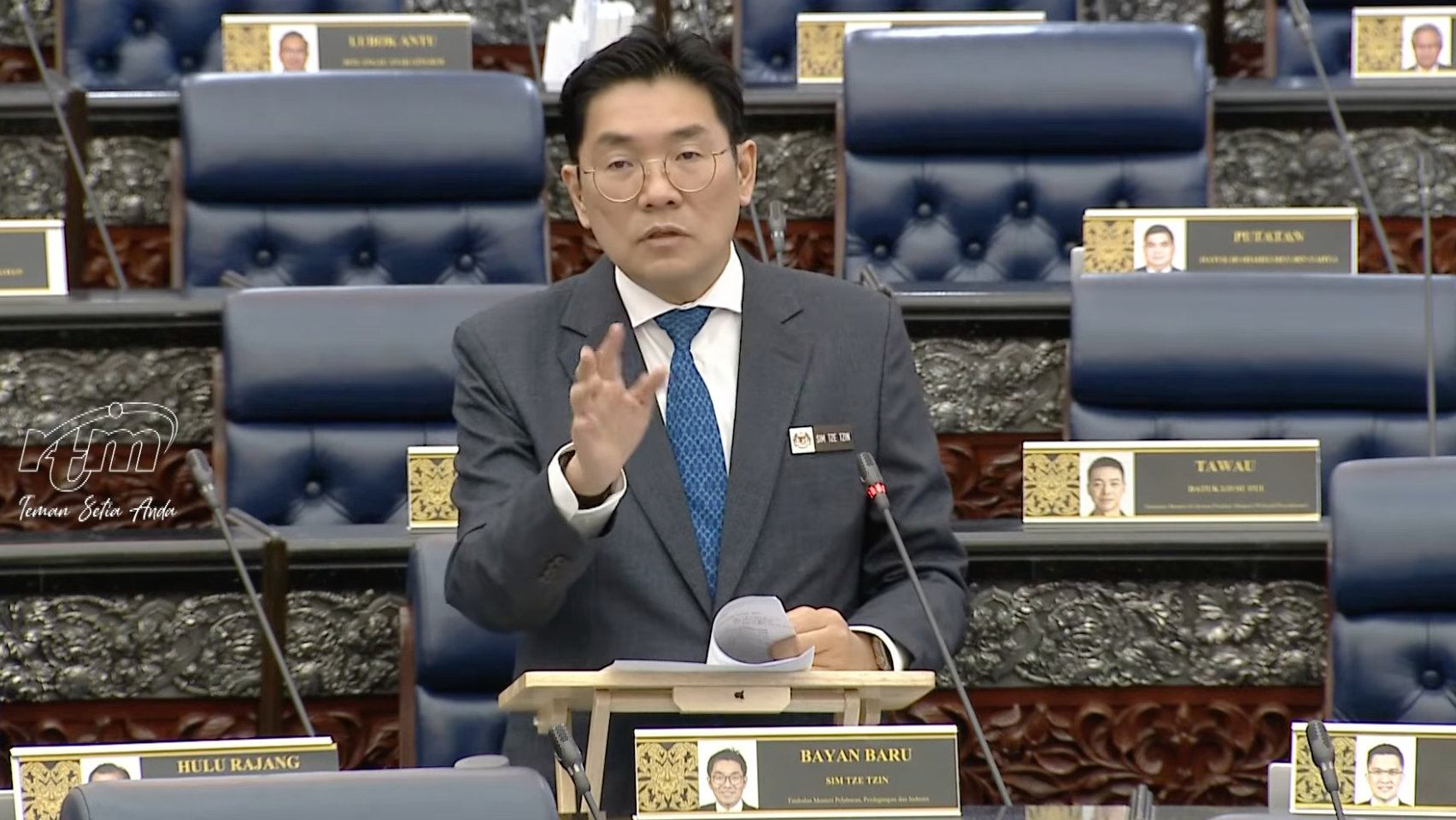
During today’s Parliament session in Dewan Rakyat, Deputy Minister of Investment, Trade and Industry (MITI) Sim Tze Tzin revealed that Malaysia had 7,341 public EV chargers installed nationwide as of 30 September 2026.
When questioned by Sembrong MP YB Dato’ Seri Hishammuddin bin Hussein and Kubang Pasu MP Dato’ Wira Dr. Ku Abd Rahman bin Ku Ismail on how the government plans to quadruple that number by 2030 and address the charging infrastructure gap in rural areas, Sim acknowledged that there are no mandatory requirements for Charge Point Operators (CPOs) to deploy chargers at specific locations.
“Setakat ini kita belum ada mandatory minta mereka pasang di sini dan sebagainya. At this point, kita menggalakkan,” he said.
In other words, the government is still relying largely on encouraging private investment, even as Malaysia faces significant challenges in deploying charging infrastructure to keep up with the growth of EVs.
While MITI highlighted efforts to streamline approvals and coordinate between government agencies, the parliamentary reply did not provide a detailed deployment roadmap, annual milestones or a clear explanation of how the 30,000 EV charge point target was established in the first place.
Malaysia needs to more than double its EV charger rollout pace

Let’s look at the numbers. Malaysia already missed its original target of 10,000 public EV charging points by 2025, ending last year with just 5,624 units, as highlighted by the MP for Kubang Pasu.
According to the deputy MITI minister, there are now 7,341 EV charge points as of September 2026, which consists of 4,992 AC and 2,349 DC charging points. This means Malaysia has achieved just 24.5% of its 30,000 target, with slightly more than four years remaining.
To hit 30,000 by the end of 2030, Malaysia needs another 22,659 charging points over the 51 months from October 2026 to December 2030.
That’s approximately 102 additional EV charging points every single week.
For comparison, Malaysia added 1,717 chargers in the first nine months of 2026, averaging only around 44 per week. If Malaysia is serious about achieving its 30,000 target, it needs to more than double its current deployment pace and sustain it for the next four years.
Even neighbouring Singapore is further ahead. Despite its much smaller geographical size, Singapore is targeting 60,000 charging points by 2030, including 40,000 in public car parks and 20,000 on private premises. As of March 2026, it had already deployed 30,500 charging points.
Singapore has also committed to having at least one fast charging hub in every HDB town by the end of 2027. That’s a specific geographical deployment commitment, rather than just a nationwide target.
More importantly, the figures reported by MITI refer to chargers installed. It isn’t clear if this means chargers that are actually operational and available for public use.
Why does it take 18 months to activate an EV charger along highways in Malaysia?
During the parliamentary session, Sim described EV adoption and charging infrastructure development as a “chicken and egg” situation.
He argued that greater EV adoption would encourage more CPOs to invest in charging infrastructure, which would eventually improve accessibility and competition.
However, the biggest hurdle isn’t necessarily a lack of private sector interest. Malaysia already has 20 active CPOs, according to MITI, but getting an EV charger installed and activated remains a lengthy and frustrating process.
According to industry sources, it takes an average of approximately 18 months to get a highway EV charging site operational in Malaysia, compared to around three to four months in neighbouring countries.
Some projects take significantly longer.

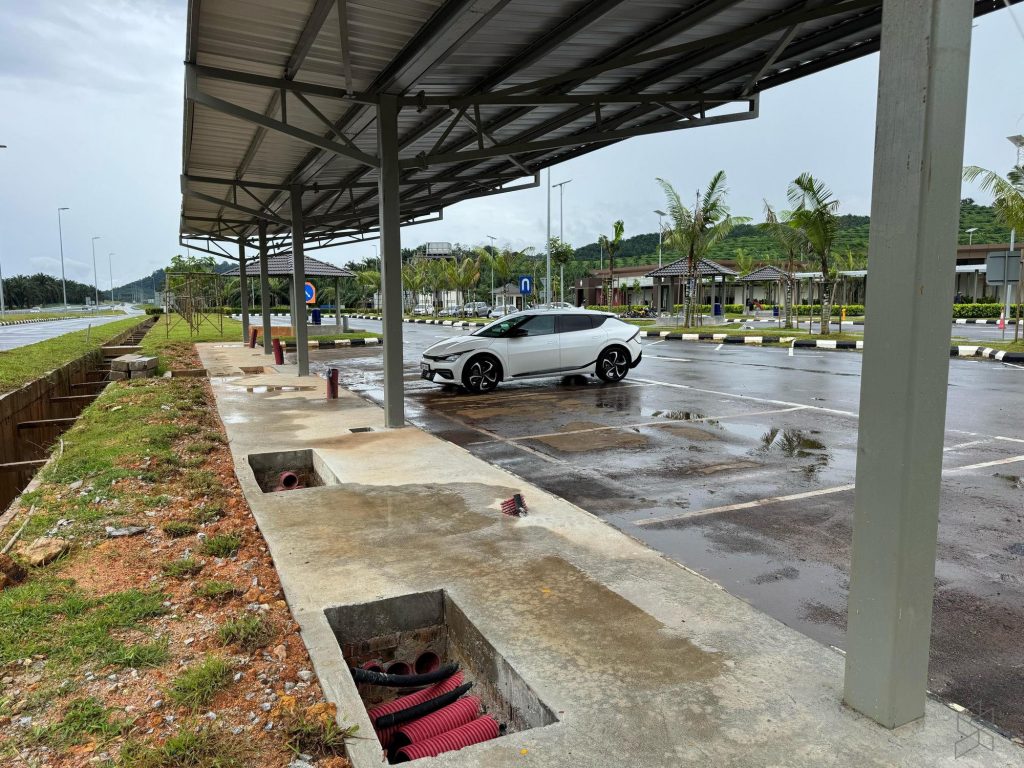
One embarrassing example is Shell Recharge 180kW DC charger at Temerloh R&R (KL-bound). The EV charging site on LPT highway was finally switched on in October after sitting idle for more than 28 months!
This isn’t an isolated concern. There are other charging sites where the hardware has already been installed, but the chargers remain offline while awaiting the necessary approvals, electrical connections or infrastructure upgrades.
For perspective, U Mobile managed to roll out its nationwide 5G network and achieve 90% population coverage within approximately 15 months. Technical differences aside, the comparison exposes a jarring gap in deployment urgency.
MITI highlighted efforts to streamline approvals through PLANMalaysia’s EV Charging Bay Planning Guidelines. Under these guidelines, complete applications can be processed by local authorities within 14 working days.
While that sounds like a positive step, local authority approvals are only part of the process. Grid connections, substations and other regulatory requirements can still delay a charging site long after the equipment has been installed.
If Malaysia needs to install more than 100 new charging points every week, reducing these delays should be a national priority. There’s a need for an agency similar to MCMC that looks into EV charger deployment, uptime and availability.
Don’t just blame TNB substations. We need a proper highway charging corridor plan
When questioned about the lack of charging infrastructure in rural areas and smaller towns, Sim pointed to the cost and complexity of building electrical substations.
He explained that TNB needs time to plan and construct substations, while the investment must also make commercial sense based on the number of potential users.
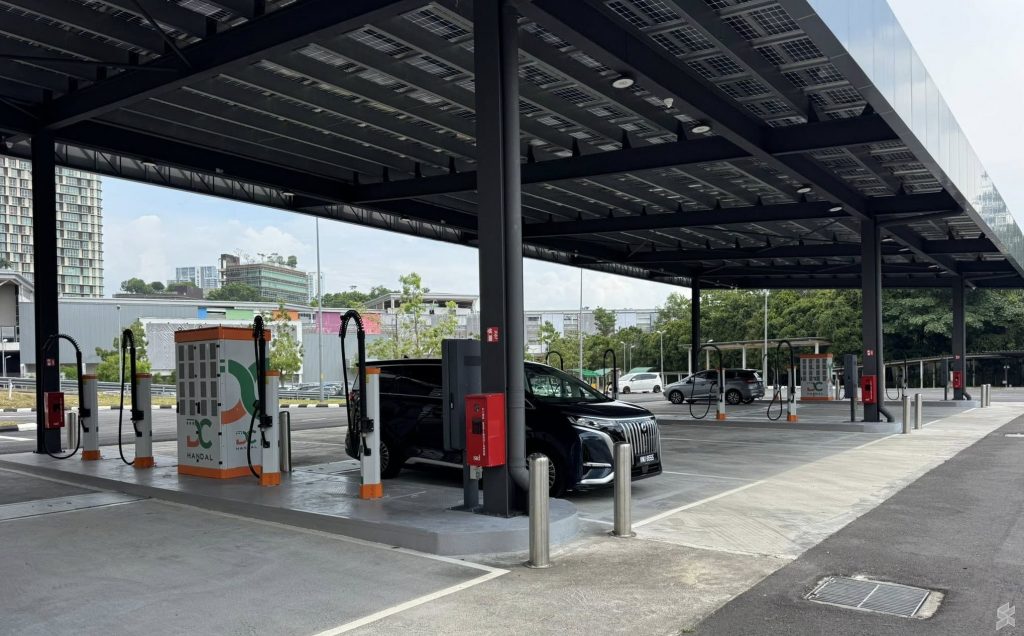
According to MITI, there are currently 148 operational DC charging units at R&Rs, lay-bys and petrol stations along major highways, including PLUS, WCE and LPT.
However, the number of chargers alone doesn’t tell the full story. What matters is whether EV drivers can reliably access high-powered chargers at strategic locations without having to worry about queues, broken equipment or large gaps between charging stops.
Nobody is denying that electrical substations and grid upgrades cost money. But if the government is serious about reducing Malaysia’s dependence on fossil fuels, why isn’t there a coordinated national plan to build the necessary electrical capacity ahead of demand?
Just look at Malaysia’s High-Speed Broadband (HSBB) which accelerated the deployment of fibre connectivity nationwide. Through a public–private partnership with Telekom Malaysia, fibre infrastructure was rolled out not just where it was immediately profitable, but where it was strategically necessary. Government funding, long-term planning and clear targets helped de-risk investment and allowed infrastructure to be built ahead of demand.
Instead of expecting individual CPOs to bear substantial infrastructure upgrade costs without exclusive access to the resulting grid capacity, the government should identify strategic interstate highway corridors and coordinate the required grid upgrades with TNB.
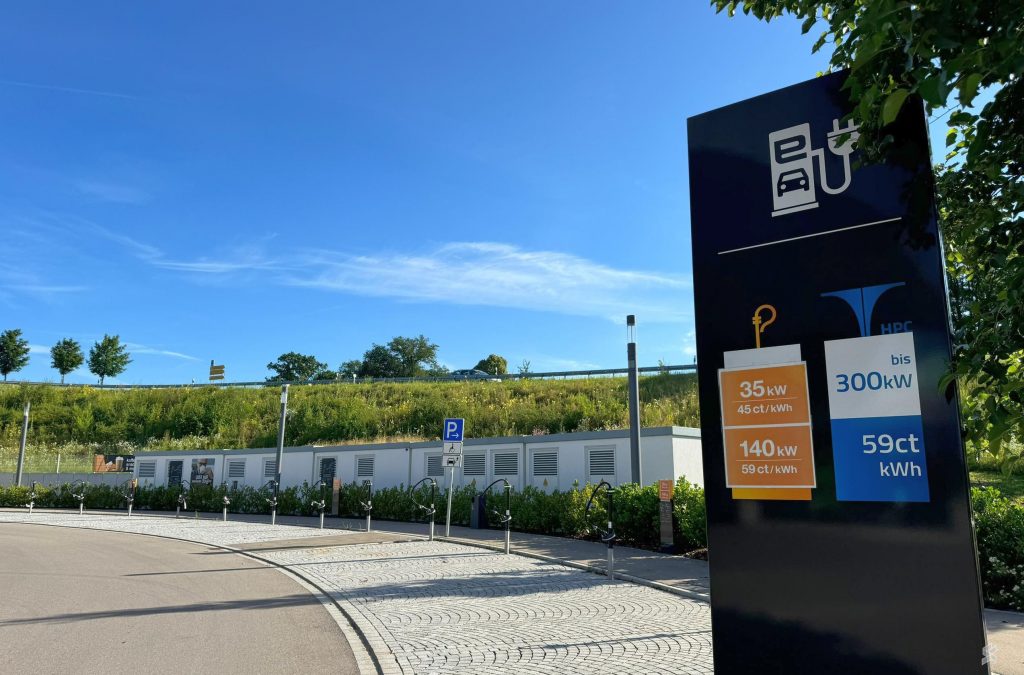
One approach worth considering is to establish dedicated high-powered megawatt-scale charging hubs at intervals of 100km along major highways, with at least 20 DC charging points per hub and multiple CPOs competing at the same location. Not just for Peninsular Malaysia but also in East Malaysia along the Pan Borneo Highway.

Such a model would provide greater certainty for operators, improve charging redundancy and make long-distance EV travel more predictable. Ultimately, it builds range confidence for budget EVs and it helps to accelerate EV adoption in the country knowing that they won’t need to worry about chargers along the highway.
The government could facilitate suitable land, shared electrical infrastructure and long-term operating agreements, allowing CPOs to focus on deploying and maintaining chargers rather than navigating the same infrastructure bottlenecks individually.
Government wants private investment but is reducing CPO tax incentives
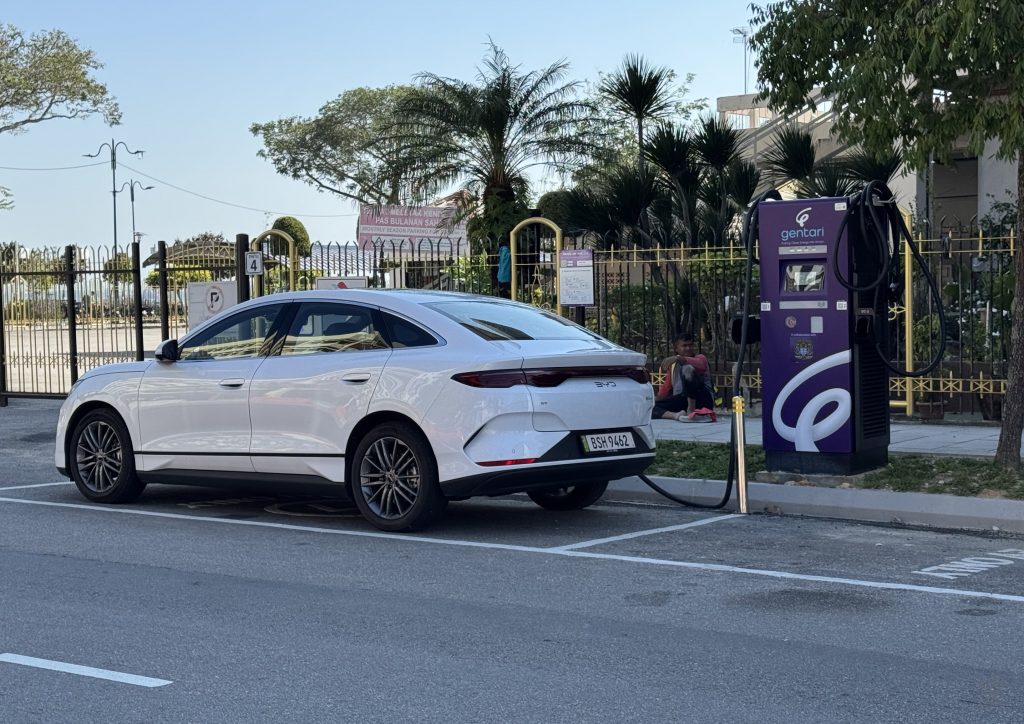
What makes MITI’s reliance on private investment more concerning is the government’s approach to financial incentives for charging operators.
Following the tabling of Budget 2027, the government appears to be reducing the existing Green Investment Tax Allowance (GITA) for EV charging station projects.
Under the current scheme, eligible CPOs can claim a 100% investment tax allowance over five years, with a 100% set-off against statutory income.
Although Budget 2027 proposes extending the scheme until the end of 2030, the allowance will be reduced to 60%, while the statutory income set-off limit will fall to 70%.
However, the government has not announced any new direct financial incentives to address charging infrastructure deployment bottlenecks. Instead, Budget 2027 proposes reducing the existing GITA benefits for CPOs, even as MITI continues to rely heavily on private investment to achieve its 30,000-charger target.
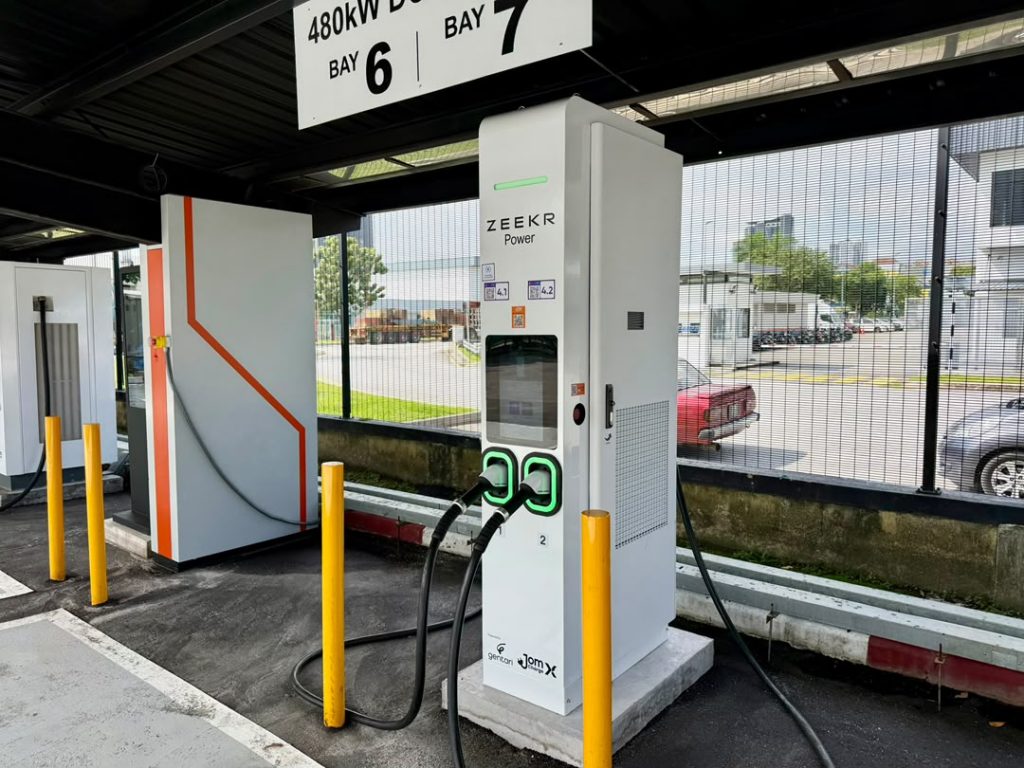
During today’s parliamentary session, Kubang Pasu also asked whether the government was considering an EV levy to support charging infrastructure development.
Sim confirmed that the idea remains under study and cautioned against introducing such a measure hastily.
While an EV levy may provide another source of funding, it remains unclear how such a mechanism would work, who would pay and whether the proceeds would be specifically allocated towards improving charging infrastructure.
The bigger question remains: how does the government expect private operators to accelerate deployment when the commercial challenges remain unresolved and existing tax incentives are being reduced?
Affordable EVs face restrictions while Malaysia spends RM40 billion on fuel subsidies
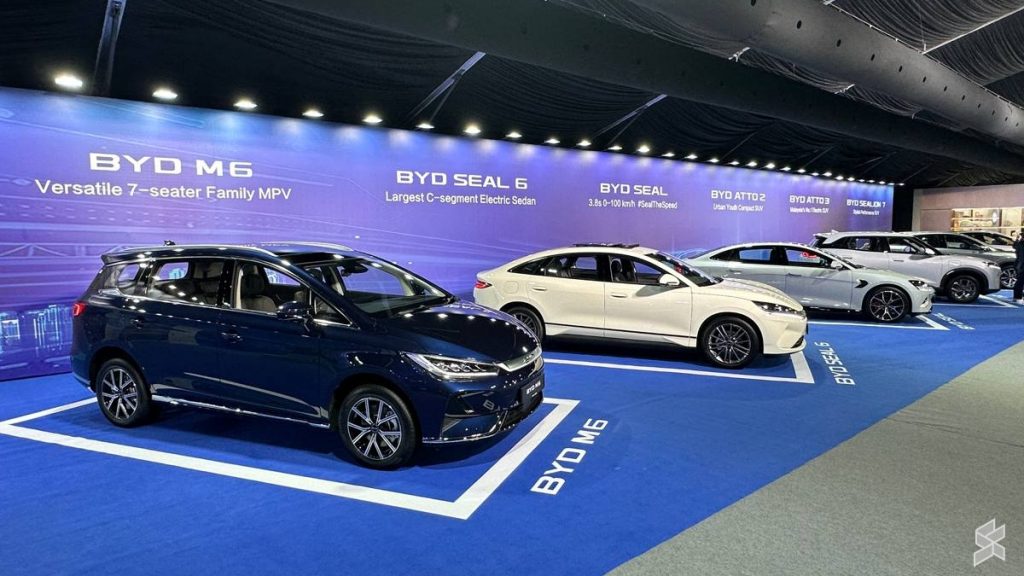
Malaysia’s broader automotive and energy policies also raise questions about how serious the country is about accelerating the transition away from fossil fuels.
While neighbouring countries are introducing measures to promote EV adoption, Malaysia ended its CBU EV excise and import duty exemptions on 31 December 2025.
The government has also tightened restrictions on fully imported EVs. Since 1 July 2026, new CBU EV imports have been subject to a minimum Cost, Insurance and Freight (CIF) value of RM200,000 and a minimum motor output of 180kW, significantly limiting the entry of lower-priced imported models.
Meanwhile, Malaysia has also imposed a minimum on-the-road price of RM100,000 for new CKD automotive assembly projects.
The government’s objective is to encourage local manufacturing, technology transfer, investment and job creation. These are legitimate industrial goals, but there is also a trade-off when it comes to making EVs affordable for the masses.
With these restrictions, Malaysia is narrowing the options for introducing more affordable EVs at a time when the industry needs broader adoption to support investment in charging infrastructure.
At the same time, the government said it is prepared to absorb increase in fuel subsidies which could reach RM45 billion annually if global oil prices remain elevated.
Despite saying that less than 1% of consumers utilise more than 200 litres per month, the government recently restored the BUDI95 subsidised petrol quota from 200 litres to 300 litres per month at RM1.99 per litre. This makes petrol significantly more affordable for eligible Malaysians and remains one of the cheapest in the region.

Fuel subsidies serve an important purpose in protecting consumers and businesses against rising living costs. However, the government also needs a credible long-term strategy to reduce reliance on these subsidies.
This should include incentives for SMEs and logistics operators to transition towards electric commercial vehicles, alongside the development of charging infrastructure that can support electric vans and lorries.
Rather than continuing to rely heavily on subsidised fossil fuels, Malaysia should be investing more aggressively in electrical infrastructure that can support cleaner and more efficient transport over the long term.
Who is accountable for Malaysia’s 30,000 EV charge point target?
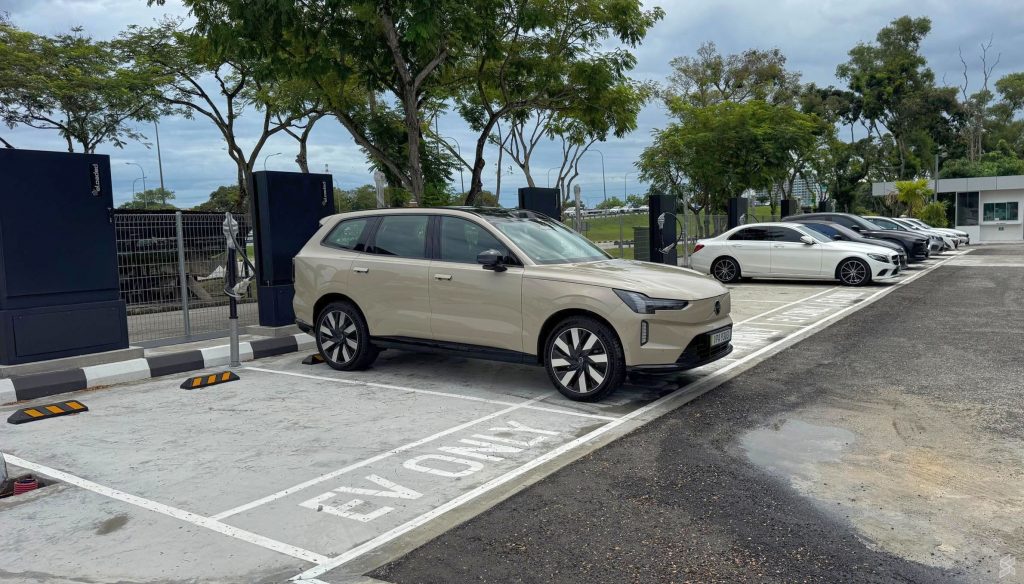
Perhaps the most revealing part of today’s parliamentary exchange was what the Deputy Minister did not answer.
Kubang Pasu asked how the government arrived at the 30,000 EV charge point target, including whether it was based on the projected number of EVs on Malaysian roads or a particular EV-to-charger ratio.
Sim did not provide a clear explanation.
He also shared that charging an EV at home could save users around 30% even when compared to using BUDI95 petrol, based on information provided to MITI by CPOs.
While home charging can offer substantial running cost savings, that alone won’t resolve the infrastructure challenges faced by Malaysians who cannot install home chargers, or those who need to travel long distances.
The government has introduced measures to streamline approvals and improve coordination between agencies, including the National EV Task Force chaired by MITI and the National EV Steering Committee chaired by the Deputy Prime Minister.
However, there are still no mandatory location-specific deployment requirements for CPOs and local authorities, no publicly disclosed annual milestones towards 2030 and no clear explanation of how the target was determined.
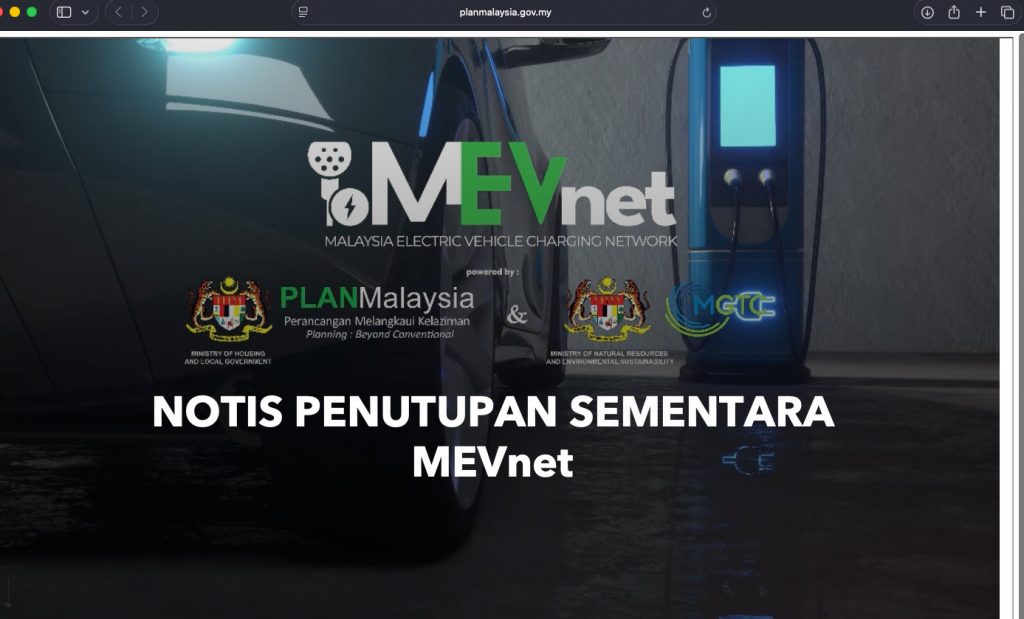
Adding to the transparency and accountability concerns, Malaysia’s MEVnet dashboard, which previously allowed the public to monitor the nationwide rollout of EV charging infrastructure, is no longer available. The government had previously indicated that a replacement platform was being developed, but a publicly accessible successor has yet to be established.
How are Malaysians supposed to independently track progress towards 30,000 charging points when even the national public dashboard is unavailable?
Malaysia has already missed its original 10,000 target for 2025. To avoid repeating the same outcome in 2030, the government needs to provide more than just encouragement.
It needs a transparent and clear national deployment roadmap, measurable annual targets, coordinated grid investment and a clear mechanism to resolve the bottlenecks preventing installed chargers from going live.
After all, a good EV charging experience isn’t just about the number of charging points installed, but whether they are operational, accessible and located where drivers actually need them.
The question now is whether the government can deliver the infrastructure required to support Malaysia’s growing EV population and who ultimately be held accountable if the 2030 target is missed again.