
If you’re planning to buy a fully imported (CBU) vehicle, here’s one thing you should check before you drive away: Does it come with a Vehicle Type Approval (VTA) sticker?
Puspakom has issued a reminder that the VTA sticker is mandatory for all imported vehicles after a recent case involving a CBU vehicle being rejected during inspection due to the absence of the required VTA label.
According to Puspakom, the requirement is based on a directive introduced by the Road Transport Department (JPJ) effective 1st July 2014 following the National Committee for VTA and Homologation Meeting Bil. 3/2014.
Additional product labelling inspection procedures for imported vehicles were further enforced from 1st January 2017 under Malaysia’s VTA framework in compliance with United Nations (UN) vehicle regulations.
What is the VTA sticker and why does it matter?
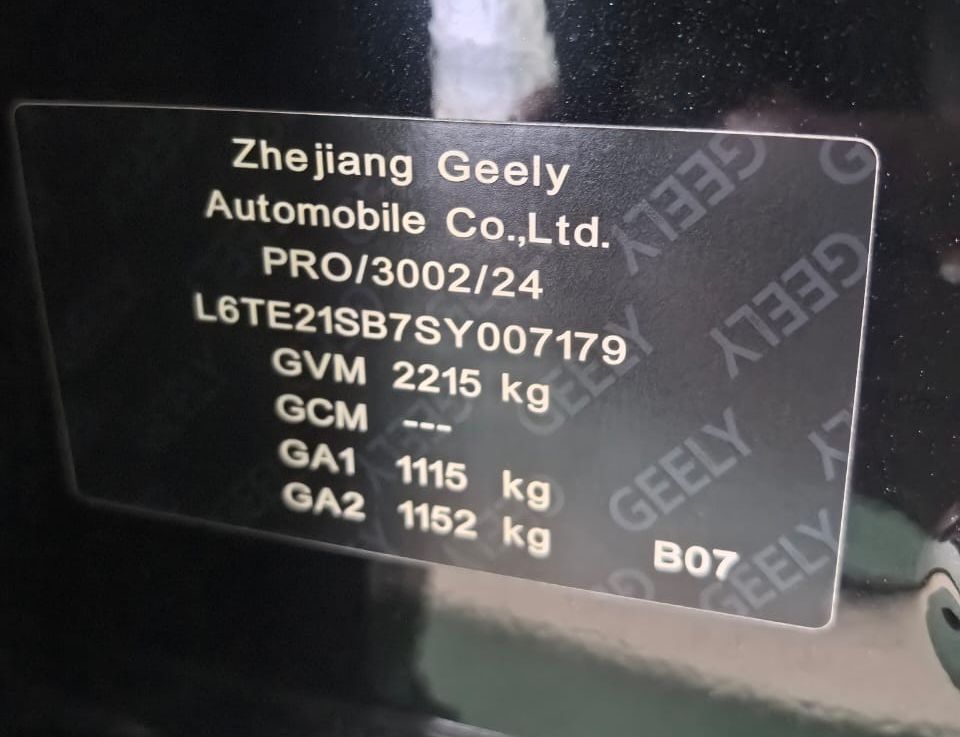
Puspakom explained that the VTA sticker serves as a critical verification mechanism that displays essential approval and technical compliance details, confirming that a vehicle meets the regulatory, safety and technical standards set by the authorities. While the requirement has long been in place, Puspakom emphasises that continued awareness and compliance remain vital, especially when vehicle ownership transactions, import activities and enforcement checks continue to evolve.
According to Puspakom, the sticker also provides owners and prospective buyers with immediate visibility into a vehicle’s approval status and origin. This is particularly important in distinguishing imported CBU vehicles from locally assembled CKD models, which are subject to different regulatory, taxation and compliance requirements.
Besides identification, the VTA sticker also helps to confirm the vehicle’s legitimacy which reduces the risks associated with unauthorised or “half-cut” vehicles. It also supports insurance valuation and underwriting, and provide assurance that the vehicle complies with Malaysian safety and technical standards.
The standardised labelling also allows enforcement agencies to verify vehicles more efficiently during inspections and road checks, including checks involving Approved Permits (AP), trade regulations and applicable tax requirements.
Puspakom added that proper labelling contributes to a more transparent and accountable automotive market, which aligns with the national efforts to uphold safety standards and protecting road users.
When do you need Puspakom inspection?
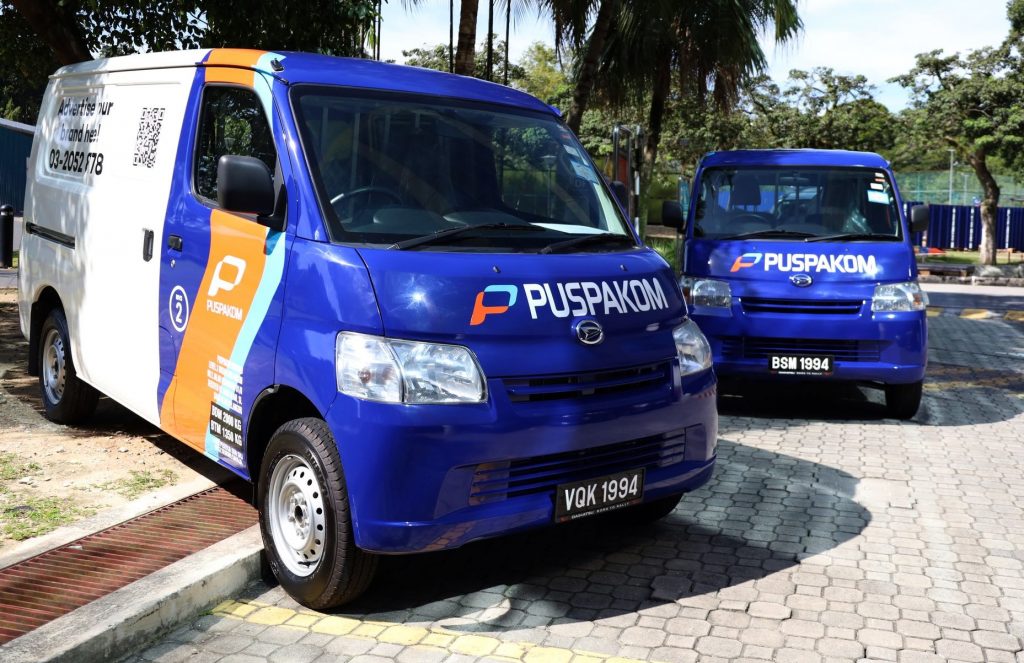
As the national vehicle inspection company, Puspakom iterated that clear and compliant vehicle documentation including the VTA sticker can help support smoother inspection processes.
Puspakom inspections are mandatory for the following:
- Transfer of ownership for used vehicles
- Renewal of commercial vehicle roadworthiness (every 6 months)
- Vehicles with road tax expired for more than three years
- Modified vehicles (e.g. engine or chassis changes)
- New and used imported vehicles prior to registration
For imported CBU vehicles, proper approval and labelling indicate that the vehicle has already undergone the required regulatory assessments, which may facilitate verification during inspection.
Puspakom Chief Executive Officer (CEO) Mahmood Razak Bahman said proper vehicle labelling is essential in maintaining accountability and confidence within the automotive industry.
“Compliance is not merely a regulatory obligation, it is a responsibility to ensure transparency, safety and trust across the automotive ecosystem. Consumers deserve clarity on what they are purchasing, and proper labelling plays a key role in safeguarding them from potential risks associated with non-compliant or unauthorised vehicles,” he added.
The enforcement and awareness of the VTA labelling requirement are aimed at supporting broader national objectives which include upholding fair trade practices under frameworks such as ASEAN trade agreements, ensuring proper taxation and import compliance, and protecting the integrity of Malaysia’s automotive market.
Puspakom said it remains committed to working with regulatory authorities and industry stakeholders to strengthen compliance and public awareness of the VTA labelling requirement.