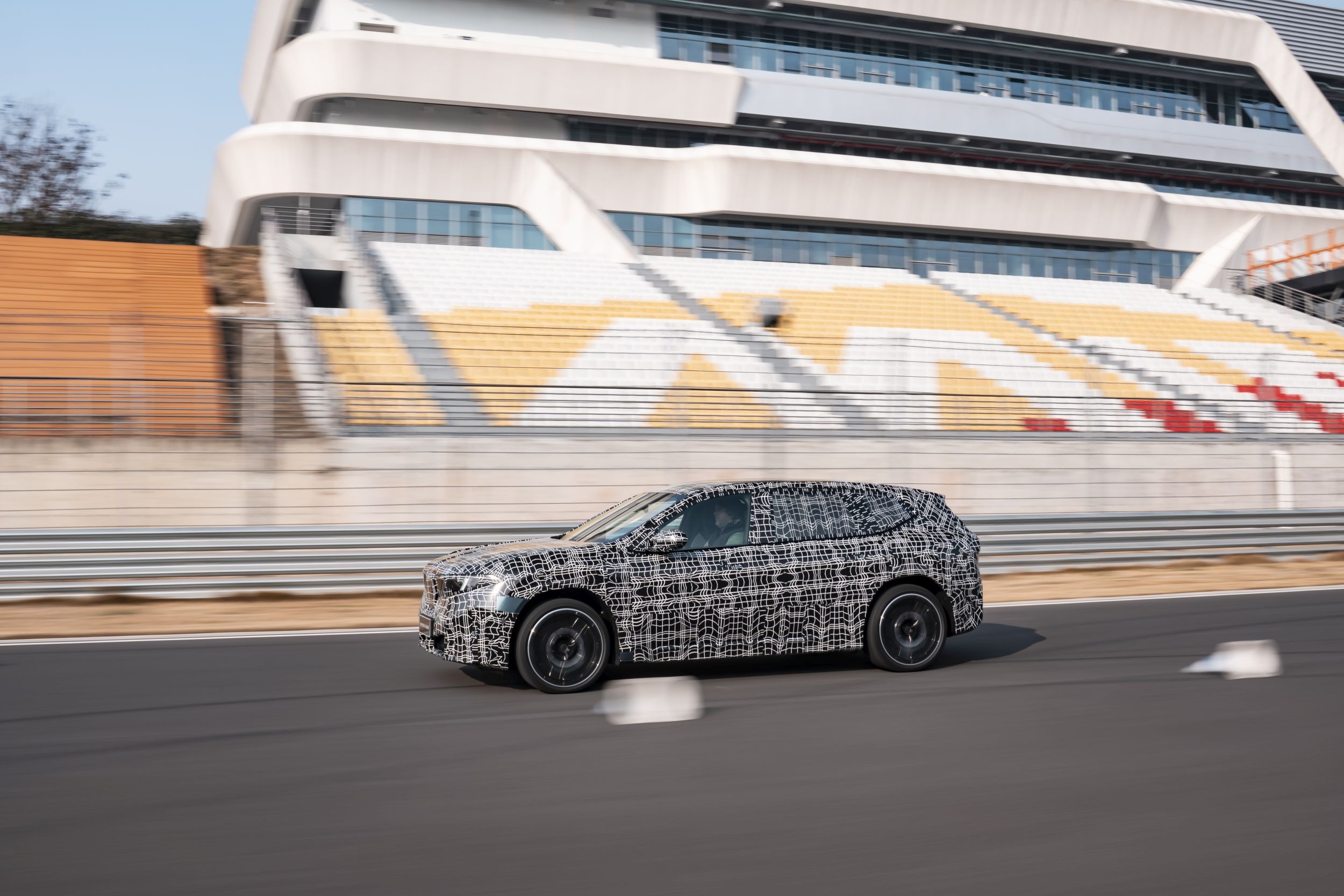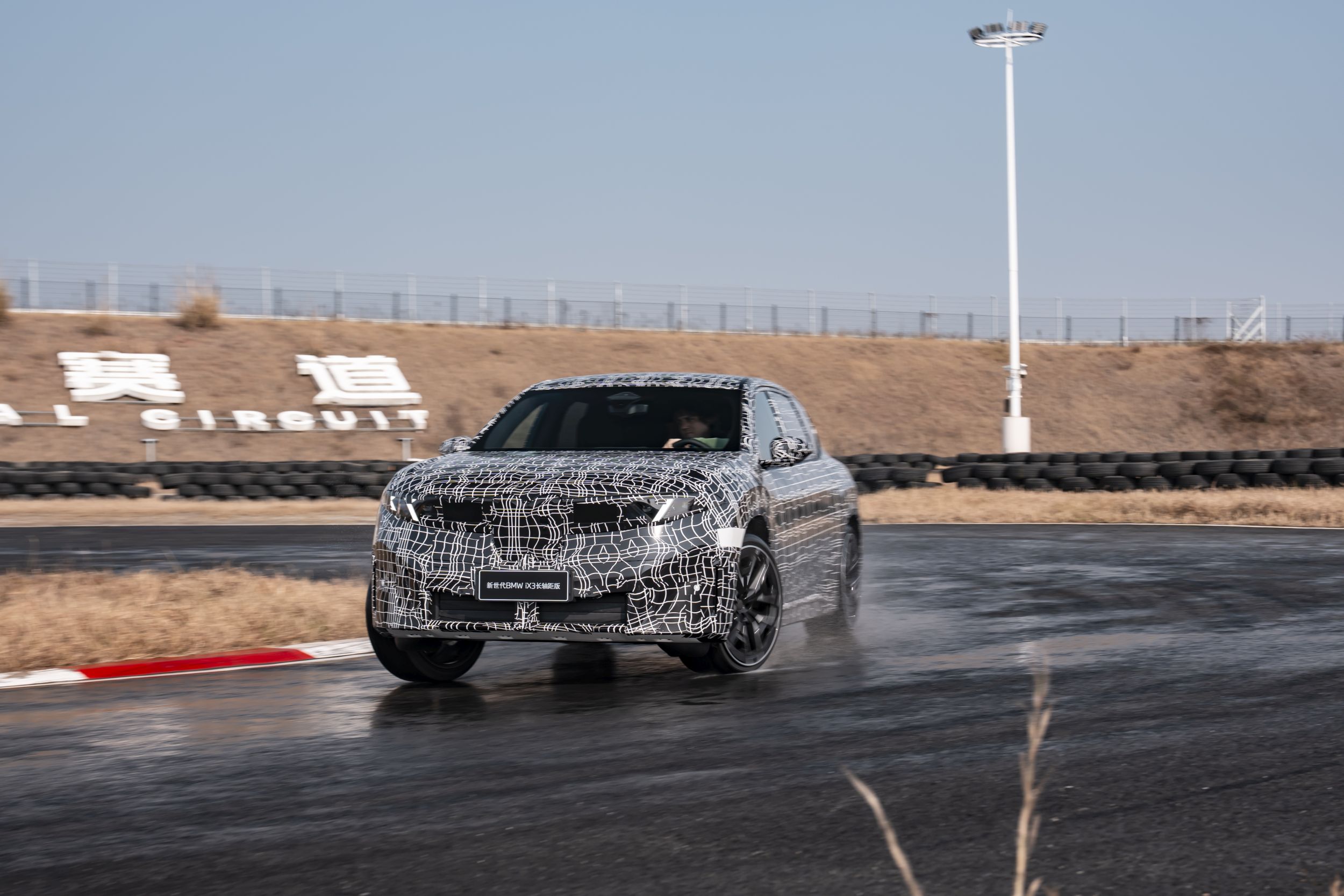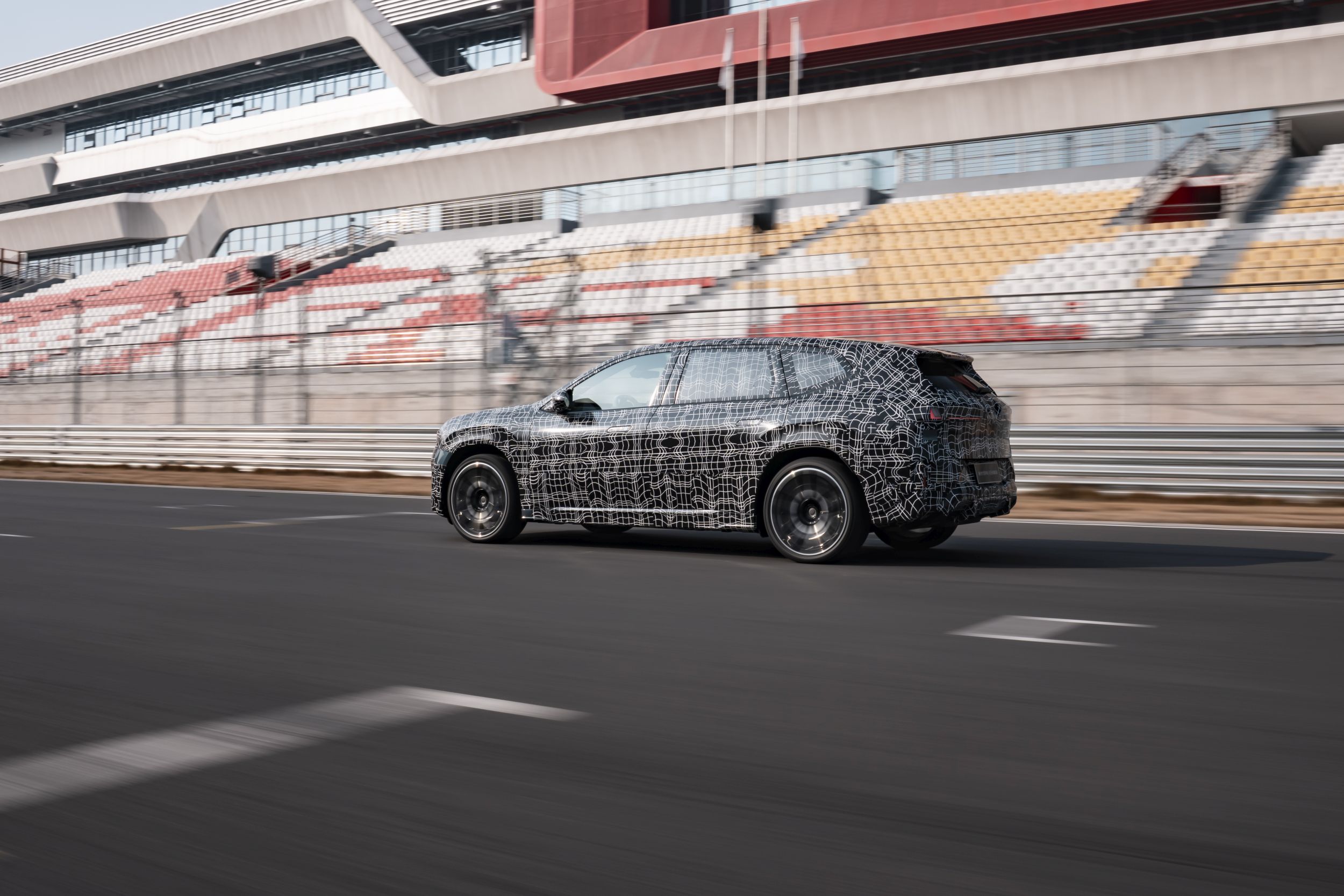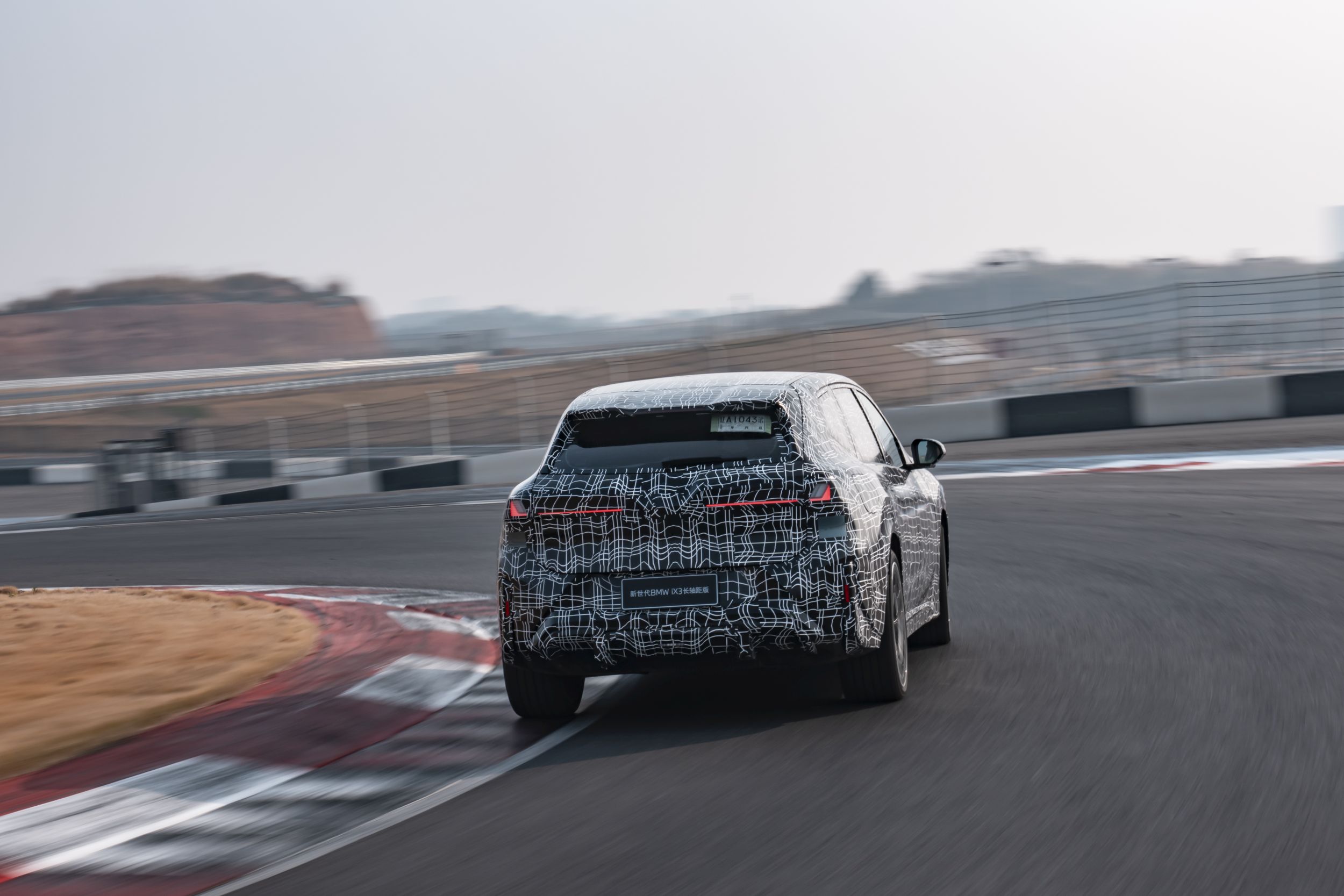
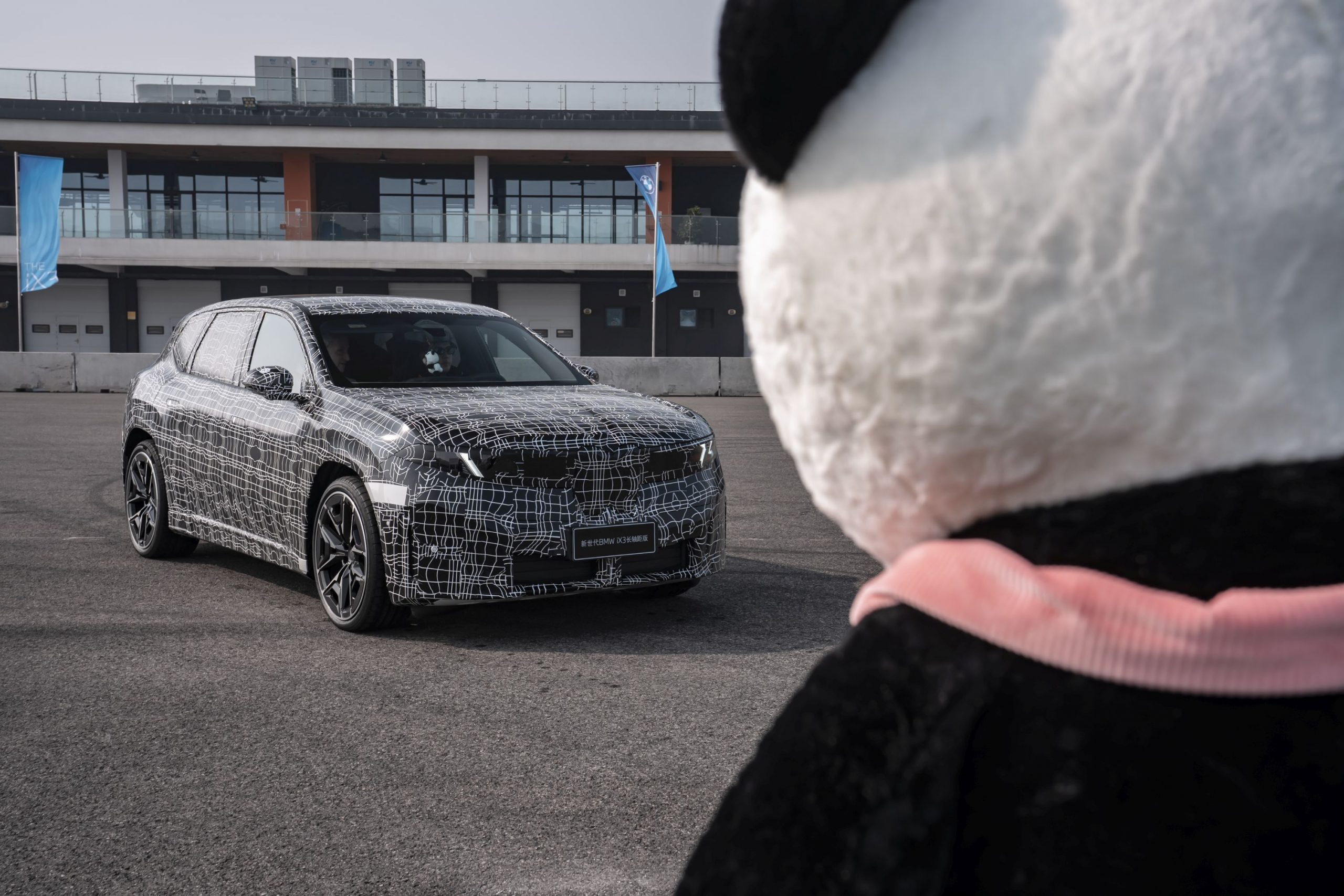

Back in September, BMW unveiled its all-new iX3, the first EV under the Neue Klasse lineup. Built from the ground up, the iX3 with its new 800V platform marks a new milestone for the brand’s electrified journey.
It boasts new technology, improved efficiency, longer driving range and ultra fast charging.
We recently had the chance to get behind the wheel of the iX3, but not the version that was launched in Munich.
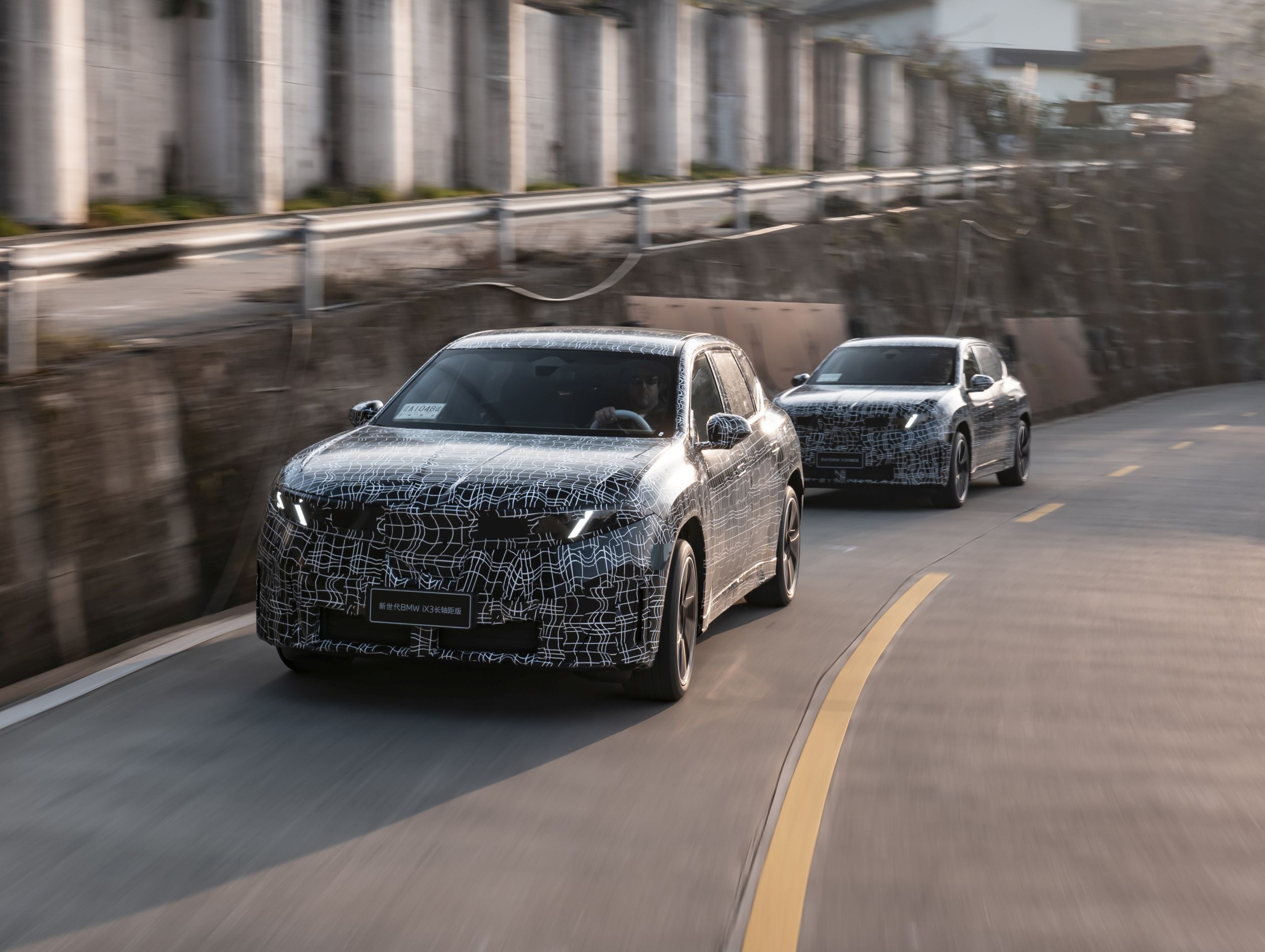
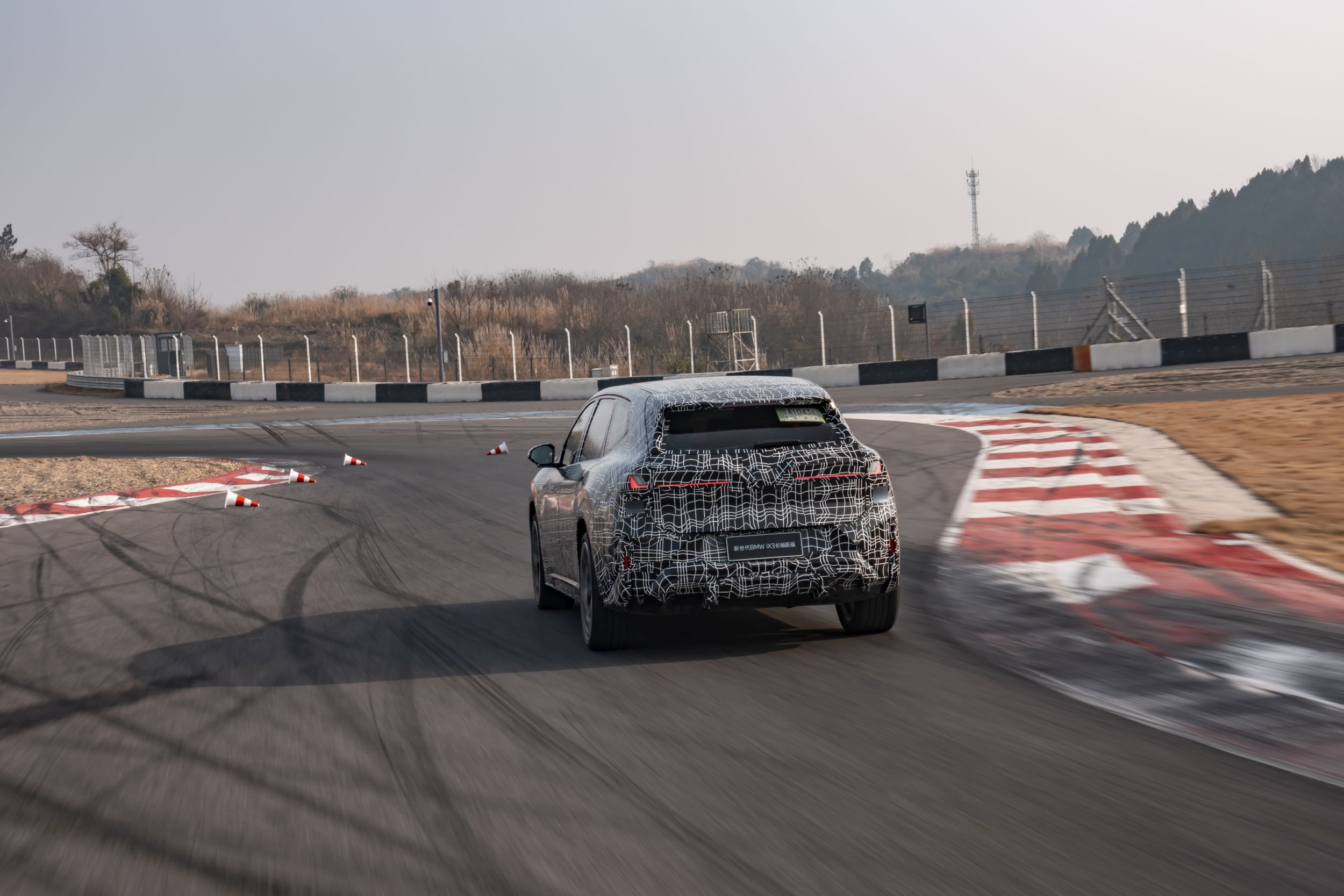
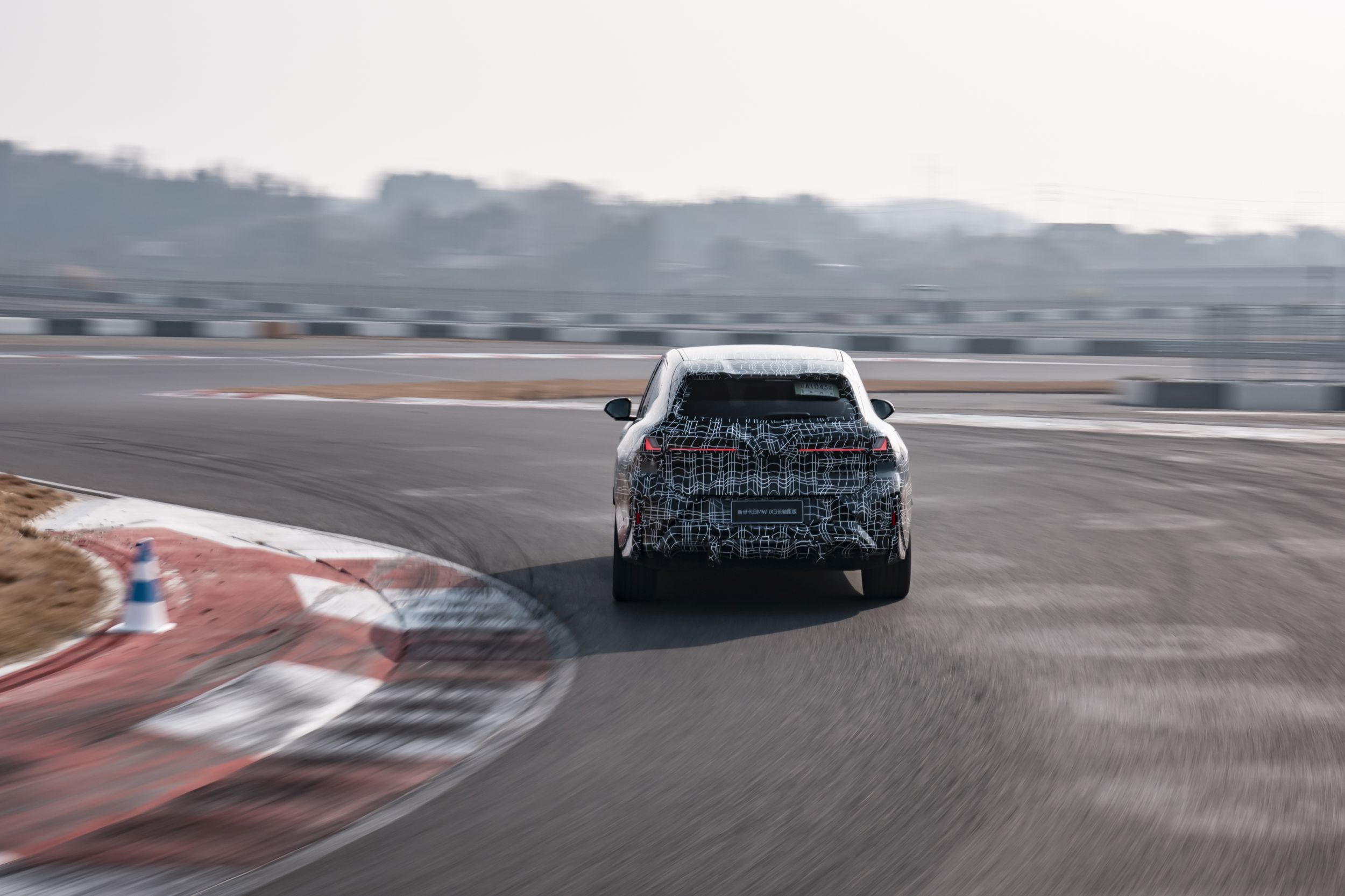
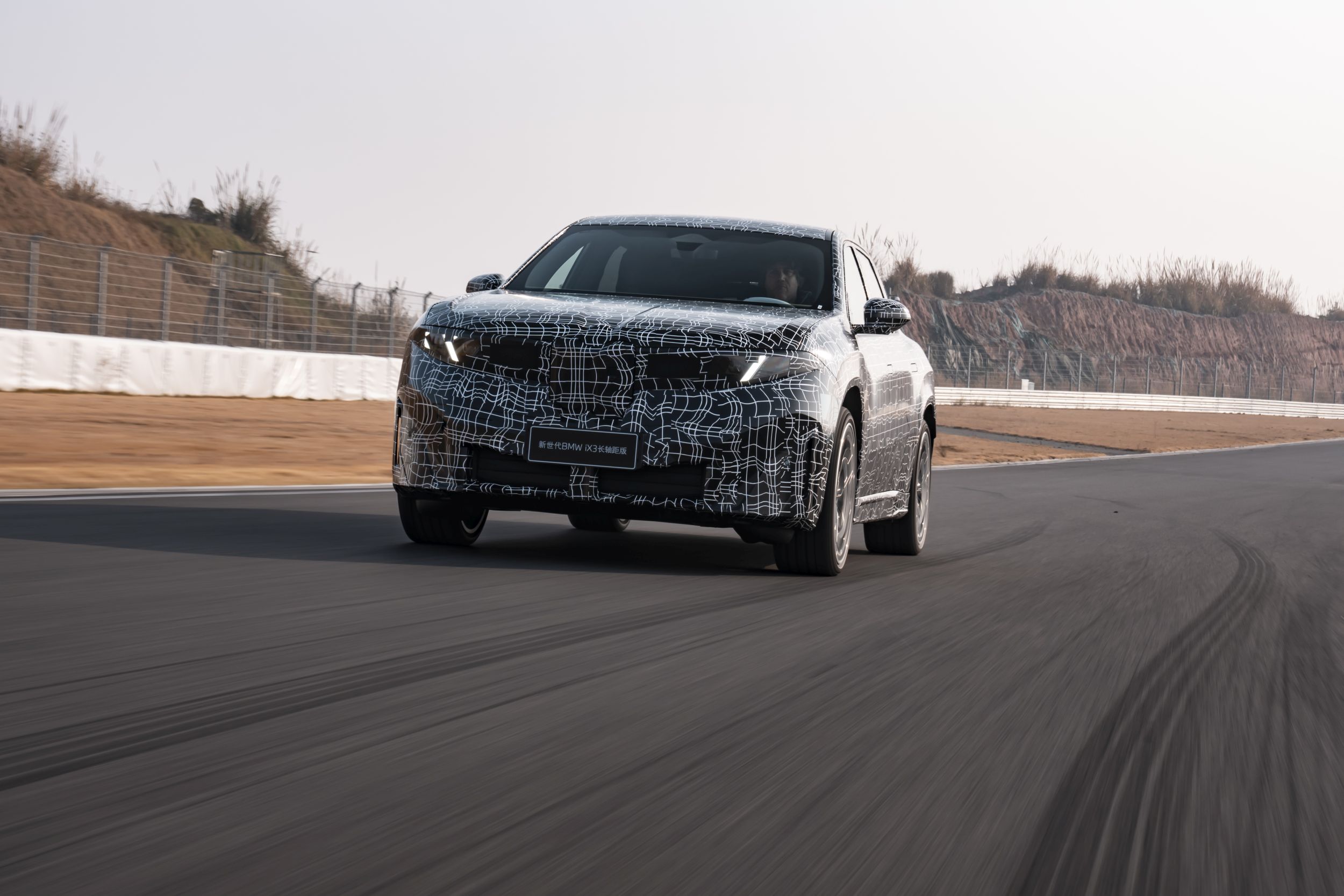
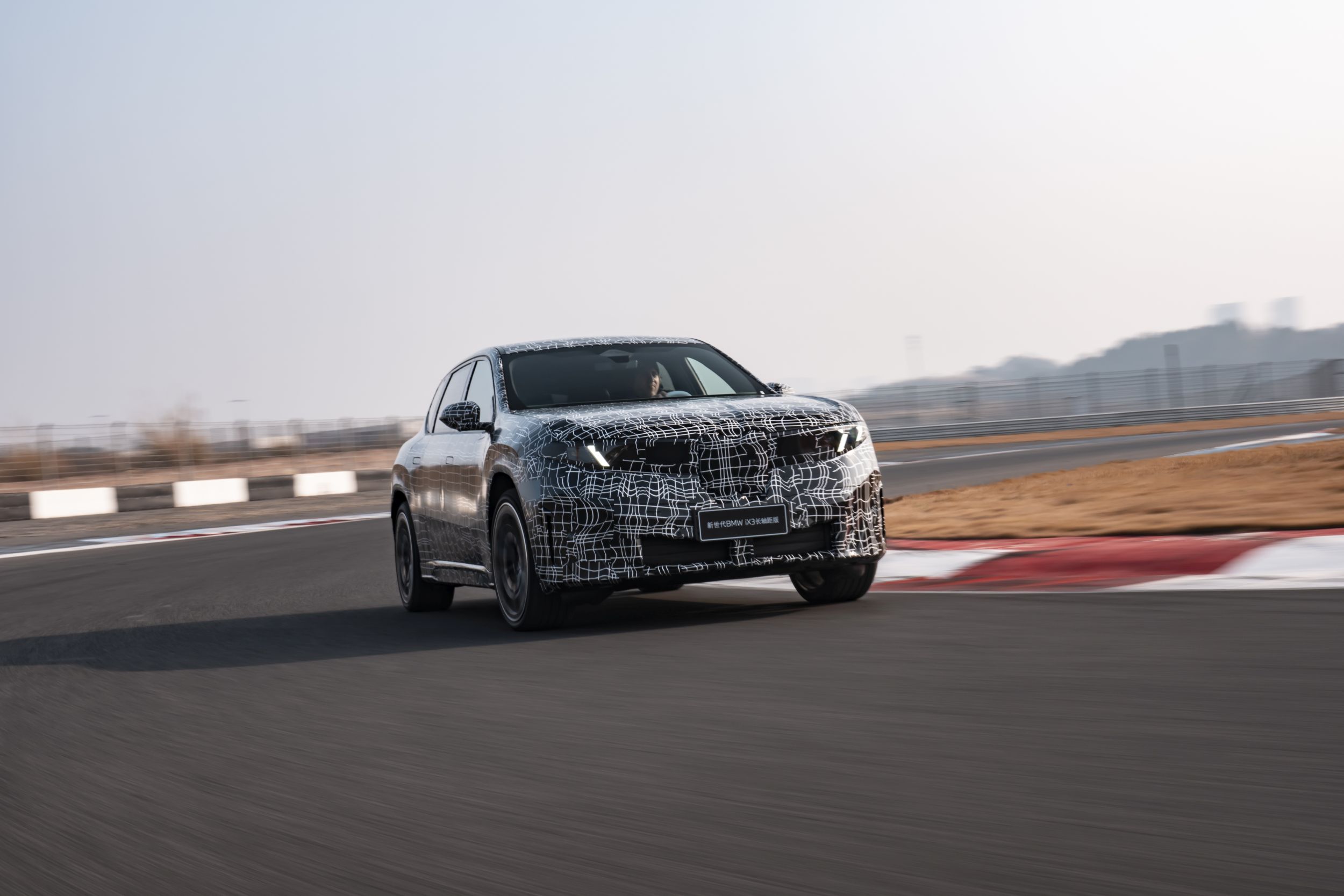
This is the BMW iX3 Long Wheelbase (LWB) version (codename: NA6) developed specifically for Mainland China and we were invited to take a closer at the prototype model.
More space where it matters most
The stretched wheelbase of this iX3 delivers a noticeable gain in rear legroom. With the driver’s seat set to my usual position, there’s still plenty of knee room in the second row, along with generous headroom.
This version is clearly designed with rear-seat comfort in mind, which aligns well with Chinese market preferences. While the standard wheelbase already offers decent legroom, the LWB model makes the iX3 more appealing, especially when positioned against strong contenders such as the Zeekr 7X.
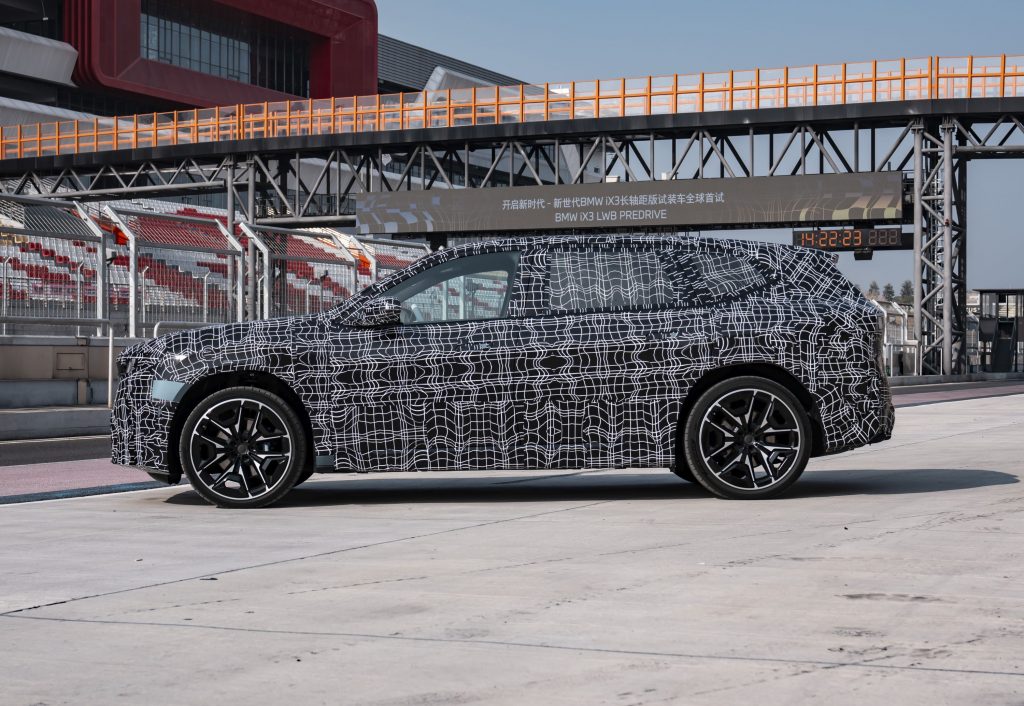
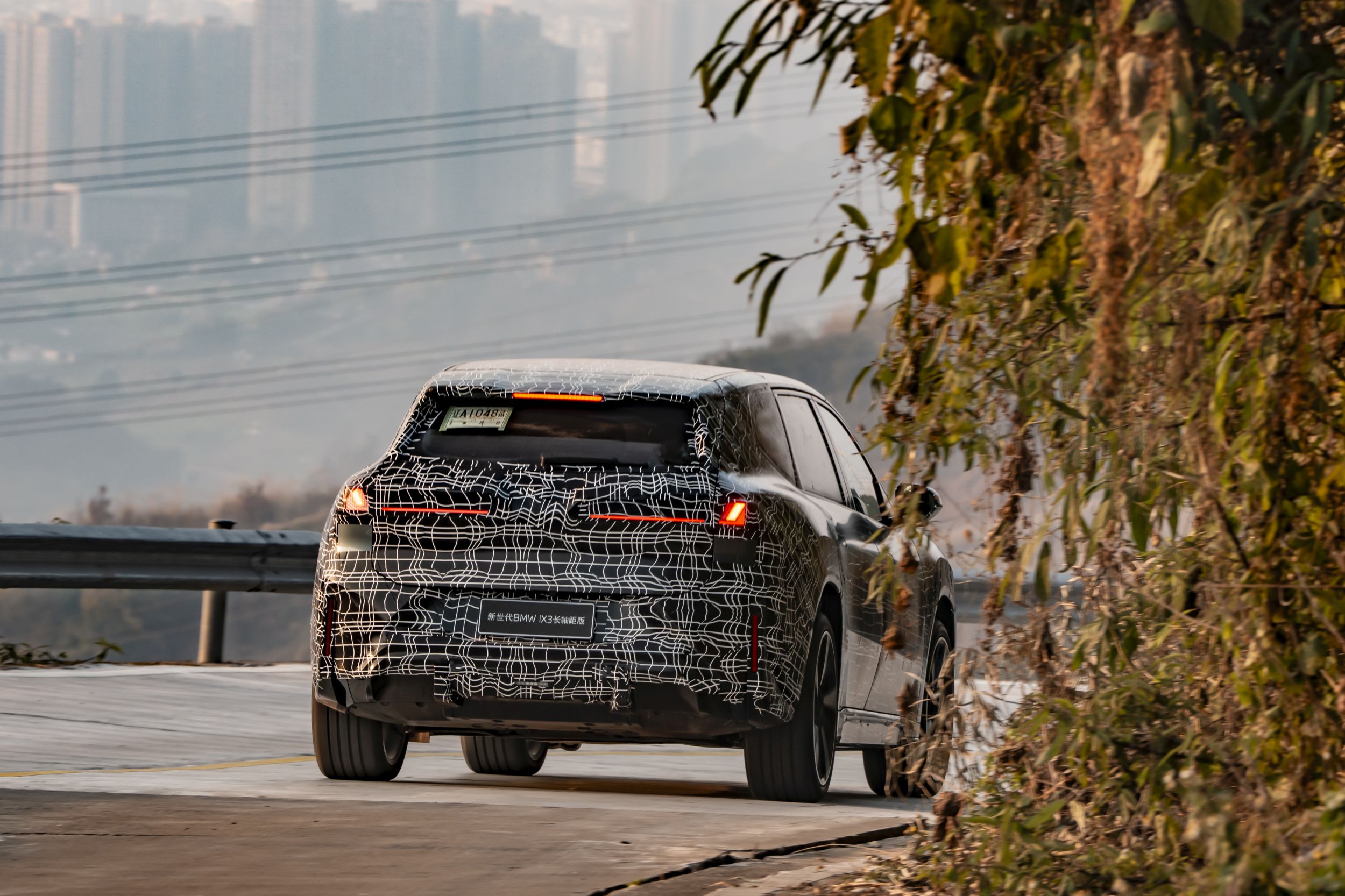
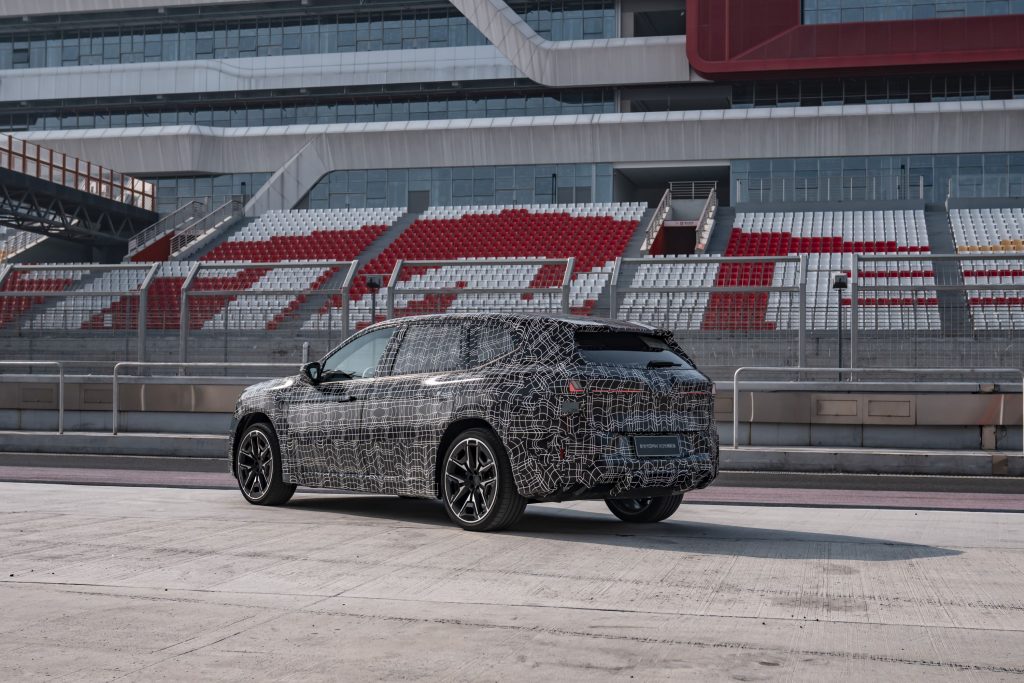
The prototype iX3 LWB units were still heavily camouflaged, so final materials, trims and finishes remain under wraps.
BMW did tell us that this prototype is already very close to production-spec. We are guessing that the China-market EV could feature unique interior and exterior details when it’s officially unveiled.
The motor and battery are expected to be similar to the standard wheelbase version. To recap, BMW iX3 50 xDrive is an AWD model with dual motors that pushes 345kW (463hp) and 645Nm of torque. It can accelerate from 0-100km/h in 4.9 seconds, up to a top speed of 210km/h.
The standard wheelbase version gets a 108.7kWh battery that has a claimed WLTP-rated range of 805km on a single charge. Exact battery capacity details were not shared for the LWB version except that it offers more than 900km of CLTC-rated range.
When it comes to DC fast charging, the iX3 supports up to 400kW. 10-80% takes about 21 minutes and you can get up to 372km of range in 10 minutes when plugged in to a high-powered DC charger.
Heart of Joy: Re-engineering how an EV should feel
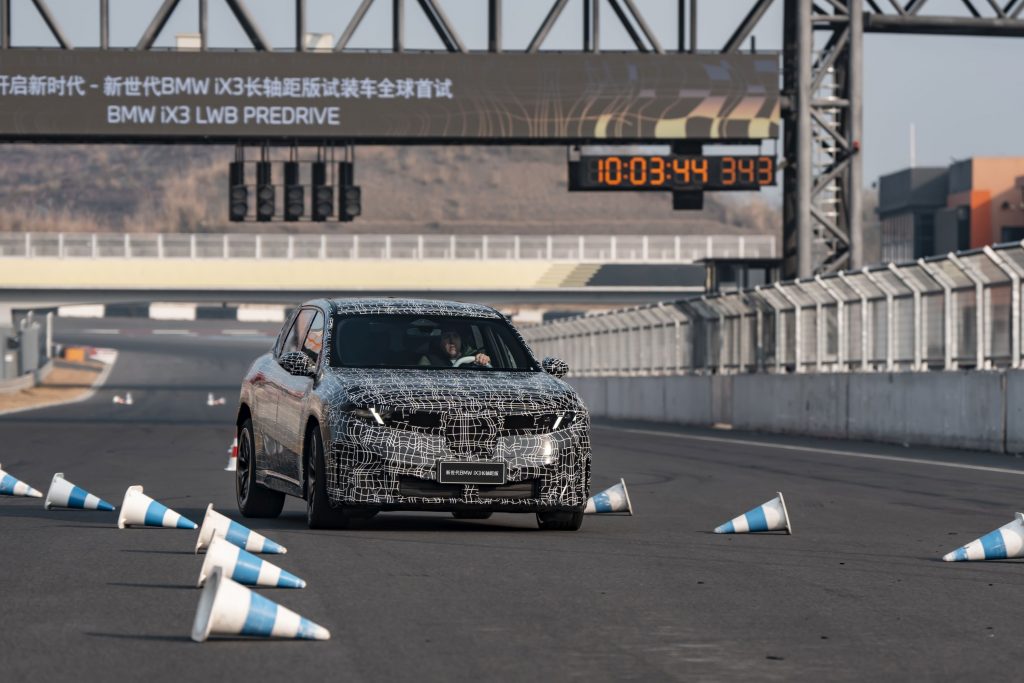
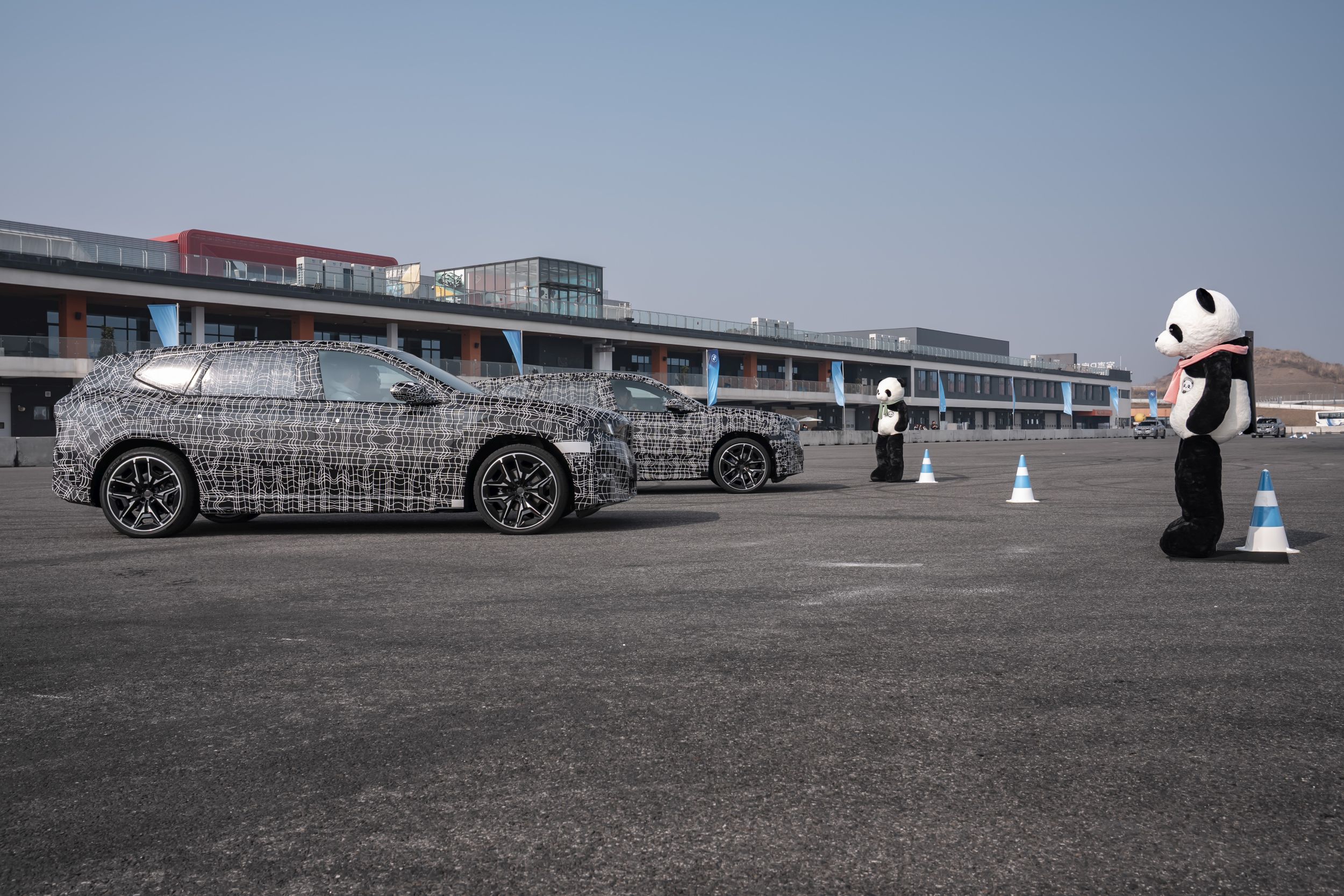
We spent just a couple of hours with the car at Chengdu Tianfu International Circuit, and the focus of this session is about driving dynamics.
EVs are generally already smoother and quieter than combustion cars, but Neue Klasse represents BMW’s rethink of how an electric BMW should behave and feel. The key highlight is its new central control unit called the Heart of Joy, which brings acceleration, braking, steering, torque distribution and stability control under a single software stack.
Compared to previous implementations, BMW says system latency has been reduced from around 10 milliseconds to just 1 millisecond. On paper, that sounds minor but on the road, it makes a very real difference.
The car feels more immediate, more predictable, and more connected than most EVs we’ve driven.
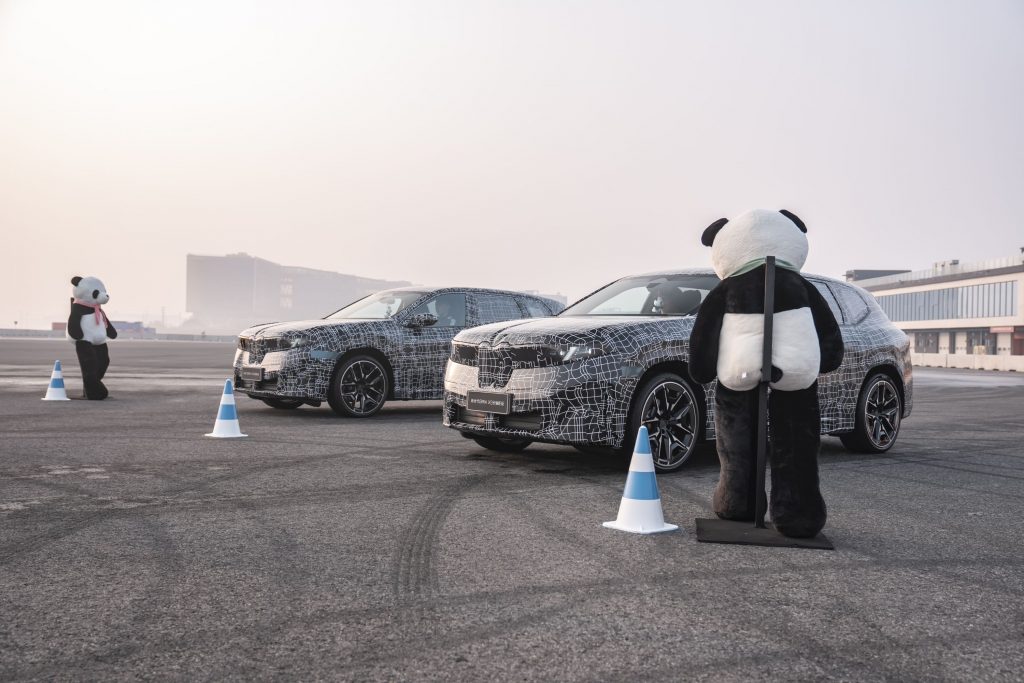
The standout moment came during a blind braking exercise, where I had to guess when the car had come to a complete stop. This is, without a doubt, the smoothest braking experience I’ve ever felt in any car. There’s no jerking, no noise, and no awkward transition between regenerative and friction braking. It simply slows down progressively and naturally.
BMW claims that up to 98% of braking is handled purely through regenerative braking, and based on how this car behaves, that figure isn’t surprising.
The smooth braking experience greatly improves passenger comfort. Most importantly, it addresses one of the common complaints of getting motion sickness in EV caused by unpredictable regenerative braking.
Agile and Composed on the Track
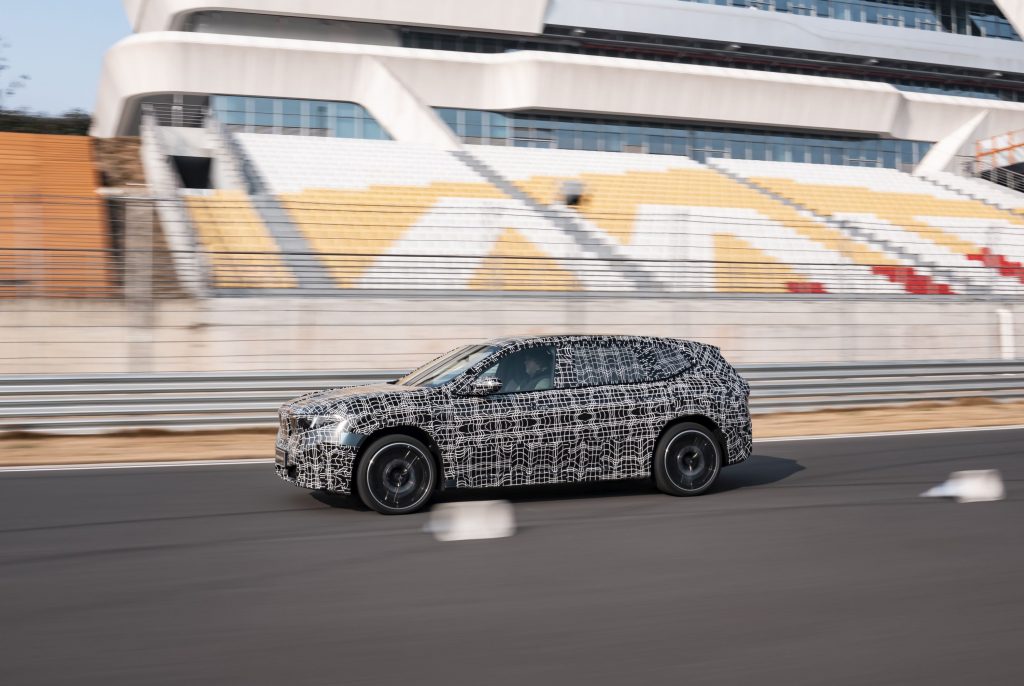
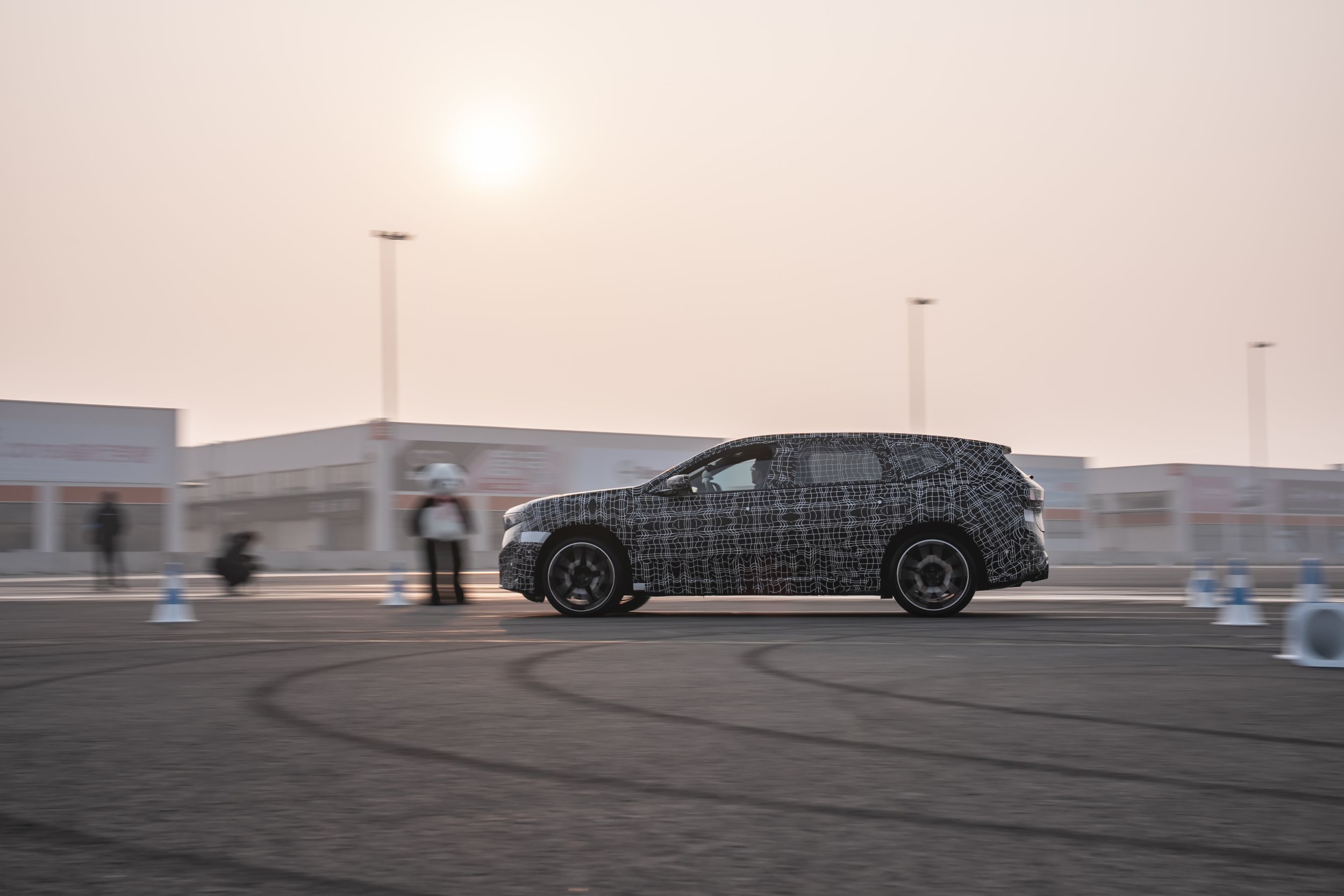
Despite being an SUV, the iX3 Long Wheelbase feels agile and composed. Body roll is minimal, and in Sport mode, the steering provides more feel rather than just artificial weight. At over 120km/h on track, the car remains stable and confidence-inspiring, and through the slalom, it goes exactly where you point it.
What’s particularly interesting is the suspension setup. This prototype runs on passive steel springs for suspension. There’s no fancy adaptive dampers and no air suspension. BMW’s focus here is on keeping weight down to ensure optimal efficiency without compromising dynamics.
Even on larger 22″ wheels, the car absorbs surface imperfections well and never feels unsettled.
Impressive real-world efficiency
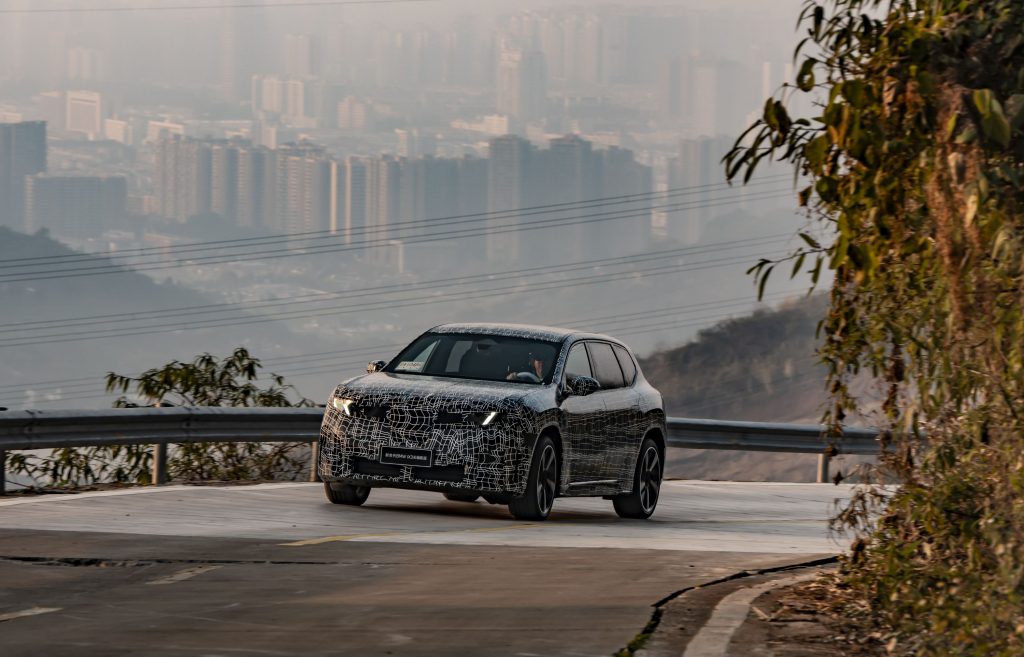
We later took the iX3 Long Wheelbase onto public roads, swapping to a different prototype fitted with smaller 21″ wheels. The drive covered highways and a curvy kampung-style mountain route. Hill climbs were effortless, and tight, narrow corners were handled with confidence. In Sport mode, the steering feels more direct while stronger regenerative braking gives you better control on downhill sections.
After close to an hour of driving split between Personal and Sport modes, we recorded 14.7 kWh/100km. That’s genuinely impressive for an electric SUV weighing well over 2.3 tonnes, equipped with twin motors and carrying a large battery. Even after extended downhill sections, the disc brakes remained cold which shows how much this EV relies on regenerative braking.
Unfortunately, we couldn’t test out the ADAS and other new assistance systems as they were not available in our prototype unit.
Neue Klasse Interior: What Works and What Doesn’t
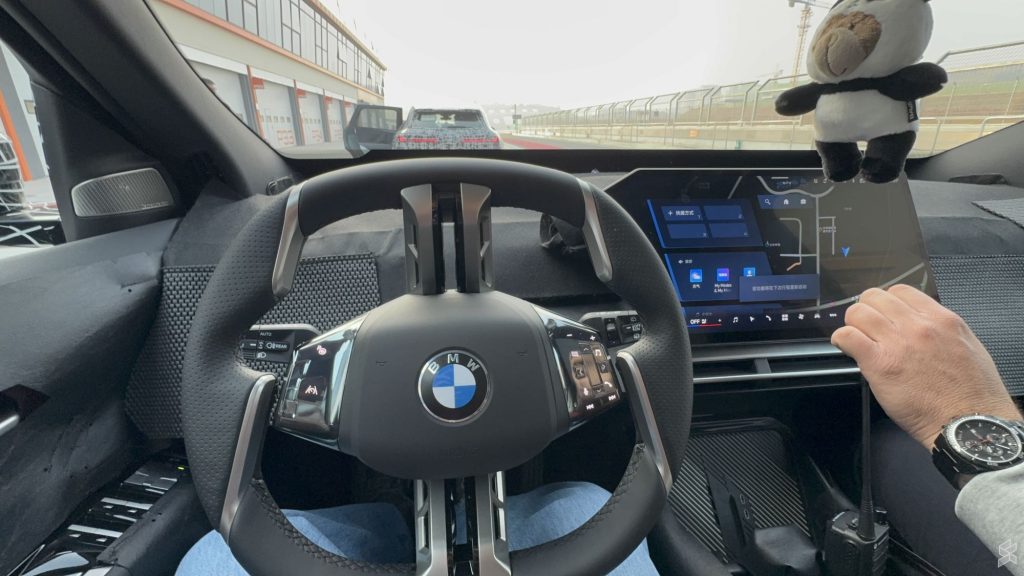
BMW has reimagined the interior of the iX3, featuring a large slanted 17.9″ central display and a new, quirky steering wheel. I’ll admit I expected to dislike the vertical steering spoke design, but surprisingly, I don’t.
The compact, chunky steering wheel with the “pistol grip” feels natural in hand. Since the iX3 no longer has a traditional instrument cluster, the vertical spoke isn’t an issue at all. BMW also offers several steering wheel options without the vertical spoke, depending on the configuration.
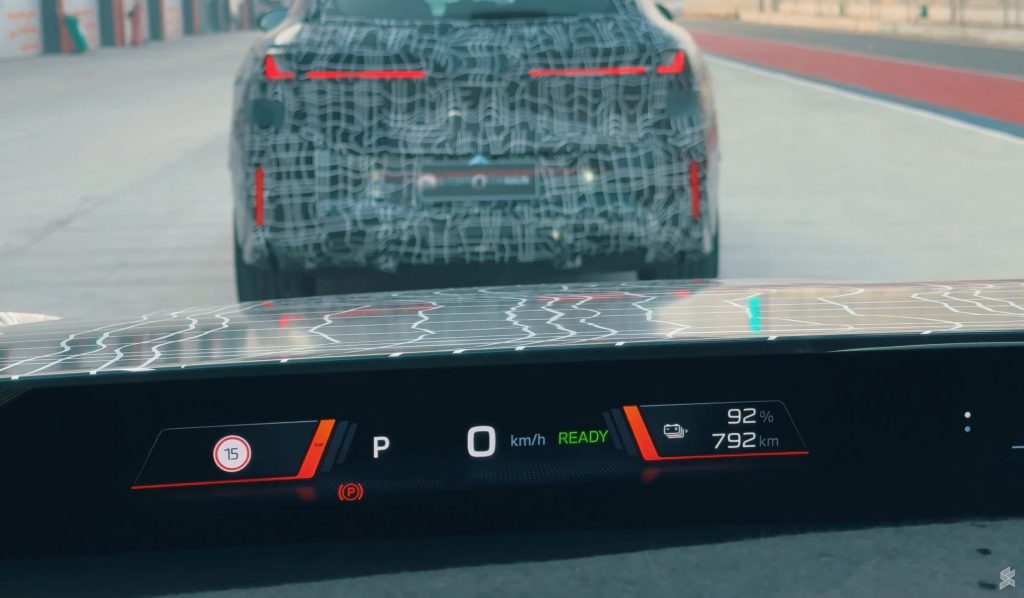
The full-width Panoramic Vision Display is bright and vibrant, remaining clearly visible even under strong daylight. Most importantly, it works with polarised sunglasses, which is something of a challenge with the Xiaomi YU7’s HyperVision Panoramic Display.
In front of the driver, the Panoramic Vision panel shows the speedometer, drive mode, battery state of charge and estimated remaining range. Towards the centre and passenger side, it offers widget customisation similar to a smartphone home screen. If you want fewer distractions, the widgets can be turned off entirely, with presets tied to the selected drive mode.
The amount of information displayed on the Panoramic Vision Display is more than sufficient, to the point that I didn’t feel the need to rely on a head-up display (HUD).
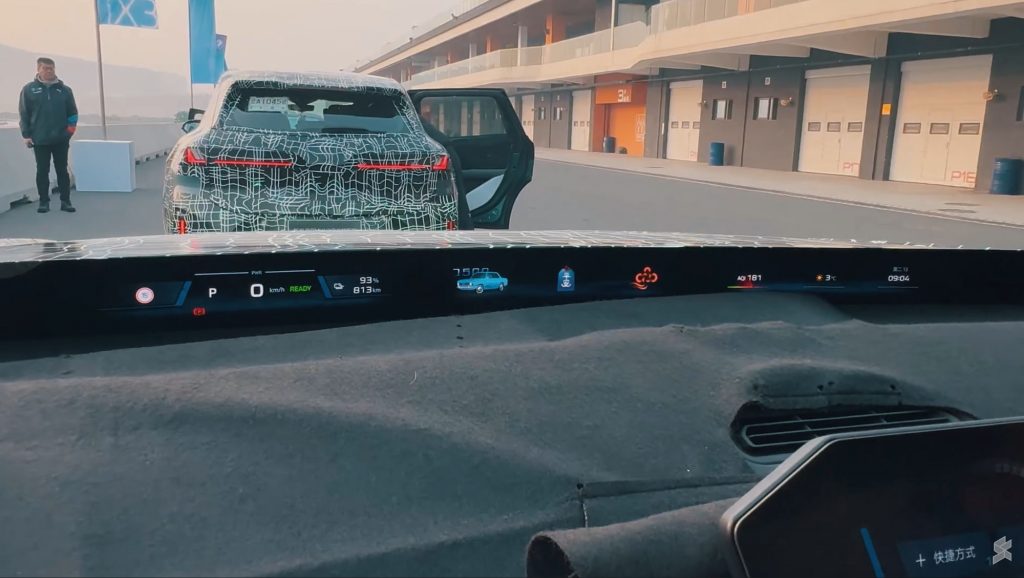
BMW has also retained physical controls where they matter, including manual tilt and telescopic steering adjustments, powered seat controls and side mirror switches. There’s still a stubby physical gear selector on the centre console, along with physical stalks for indicators, wipers and high beam. What I’m less fond of is the reliance on the central touchscreen for air-con vents, drive modes and Auto Hold, which now require extra taps.
Perhaps the only omission I actually welcome is the absence of a traditional start/stop button. Like most modern EVs, you simply get in with the key in your pocket, and the car is ready to go.
BMW iX3 Long Wheelbase set to launch at Auto China 2026
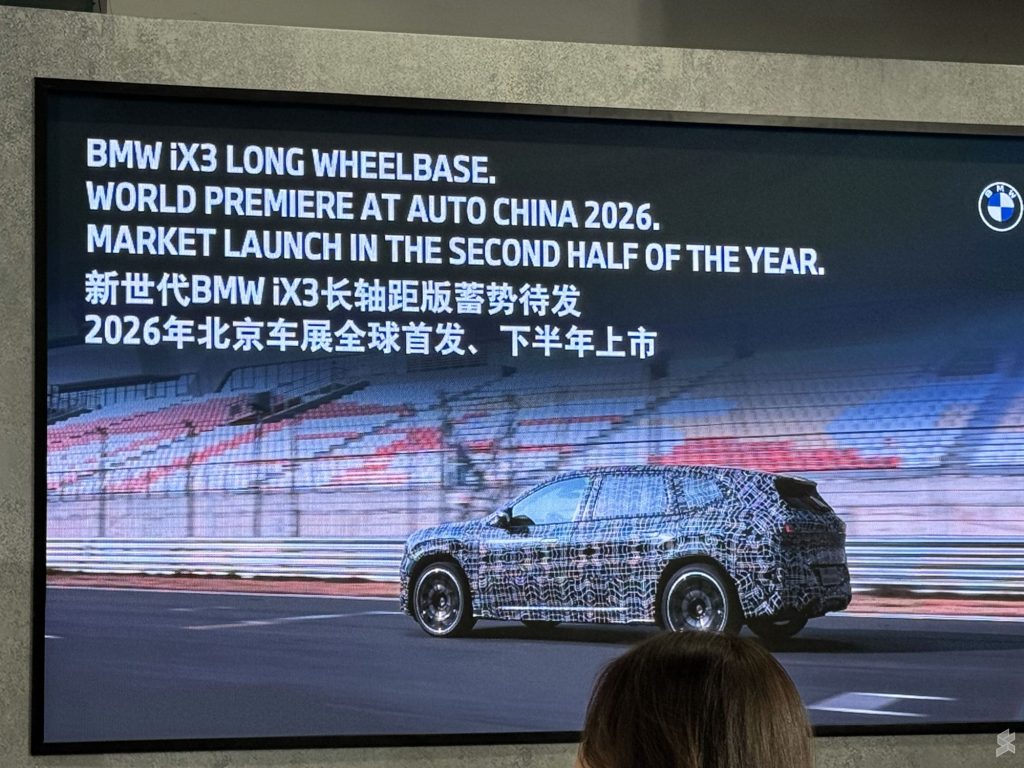
The BMW iX3 Long Wheelbase is expected to make its public debut at Auto China 2026 in April. Whether this exact version ever makes it to Malaysia remains to be seen.
However, with BMW Malaysia’s recent introduction of the long-wheelbase BMW iX1 eDrive20L, it might just be possible. On top of that, the purported lower import duties for Chinese made EVs would make more sense for BMW Malaysia to import the iX3 LWB from China instead of the standard wheelbase version from Hungary.
[ UPDATE 18:00 22 January 2026 ] BMW Group has confirmed that the BMW iX3 Long Wheelbase will be released in Malaysia, Thailand, Indonesia and India after its global debut at Auto China 2026.
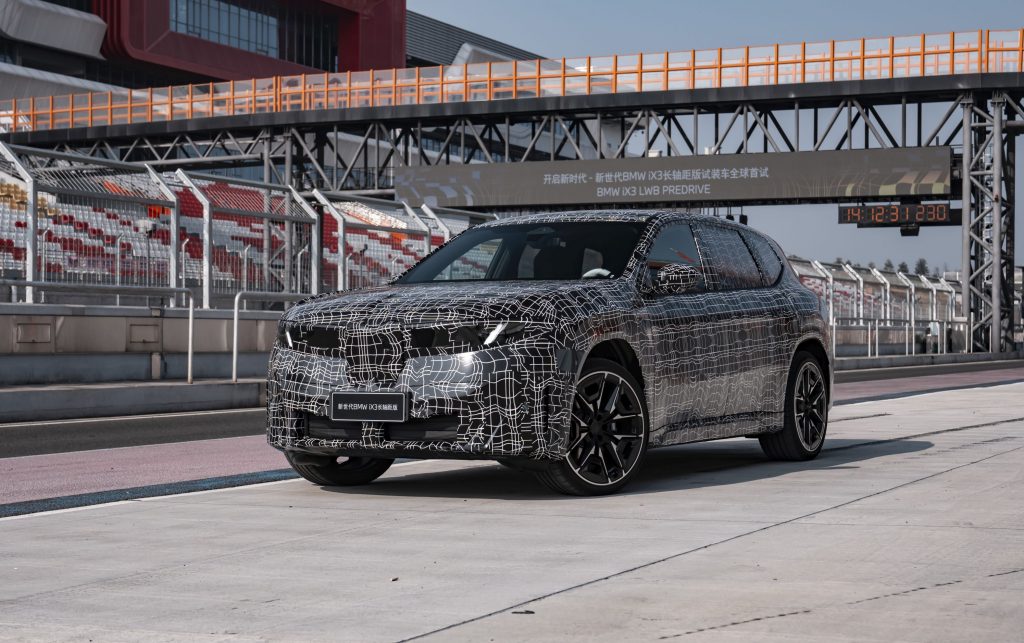
If this drive is anything to go by, Neue Klasse isn’t just about new tech or a fresh design language. It’s about fundamentally rethinking how an electric BMW should drive. And from brief experience with the new iX3, it feels like BMW is no longer playing catch-up.
The German brand is finally keeping pace with its Chinese EV rivals and setting a new benchmark for driving dynamics.