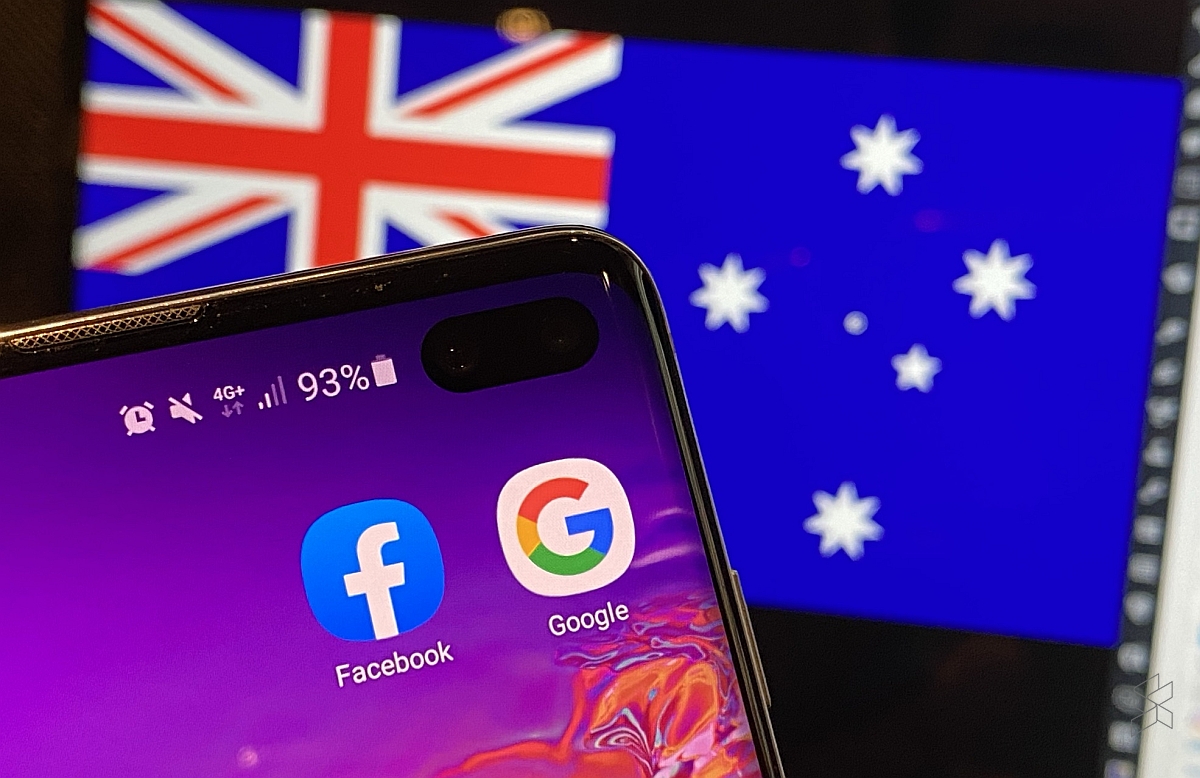
Facebook has blocked the whole of Australia from sharing or viewing local and international news content, due to a proposed legislation that would make social media platforms pay Australian media for links shared on its sites. However, Google’s decision on the matter greatly contrasts Facebook’s reaction.
“In response to Australia’s proposed new Media Bargaining law, Facebook will restrict publishers and people in Australia from sharing or viewing Australian and international news content. The proposed law fundamentally misunderstands the relationship between our platform and publishers who use it to share news content,” said William Easton, managing director of Facebook Australia & New Zealand.
Australians moved to Twitter to share what the ban is like. According to the reporter Bianca Britton, users won’t be able to view or share Australian or international news, and users around the world will be unable to access Australian news content.
Yup. They're all gone. Every single post that has previously been published by major news outlets in Australia have completely disappeared (@abcnews, @SBSNews, @7NewsAustralia, @9NewsAUS, @australian, @smh etc) pic.twitter.com/Kt0Sv1qQMj
— Bianca Britton (@biancabritton) February 17, 2021
Here are the effects of Facebook’s media ban in Australia:
- Australian publishers are restricted from sharing or posting any content on their Facebook pages.
- International publishers can still post to Facebook, but links and posts won’t be able to be viewed in Australia.
- Australian users cannot post or share news on Facebook.
- Non-Australian users cannot view or share news from Australian publishers on Facebook.
In a stark contrast, Google—the other tech giant—has made financial agreements with a number of news platforms, including Rupert Murdoch’s News Corp for an unreported amount, and Australia’s Seven West Media for an estimated USD 30 million (RM121 million).
Initially, Google threatened to pull its search engine from Australia as a reaction to the proposed legislation. But Australia snapped back by threatening to migrate to Microsoft’s Bing—which resulted in Google’s compliance.
As part of the law, Google will also have to share changes to its algorithm with Aussie news companies ahead of time. Google’s deals could eventually bring similar licensing agreements around the world. A member of the European Parliament said that he “hopes to integrate measures similar to those in Australia’s code” into upcoming legislation.
“If Australia succeeds in passing the law and showing that it works, it could be a precedent for others,” said Daniel Gervais, professor of law at Vanderbilt University.
Right now, it’s too early to tell how the change greatly affects both Facebook and Australian media. For now, I’ve noticed more activity by Australians on Twitter as they try to get used to the lack of news articles and posts on Facebook. The lack of official sources might also see a rise in misinformation spreading.
[ SOURCE, IMAGE SOURCE ]