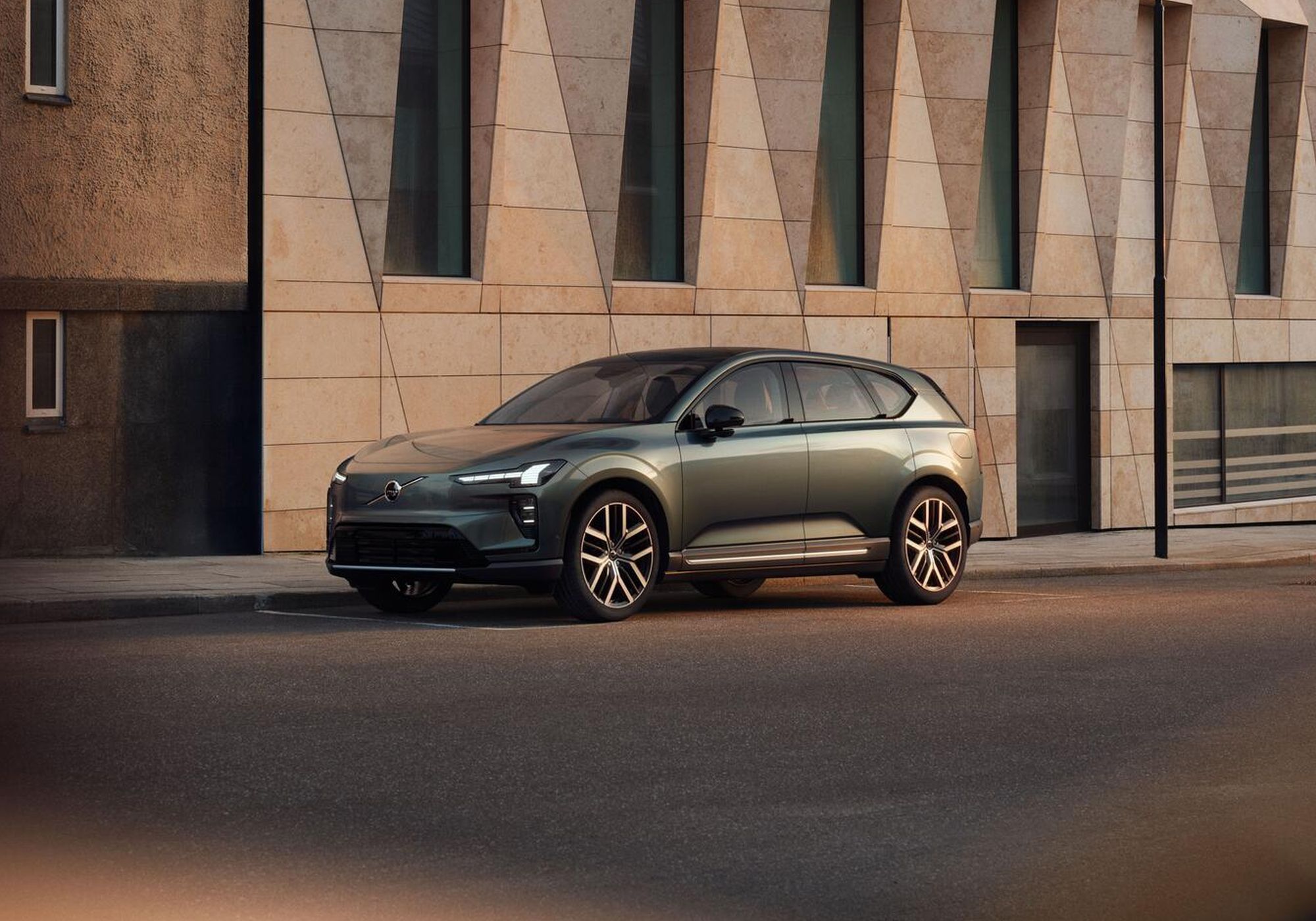
Volvo has introduced the Volvo EX60, its new all-electric mid-size SUV that aims to address barriers to EV adoption such as long distance range and charging.
Positioned against rivals such as the BMW iX3, the EX60 is built on an 800V electrical architecture and it boasts a WLTP-rated range of up to 810km.
To keep you moving quickly during a long distance road trip, EX60 drivers can add up to 340km of range in about 10 minutes with a high powered DC charger.
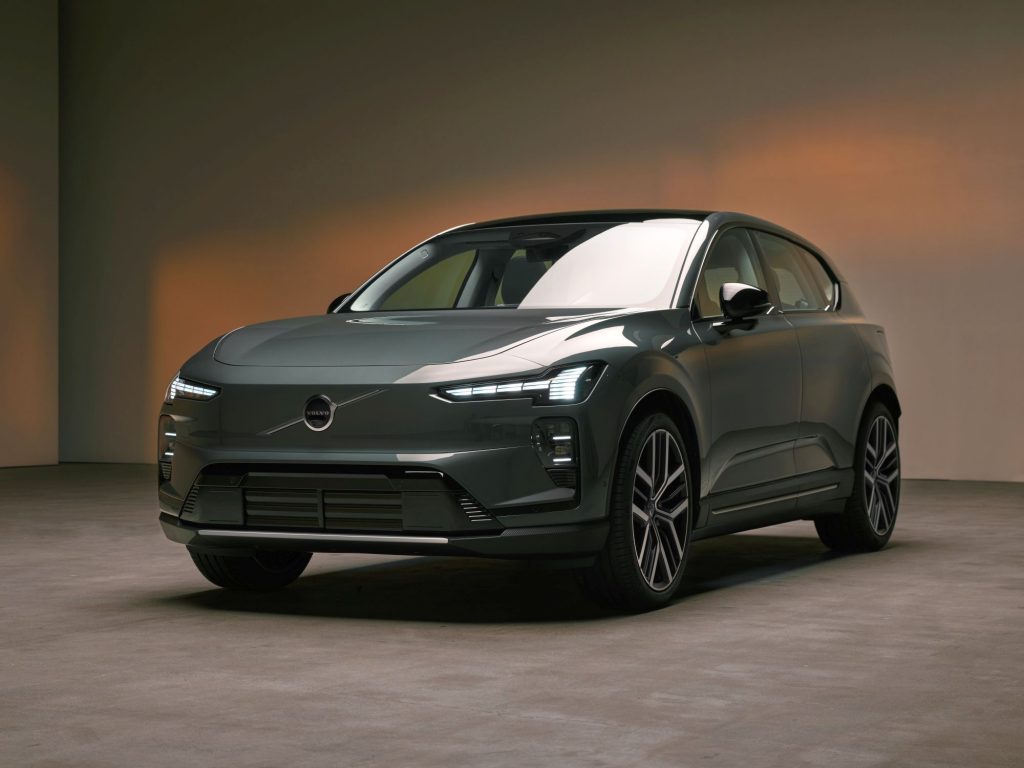
The Volvo EX60 comes in three variants paired with different motor and battery configurations. Here are the key differences:
P6 RWD
- Single motor RWD with 275kW (369hp) and 480Nm of torque
- 0–100km/h in 5.9 seconds
- 80kWh usable battery capacity
- WLTP-rated range of up to 620km
- DC fast charging peak of up to 320kW
P10 AWD
- Dual-motor AWD with 375kW (503hp) and 710Nm of torque
- 0–100km/h in 4.6 seconds
- 91kWh usable battery capacity
- WLTP-rated range of up to 660km
- DC fast charging peak of up to 370kW
P12 AWD
- Dual-motor AWD with 500kW (671hp) and 790Nm of torque
- 0–100km/h in 3.9 seconds
- 112kWh usable battery capacity
- WLTP-rated range of up to 810km
- DC fast charging peak of up to 370kW
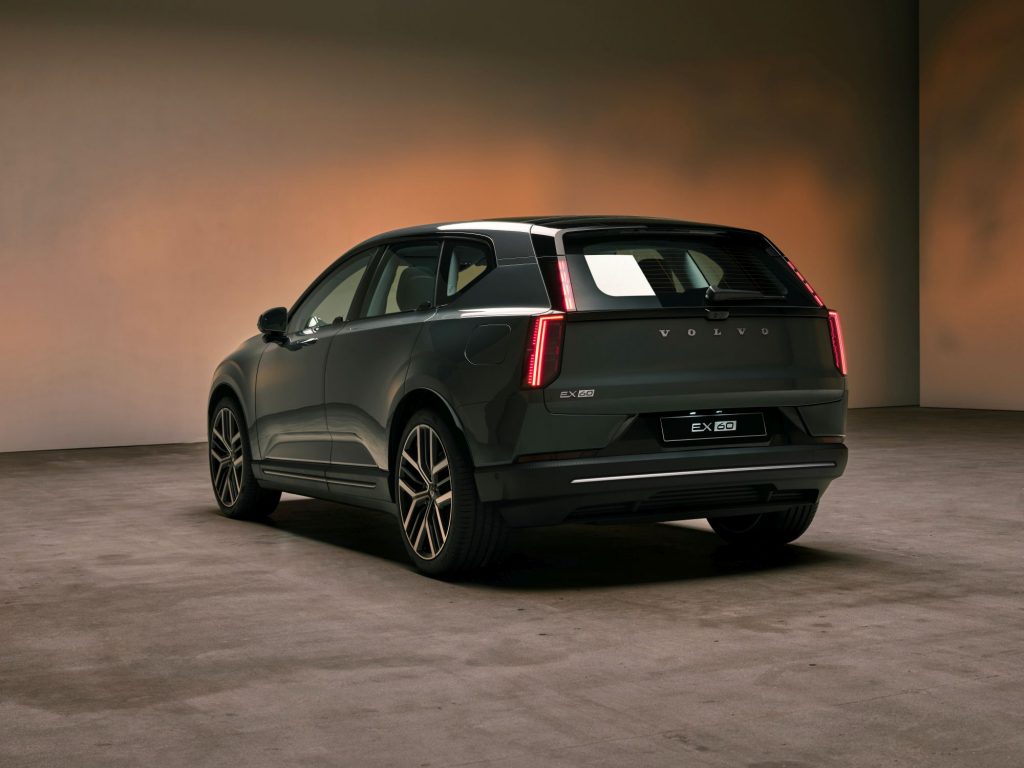
The EX60 is the first Volvo model built on the company’s SPA3 electric vehicle architecture. In addition to the 800V electrical system, SPA3 introduces cell-to-body battery integration, mega casting, next-generation in-house developed electric motors and a new battery cell design.
Volvo Cars says these technologies improve energy efficiency, reduce vehicle weight and increase manufacturing efficiency. The company also claims that the EX60 achieves the lowest carbon footprint of any fully electric Volvo model to date, matching that of the smaller EX30.
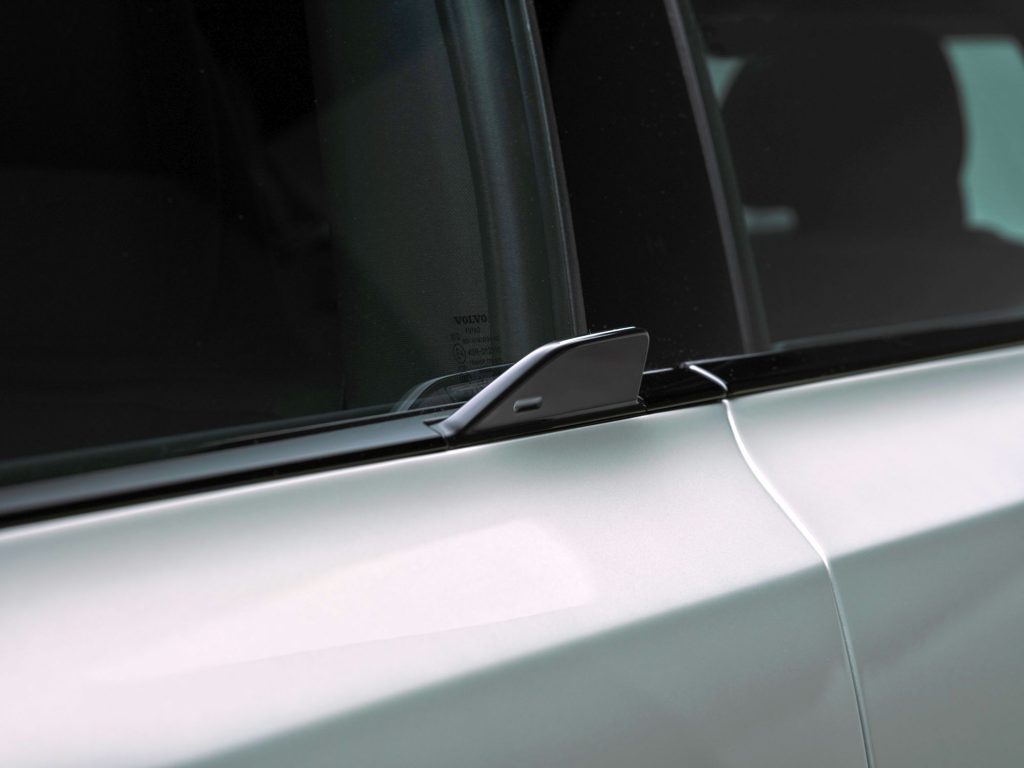
It boasts a drag coefficient of 0.26 Cd and Volvo even introduces a minimalist electric door “handle” to improve aerodynamics. The “handle” is basically a tiny tab on the lower edge of the side window frame, which is somewhat similar to the Ford Mustang Mach-E.
To open the door, you just grab the tiny handle and the haptic pad behind will trigger the door to open.
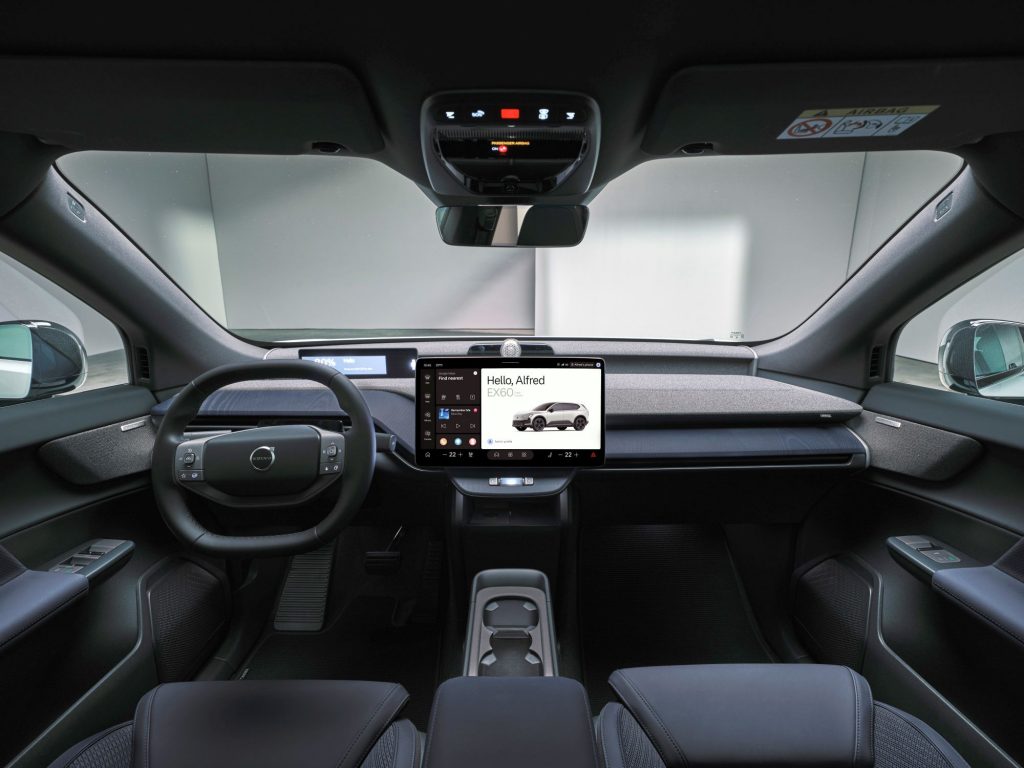
For in-car audio, the EX60 can be specified with a 28-speaker Bowers & Wilkins sound system, including headrest speakers for all four main seats. It is also the first Volvo model to have Apple Music pre-installed with Dolby Atmos and it offers Spatial Audio.
The infotainment system runs Android Automotive OS and is the first Volvo vehicle to launch with Google Gemini, Google’s AI assistant, integrated into the car.
Volvo Cars says this is its most responsive infotainment system to date, with faster screen response, instant map loading and improved voice recognition. Software development combines in-house engineering with collaboration involving Google, NVIDIA and Qualcomm Technologies.
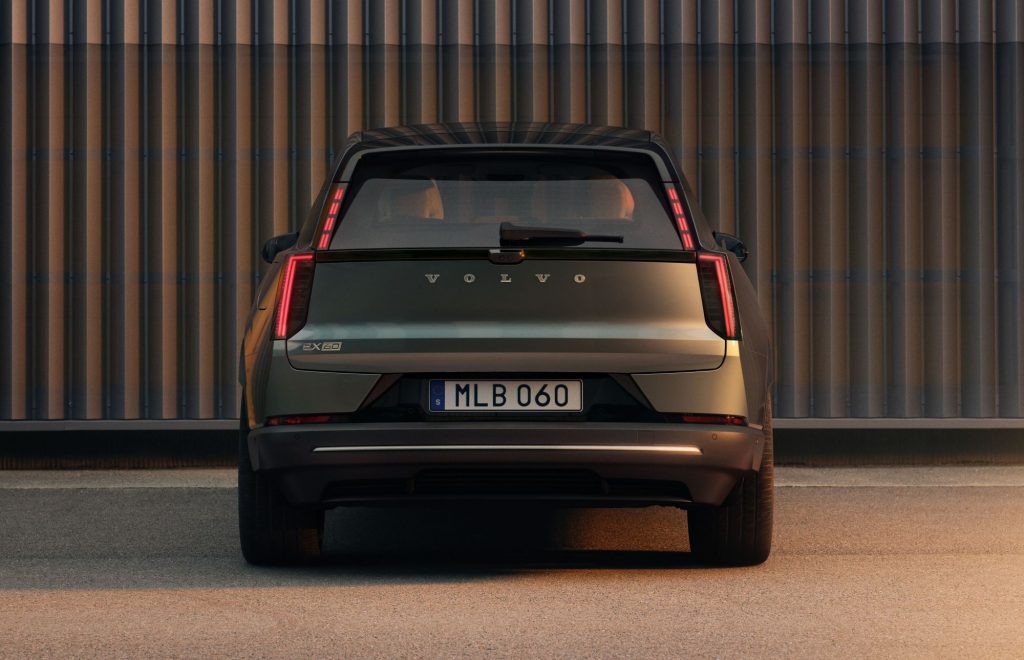
Safety remains a core focus for Volvo Cars. Enabled by HuginCore and a wide array of sensors, the EX60 continuously monitors its surroundings to assess potential hazards and improve occupant protection.
The EX60 also features Volvo Cars’ multi-adaptive safety belt, described as a world-first system designed to provide more personalised protection for front-seat occupants. Structurally, the vehicle uses a reinforced safety cage incorporating boron steel, alongside advanced restraint systems.
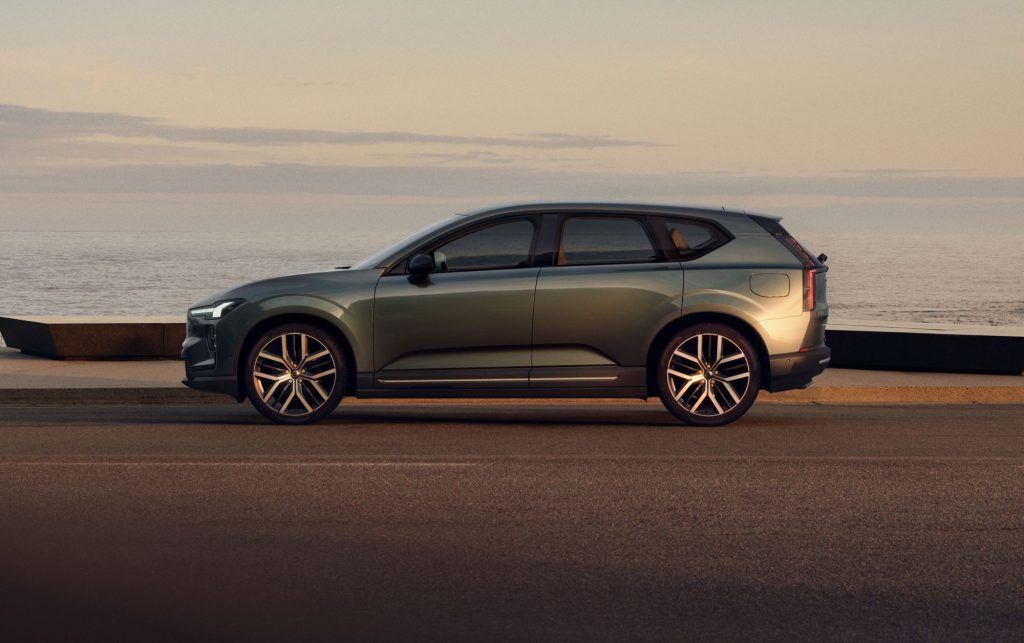
The Volvo EX60 is now available for orders in European markets, and it will be released in the US in late spring. Production is set to begin this spring at Volvo Cars’ factory in Sweden. Volvo is expected to begin deliveries for the P6 and P10 variants this summer followed by the range-topping P12 variant.
Looking at the release cycle, we should expect the Volvo EX60 to launch in Malaysia some time in early 2027.