In a move that has sent shockwaves through the consumer electronics industry, Sony Corporation has officially announced a strategic retreat from the hardware-first philosophy that defined it for over half a century.
By signing a memorandum of understanding (MOU) to form a joint venture where Chinese giant TCL Electronics holds a 51% majority stake, Sony is not just finding a partner, but is handing over the keys to its most iconic legacy.
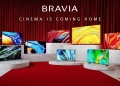
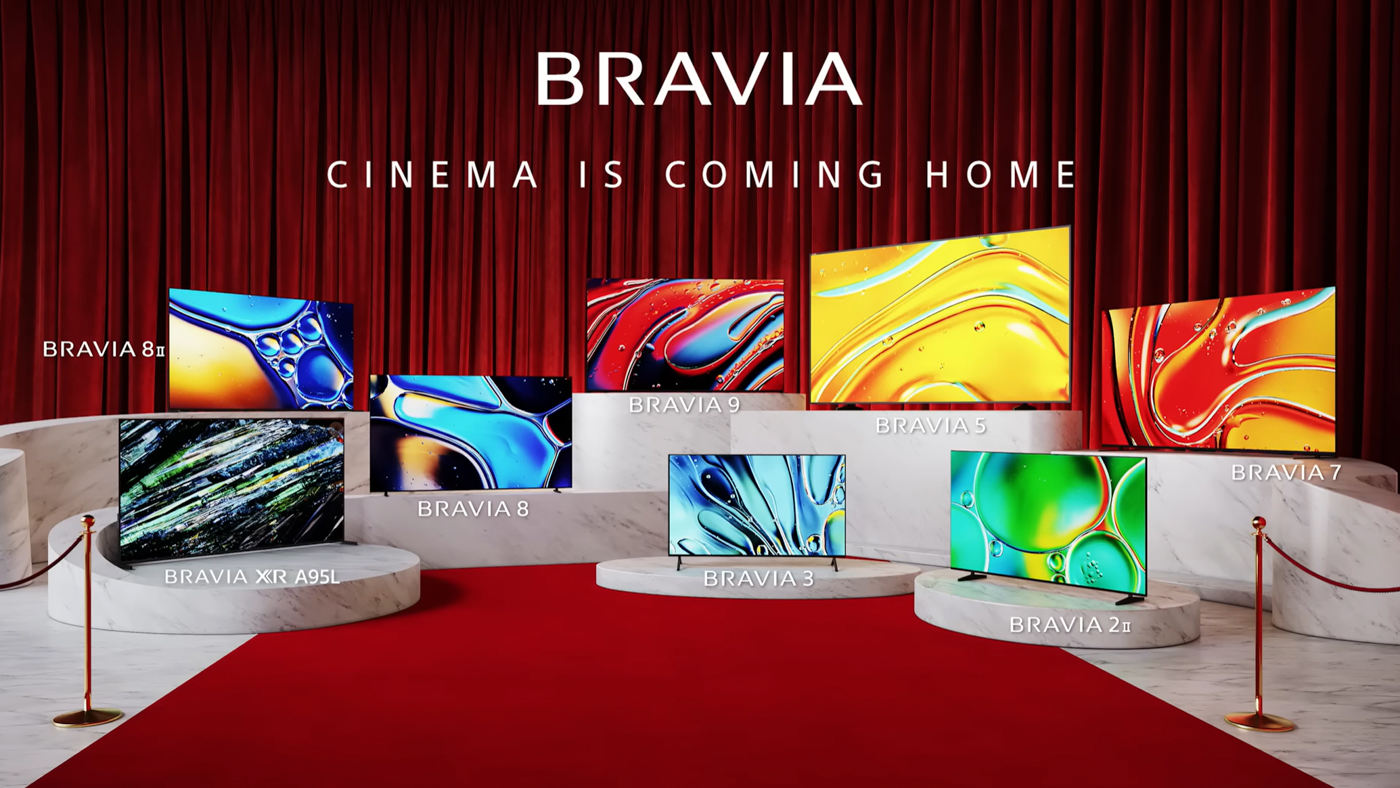
Starting in April 2027, products carrying the globally recognised Sony Bravia logos could no longer be the output of a purely Japanese sovereign entity. Instead, they might be produced under a TCL-led operation, should the proposed joint venture proceed as outlined. For enthusiasts like myself, this may mark the symbolic end of the Japanese hardware era.
The Business Logic: Scale in the Age of Streaming
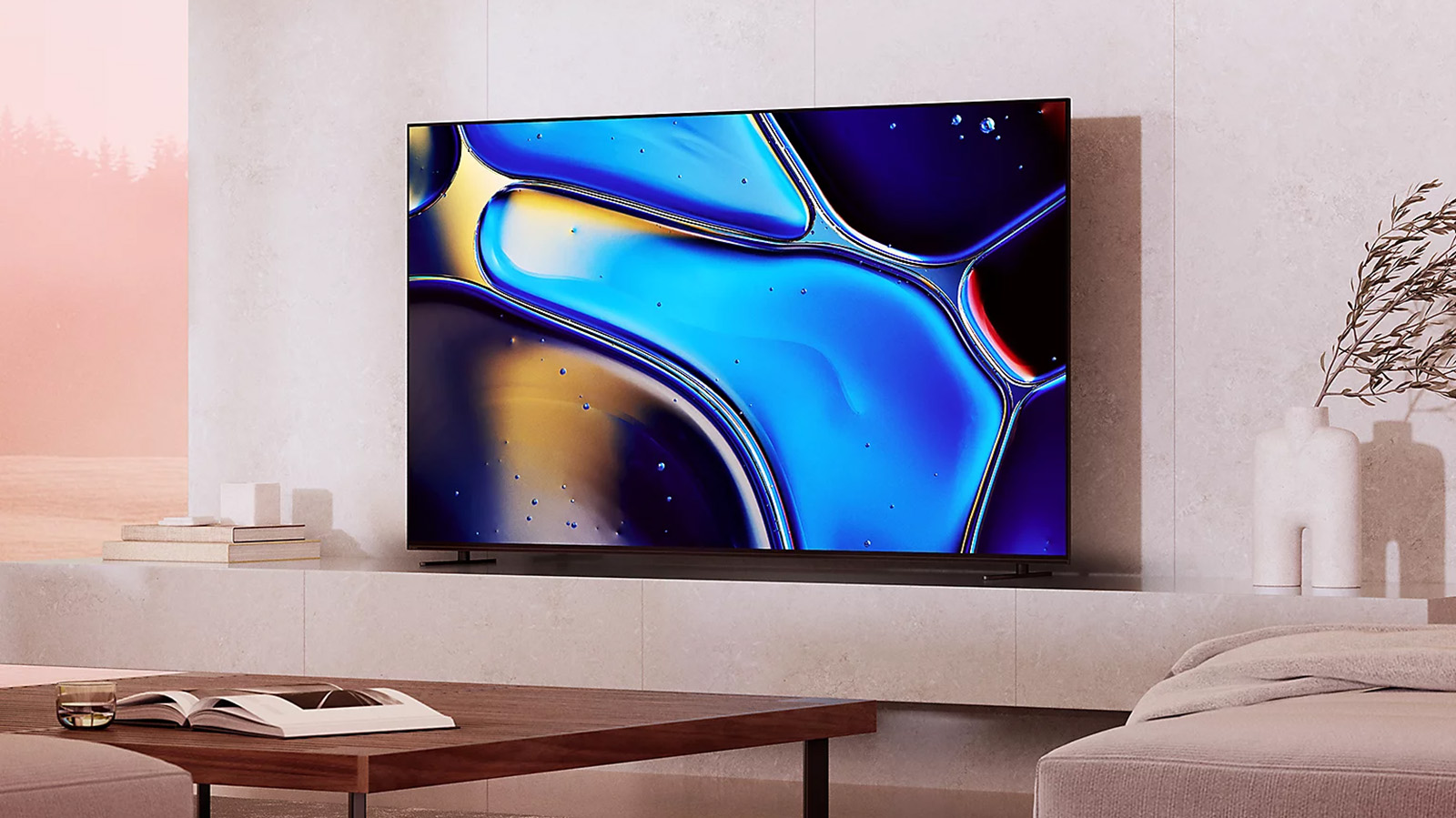
The math behind the January 20th announcement is cold and logical. Sony explicitly cited the rise of Over-The-Top (OTT) streaming and video-sharing platforms as a driver for this shift. In this new world, the TV is no longer just a standalone masterpiece; it is a smart portal.
Sony has been fighting a “war of attrition” for two decades. Unlike TCL, Sony does not own its own panel manufacturing plants. By partnering with TCL and its subsidiary, China Star Optoelectronics Technology (CSOT), Sony finally achieves the vertical integration it has been lacking. TCL provides the “muscle”, which is global scale and manufacturing efficiency, while Sony offers the “brains”, such as the image processing. But crucially, Sony brings the brand prestige.
The “Full Life Cycle” Transfer: More Than Just Manufacturing
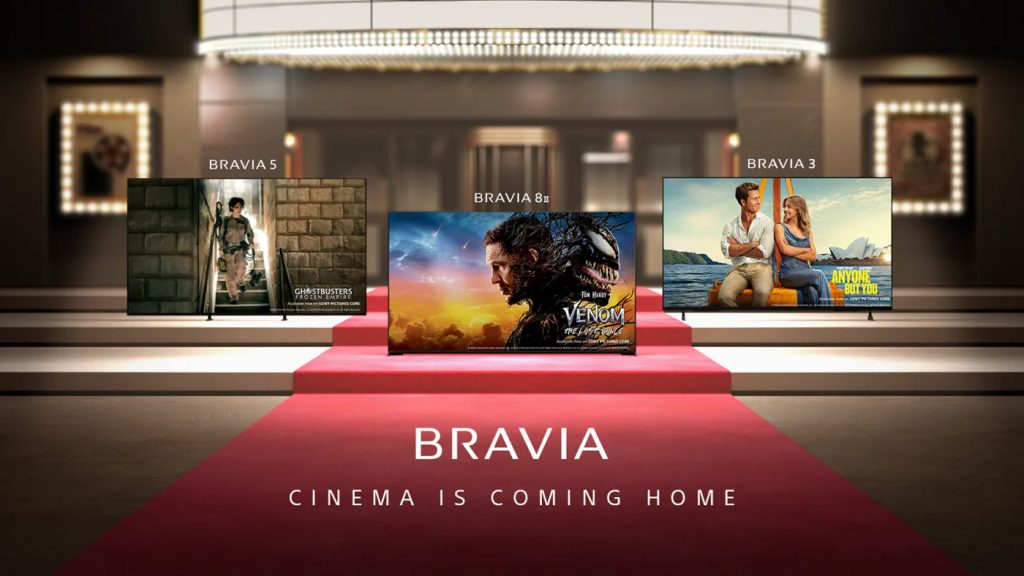
A critical detail in the release is that this joint venture covers the full process of the home entertainment business. This includes:
- Product development and design
- Manufacturing and sales
- Logistics and customer service
This means that by 2027, the entire “Sony experience” will be managed by a TCL-led entity. If your Bravia breaks, you are likely dealing with TCL-managed support. Even Sony’s Home Audio Equipment (soundbars and receivers) is included in the deal.
The “Master Series” Dilemma: Can You Outsource Perfection?
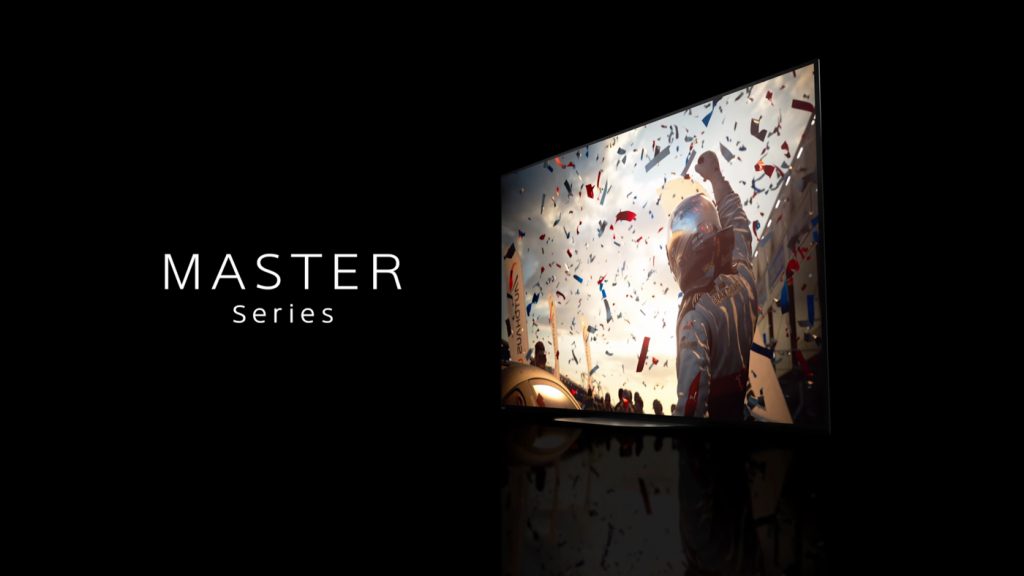
While the business case is sound, the Master Series, Sony’s flagship line, faces an existential crisis. To the home cinema purist, the Master Series badge was a contractual agreement: a promise that the TV in your living room could match the USD30,000 professional monitors used in Hollywood. Can that promise survive a 51% TCL-owned supply chain?
Sony intends to keep providing the Cognitive Processor XR. But a Master TV is more than a chip. It is defined by bespoke power delivery, high-end capacitors, and thermal shielding. In a TCL-led environment focused on “operational excellence” and cost efficiency, will the accountants allow the expensive, low-volume over-engineering that makes a Sony a Sony?
The Master Series reached its peak using OLED technology. TCL, however, is the world’s most aggressive advocate for Mini-LED. If TCL manages the product roadmap, will the Master Series be forced to abandon infinite contrast to favour TCL’s manufacturing strengths?
Currently, consumers pay a significant premium for the Sony logo. If a consumer knows that a Sony Bravia 9 and a flagship TCL were born in the same factory using the same panel, the “Sony Tax” becomes a much harder pill to swallow.
It isn’t just the TVs. The press release explicitly includes Home Audio Equipment in the deal. This means Sony’s soundbars, ES receivers, and home theatre systems are also moving under the 51% TCL umbrella. For the consumer, the “Sony Sound” is becoming a joint venture, too.
The Gaming Assumption: A Farewell to the “Walled Garden”?
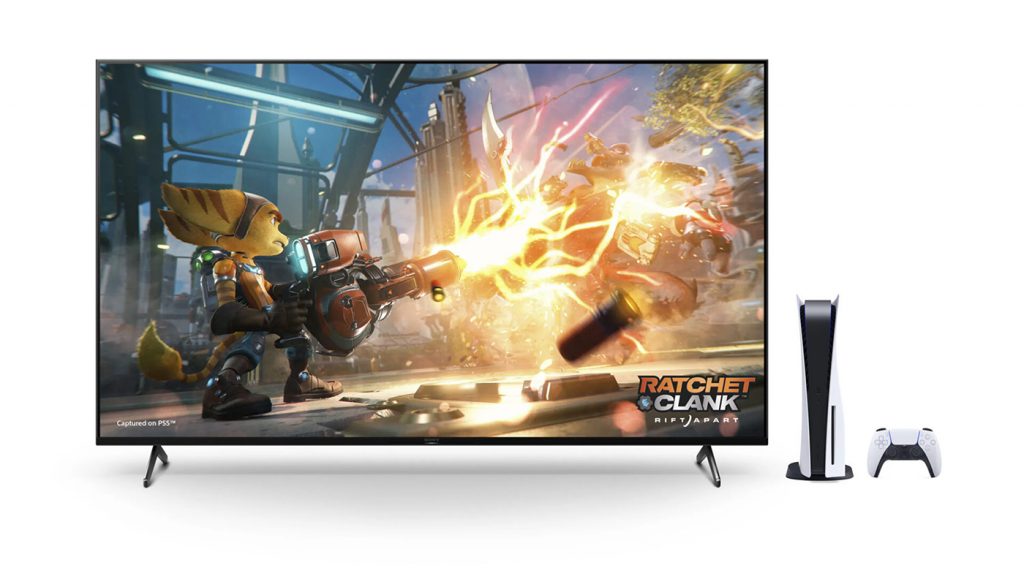
For years, the “Perfect for PlayStation” campaign was Sony’s greatest competitive shield. While other TVs were just displays, a Bravia was marketed as a family member; an extension of the console itself. However, with TCL now holding the majority stake, the industry is left to assume a fundamental shift in this relationship.
From “Made For” to “Certified For”?
It is reasonable to assume that the special relationship between Bravia and PlayStation will transition from a family tie to a transactional one. We may see a future where the 2027 Bravia is no longer engineered or designed with the PS5 in the same Tokyo hallways, but is instead a “licensed partner” receiving the same specs as any other high-end manufacturer.
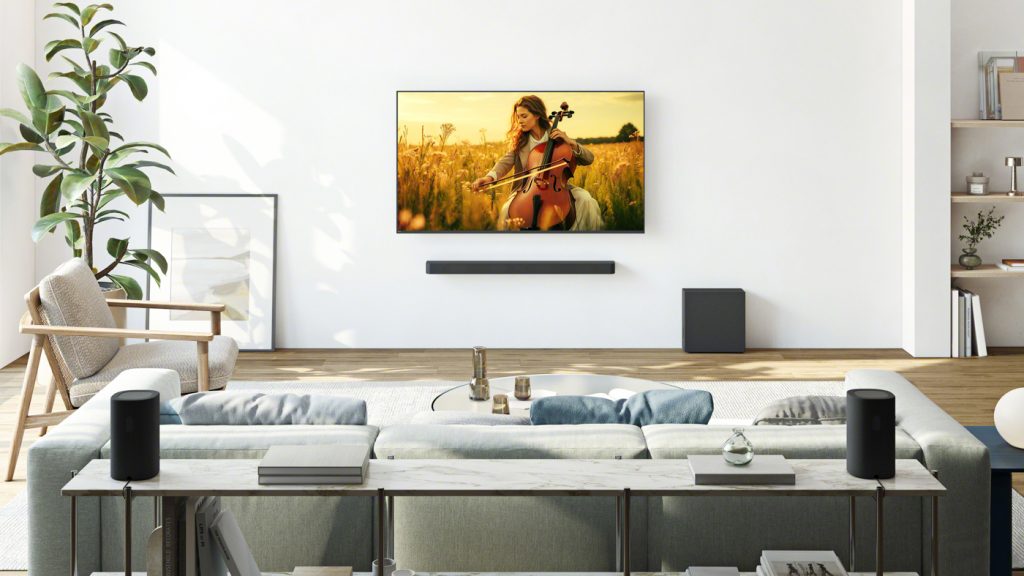
One must wonder if proprietary features like Auto HDR Tone Mapping will remain exclusive to Bravia. If TCL is the majority owner, they may push for these exclusive handshakes to be integrated into their own TCL-branded flagships to boost their premium image.
We assume that TCL’s involvement will actually solve Sony’s long-standing gaming hardware bottlenecks, such as the lack of four full-bandwidth HDMI 2.1 ports. However, the trade-off may be the loss of Sony’s specific “Game Mode” colour science.
We are likely entering an era where the hardware is faster, but the “PlayStation Soul” is a software-based afterthought rather than a core engineering principle.
The 2026/2027 Timeline: The Last of the Breed
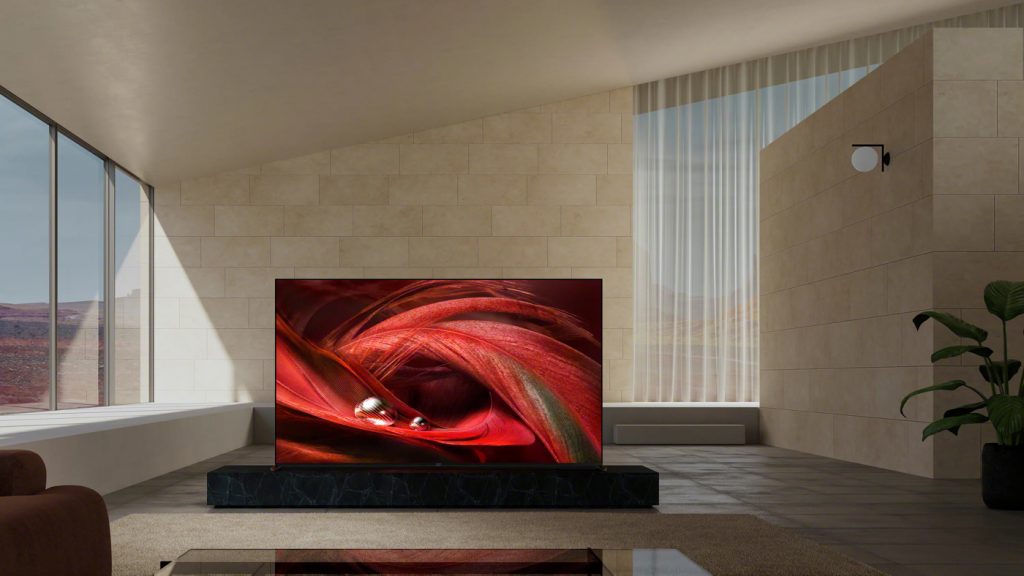
The press release sets a clear countdown: final binding agreements must be signed by March 2026, with the joint venture officially commencing in April 2027.
This creates a unique window for the enthusiasts. The 2026 model year will represent the Final Solo Run for Sony’s internal engineering team. These will likely be the last televisions 100% controlled, designed, manufactured, and serviced by Sony Corporation before the TCL era begins. If you want the “soul” of a legacy Japanese flagship, the 2026 models are your last certain bet.
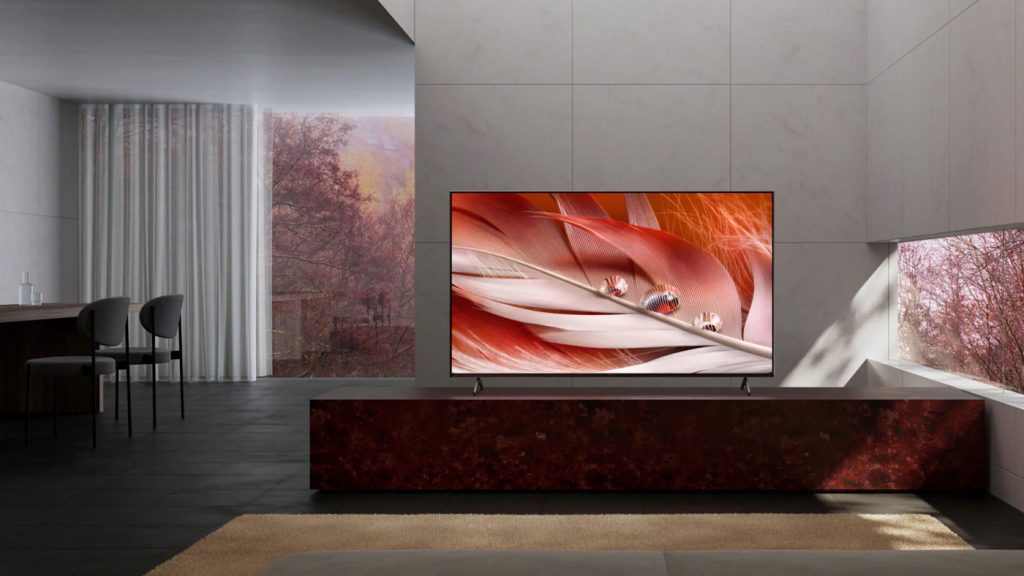
But for the average consumer, this deal might be a victory. It will likely lead to more affordable Bravia models and faster access to cutting-edge display tech like TCL’s Super Quantum Dot panels.
For the loyalist, the person who bought a Sony Bravia because it represented a specific, uncompromising Japanese engineering standard, the April 2027 transition marks a loss. Sony is walking a tightrope. If they can maintain the “Sony Magic” through software alone, they have saved their TV business.
If the brand dilutes into a “TCL in a Sony suit,” they will have sold the soul of their most iconic product for a seat at a table they no longer lead.