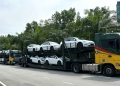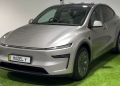
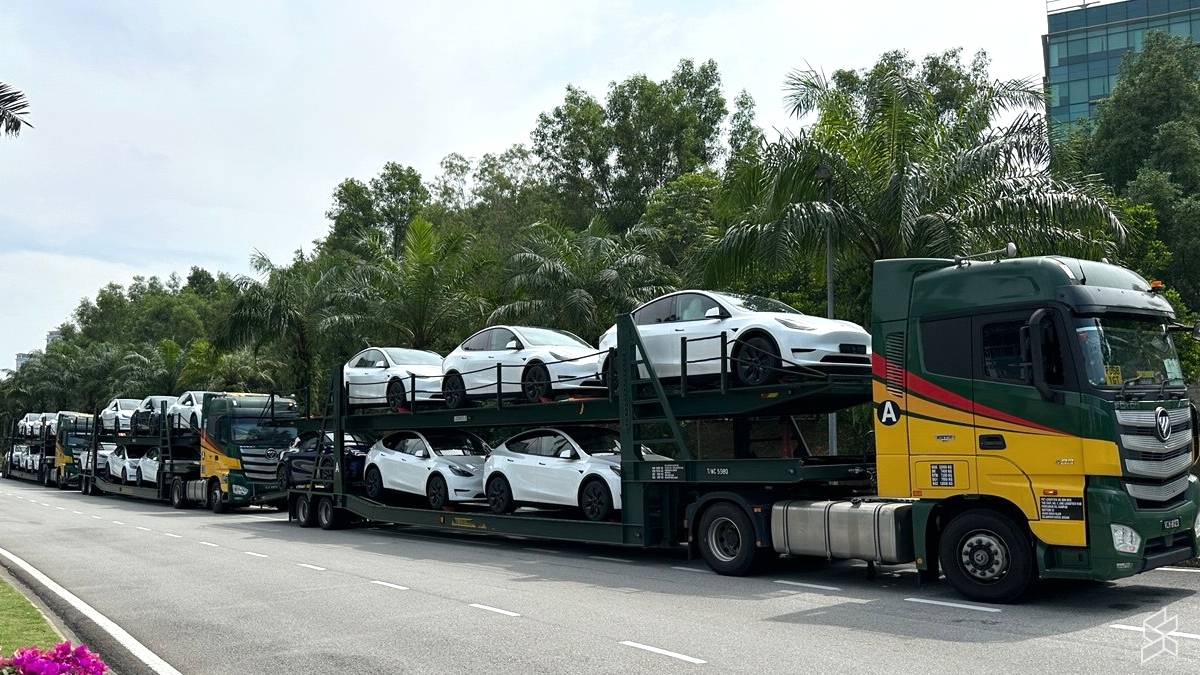
The Ministry of Investment, Trade and Industry (MITI) has recently updated the guidelines for Franchise Approved Permit (AP) on its website. Among the new changes that the ministry has implemented in the guidelines is the new RM250,000 floor price for fully imported, Completely Built-Up (CBU) electric vehicles in Malaysia.
In addition to that, the document also said that the power output of these CBU EVs has to be 200kW (268hp) and above. So, does this mean we are going to see a significant price for EVs in Malaysia since the majority of them are still being imported into our market?
The new rulings don’t apply to existing EV brands and models
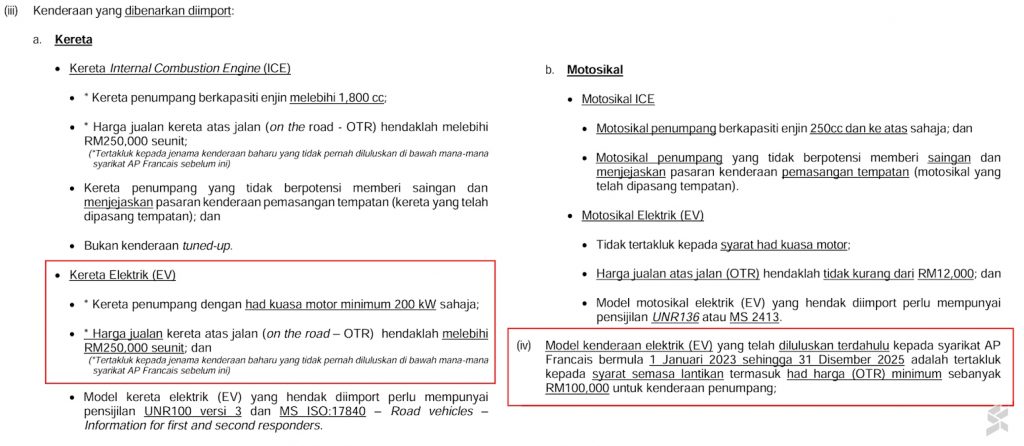
Well, the answer at the moment is NO. If you take a closer look at the document, there is a remark attached to both of these new conditions:
* Subject to new vehicle brands that have never been approved under any of the previous AP Franchise companies.
This means that these new rulings do not apply to existing EV brands in Malaysia. However, EV models that have been approved to be imported into Malaysia between 2023 and 2025 are still subject to the RM100,000 floor price policy, which has been in place for the past few years.
CBU EV price will still go up in 2026
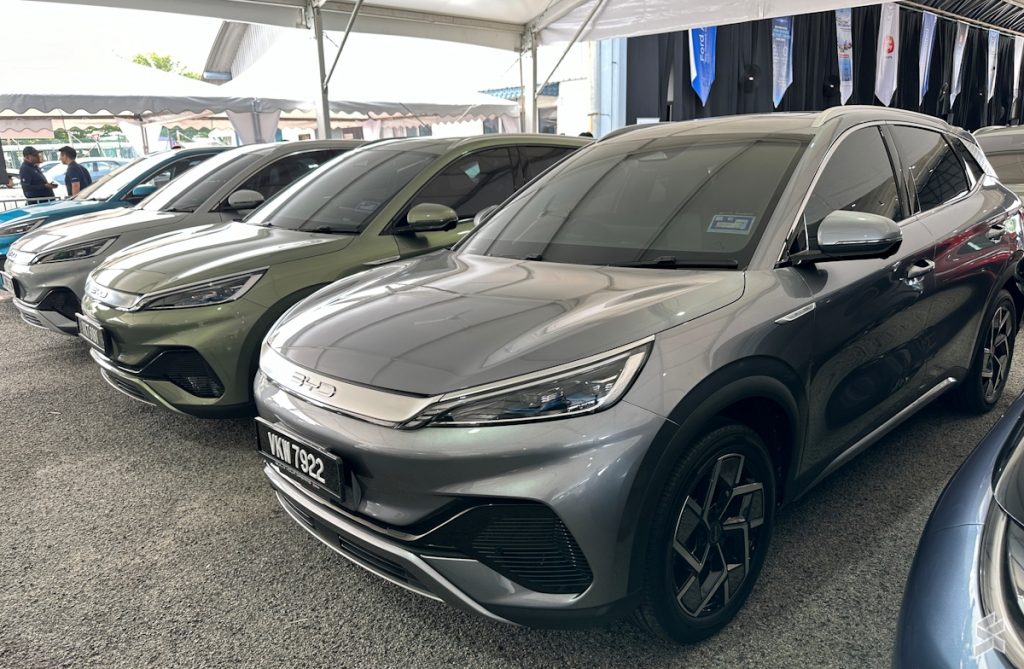
Despite the exclusion of the new rulings for existing EV brands and models, we expect the pricing for CBU EVs to increase in 2026 anyway. This is because today marks the end of the import and excise duty exemptions for CBU EVs.
However, the government has yet to reveal whether there will be new import and excise duty rates for them. As a reference, the previous import and excise duty rates for CBU EVs were 30% and 10%, respectively.
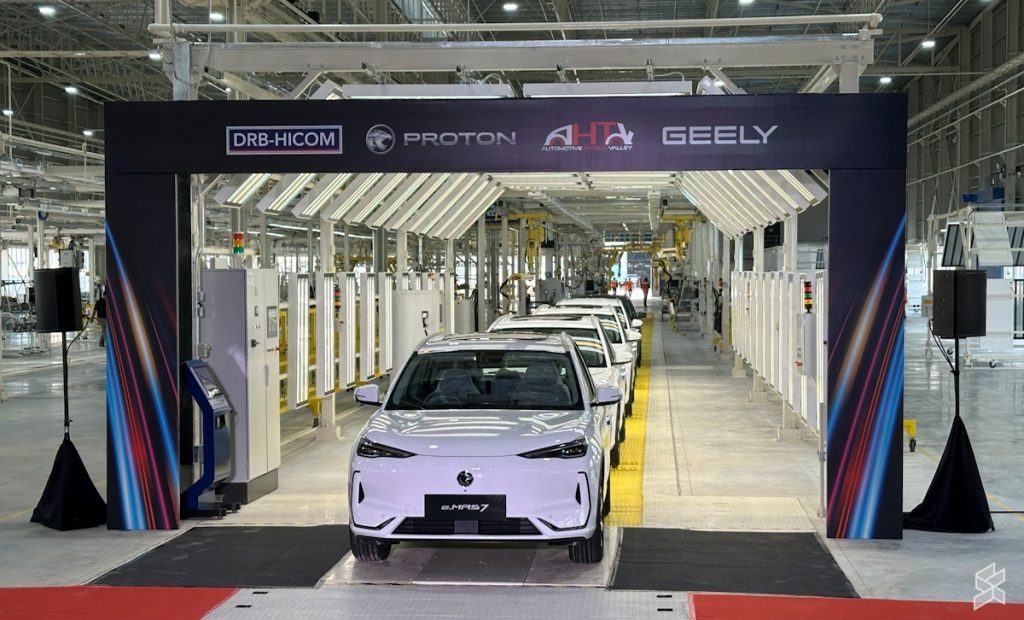
To circumvent the effect of these taxes on their EVs for our market, automakers have to consider assembling them in Malaysia. After all, locally assembled (CKD) EVs in Malaysia are exempted from excise duty and sales tax until the end of 2027, while there is also the import duty exemption on their components.
Aside from hometown heroes Proton and Perodua, several automakers already have CKD operations for their EVs in Malaysia, including Volvo, Mercedes-Benz, Chery, and TQ Wuling. The list will grow further in 2026 with the inclusion of BYD, Leapmotor, MG, and XPeng. Additionally, Zeekr and Volkswagen have also committed to CKD operations, although they have yet to announce a confirmed timeline.