This post is brought to you by Samsung.
Smartphone photography has evolved rapidly over the past decade. What began as a race for higher megapixels and larger sensors has gradually shifted towards something less visible but far more influential: artificial intelligence (AI).
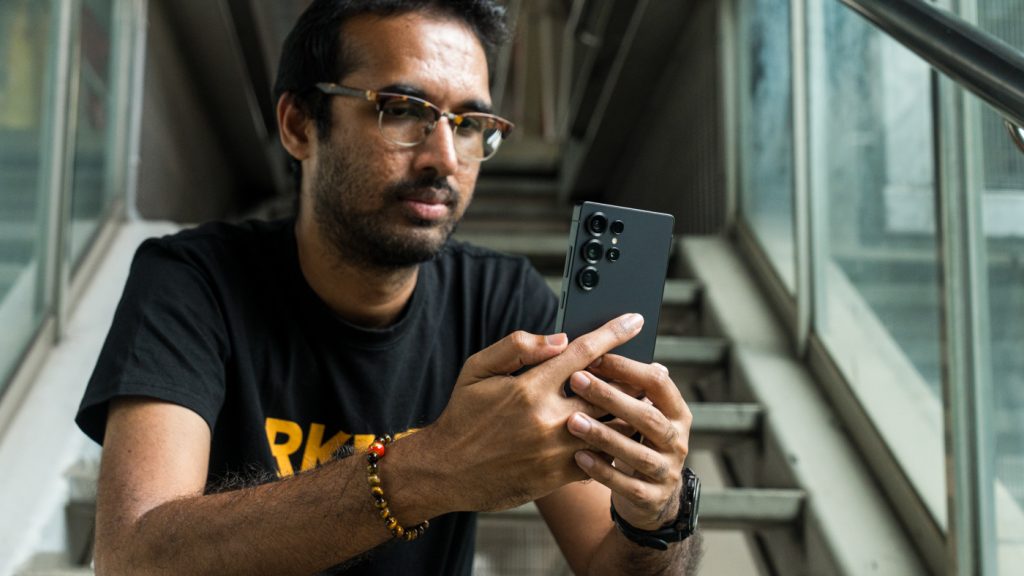
Today, the quality of a photo is no longer determined by hardware alone. Increasingly, it is intelligent software that defines how an image looks, feels and communicates a moment.
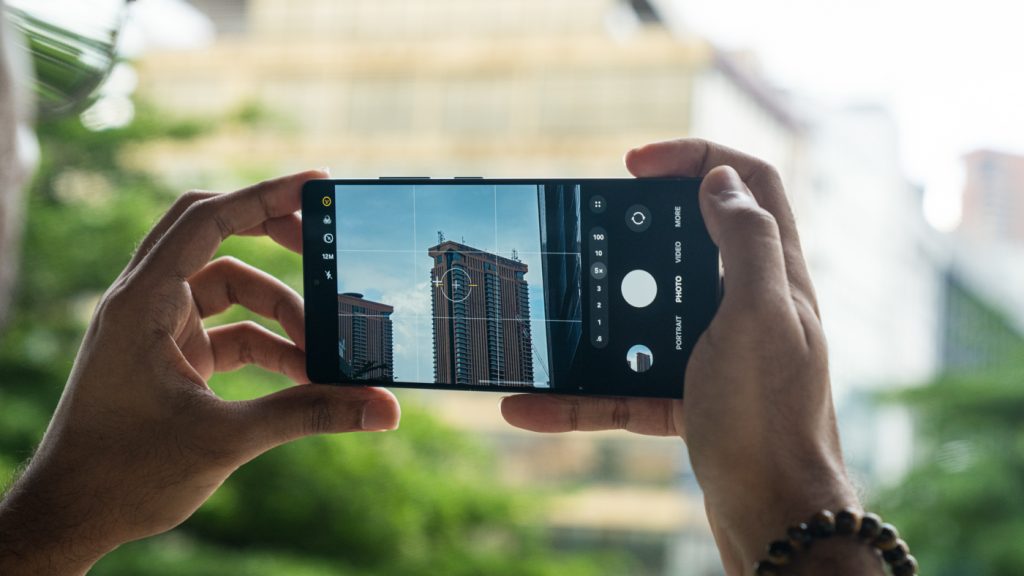
As smartphones are the primary camera for many users, expectations have also changed. People want reliable results in different environments, without needing to adjust settings or understand technical limitations. This is where AI has quietly become a central part of modern smartphone photography.
AI as the Invisible Engine Behind Modern Smartphone Photography
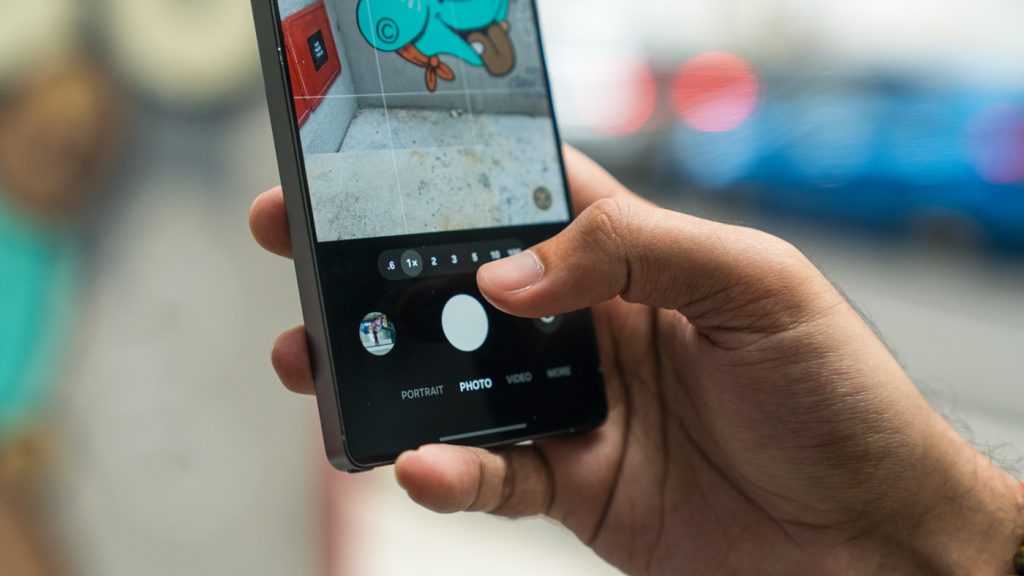
In today’s smartphones, AI plays a key role long before the shutter is pressed. Camera systems now analyse scenes in real-time, identifying elements such as lighting conditions, subjects, and background complexity. Based on this information, the camera automatically adjusts multiple parameters to suit the situation.
This approach allows smartphones to deliver consistent image quality across a wide range of scenarios, whether it is bright daylight, indoor lighting or challenging backlit scenes. Instead of relying solely on physical hardware, AI helps the camera interpret what it sees and respond accordingly.
From Automation to Enhancement: Why AI is No Longer a Gimmick

AI in photography is often misunderstood as a surface-level feature, but its real impact lies in subtle refinement. Modern AI processing works continuously to balance exposure, manage colours, enhance details, and optimise high dynamic range, all without requiring user input.
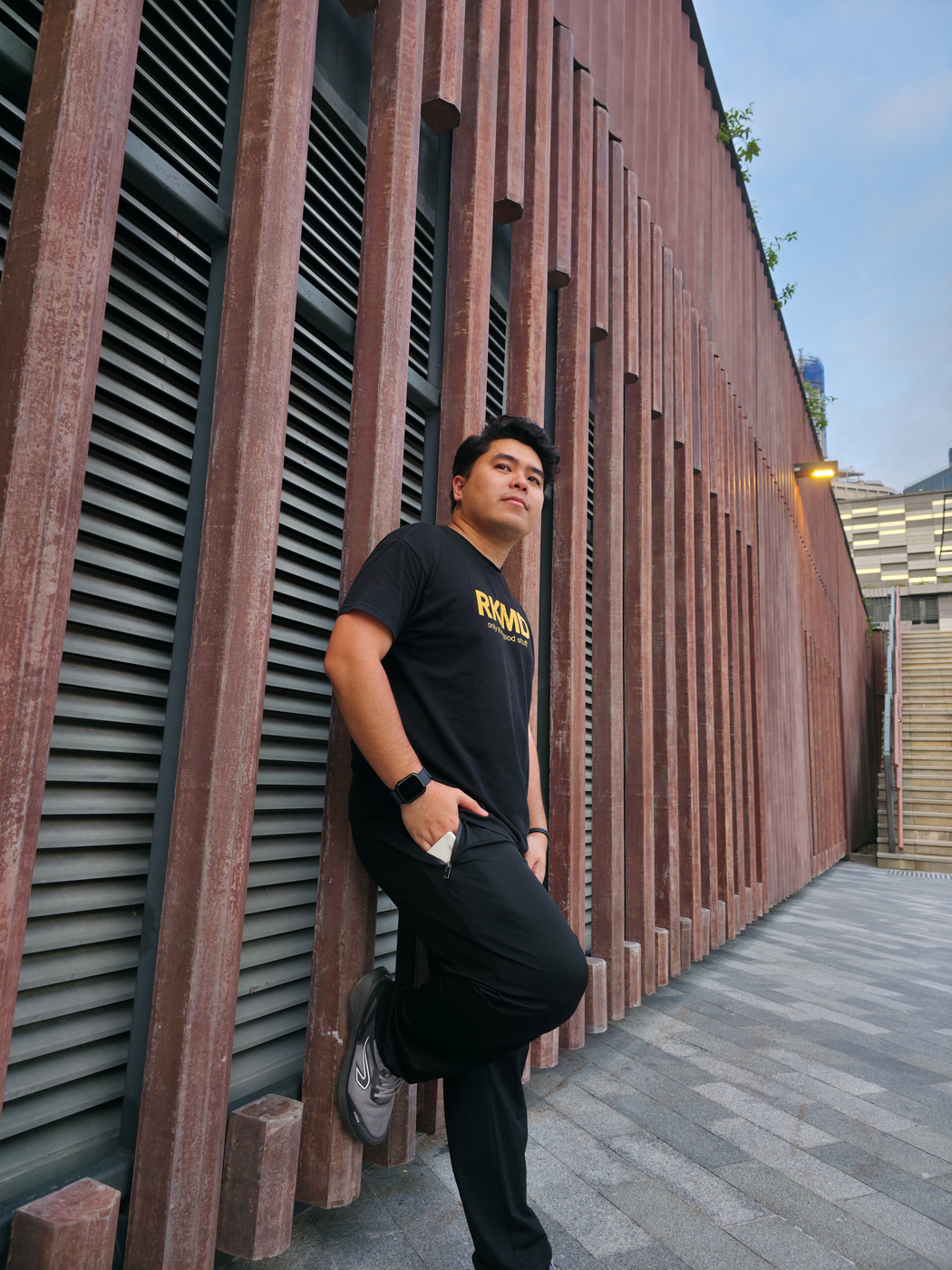
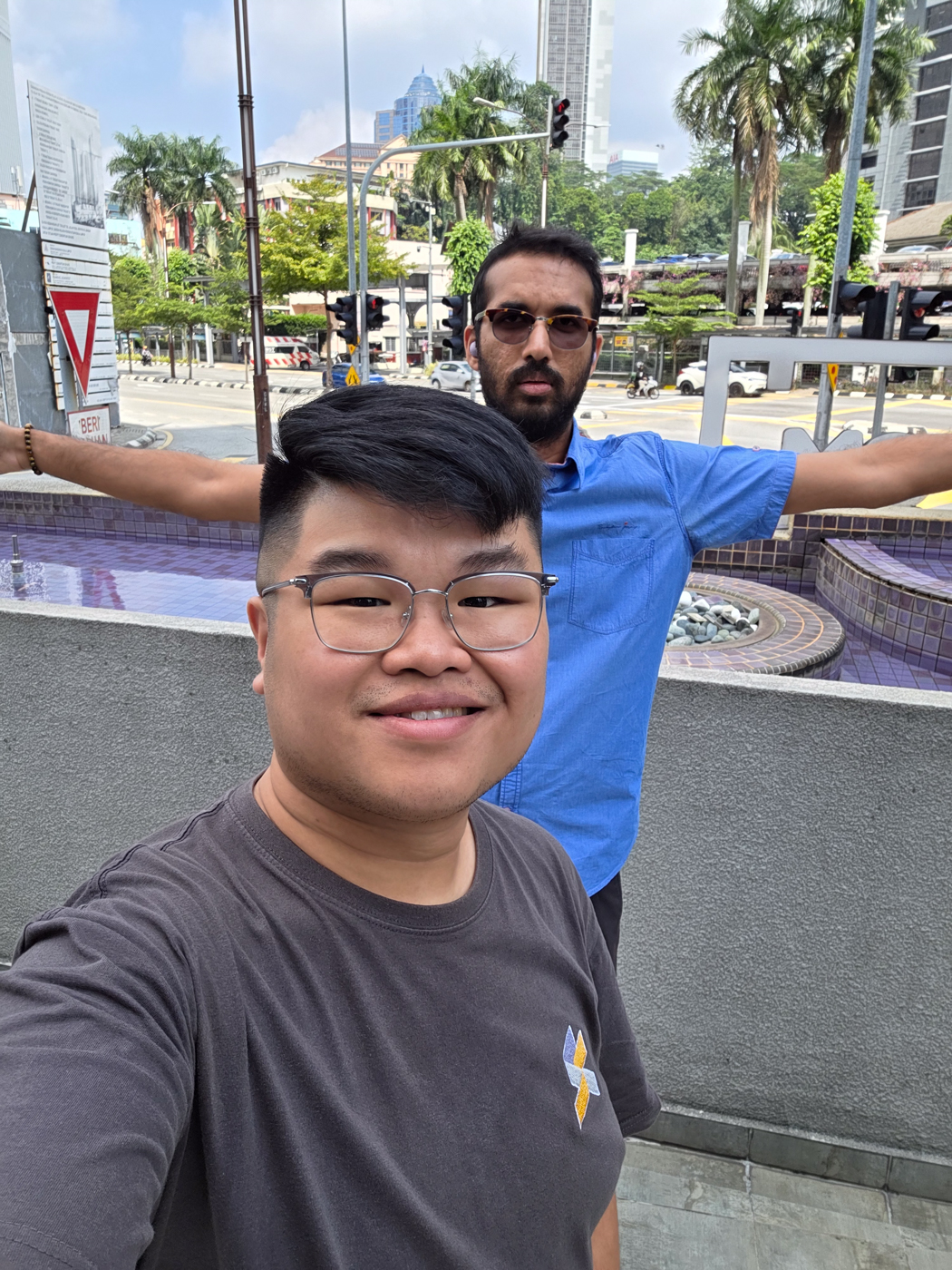
In low-light environments, AI can combine data from multiple frames to improve brightness and clarity while keeping noise under control. These processes happen almost instantly, allowing users to focus on framing and timing rather than technical adjustments.
Over time, AI has shifted from being an optional add-on to an essential part of delivering dependable photo quality.
Redefining Portraits and Depth Through Intelligent Processing
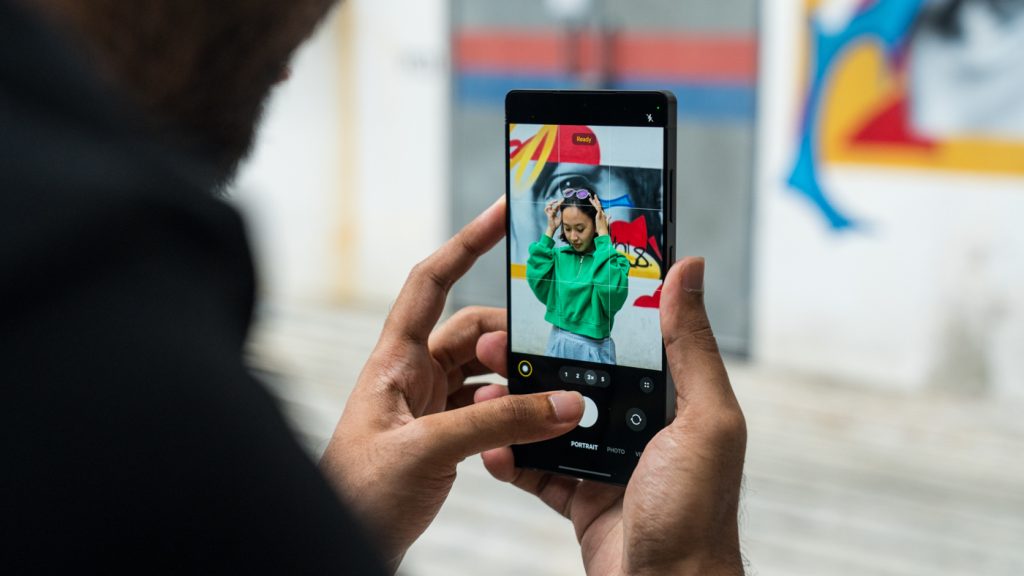
One of the most visible changes brought by AI is in portrait photography. Accurately separating a subject from its background was once difficult without large sensors or dedicated cameras. Today, AI-powered depth mapping enables smartphones to identify edges and layers within a scene with greater precision.

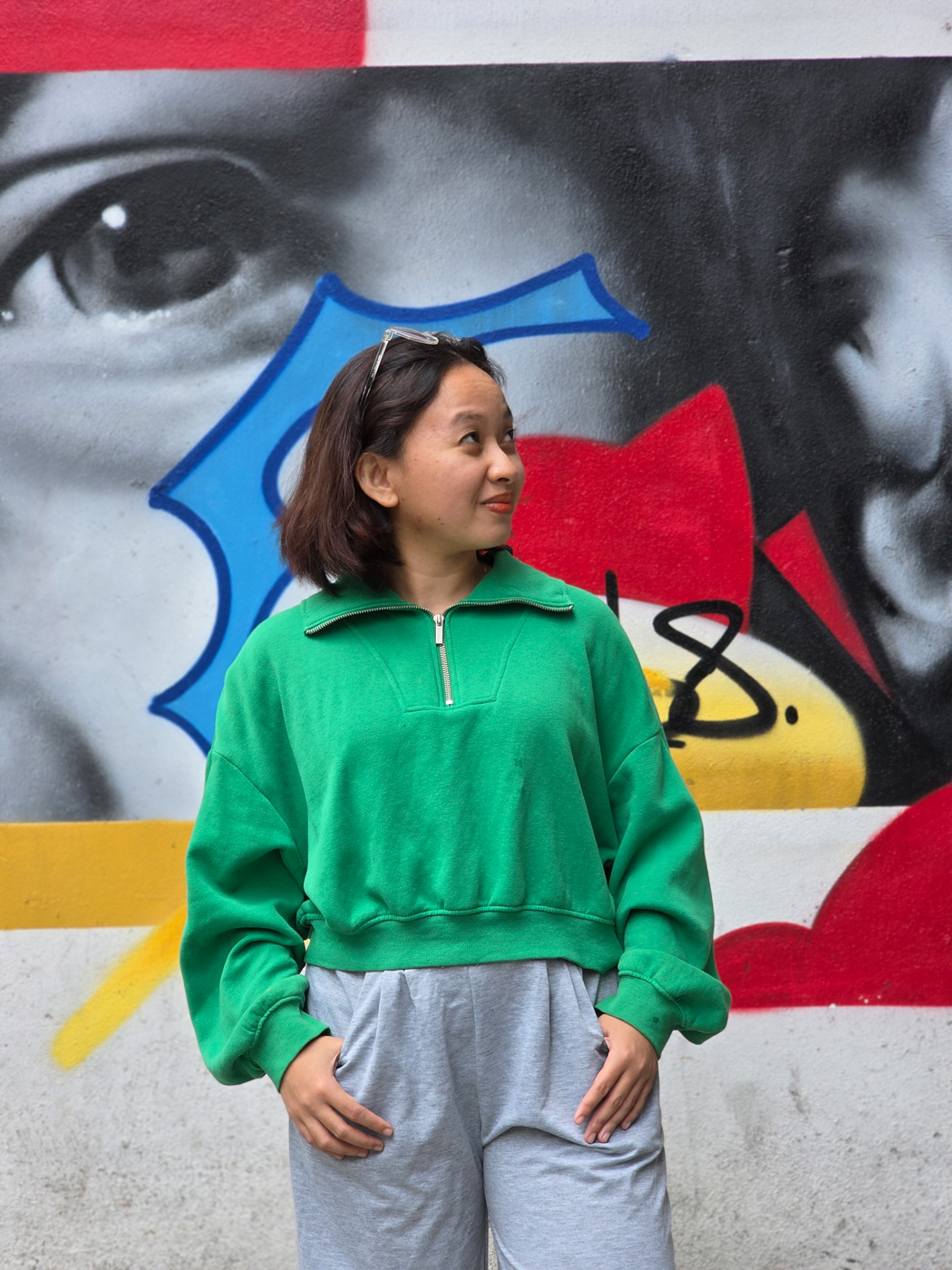
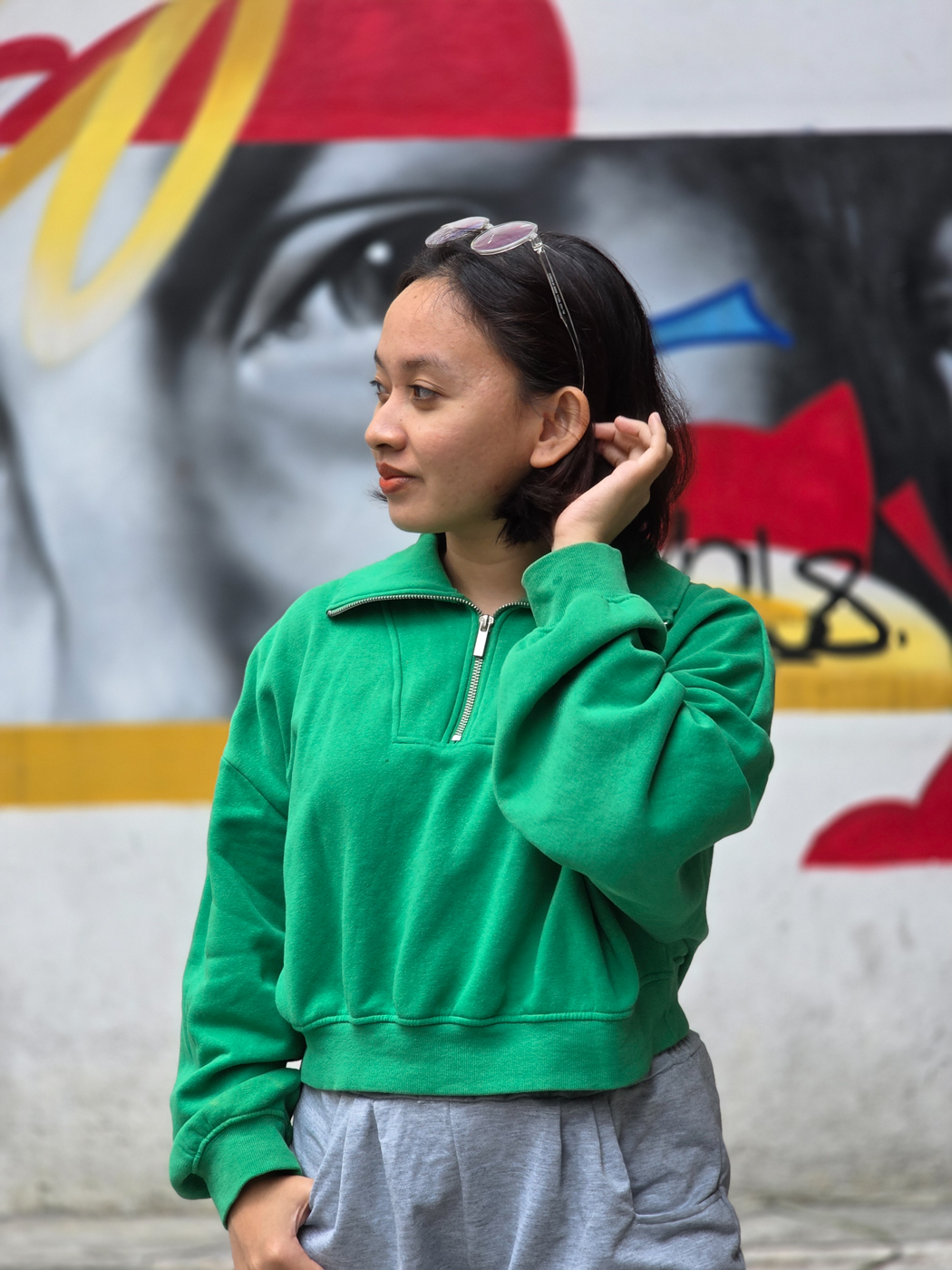
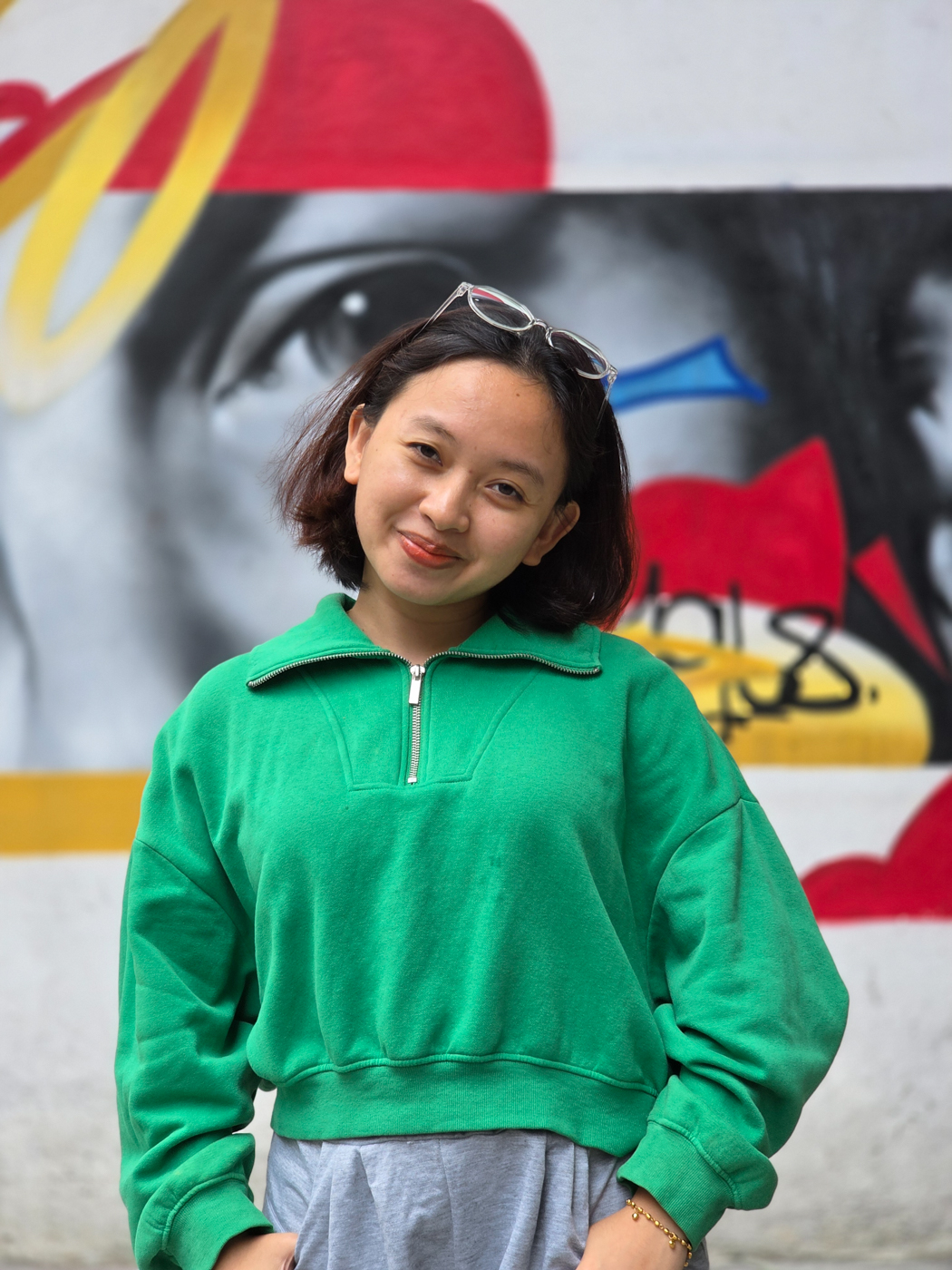
This allows for more natural-looking background blur and cleaner subject separation, producing portraits that appear more refined. While the technology operates behind the scenes, the result is a simpler experience for users who want visually pleasing portraits without specialised equipment.
How Galaxy AI Brings Advanced Editing Tools onto the Phone
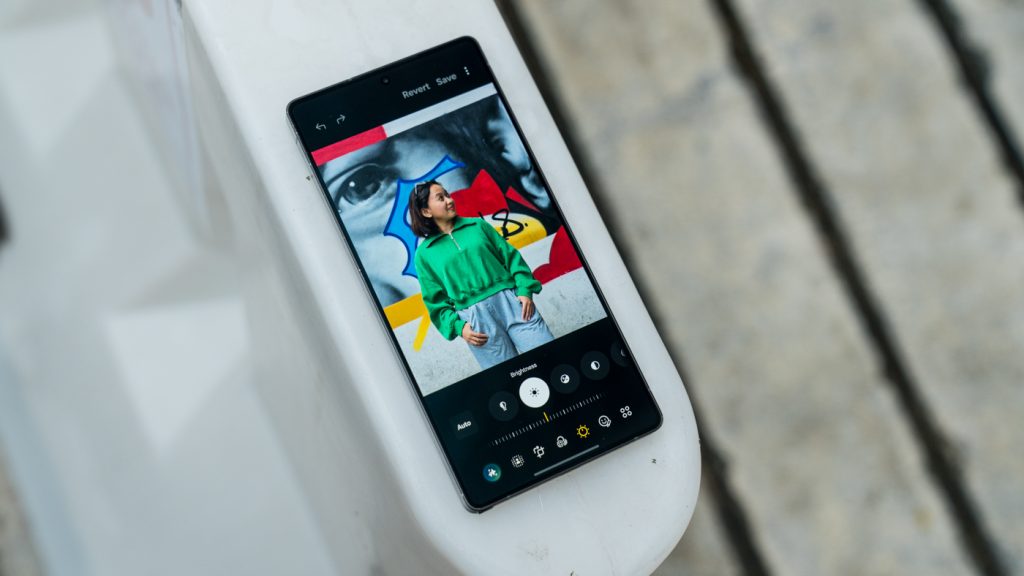
AI’s influence does not stop once a photo is captured. Editing and enhancement have become a natural extension of the photography process. Tasks that once required desktop software can now be performed quickly and intuitively on a smartphone.
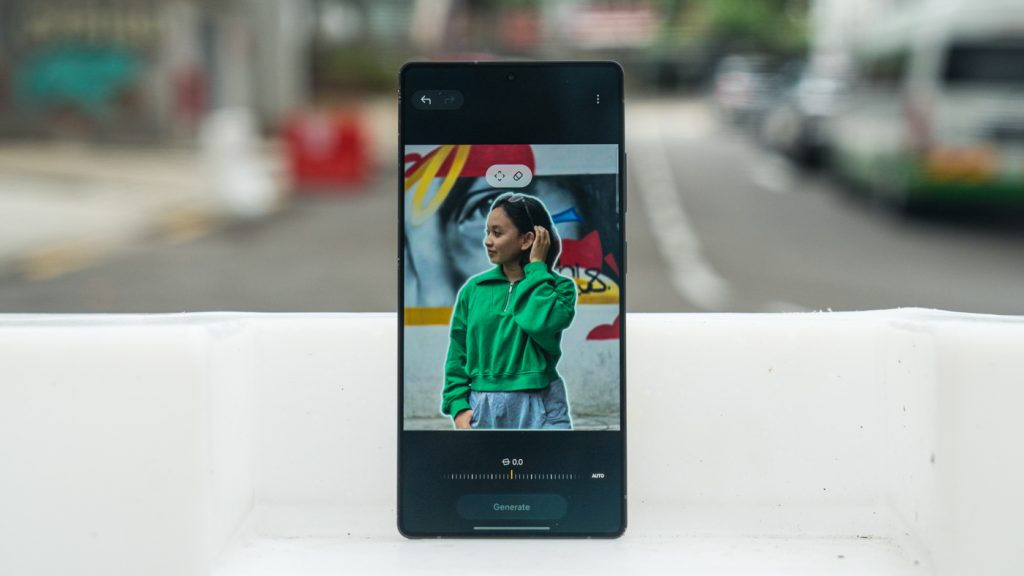
Samsung’s Galaxy AI builds on this evolution by integrating intelligent editing tools directly into the smartphone experience. Instead of positioning AI as a separate layer, Galaxy AI extends familiar workflows, allowing users to refine images without leaving the device.
Features such as Generative Edit enable adjustments to compositions after a photo is taken, offering greater flexibility when conditions are not ideal. Object Erase 2.0 supports cleaner removal of distractions within a scene, helping users maintain focus on the intended subject.
These tools reflect a broader move towards making advanced editing more accessible in everyday use.
Expanding Creative Expression with Galaxy AI
Beyond correction and refinement, Galaxy AI also introduces tools that support creative reinterpretation. Instant Slow-mo allows standard video footage to be transformed into smoother slow-motion clips, making it easier to highlight specific moments after recording.
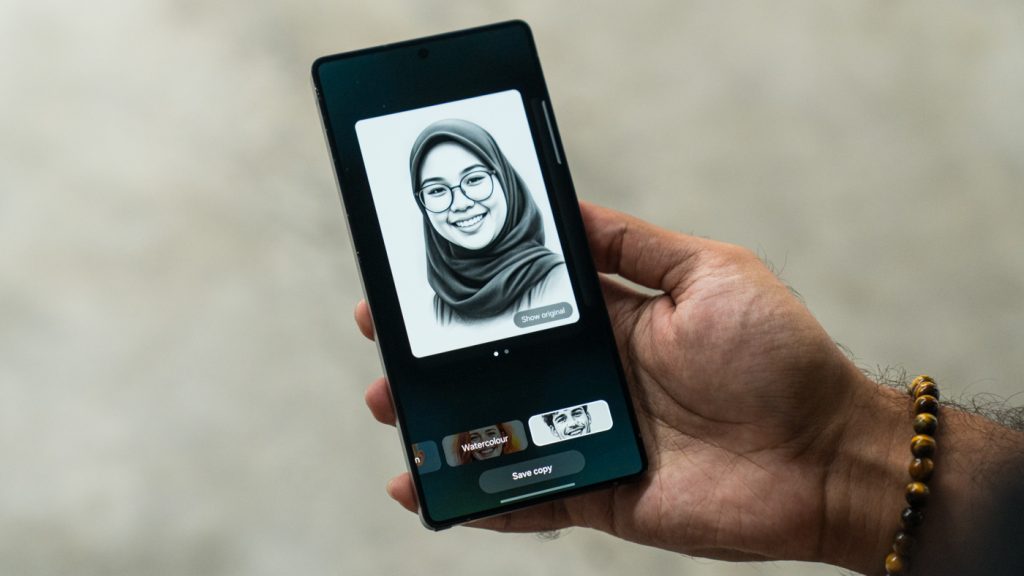
Portrait Studio adds another dimension by offering creative styling options for portraits, giving users more ways to present their images. Rather than prescribing a single aesthetic, these tools are designed to provide flexibility, allowing users to explore different visual outcomes.
AI as an Assistant, Not a Replacement for Creativity
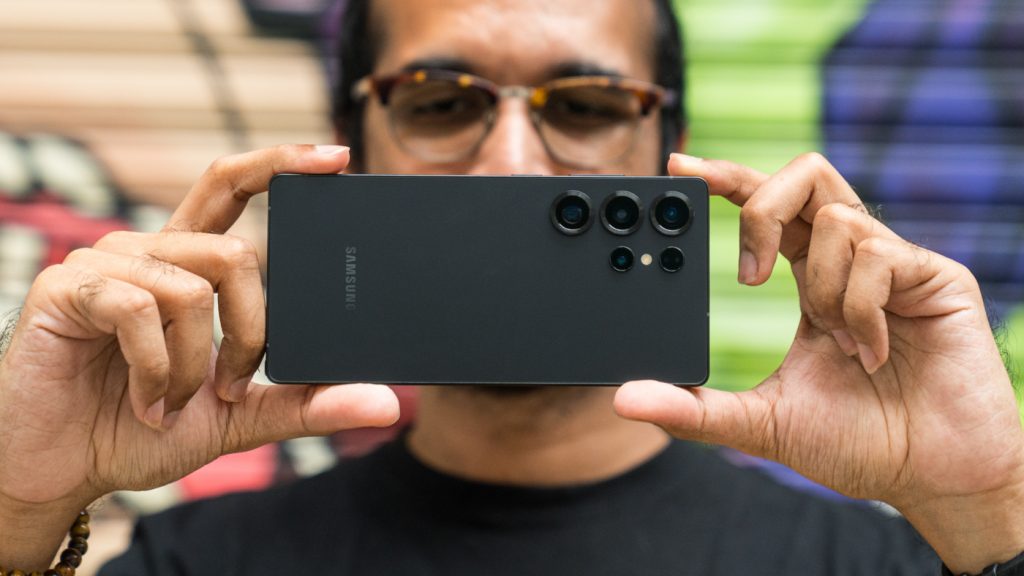
Despite its growing capabilities, AI in smartphone photography is intended to assist rather than replace human creativity. Decisions around composition, timing and storytelling remain firmly in the hands of the user. AI handles technical complexity, enabling users to focus on intent and expression.
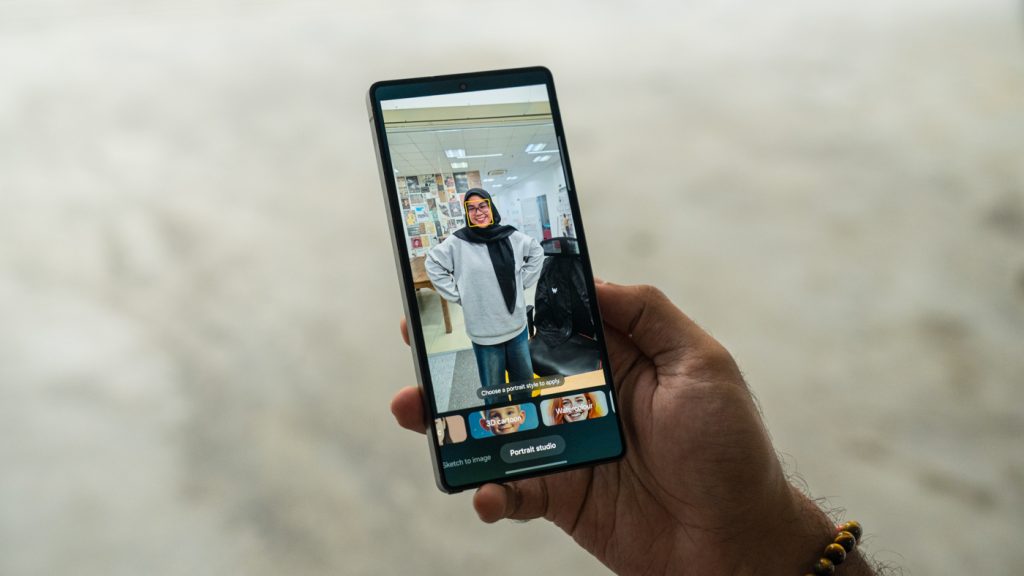
This balance highlights the direction in which smartphone photography is heading. As AI becomes more integrated, its most effective role is one that reduces friction and expands creative possibilities, while remaining largely unobtrusive.
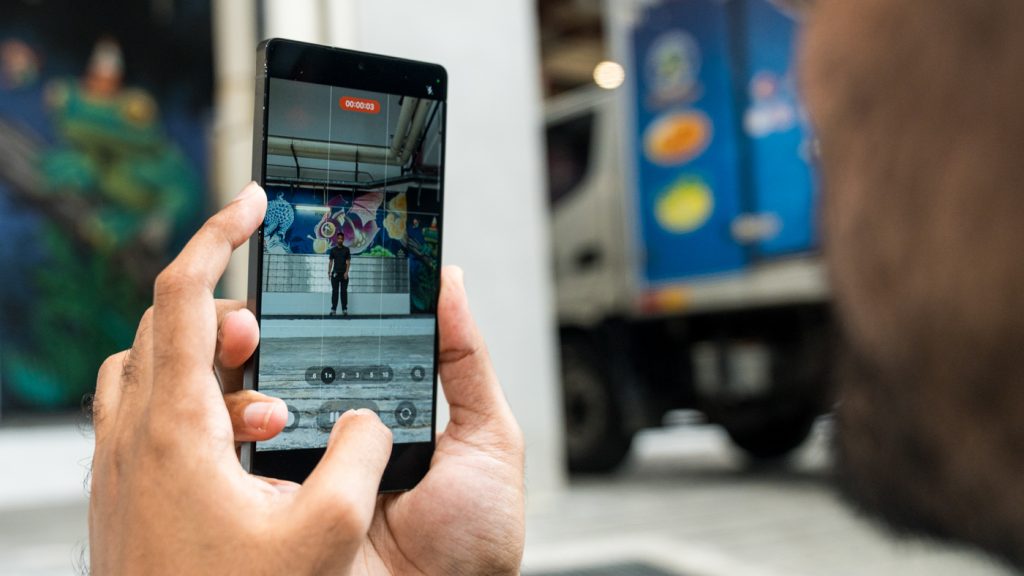
In this context, Galaxy AI represents an approach where intelligent tools support everyday photography without overshadowing the user’s perspective. As smartphone cameras continue to evolve, AI is set to remain a defining force, not by taking control, but by helping users bring their ideas to life more effortlessly.