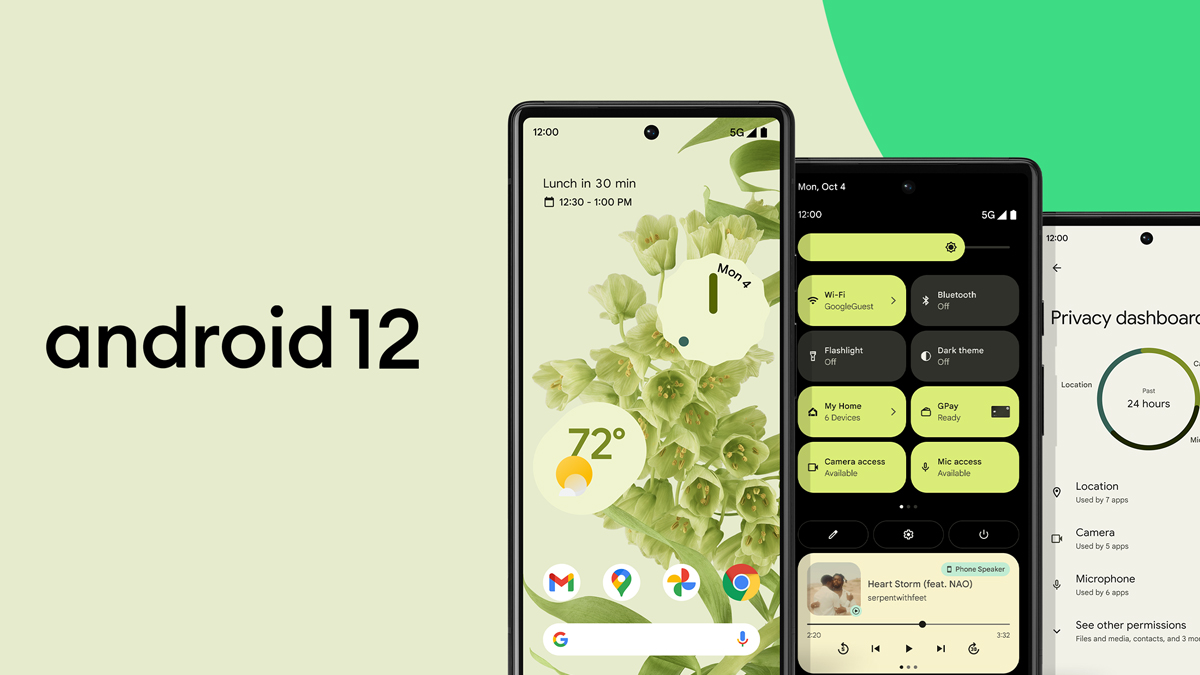
CES 2022 is still going on, but one big name missing happens to be Google. That’s not to say that they weren’t planning to be there, but due to the COVID-19 pandemic, Google pulled out. Nevertheless, the tech giant still wants to show off their plans for the year, and the one big target they’ve set for themselves this year revolves around their Android operating system. Google knows that for many of us, we’re getting more connected devices in our household every year, and so Google wants to improve the overall ecosystem by making it easier to connect your smartphone to other devices, including Windows.
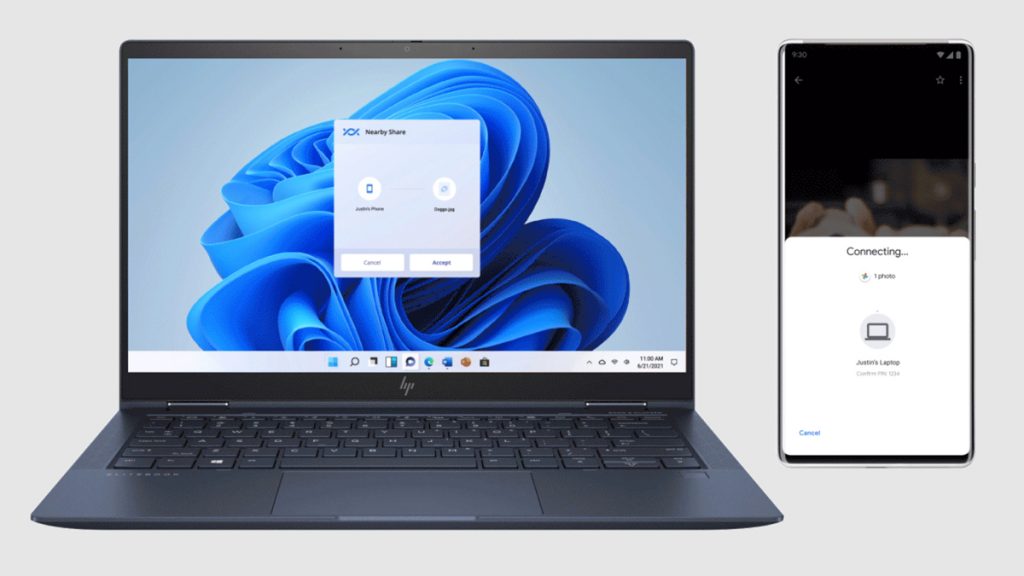
For the first time in the Android lifespan, Google are looking to work on the Windows platform too. Specifically, they want to bring Fast Pair and Nearby Share to Windows devices. This will make it easier to connect your Android device to your Windows PC, allowing you to hook them up via Fast Pair and then transfer files and sync messages using nearby Share. You can think of it as something similar to Apple’s AirDrop system, except instead of it just working for Apple devices it’ll now work between Android and Windows machines. Google says that they’re currently working with Acer, HP and Intel to bring these features to select Windows PCs later this year.
That’s not the only plans for Fast Pair though. Google has also announced that they’re working with hardware partners to allow Fast Pair to not only work with Bluetooth headphones, but also with wearables, TVs, smart home devices and even cars. They have plans to roll out a new feature to Chromebooks too in a few weeks time that’ll let your Chromebook automatically detect nearby Fast Pair-enabled headphones to connect with a single click. If you got a new Chromebook meanwhile, simply Fast Pair to your Android smartphone to get all of your saved information like Google logins and WiFi password. The same feature will also soon work for Google TVs or Android TV OS devices in your home.
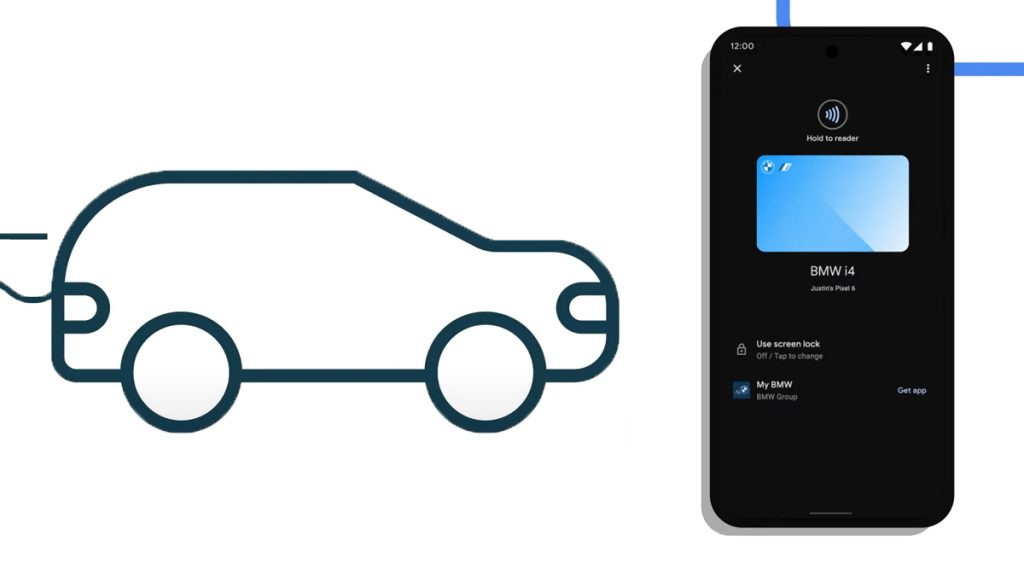
And speaking of Fast Pair connections with your car, you can now use compatible Samsung or Pixel phones to lock, unlock and even start your car—well only if your car is among the short list of BMW vehicles that support this feature. Later this year though, Google also plans to rollout a new feature that uses Ultra Wideband (UWB) technology so that you won’t even need to access your phone to unlock your car. You can also soon be able to share your car key to your friends or family who borrows your car. This lock and unlock feature will also work on your Chromebook, while you’ll be able to unlock your Chromebook with your Wear OS smartwatch in the coming months too.
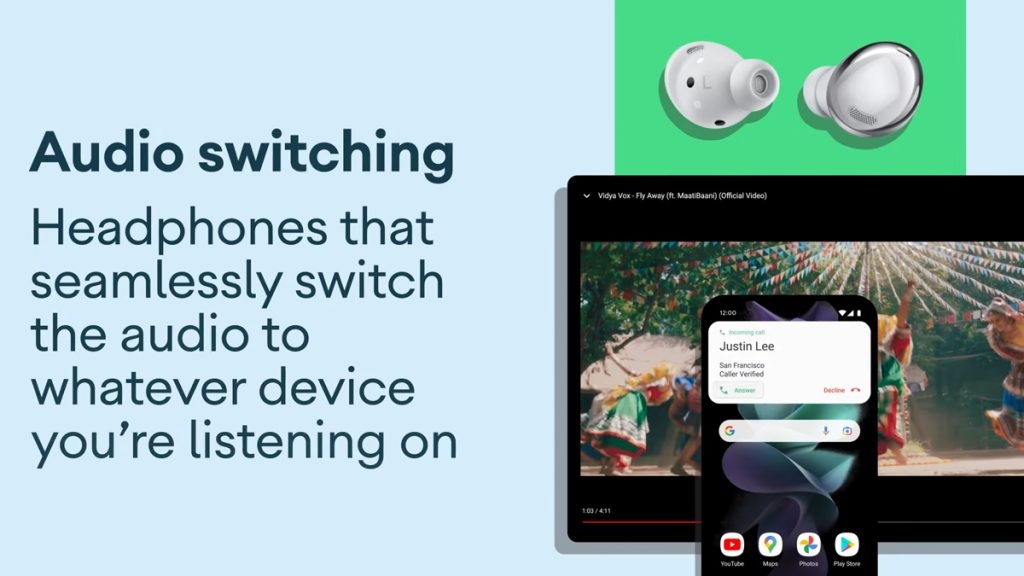
Lastly, Google has mentioned its plans to allow Bluetooth headphones to automatically switch audio to whichever device you’re using. This means that if you’re using your wireless headphones on your laptop to watch a movie and you get a call, it’ll switch to your Android phone and then switch back once your call is over. Spatial audio meanwhile will also be coming to supported headphones later this year.
For more information on what Google has in store for the year, you can check out their full CES 2022 post on their Keyword blog.