
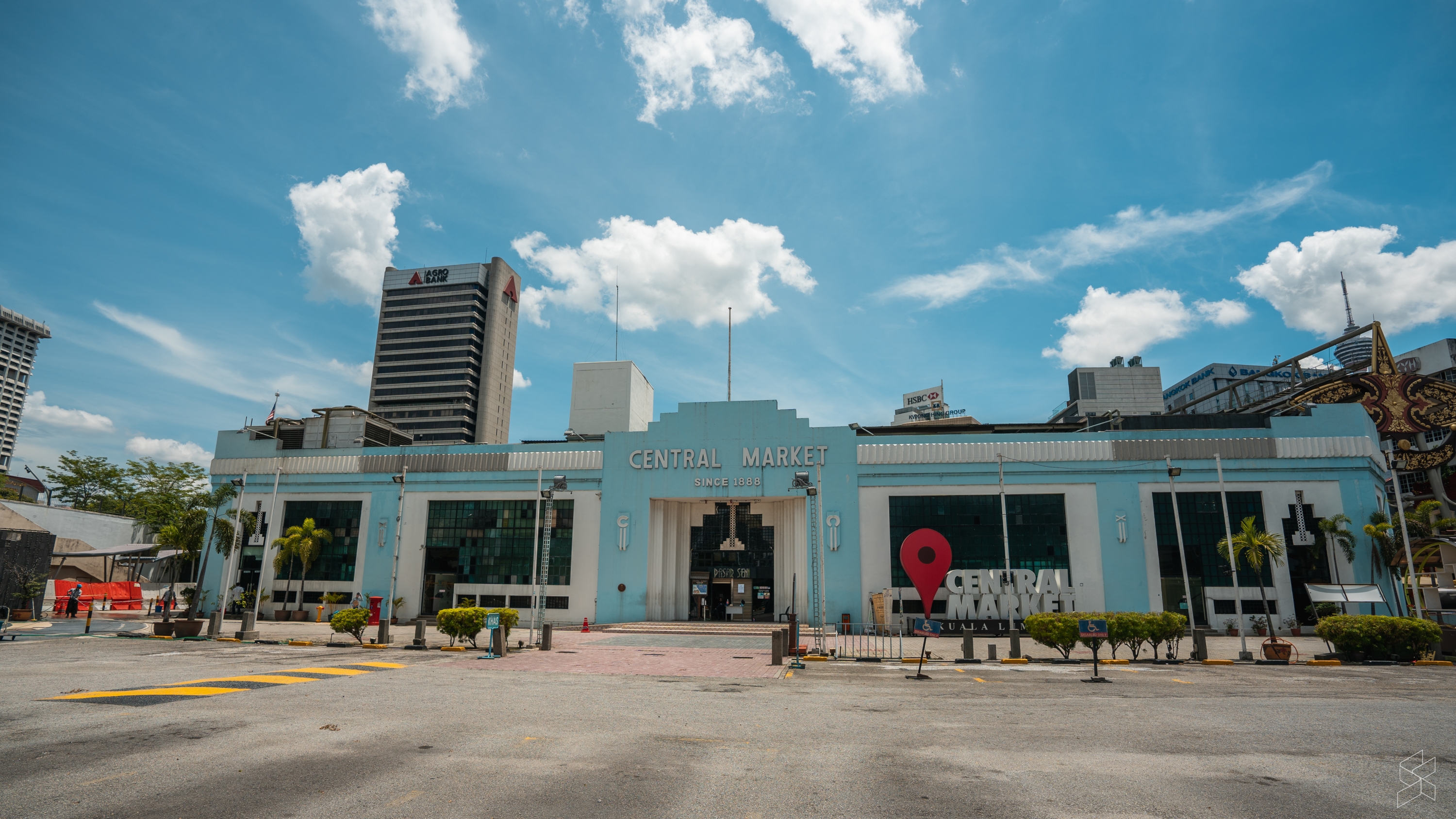
Malaysians in certain states are now living life under the second Movement Control Order (MCO 2.0), as COVID-19 numbers spike around the country. However, a silver lining to the situation has been the perceived positive environmental effect of the reduced number of vehicles on the road, as well as an overall drop in commercial activity. This has consequently led to reports that global air pollution is being reduced by various COVID-19-related restrictions around the world.
However, a new study now says that this positive environmental effect may have been an overestimation. COVID-19 lockdowns did indeed lead to major reductions in air pollutants, although the overall level of pollutants did not improve by as much as expected, according to Science Advances. The study took three main pollutants in consideration, including ozone levels, nitrogen dioxide, and fine particulate matter (PM2.5).
These pollutants have a significant effect on public health, according to researchers:
“Globally air pollution, primary PM2.5, NO2 and O3 are associated with about 7 million premature deaths,”
– Zongbo Shi, professor of Atmospheric Biogeochemistry at the University of Birmingham
“Not as large as expected”
The study found that previous analysis on the effects of lockdowns on the environment may not have taken the effects of weather changes into account. Temperature and wind changes have significant effects on pollutants in the air, which is why researchers used a machine learning model to “decouple the effects of meteorological conditions”.
Additionally, researchers also compared what pollutant levels would have been during a certain moment in time, versus the levels during lockdowns. Previously, most analysis compared pollution levels from one year to the next.
Results show that certain pollutants, such as nitrogen dioxide, saw a reduction in concentration in 11 major cities around the world. 30 percent of this reduction is down to lockdown measures—compared to the previously-estimated figure of 60 percent. As for the other pollutants measured, PM2.5 levels were significantly lower in Wuhan and Delhi—-but there were “no clear changes” in other cities examined.
In fact, London and Paris saw an increase in PM2.5 levels on average, while all 11 cities studied were reported to have increased levels of ozone during lockdown periods.
“In summary, emission changes associated with the early-2020 COVID-19 lockdown restrictions led to complex and substantial changes in air pollutant levels, but the changes are smaller than expected.
“Our results demonstrate the need for a sophisticated analysis to quantify air quality impacts of interventions and indicate that true air quality improvements were notably more limited than some earlier reports or observational data suggested.”
It’s worth noting that while the number of vehicles on the road have been drastically reduced by restrictions—in Malaysia and around the world—other sources of air pollution are still in operation. For example, various commercial sectors that are allowed to continue operations in Malaysia during the MCO 2.0, including selected industries under the manufacturing sector.