• 中文版
  • BM
  • News
  • Deals
  • Reviews
    • First Impressions
    • Hands-on
    • Comparisons
  • Tech
    • Mobile
    • Computers
    • Cameras
    • Wearables
    • Audio
    • Drones
  • Telco
    • Celcom
    • Digi
    • Maxis
    • Time
    • Tune Talk
    • U Mobile
    • Unifi
    • Yes
  • Cars
  • Contribute
  • Jobs
Menu
  • 中文版
  • BM
  • News
  • Deals
  • Reviews
    • First Impressions
    • Hands-on
    • Comparisons
  • Tech
    • Mobile
    • Computers
    • Cameras
    • Wearables
    • Audio
    • Drones
  • Telco
    • Celcom
    • Digi
    • Maxis
    • Time
    • Tune Talk
    • U Mobile
    • Unifi
    • Yes
  • Cars
  • Contribute
  • Jobs
Search
  • Tech
    • News
    • Mobile
    • Computers
    • Cameras
    • Wearables
    • Audio
    • Drones
  • Telco
    • Celcom
    • Digi
    • Maxis
    • Time
    • U Mobile
    • Unifi
    • Yes
  • Reviews
    • First Impressions
    • Hands-on
    • Comparisons
  • Buyer’s Guide
  • Opinions
  • Digital Life
  • Video
  • Deals
  • How-To
  • Cars
  • Bahasa Melayu
  • EV
  • Contribute
  • Advertise
Menu
  • Tech
    • News
    • Mobile
    • Computers
    • Cameras
    • Wearables
    • Audio
    • Drones
  • Telco
    • Celcom
    • Digi
    • Maxis
    • Time
    • U Mobile
    • Unifi
    • Yes
  • Reviews
    • First Impressions
    • Hands-on
    • Comparisons
  • Buyer’s Guide
  • Opinions
  • Digital Life
  • Video
  • Deals
  • How-To
  • Cars
  • Bahasa Melayu
  • EV
  • Contribute
  • Advertise
Search
Close
Home Digital Life

Security experts want parents to stop buying smart devices for kids

  • BY Alexander Wong
  • 26 November 2018
  • 1:15 pm
  • Comment
Share on FacebookShare on Twitter

We are currently living in a very connected world. Apart from smartphones and smart TVs, there are heaps of smart devices which include IoT and even   smart toys for kids. While it’s tempting to equip your children with the latest and greatest in tech, security experts have warned that you could be putting their safety at risk. 

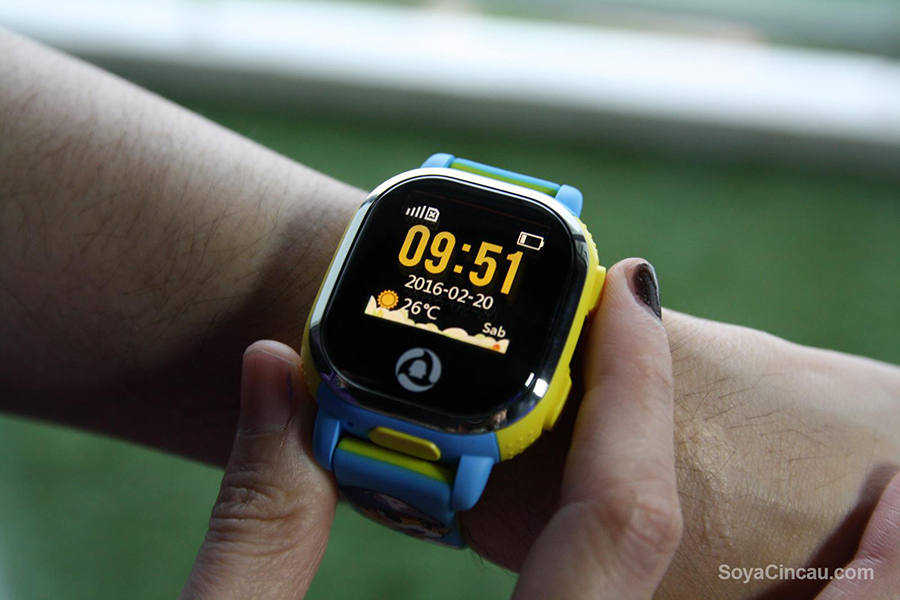
It was recently reported that some smart watches for kids like the MiSafes are very easy to hack. This would allow strangers to gain access to personal information and they could even locate a child in real time thanks to GPS tracking and always-on mobile connectivity. 

According to some security researchers, this is probably the simplest hack they have ever seen. They have tested a couple of units and they have found that it was possible to enable remote listening of the watch, changing the safe zone feature and even track the wearer’s current and previous locations.

 Although it’s marketed like a smart toy, not all manufactures are doing enough when it comes to privacy and security. As a result, some stores have removed the product and even Germany had imposed a sales ban since last year.

The security vulnerability is also found on other bluetooth connected toys. If a toy is not secured, someone could gain access to the device if they are within range. The toy can be misused to talk to a child but it’s also worth pointing out that bluetooth has a short range of 10 metres. 

What do you think? Let us know in the comments below. 

[ SOURCE ]

Tags: KidsMobilesecurity
Alexander Wong

Alexander Wong

POPULAR

Security experts want parents to stop buying smart devices for kids

November 26, 2018

Google Elmina data centre is now live: Puncak Alam, Serendah, Port Dickson in the works

November 4, 2026

Tuju finally “fixes” its navigation problem on Android, and it’s brilliant

November 2, 2026

Bringing the vivo X500 Pro Max to Zepp KL: A closer look at vivo’s concert fancam features

October 30, 2026

Google funds RM651 million shared water facilities in Negeri Sembilan to support new data centre

November 2, 2026

ColorOS 17 coming to Malaysia with Living Flow UI, System-Level AI Agents and 6-year smoothness guarantee

October 15, 2026

Copyright © 2026 · SoyaCincau.com
Mind Blow Sdn Bhd (1076827-P)

  • ADVERTISE
  • DISCLAIMER

Copyright © 2026 · SoyaCincau.com – Mind Blow Sdn Bhd (1076827-P)

  • ADVERTISE
  • DISCLAIMER