• 中文版
  • BM
  • News
  • Deals
  • Reviews
    • First Impressions
    • Hands-on
    • Comparisons
  • Tech
    • Mobile
    • Computers
    • Cameras
    • Wearables
    • Audio
    • Drones
  • Telco
    • Celcom
    • Digi
    • Maxis
    • Time
    • Tune Talk
    • U Mobile
    • Unifi
    • Yes
  • Cars
  • Contribute
  • Jobs
Menu
  • 中文版
  • BM
  • News
  • Deals
  • Reviews
    • First Impressions
    • Hands-on
    • Comparisons
  • Tech
    • Mobile
    • Computers
    • Cameras
    • Wearables
    • Audio
    • Drones
  • Telco
    • Celcom
    • Digi
    • Maxis
    • Time
    • Tune Talk
    • U Mobile
    • Unifi
    • Yes
  • Cars
  • Contribute
  • Jobs
Search
  • Tech
    • News
    • Mobile
    • Computers
    • Cameras
    • Wearables
    • Audio
    • Drones
  • Telco
    • Celcom
    • Digi
    • Maxis
    • Time
    • U Mobile
    • Unifi
    • Yes
  • Reviews
    • First Impressions
    • Hands-on
    • Comparisons
  • Buyer’s Guide
  • Opinions
  • Digital Life
  • Video
  • Deals
  • How-To
  • Cars
  • Bahasa Melayu
  • EV
  • Contribute
  • Advertise
Menu
  • Tech
    • News
    • Mobile
    • Computers
    • Cameras
    • Wearables
    • Audio
    • Drones
  • Telco
    • Celcom
    • Digi
    • Maxis
    • Time
    • U Mobile
    • Unifi
    • Yes
  • Reviews
    • First Impressions
    • Hands-on
    • Comparisons
  • Buyer’s Guide
  • Opinions
  • Digital Life
  • Video
  • Deals
  • How-To
  • Cars
  • Bahasa Melayu
  • EV
  • Contribute
  • Advertise
Search
Close
Home News

Google wants to nix password logins for Android Apps

  • BY Cheryl Bates
  • 24 May 2016
  • 7:34 pm
  • Comment
Share on FacebookShare on Twitter

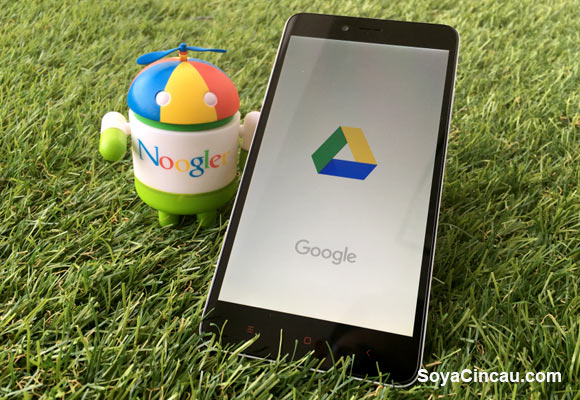
160210-google-free-2GB-securitycheckThat’s right, Google wants to get rid of traditional password protection completely on Android. How you ask? with something called Trust API.

Simply having a strong password isn’t even enough these days, when all an unwanted visitor needs is the key (in this case, the numbers and symbols that make up your password) to get access to all your information. Trust API hopes to eliminate that by only allowing your phone to function at its fullest only if it recognises you as the owner.

How Trust API works is that it uses a variety of metrics to calculate a “Trust Score” from information collected from the phone. After all, a phone is full of different sensors, and Trust API intends to use them.

The collected information will include things like proximity to familiar WiFi hotspots, Bluetooth devices, facial recognition, location, typing speed and even vocal patterns. Low risk apps like games and basic tools wouldn’t need a high trust score, but banking apps would need a pretty high trust score allow you access.

So in practice, if your phone “recognises you” only then will you be able to use it in its entirety. Which means you probably won’t be able to lend your device to a friend

Google hopes that Trust API will be rolled out by the end of 2016, and passwords might become a thing of the past.

But the question is, how effective do you think this would be if compared to say, fingerprint recognition? let us know in the comments.

[SOURCE][VIA]

Tags: Androidandroid securitygoogleGoogle I/Ogoogle security
Cheryl Bates

Cheryl Bates

POPULAR

Google wants to nix password logins for Android Apps

May 24, 2016

TNG eWallet to disable auto-reload for debit cards from 13 May 2026

April 30, 2026
vivo V70 FE 200MP camera phone in Malaysia - Best value alternative for phones under RM2,000

High-Resolution Meets High-Endurance: A Closer Look at the vivo V70 FE

April 10, 2026

Zeekr 009 upgraded for 2026: 900V architecture, 912hp, swiveling seats and 10-80% charge in 10 minutes

April 26, 2026

EV charger hoggers beware: DBKL now issuing summonses in KL

April 29, 2026

Can you and your family enjoy a 100% electric drive without ever plugging in?

April 23, 2026

Copyright © 2025 · SoyaCincau.com
Mind Blow Sdn Bhd (1076827-P)

  • ADVERTISE
  • DISCLAIMER

Copyright © 2026 · SoyaCincau.com – Mind Blow Sdn Bhd (1076827-P)

  • ADVERTISE
  • DISCLAIMER