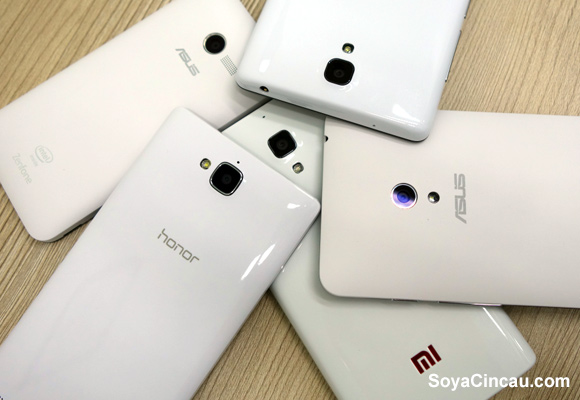
Malaysians purchased 4.8 million smartphones and 0.9 million tablets during the first half of 2015. Numbers which rose by 42% and 15%, in the two aforementioned categories, compared to the same half of 2014. Predominately, sales were geared towards makers from China and Taiwan for smartphones and the tablet space still leans towards global vendors.
These numbers tell a different story, if you’ve been keeping tabs on the recent downward spiral of the Ringgit’s trading value, GST implementation and other of the country’s uncertainties. Seems like the rise in figures are tied to most mobile tech manufacturers adapting a wider ranger of devices that also cater to those looking for a more affordable option. Smartphones hovering around RM 500, pre-bundled with SIM plans and larger tablet slates going for less than RM 300, seemed to make a difference.
Taking a look at who received the biggest slice of the pie, numbers by Apple and its Korean competitor Samsung fell opposed to past performances. When looking at the other makers from China and Taiwan, they’ve managed to scrap on by through maintaining their competitive stance on pricing and targeting the local market based on their needs.
Nonetheless, Samsung still sits pretty at the top, with a huge majority of 40% – sales coming from their mid-rangers and lower-end models, the Galaxy J series and Galaxy V smartphone. Surprisingly, Samsung’s top of the line Galaxy S6 and S6 edge didn’t stir up a lot of figures.
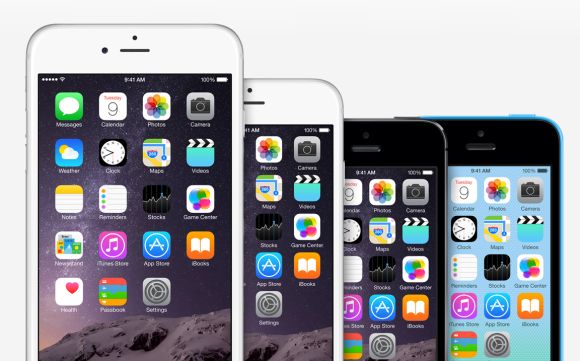
Other major players in the same league were, Asus (20%), Apple (15%), Lenovo (13%) and Huawei (12%). Asus had the ZenFone 5 and the Zenfone 2 to thank, keeping it as number two in an already competitive market segment. More premium in the eyes of the world, Apple held steadily in third position, while the last two let their more budget friendly options do the work: the A319 and A7000 for Lenovo and Huawei’s Honor series leading the way.
Tablets, while still performed positively, didn’t have the same rapid adoptive rates, unlike smartphones. Fingers could be pointed that due to the devices costing more, buyers might reconsider purchasing as the larger screened devices don’t always boast a better spec sheet. In similar fashion, Samsung has the largest piece with 30% – sales mostly coming from the Galaxy Tab 3 Lite 7.0.
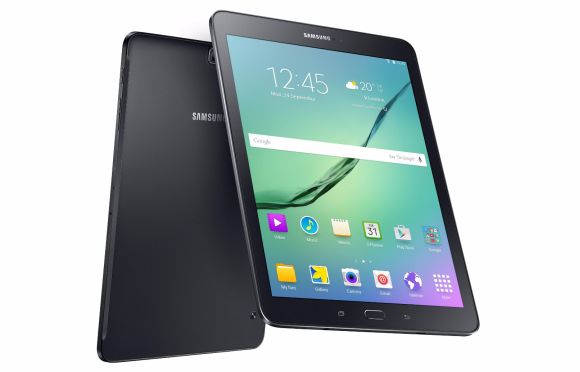
The rest of the pie is shared by Lenovo, Apple, Asus and Acer; Lenovo shares the number two spot with Apple (27% each). Asus had about 13% driven by its 7-inch Fonepad 7, while Acer’s telco team-up, managed to get the Iconia Tab A1-713 rolling as well.
Have you personally felt the pinch? Will you lengthen your product’s life and no longer upgrade as frequently as you previously did? Does it change how you’ll go about purchasing your mobile tech devices? Do let us know in the comments below.
All data represented in this article is based on a press release published by the International Data Corporation.