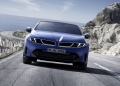
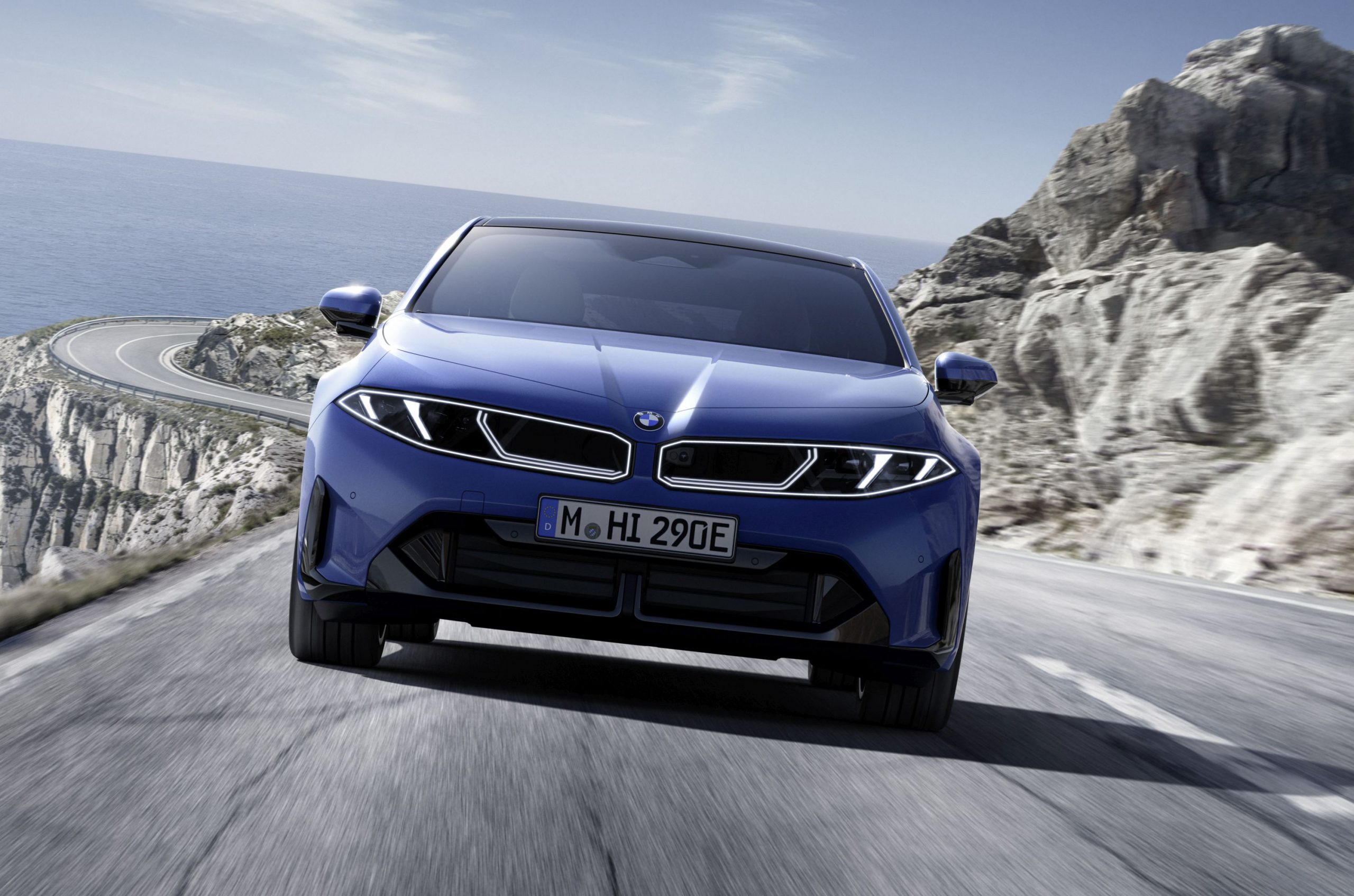
BMW has unveiled the new BMW i3 (NA0), its first fully electric 3 Series for the global market and the second EV under its Neue Klasse lineup. It carries over the latest technology and features from the all-new iX3 SUV into a more sporty sedan form factor.
Unlike the previous i3 hatchback, this is an all-new fully electric sedan that carries forward the DNA of the BMW 3 Series, now built on a dedicated EV platform. BMW previously introduced an electric i3 sedan (BMW i3 eDrive35L) exclusively for the Chinese market, but this all-new model is developed as a global offering.
BMW i3 50 xDrive: First Neue Klasse fully electric sedann
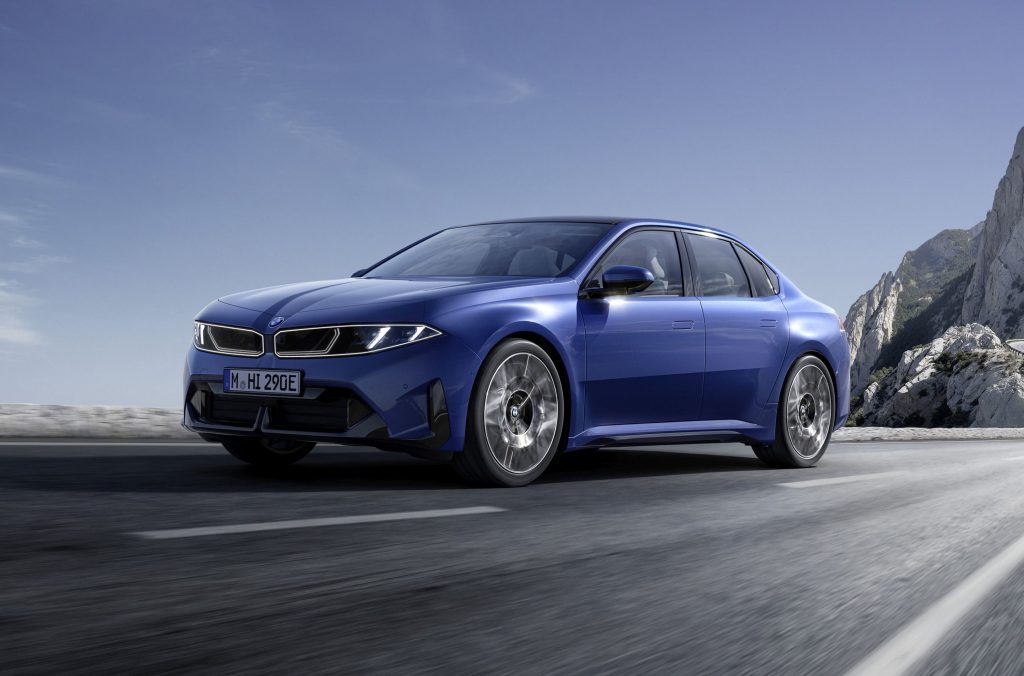
The new BMW i3 is introduced with a single i3 50 xDrive variant, featuring a similar dual-motor AWD setup as the BMW iX3 50 xDrive. It has a combined output of 345kW (463hp) and 645Nm of torque. BMW hasn’t revealed its 0-100km/h time, but we reckon it should be well under 5 seconds.
It runs on BMW’s Gen6 eDrive system with an 800V architecture, paired with new cylindrical cell batteries using a cell-to-pack design to improve energy density and efficiency. Similar to the iX3 SUV, the sporty sedan will be equipped with a 108.7kWh NMC battery pack.
With the more aerodynamic shape of a sedan, it boasts up to 900km of WLTP-rated range on a single charge. On paper, that should be enough to get you from Johor to Perlis on a single charge with very efficient driving. This long range is made possible with efficiency optimisation which also includes flush-mounted door handles which pops out automatically and a completely closed and smooth underbody.
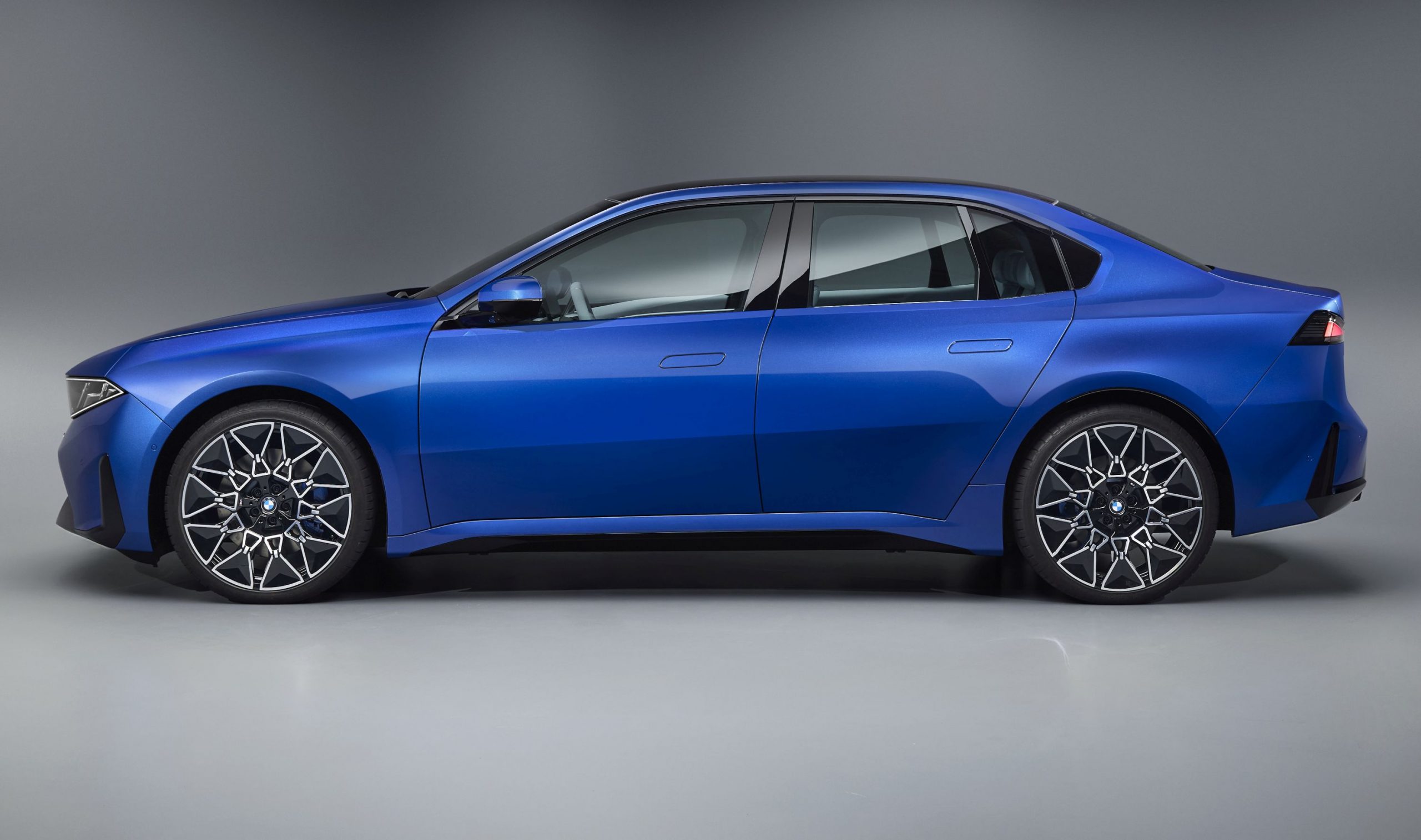
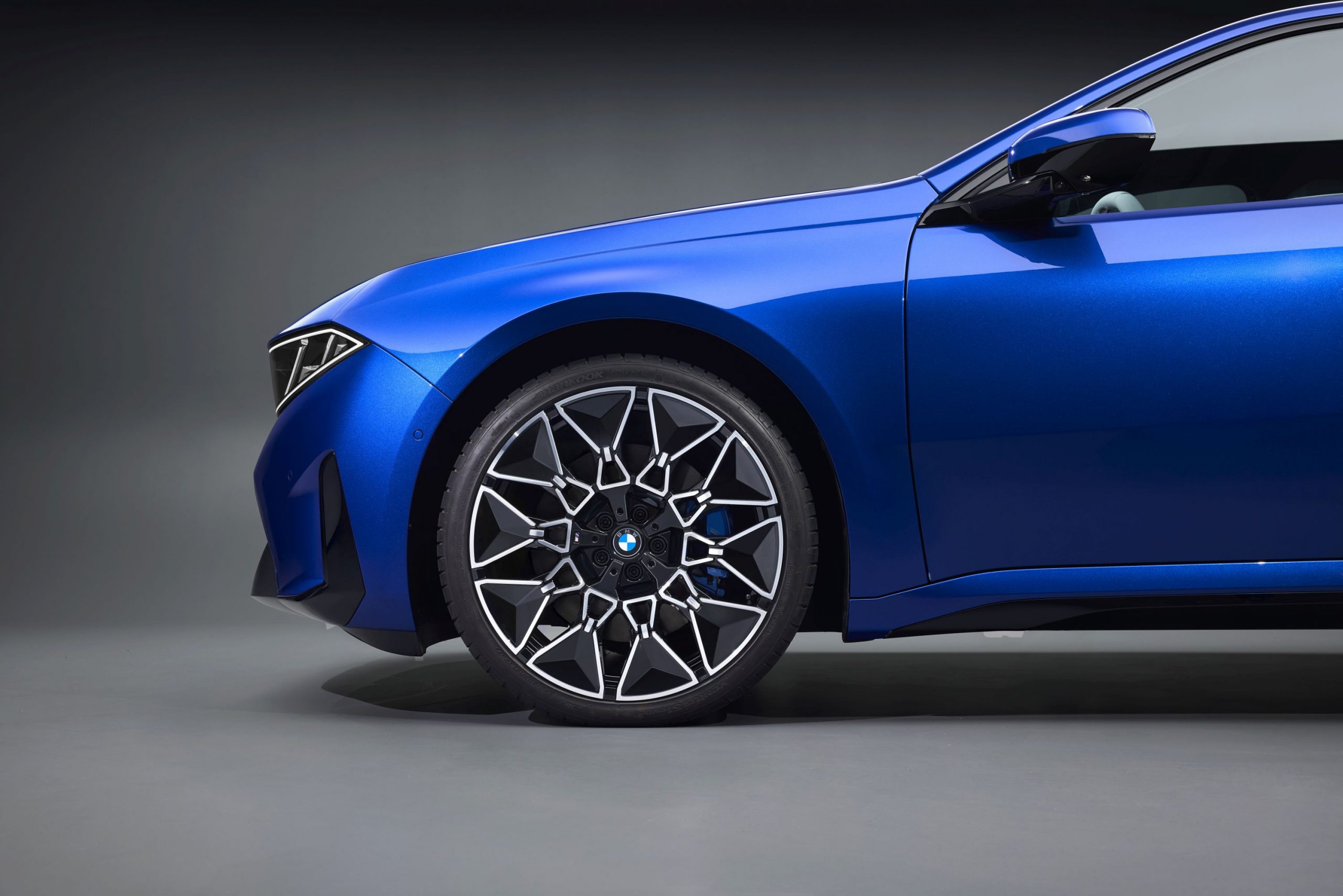
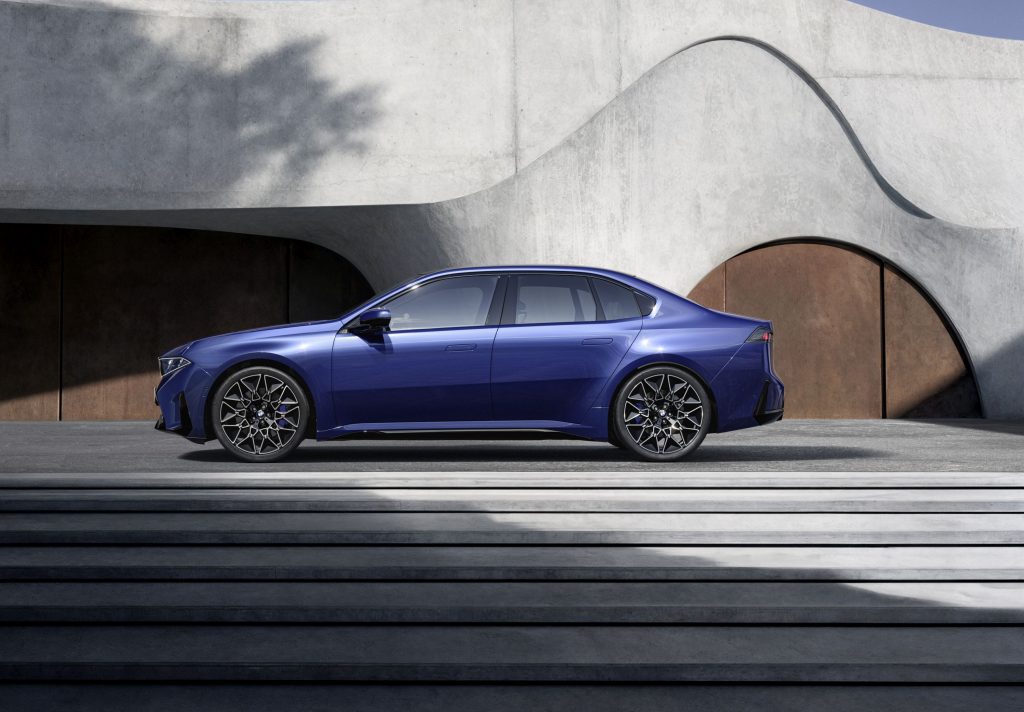
The vehicle which is shown here rides on 21″ M 1067 M Aerodynamic wheels and we reckon that the advertised range figures would be based on smaller wheel options.
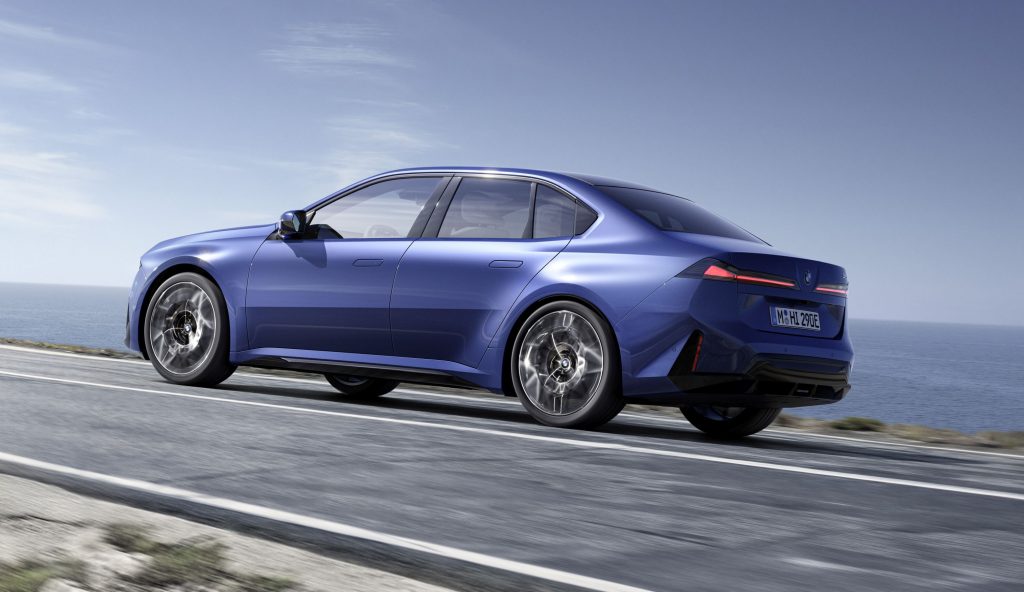
As expected from the latest Neue Klasse, the BMW i3 supports DC fast charging up to 400kW. This enables the fully electric sedan to get up to 400km of range with a quick 10 minute charge. 10-80% charge would take an approximately 21 minutes.
Similar to the iX3, the new EV also supports bi-directional charging which includes Vehicle-to-Load (V2L), Vehicle-to-Home (V2H) and Vehicle-to-Grid (V2G). For AC, the i3 is offered with 3-phase 11kW and there’s also the option for 3-phase 22kW charging.
At the core of the driving experience is BMW’s new “Heart of Joy” control unit, which integrates drivetrain, braking, steering and energy recuperation into a single system. BMW says it processes information up to 10 times faster than previous systems, enabling more precise handling, smoother braking and a more natural interaction between driver and vehicle.
Reimagined 3 Series for the EV era
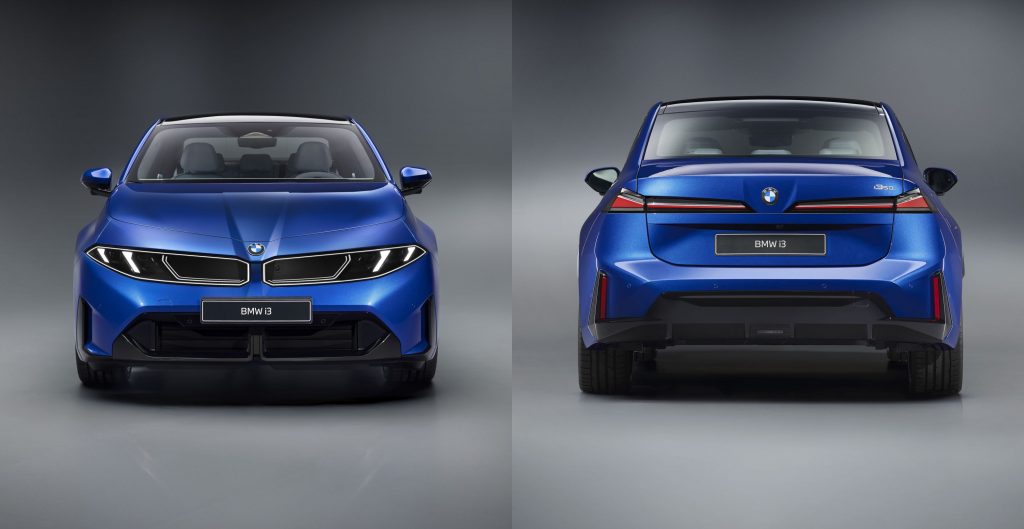
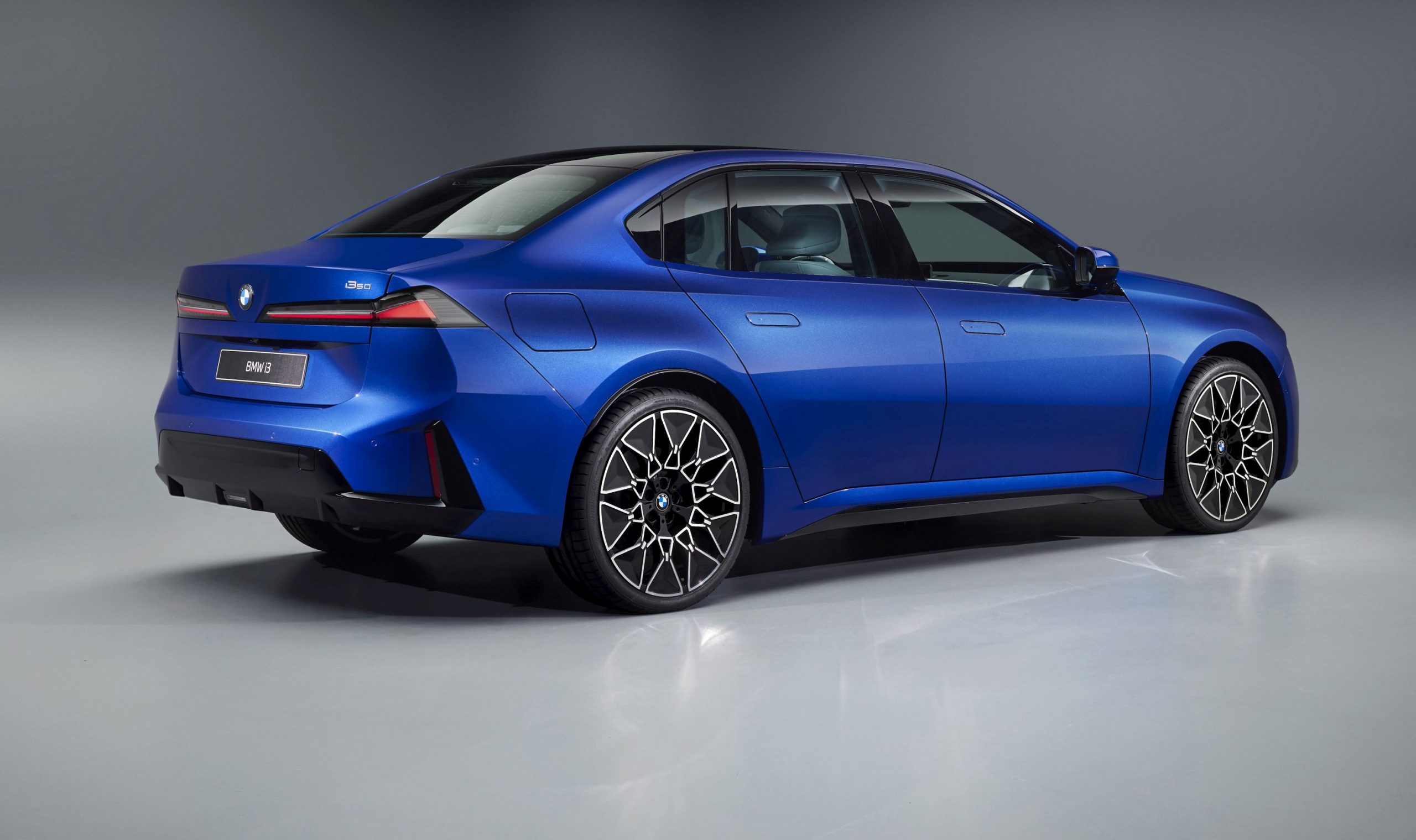
In terms of exterior design, BMW says the i3 remains immediately recognisable as a 3 Series despite the shift to a dedicated EV platform. It adopts a new 2.5-box sedan proportion with a long wheelbase, short overhangs and a sporty stance.
The new BMW i3 measures 4,760mm long, 1,865mm wide and 1,480mm tall. It maintains the same wheelbase of 2,897mm as the iX3.
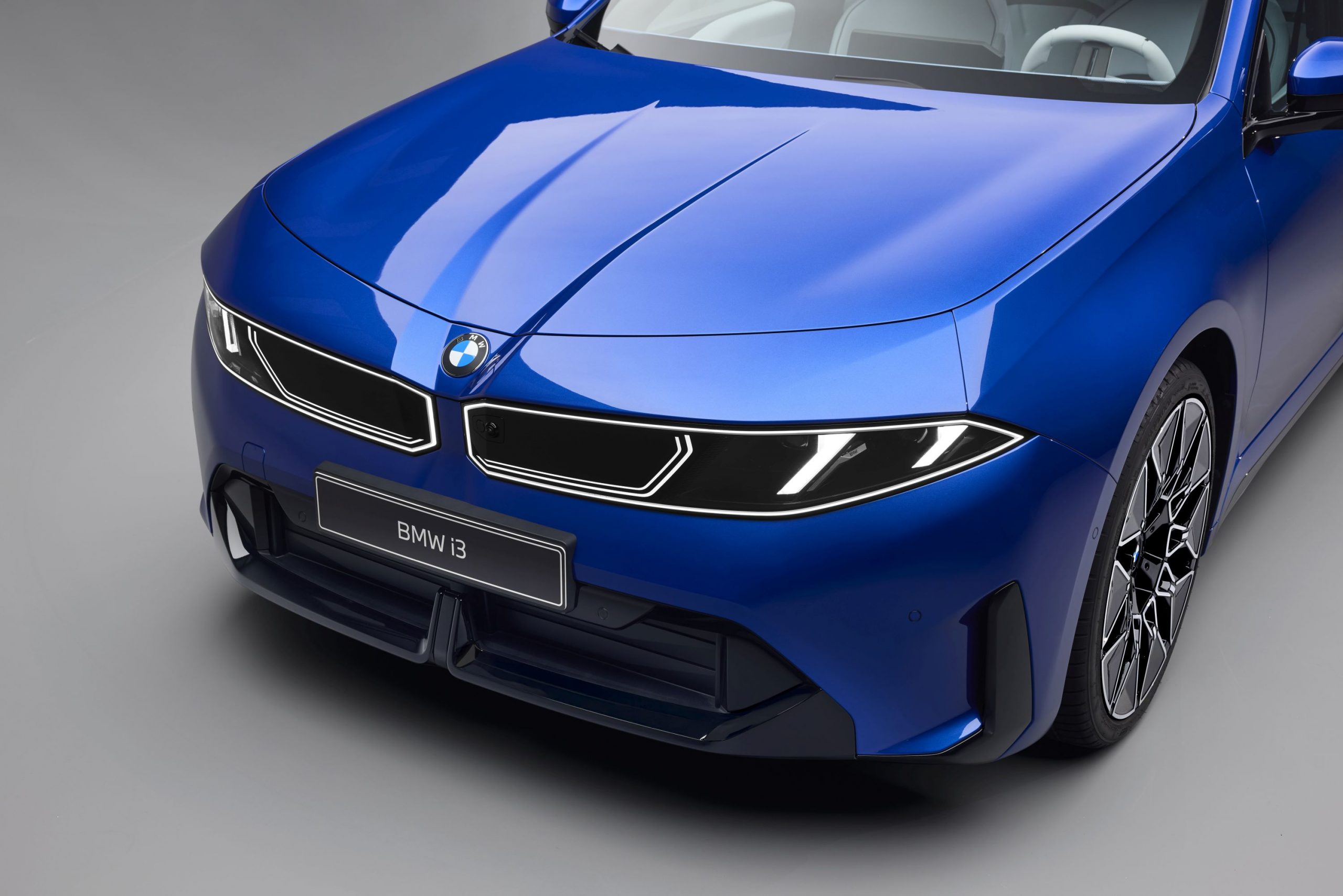
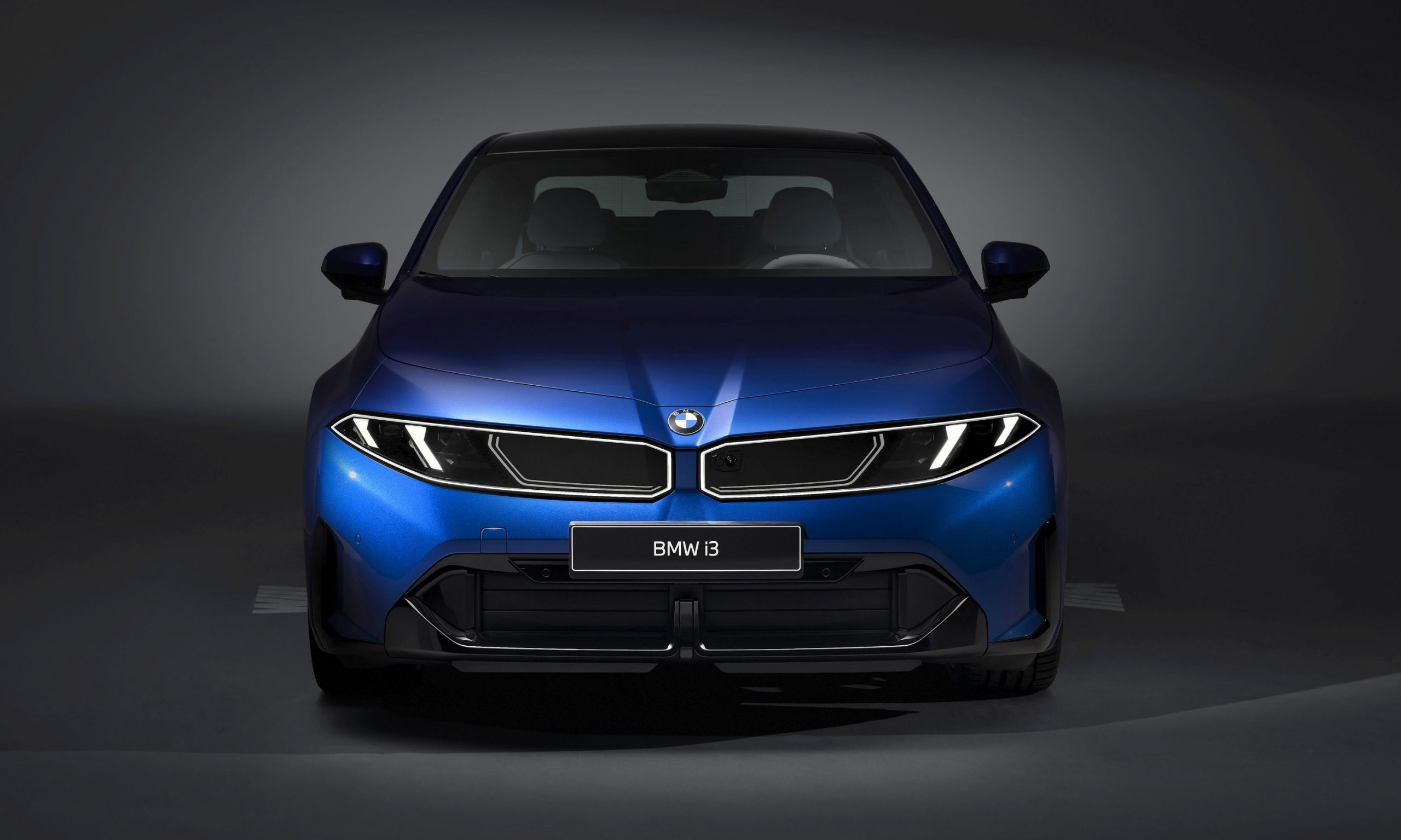
Up front, BMW introduces a reimagined four-eyed face, where the signature radiator grille and twin headlights are merged into a new light signature.
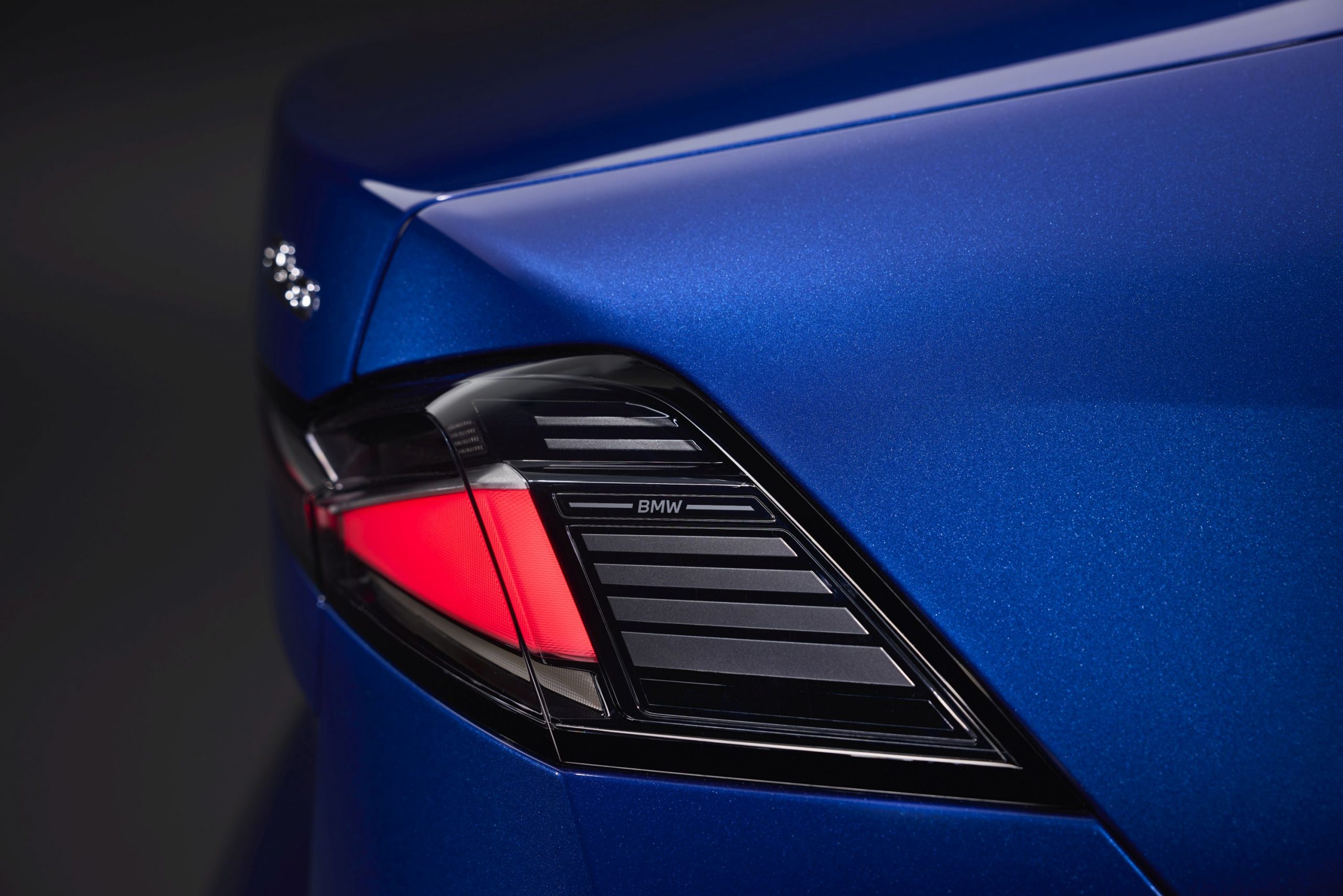
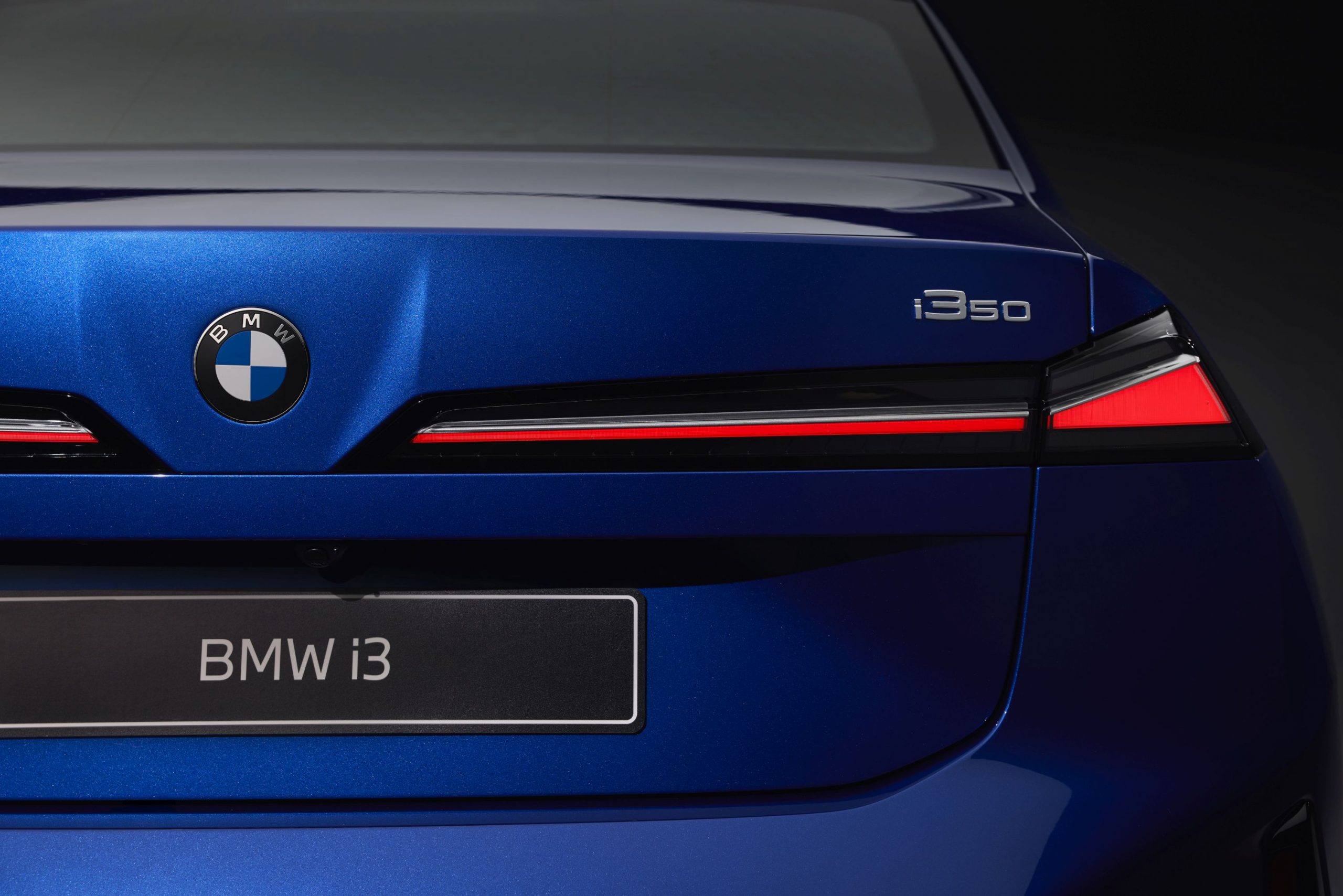
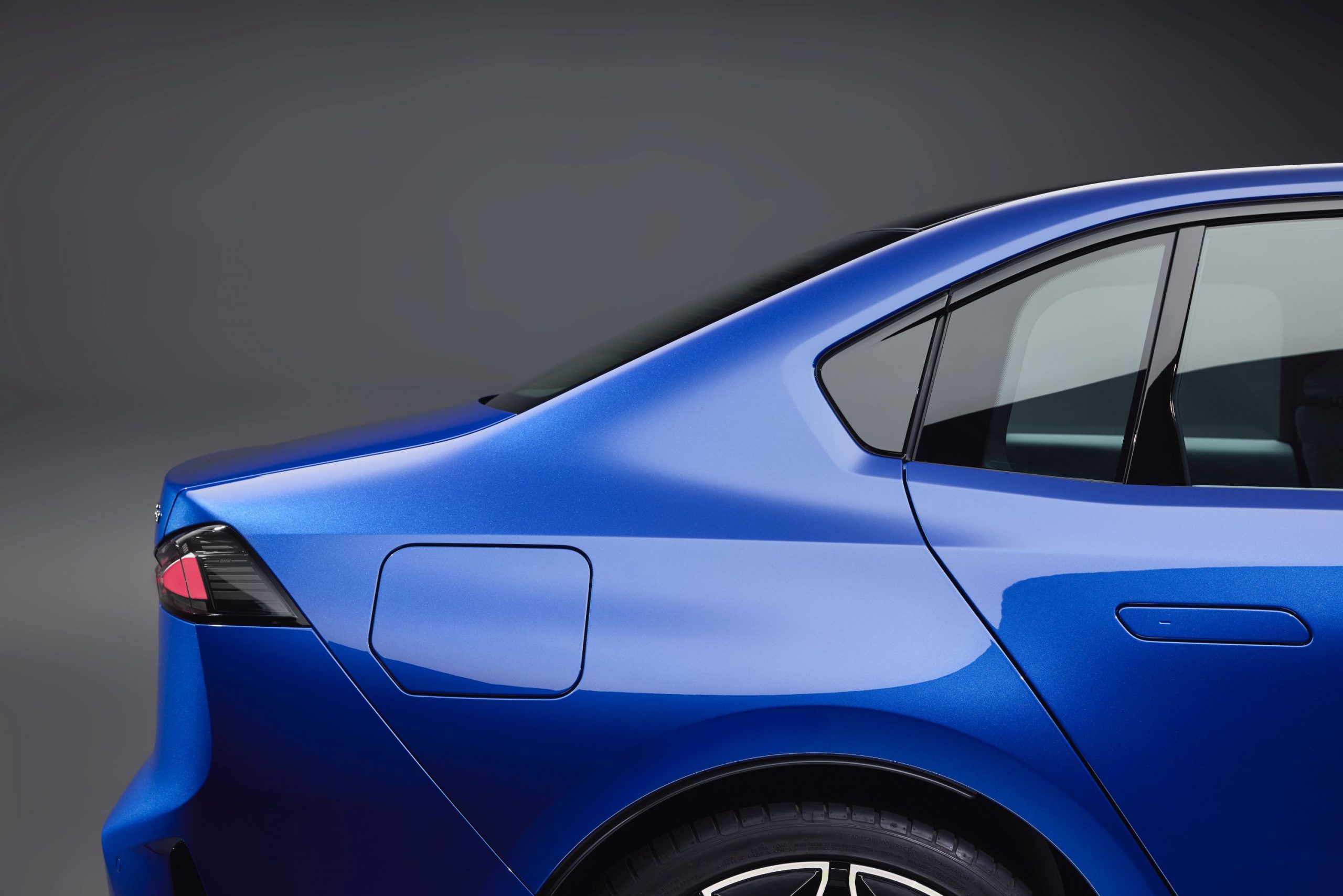
At the rear, the BMW i3 adopts a clean and minimalist look with slim, horizontal rear light elements that emphasise the car’s width. The lighting signature is more simplified compared to current models, giving it a sharper and more modern appearance. The rear design also appears more flush and uncluttered, in line with BMW’s Neue Klasse approach of reducing visual complexity while improving aerodynamic efficiency.
Minimalist cabin with Panoramic iDrive
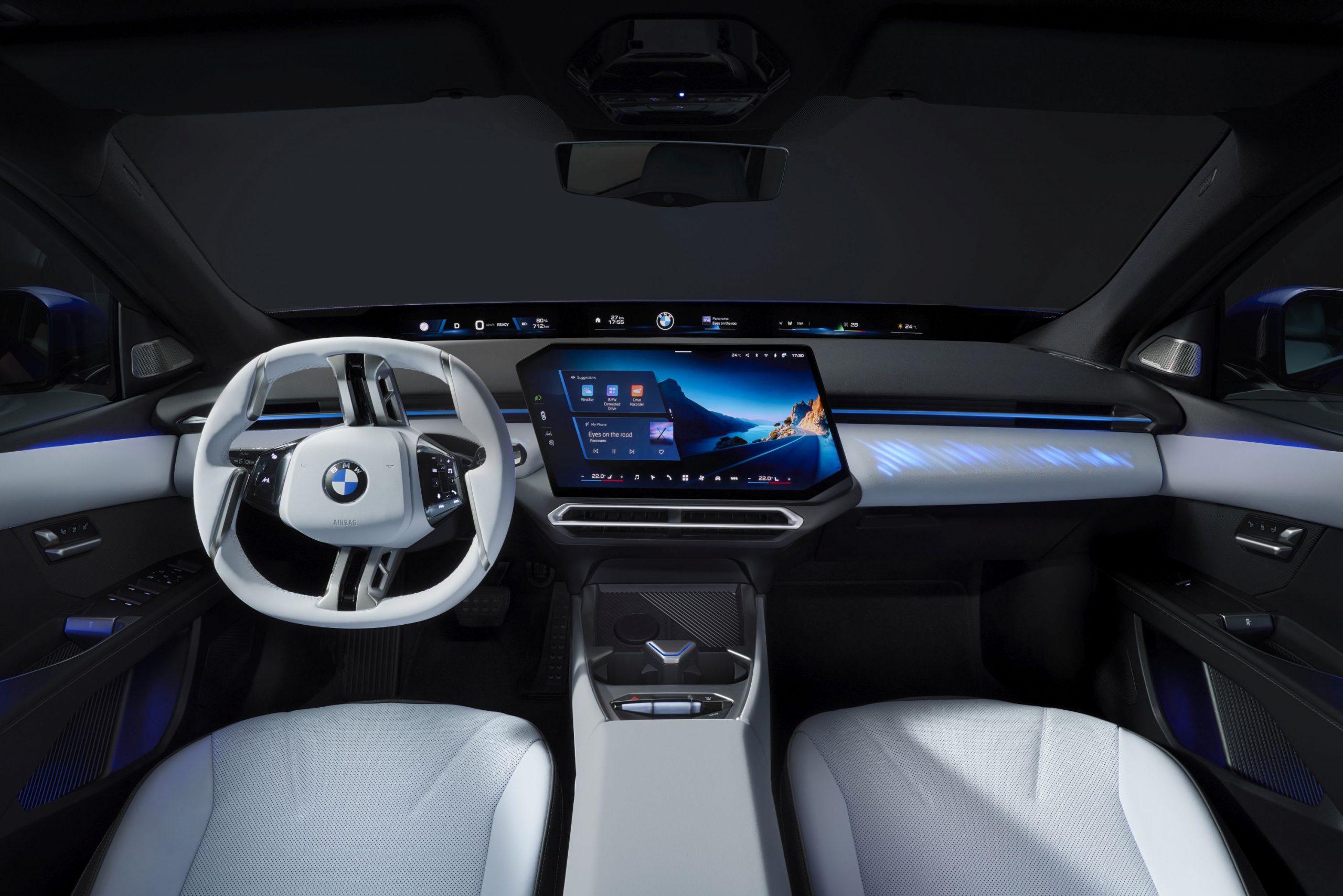
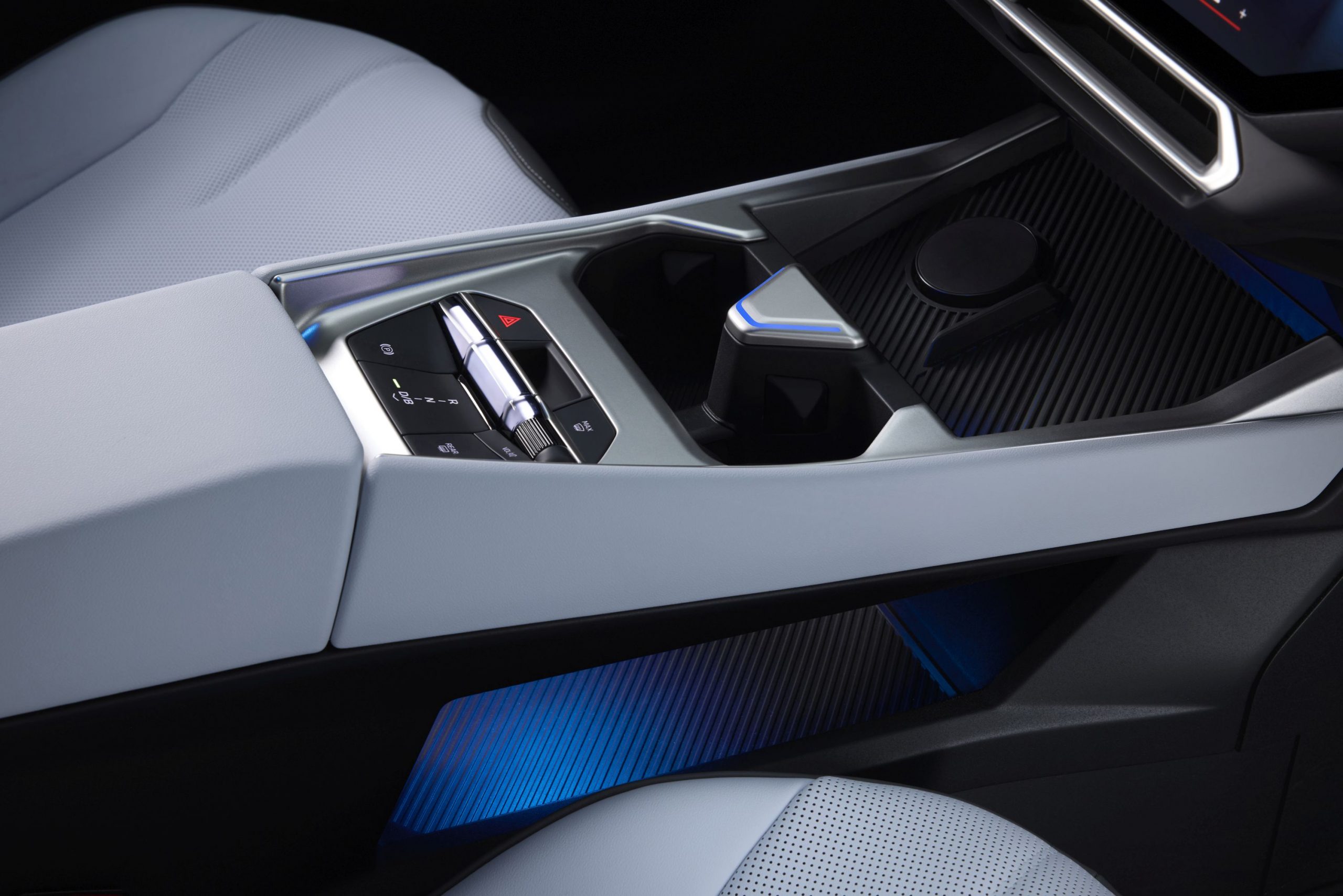
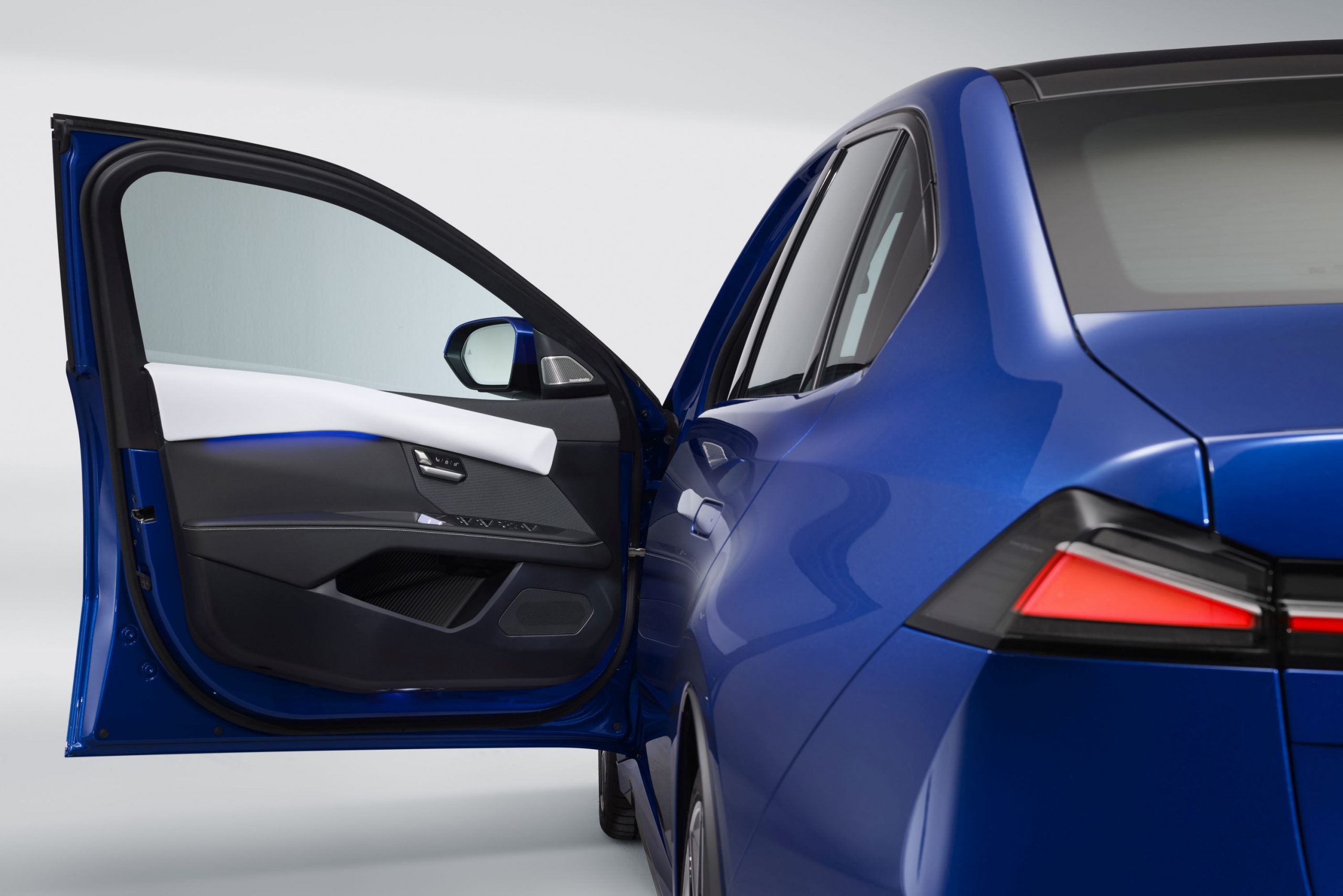
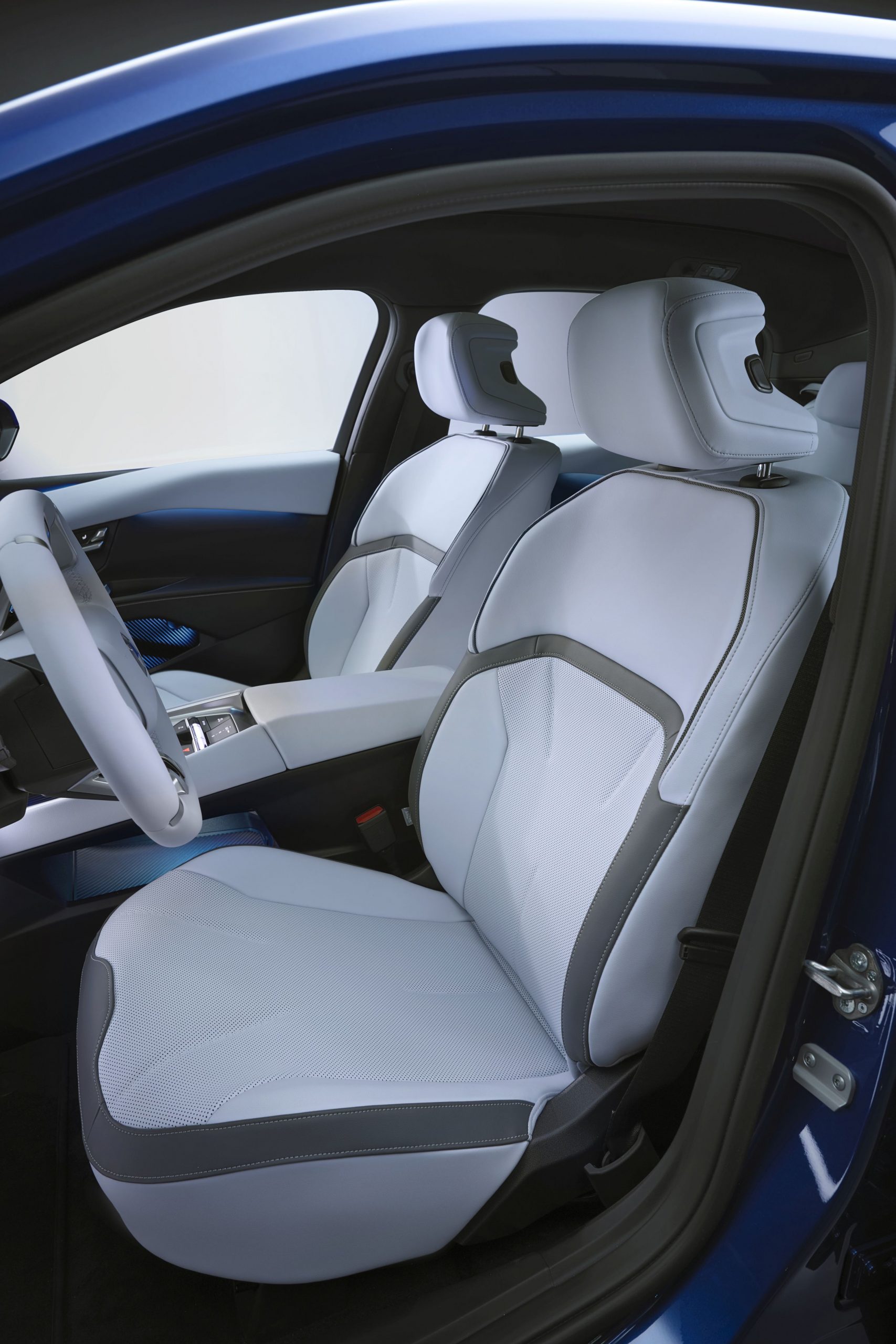
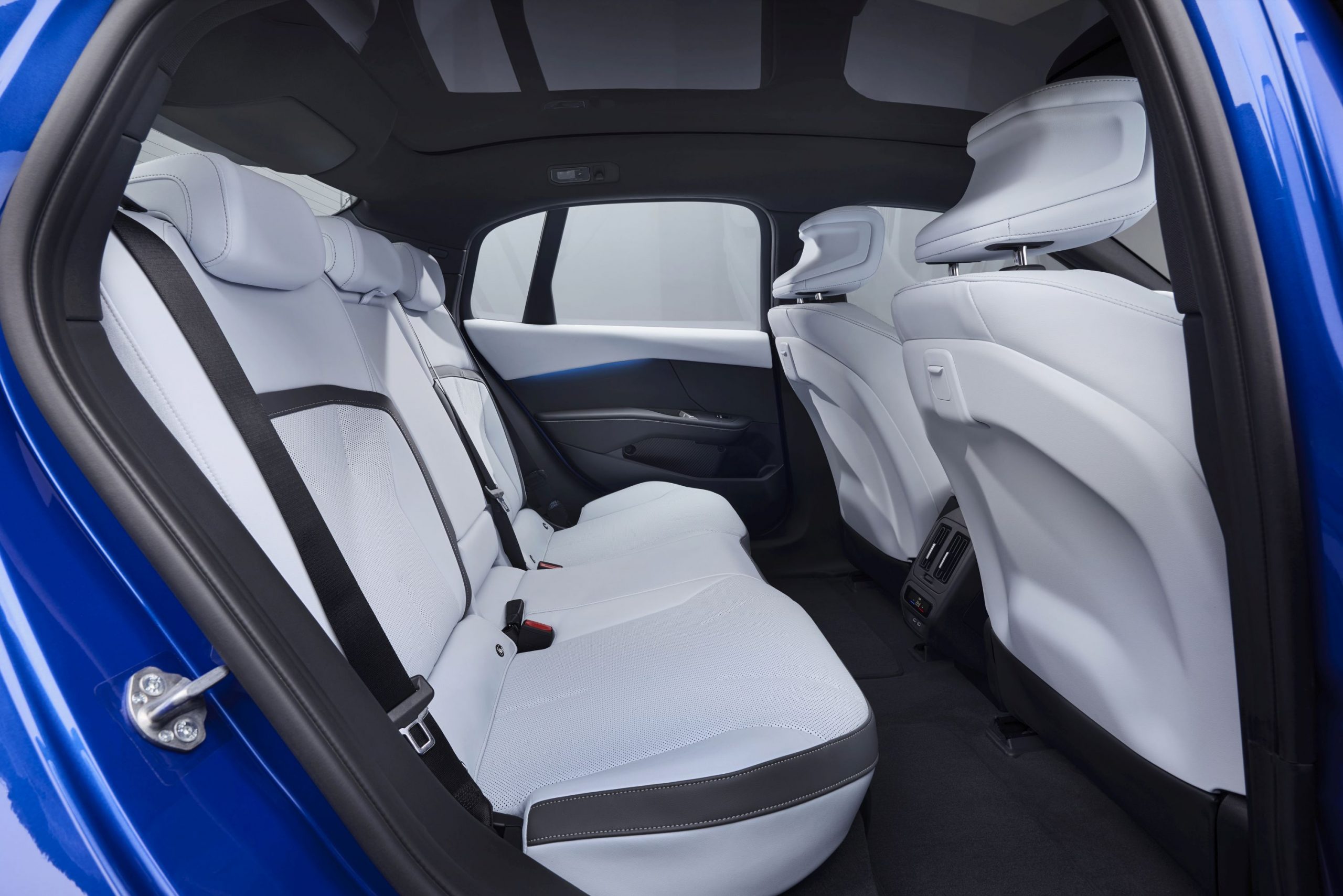
Inside, the BMW i3 features the new Panoramic iDrive system, centred around BMW Panoramic Vision that projects key information across the lower section of the windscreen.
Similar to the iX3, there is no longer a conventional instrument cluster. Instead, it is replaced by a panoramic display that stretches edge-to-edge below the windscreen, allowing key driving information to remain within the driver’s natural line of sight.
This is complemented by a central infotainment display that is angled towards the driver, along with an optional 3D head-up display (HUD). The overall layout is designed to reduce reliance on physical controls while keeping the driver focused on the road. As seen on the iX3, there are no physical air-con vent controls and you’ll need to use the touch screen to make the required adjustments.
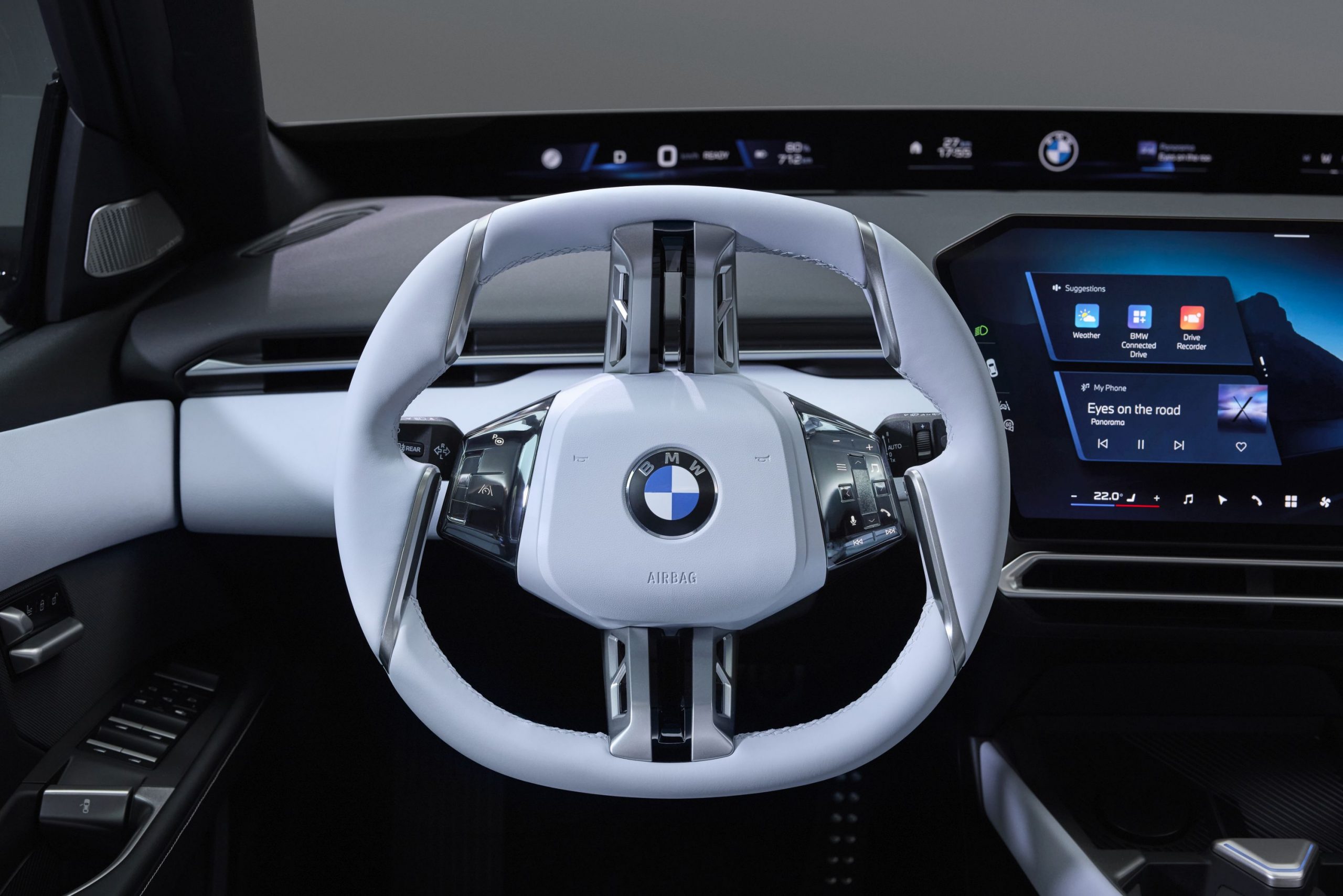
The steering wheel also carries over the same design from the iX3, including BMW’s new steering layout with touch-sensitive controls and an optional vertical-spoke design that has drawn some mixed reactions. You still get physical stalks for the signal indicators and a stubby control for the gear selector.
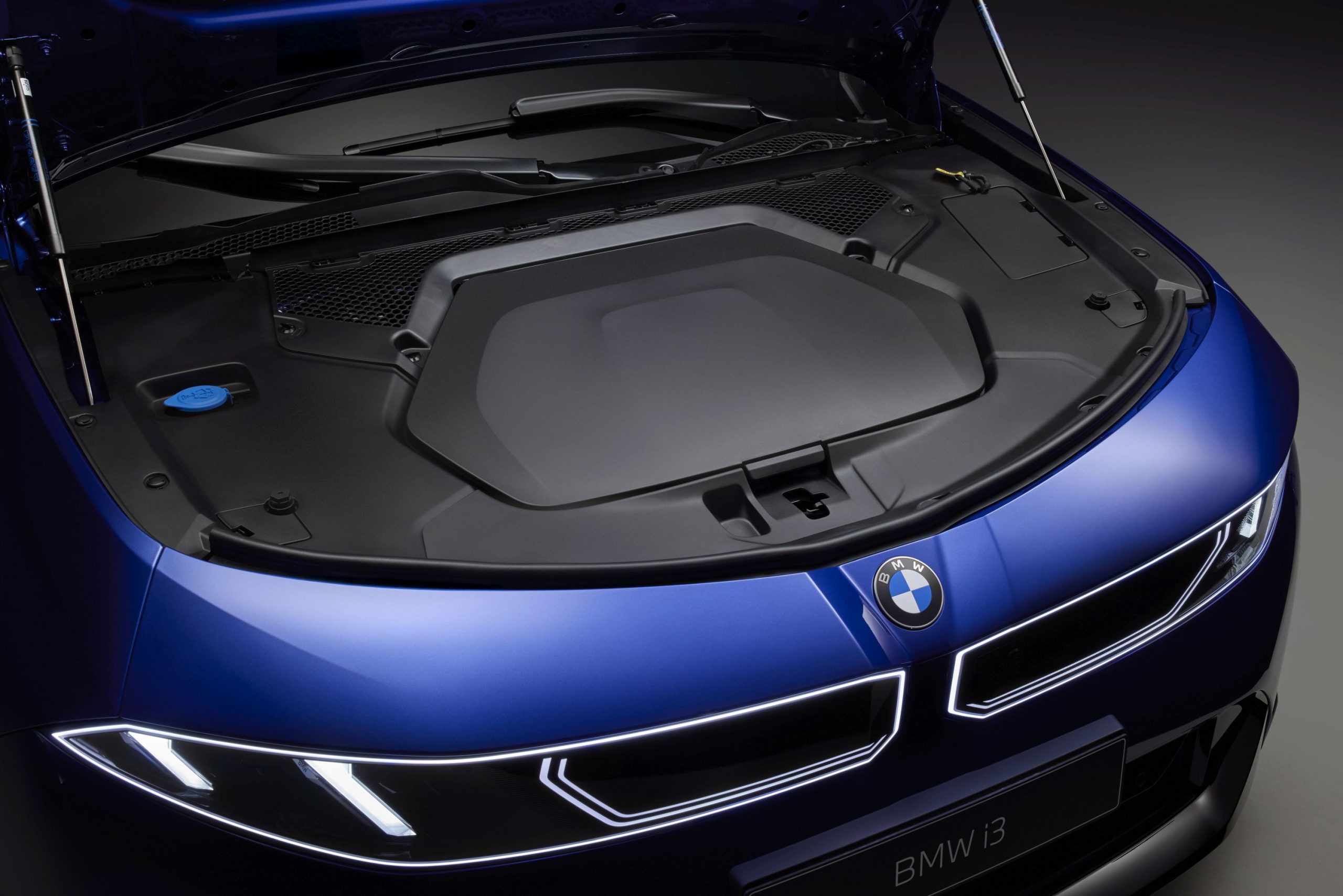
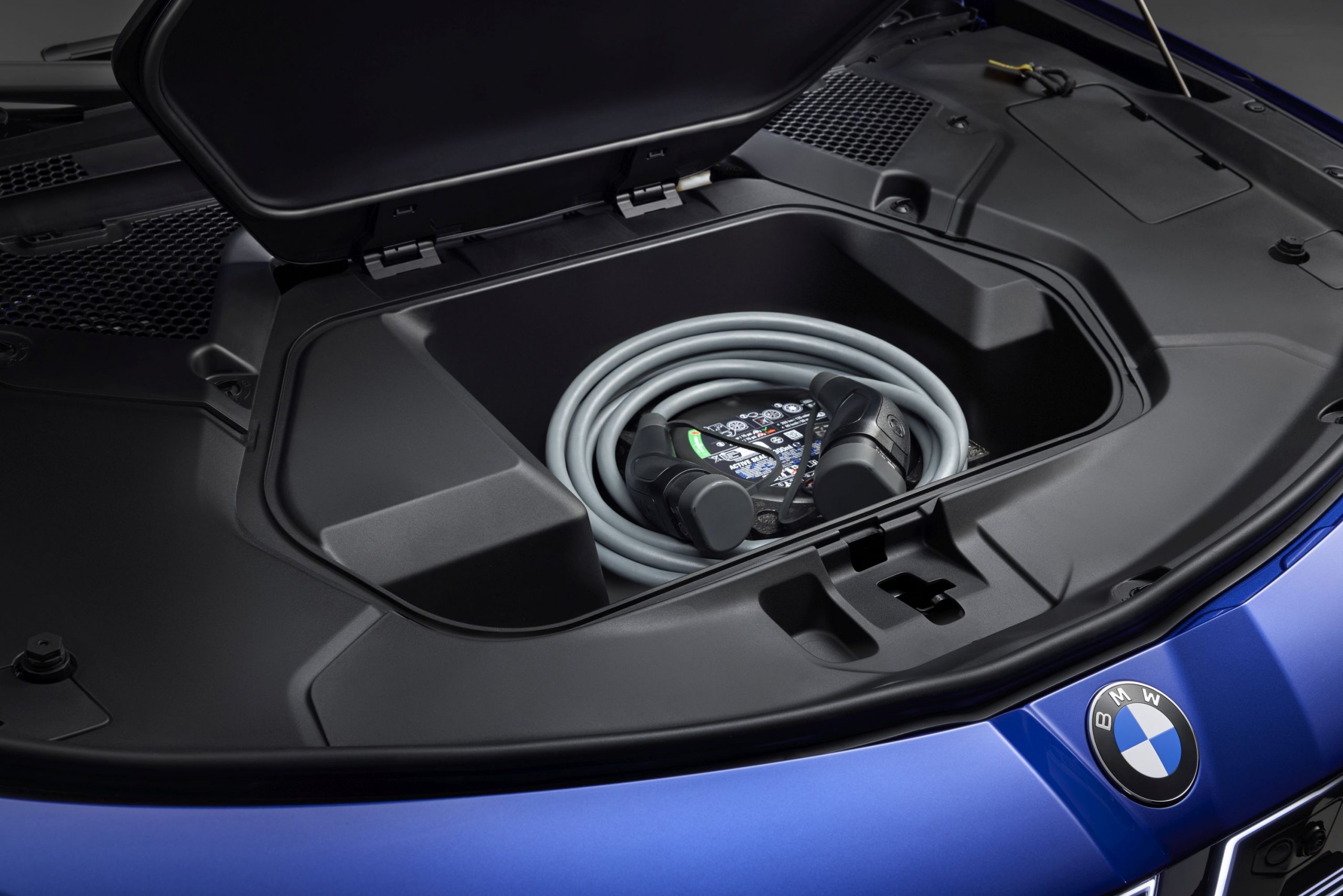
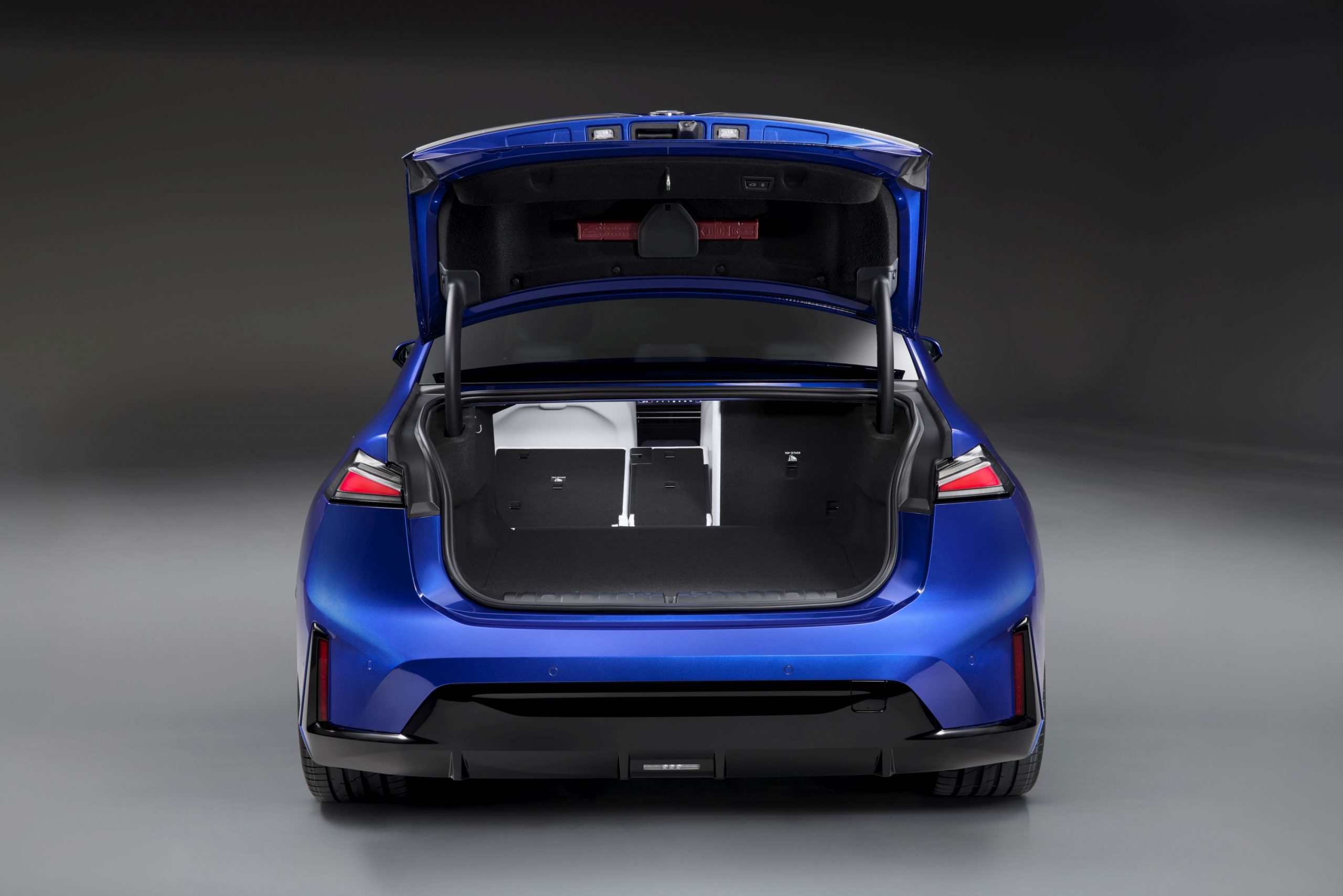
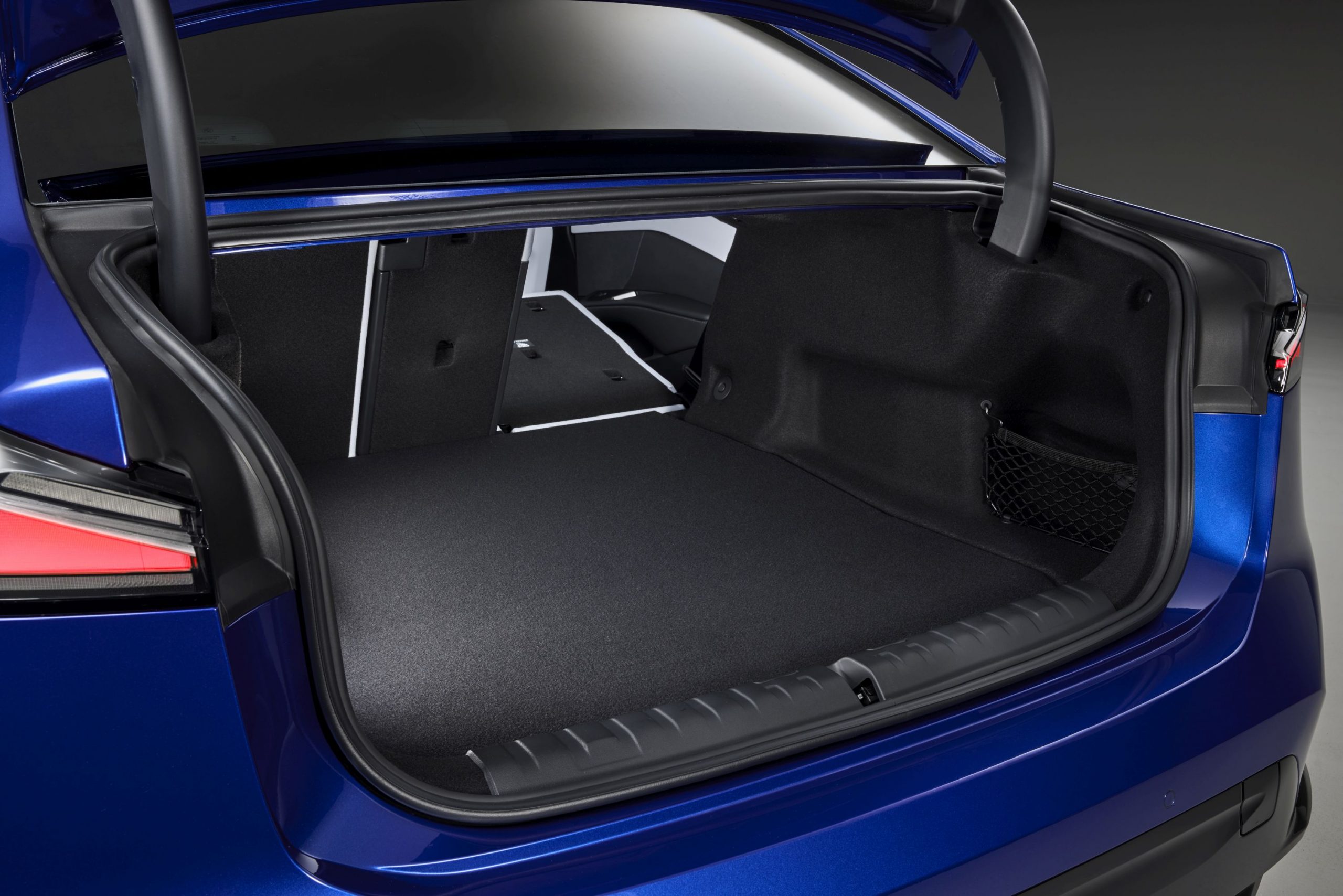
For storage, BMW i3 features a conventional boot and the option to expand further by folding down the 40:20:40 split rear seats.
There’s an additional 31L frunk capacity under the bonnet, which functions as a storage compartment to store your charging cables and tyre repair kit.
BMW i3 deliveries expected in Autumn 2026
The BMW i3 will be produced at BMW’s Munich plant, with production scheduled to begin in August 2026. First deliveries of the EV is expected from Autumn 2026 (around September-November 2026).
Besides the fully-electric i3, BMW will still introduce petrol-powered 3 series as part of its technology openness strategy. BMW has also confirmed that a new 3 series Touring will be released later as well.
Pricing and availability of the BMW i3 for Malaysia have not been announced yet. As confirmed recently, the BMW iX3 Long Wheelbase (LWB) version is coming to Malaysia in the second half of 2026 after its global debut at Beijing Auto Show 2026.