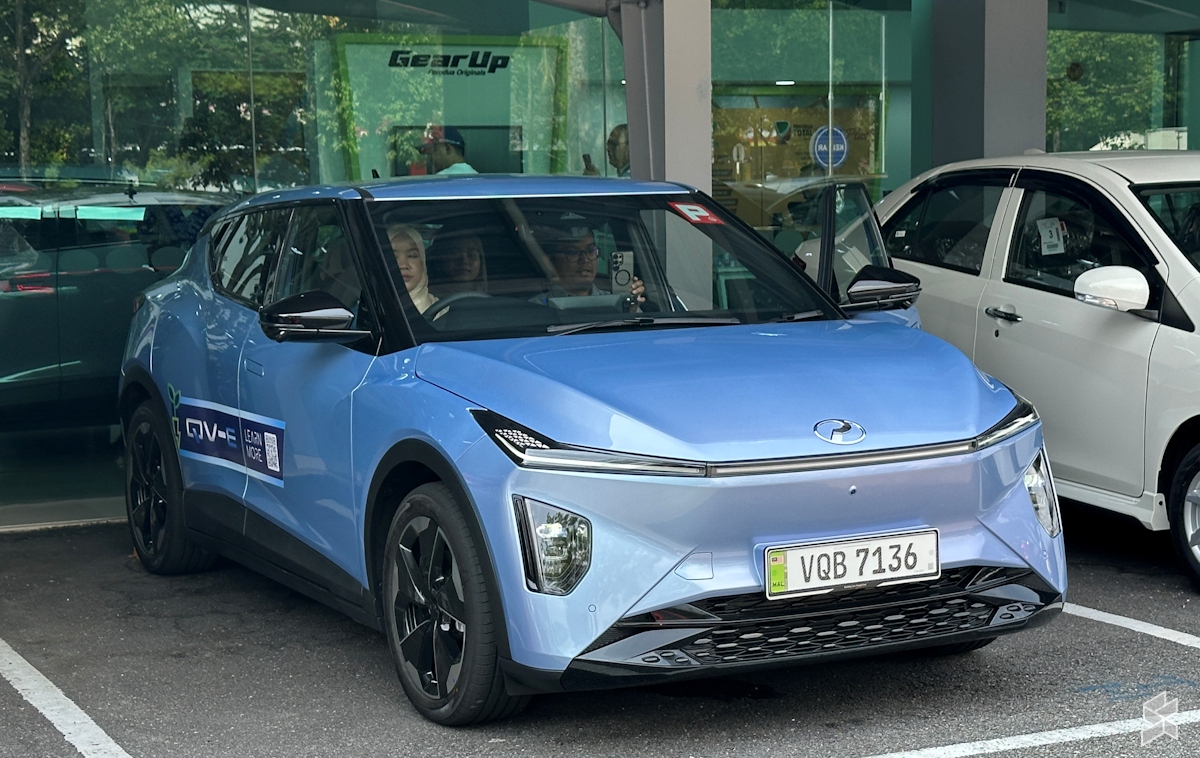
Malaysia’s EV landscape is shifting rapidly, but not every newcomer is hitting the ground running. In the latest episode of Let’s Talk About, Amin and Alex dive deep into the lukewarm reception of Perodua’s first foray into the electric vehicle market: the Perodua QV-E.
Despite the hype surrounding the national carmaker’s transition to electrification, the numbers tell a different story.
With only 38 registrations recorded by the end of 2025, questions are being raised: Is the Perodua QV-E a flop, or is the Battery-as-a-Service (BaaS) model an unnecessary hurdle?”
The Perodua QV-E Dilemma
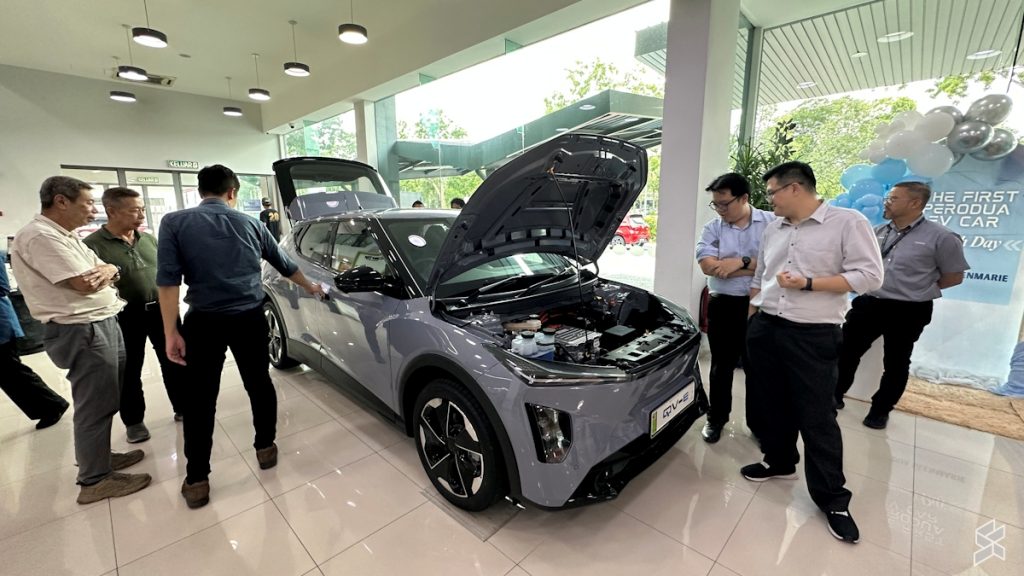
The QV-E concept was meant to be the “EV for the masses,” but its market entry has been met with skepticism. Amin and Alex discuss whether the positioning and pricing of the QV-E are out of sync with what Perodua buyers expect.
One of the biggest talking points is the Battery-as-a-Service (BaaS) model. Does the idea of “renting” your battery actually save money, or does it add a layer of complexity that scares off traditional buyers?
Malaysia’s EV charging infrastructure gaps
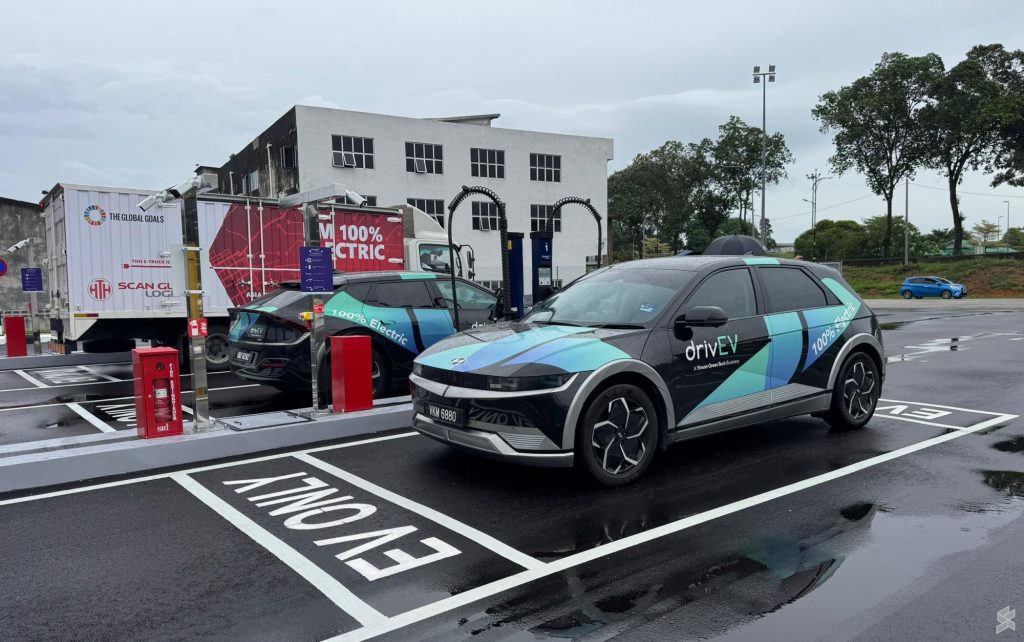
Beyond just the cars, the duo revisits the ongoing challenges of Malaysia’s charging infrastructure. While we see a surge in EV registrations from brands like Proton e.MAS, Tesla, BYD, and Zeekr, the pressure on public chargers is mounting. In January 2026 alone, Pro-Net has delivered a record-high 3,276 EVs in a single month.
The episode highlights the lack of strategic fast-charging mega hubs along highways and challenges faced by high-rise residents trying to secure home charging. Most importantly is the #noqueue experience still achievable in 2026?
The Rise of the Affordable PHEV
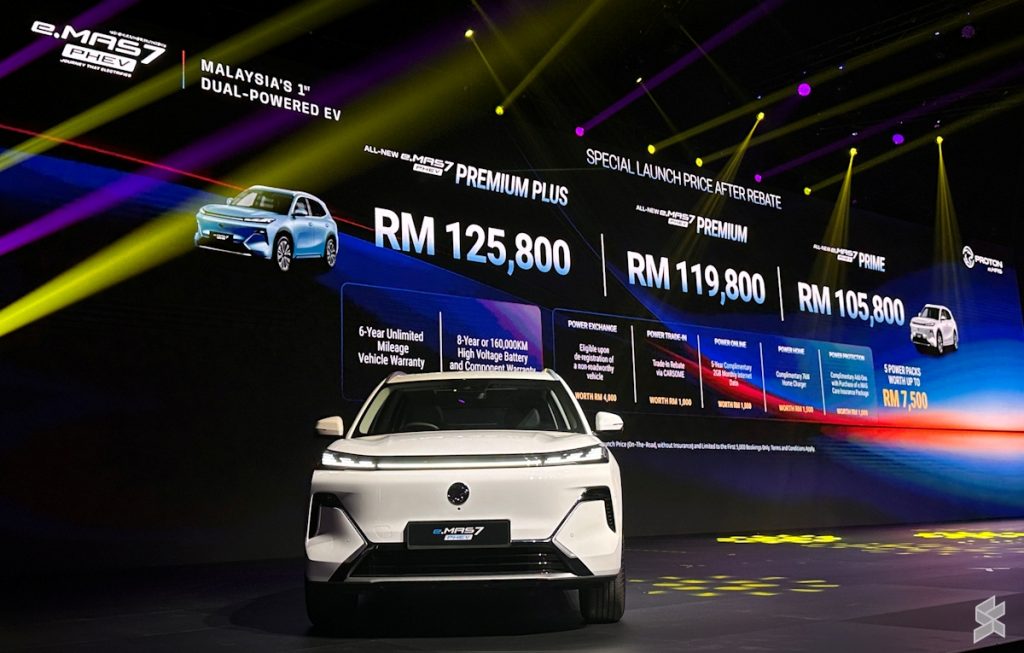
As pure Battery Electric Vehicles (BEVs) face infrastructure growing pains, is the Plug-in Hybrid (PHEV) the right solution? With the recent launch of models like the Proton e.MAS 7 PHEV, the conversation shifts to whether PHEVs are the ideal “safety net” before going full electric.
Watch our latest Episode of Let’s Talk About #136.