

Universiti Pertahanan Nasional Malaysia (UPNM) is expected to reduce its annual electricity expenditure by approximately RM1.3 million following the signing of a renewable energy supply agreement to implement a campus-wide solar energy system.
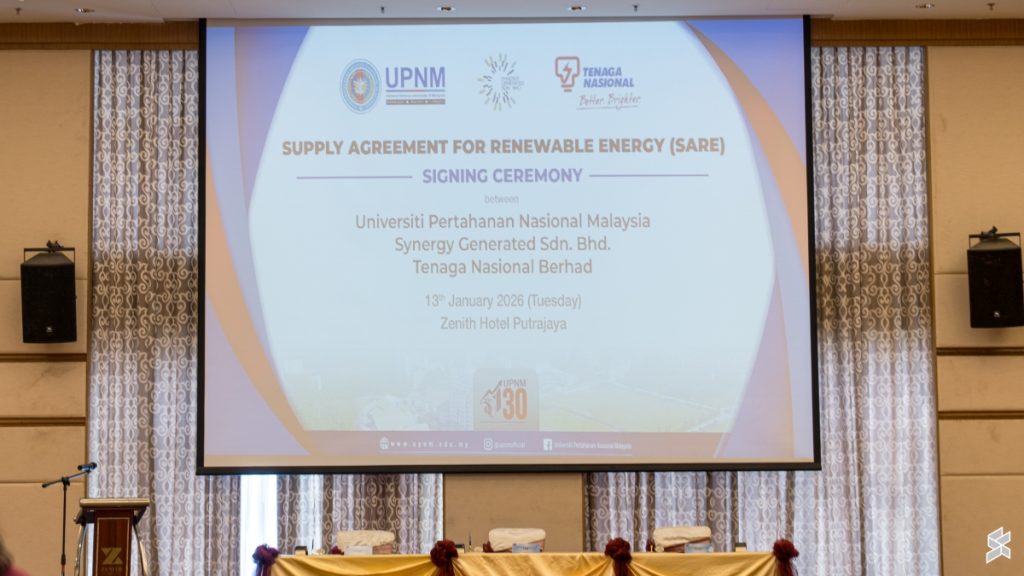
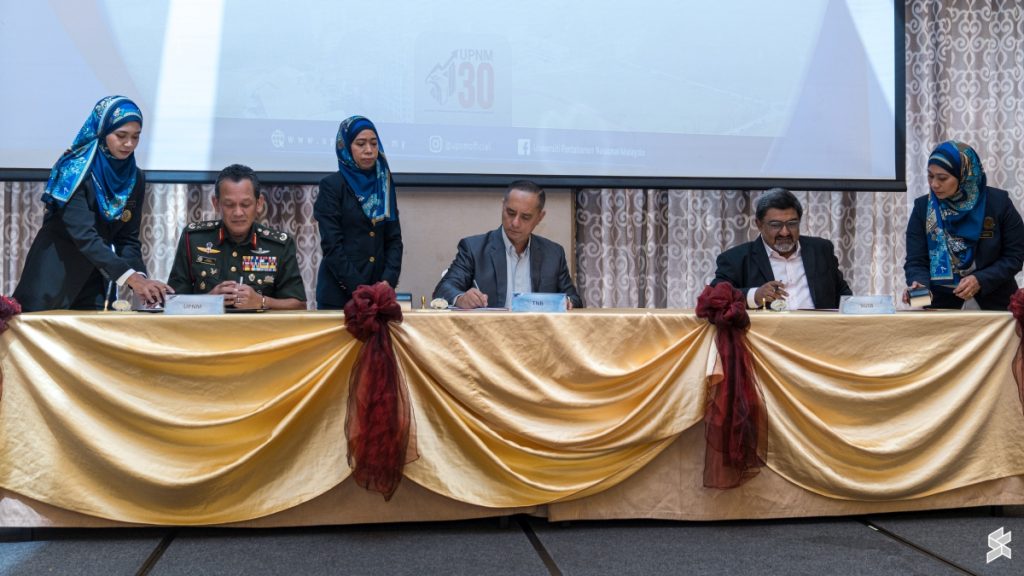
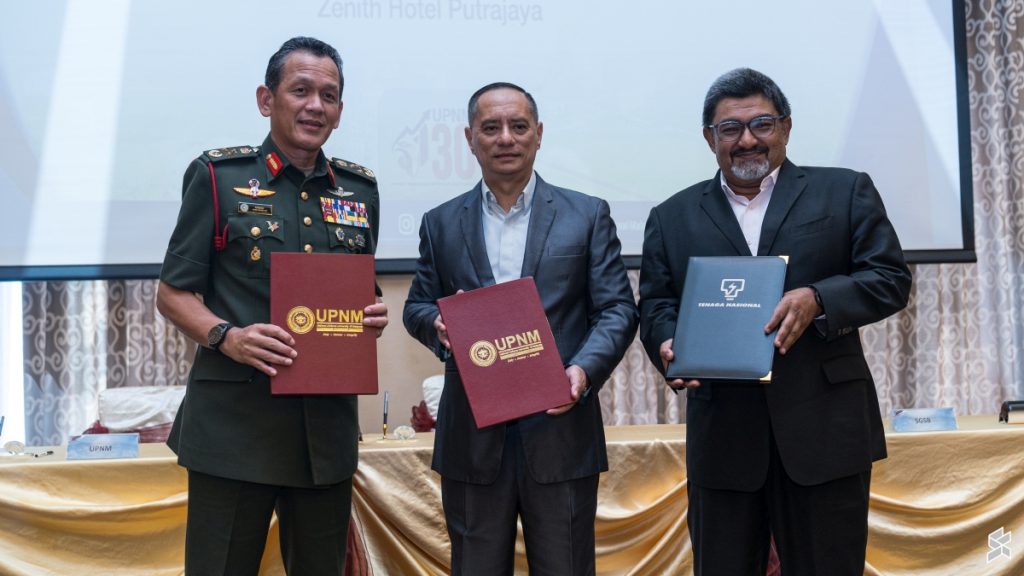
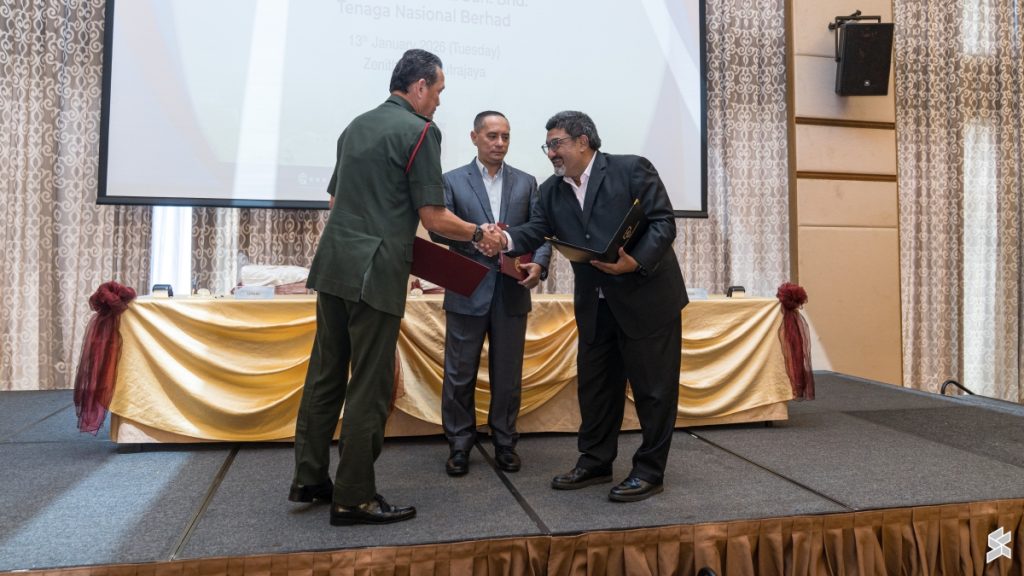
The initiative is part of the university’s efforts to improve long-term operational cost efficiency while supporting Malaysia’s renewable energy transition. The agreement was formalised at a signing ceremony held at Zenith Hotel, Putrajaya, involving UPNM and its strategic partners, Tenaga Nasional Berhad (TNB) and Synergy Generated Sdn Bhd.
Under the arrangement, UPNM will utilise solar energy supplied at a more competitive tariff compared to conventional grid electricity. The resulting cost savings are expected to provide greater financial flexibility, allowing the university to reallocate resources towards academic activities, research, and human capital development.
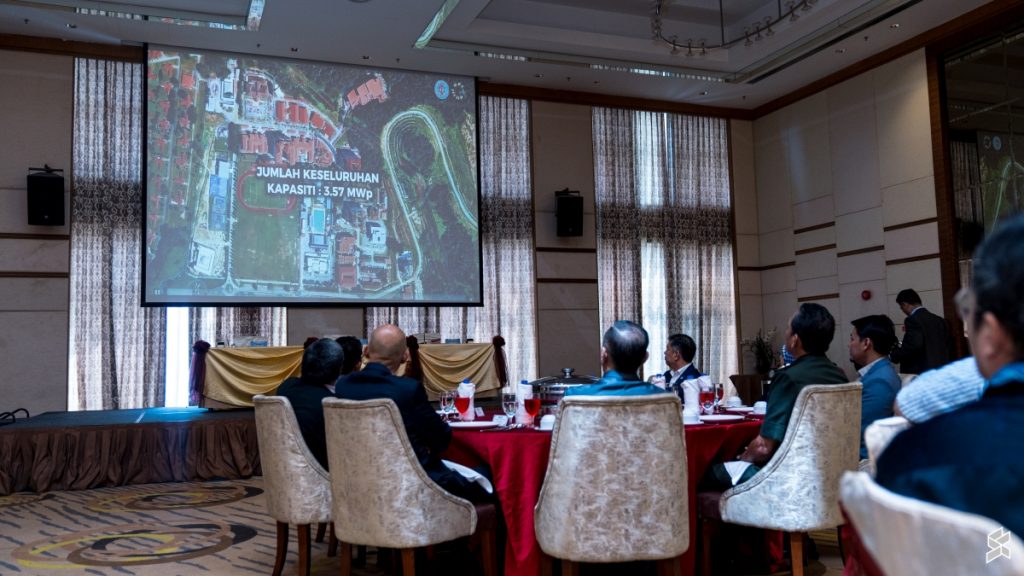
The project covers the full scope of implementation, including system design, supply, installation, testing, commissioning, and ongoing maintenance. Solar installations will be deployed at multiple locations across the campus, such as building rooftops, parking facilities, and pedestrian walkways. The agreement spans a 21-year period, offering long-term energy supply stability and predictable operating costs.
In addition to energy savings, the collaboration includes RM50,000 in annual research funding, industrial training placements for students, and opportunities for staff to gain technical exposure to renewable energy systems.

UPNM Vice-Chancellor Lt Jen Datuk Wira Arman Rumaizi bin Hj Ahmad said the initiative aligns with the university’s UPNM30 Strategic Plan (2025–2030), particularly in strengthening institutional resilience and reducing reliance on conventional energy sources, in line with national energy security priorities.

The partnership combines TNB’s role as Malaysia’s principal electricity utility provider with Synergy Generated’s experience in solar energy system development, integrating industry expertise with academic and sustainability objectives.
UPNM said the project reflects a broader approach adopted by public institutions to balance operational cost management with long-term sustainability goals.