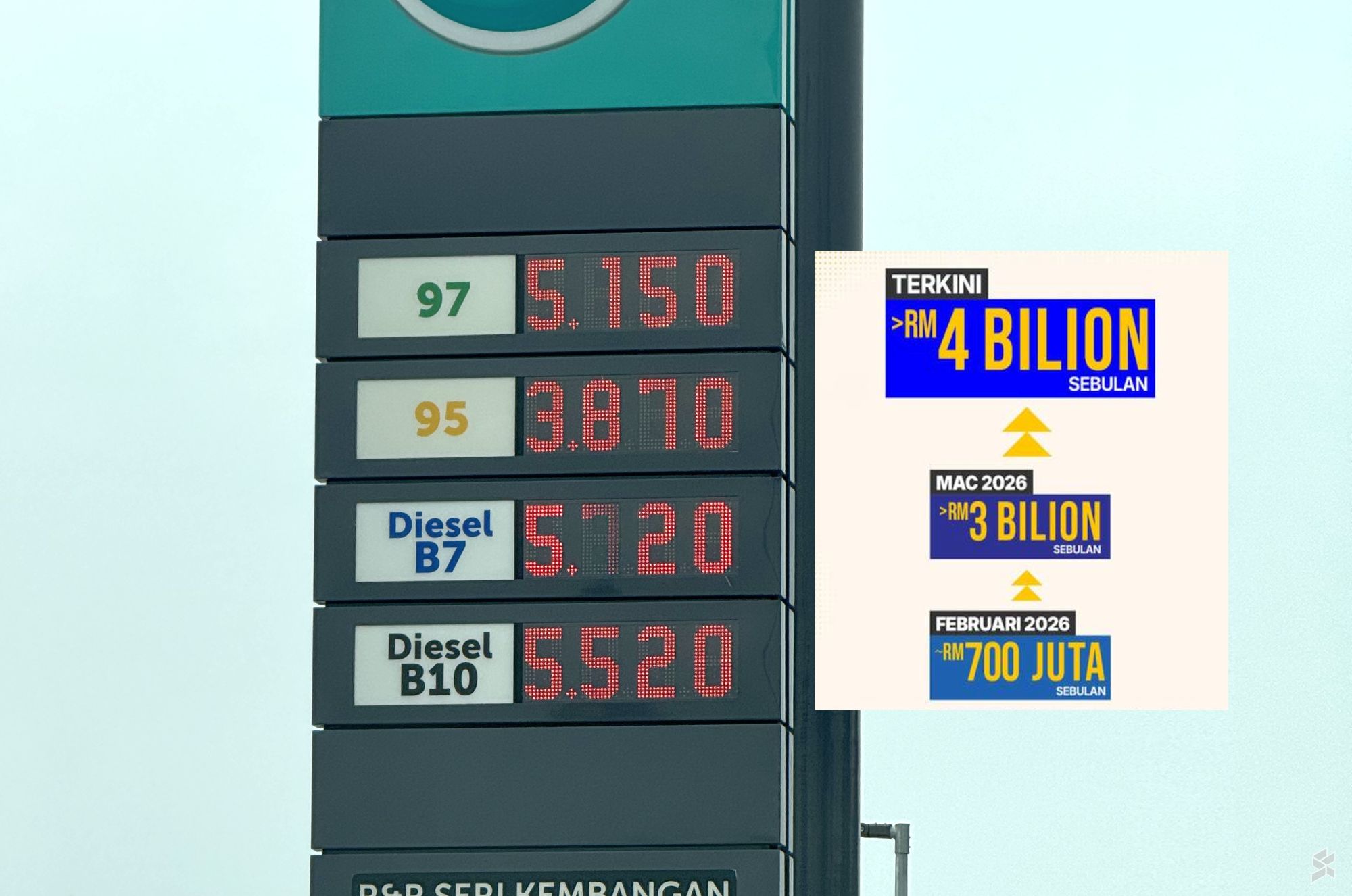
Malaysia has one of the cheapest petrol prices in the region at RM1.99/L for RON95, but that comes at a heavy cost.
With global oil prices rising amid the current Middle East crisis, the government is spending significantly more just to maintain the subsidised price. In February alone, the subsidy bill was about RM700 million. It jumped to around RM3 billion in March, and is expected exceeded RM4 billion in April.
To manage the situation, the BUDI95 (RM1.99/L) quota has been reduced from 300L to 200L per month, while the unsubsidised RON95 price has risen to RM3.87/L.
The real cost of fuel subsidies
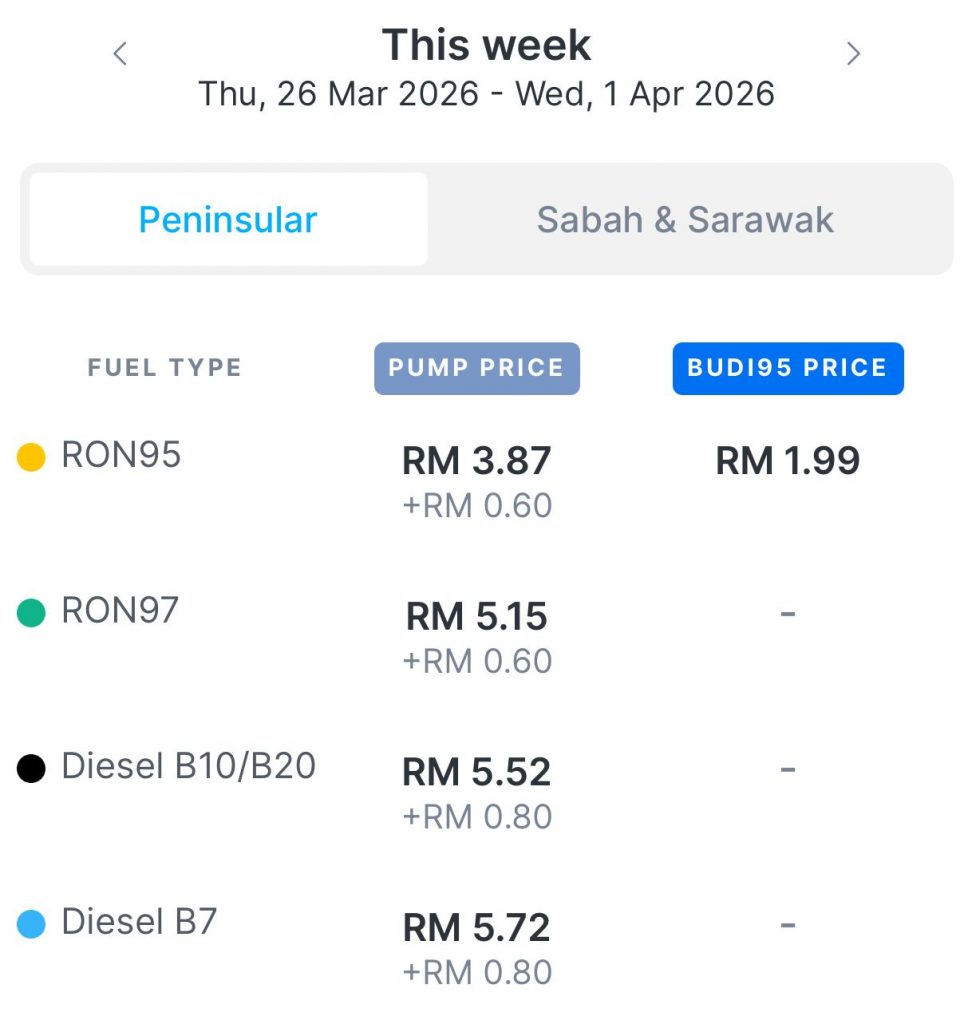
The government is currently subsidising RM1.88 for every litre of RON95 petrol purchased by eligible Malaysian. Assuming each Malaysian consumes an average of 100L per month, that’s equivalent to RM188/month in subsidies per person.
Imagine if one million Malaysians switch from petrol to EV, that’s RM188 million saved every single month based on the current RON95 prices. In one year, that’s equivalent to a savings of RM2.3 billion which represents a significant reduction in recurring government expenditure.
EV adoption is about energy independence, not just sustainability
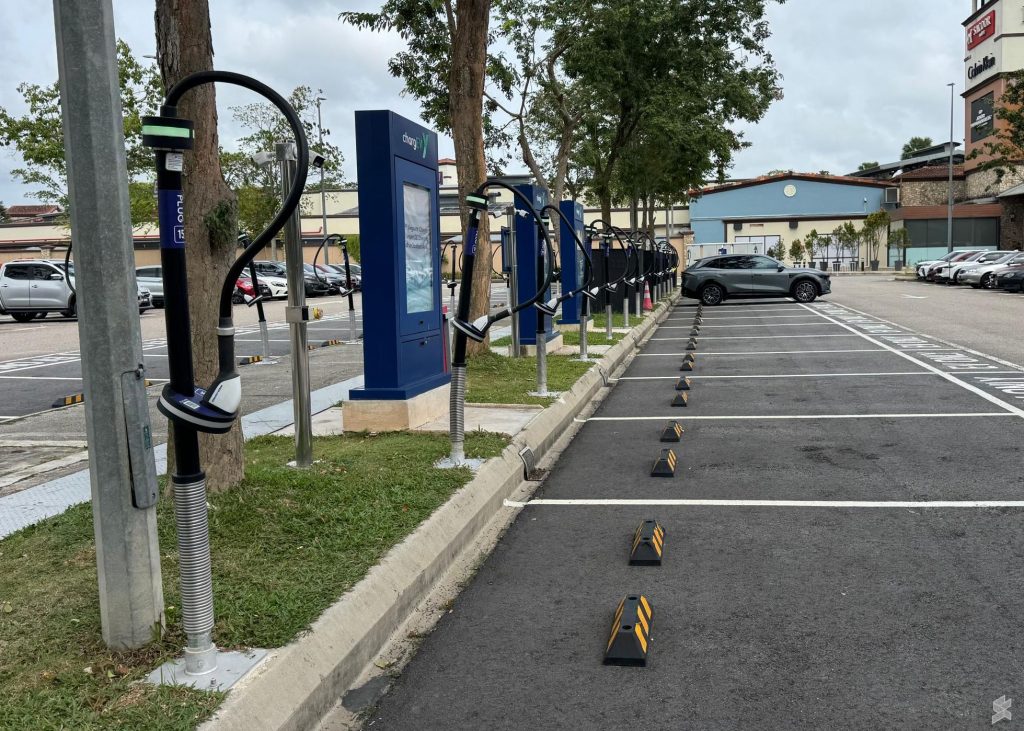
The EV transition is often framed as an environmental move, but the economic case is just as compelling.
Reducing reliance on petrol lowers Malaysia’s exposure to volatile global oil markets. More importantly, it enables a shift towards locally generated energy sources such as solar, hydropower and the use of battery energy storage.
Instead of continuously heavily subsidising fuel, Malaysia has the opportunity to redirect that spending towards strengthening its domestic energy ecosystem. This includes upgrading the grid, incentivise installation of solar systems and battery energy storage systems for both residential and commercial sectors.
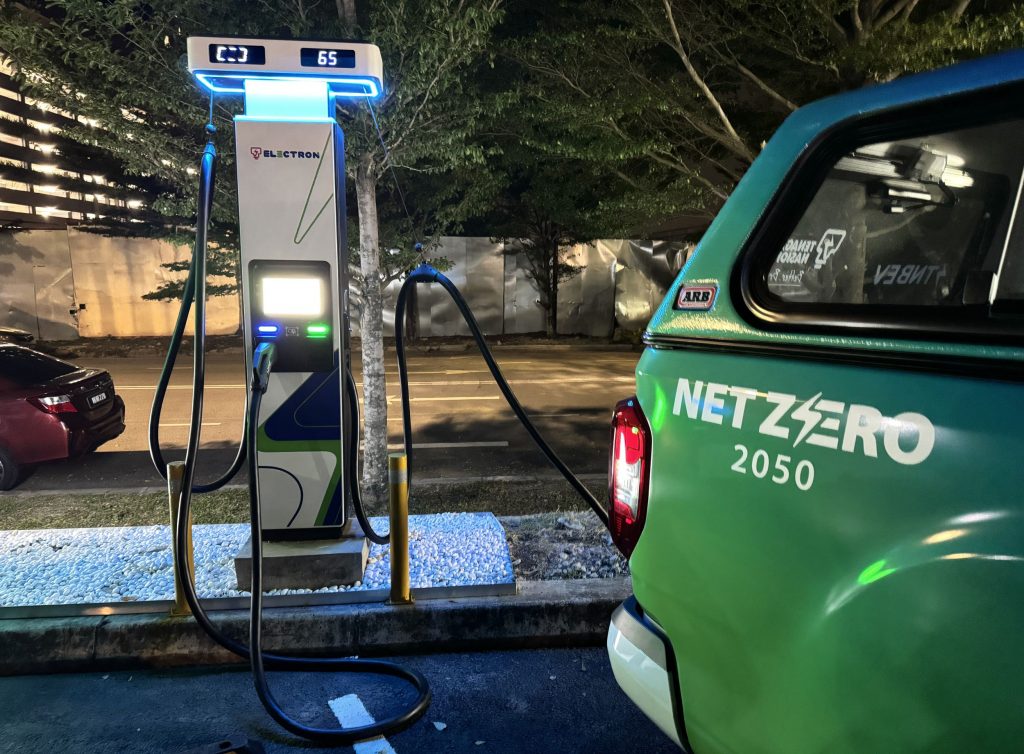
Malaysia has set a target to achieve net zero emissions by 2050, with Tenaga Nasional Berhad (TNB) outlining plans to reduce carbon intensity while supporting economic growth.
At the moment, the country’s electricity generation still relies heavily on fossil fuels, particularly coal and natural gas. However, the share of renewable energy is gradually increasing as Malaysia expands solar, hydropower and other clean energy sources.
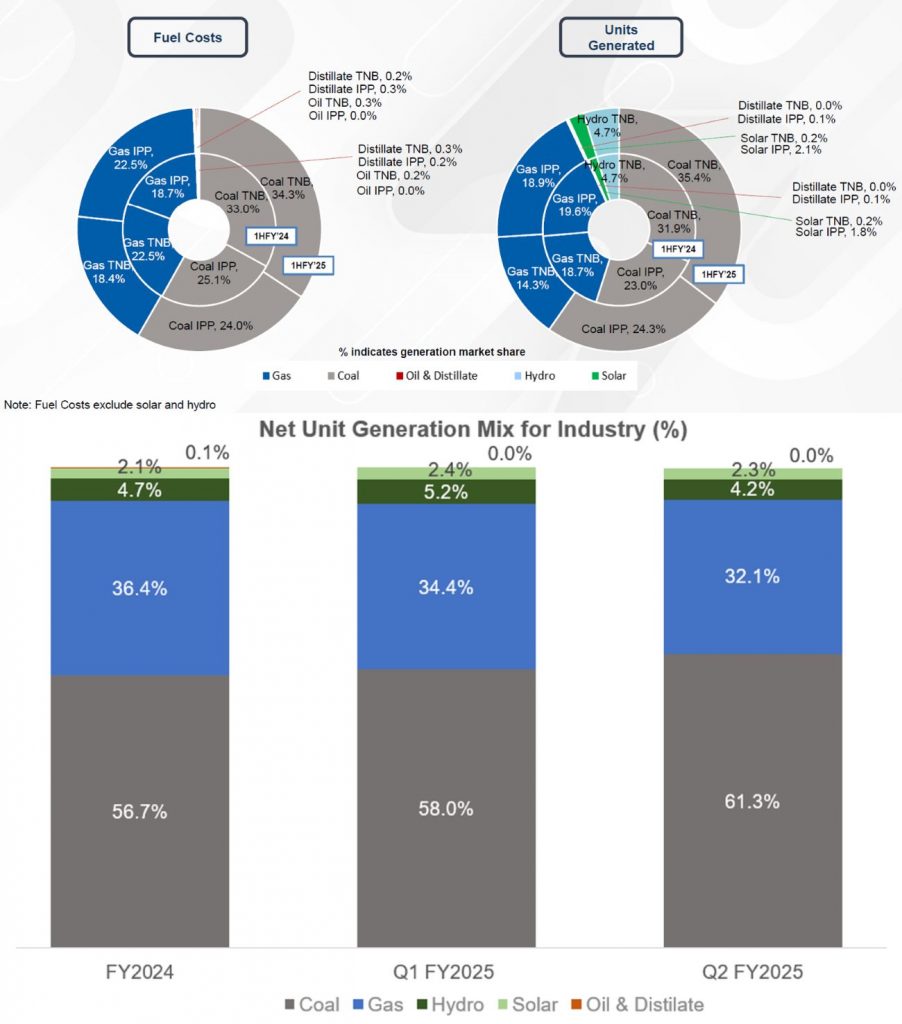
According to International Energy Agency (IEA), Malaysia’s share of renewables for electricity generation stands at 18.978% as of 2023. Out of the approximately 35,000GWh electricity generated from renewables in the country, 90.3% came from Hydropower while 9.7% came from Solar PVs.
Sarawak emerges as Malaysia’s greenest state with 70% renewables
If we look towards the East, Sarawak has already surpassed its 2030 renewable energy target ahead of schedule, with around 70% of its electricity generation coming primarily from hydropower.
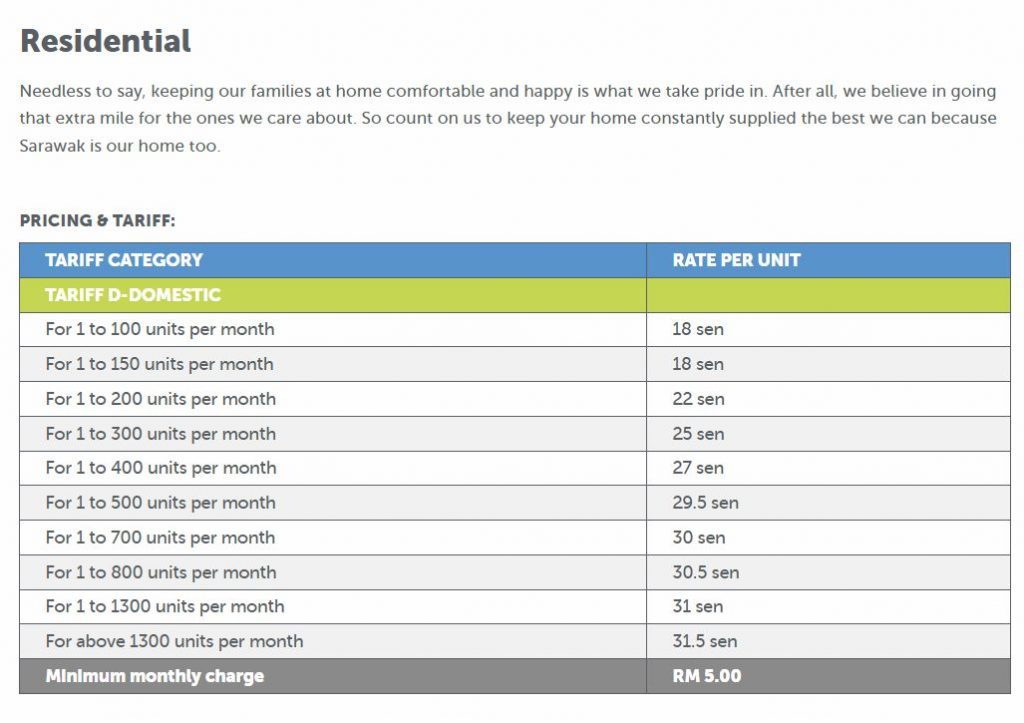
As declared by Sarawak Energy, it currently offers the lowest unsubsidised tariffs in Malaysia and amongst the most competitive in the Southeast Asia region for organic residential, industrial and commercial customers averaging 28 sen/kWh for its 700,000 account holders.
Besides exporting electricity to Indonesia, Sarawak has also signed a deal to export 1GW of electricity to Singapore via subsea power cables. There is potential for Peninsular Malaysia to tap into Sarawak’s green energy resources.
With an abundance of low-cost, renewable electricity, Sarawak is in a strong position to accelerate EV adoption and expand charging infrastructure. This also presents an opportunity to reduce reliance on subsidised fuels. Sarawak is one of the states in East Malaysia which currently enjoys subsidised diesel at RM2.15/L (Unsubsidised: RM5.52/L).
EVs and renewables go hand in hand
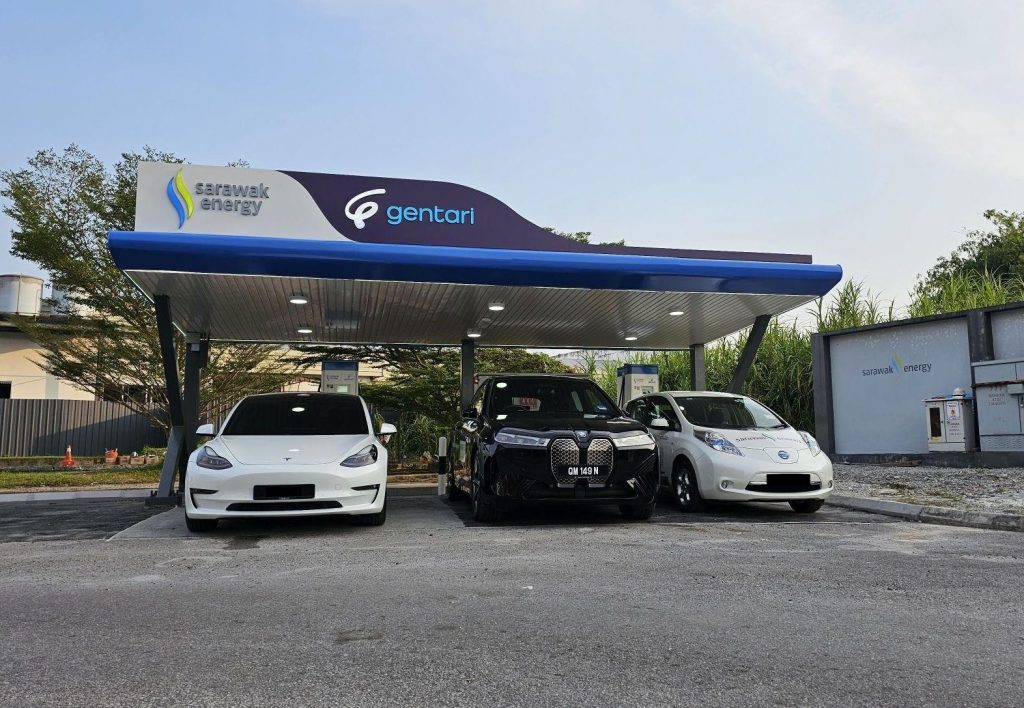
The transition to EVs works best alongside a cleaner energy grid.
As the share of renewable energy increases, EV charging becomes less dependent on fossil fuels and more insulated from global price fluctuations. This also opens up opportunities for decentralised energy, such as rooftop solar paired with EV charging at home.
In practical terms, EV adoption is not just about replacing petrol vehicles. It is part of a broader shift towards a more resilient and locally powered energy ecosystem.
EV infrastructure rollout is lagging behind
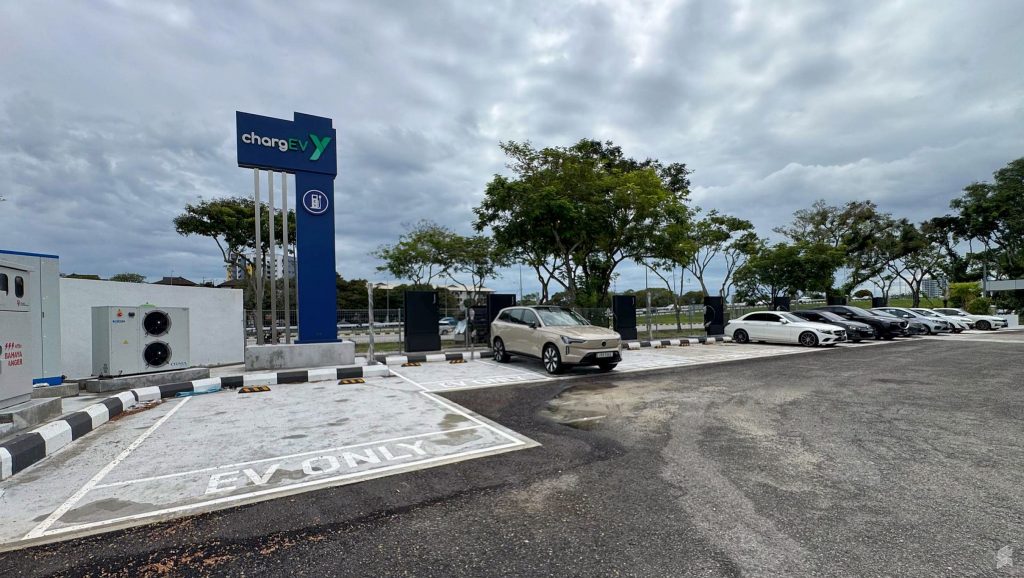
One of the biggest hurdles at the moment is the pace of expanding Malaysia’s EV charging infrastructure. Malaysia initially set a target of 10,000 EV charge points by the end of 2025. However, as of November 2025, we only achieved 5,360 charge points according to ST’s data.
Who is accountable for not meeting the target?
What exactly is holding things back?
Approvals, grid limitations, or commercial viability?
Why is it difficult to deploy large scale chargers on highways?
Where are the incentives or mandates to accelerate EV charger deployment?
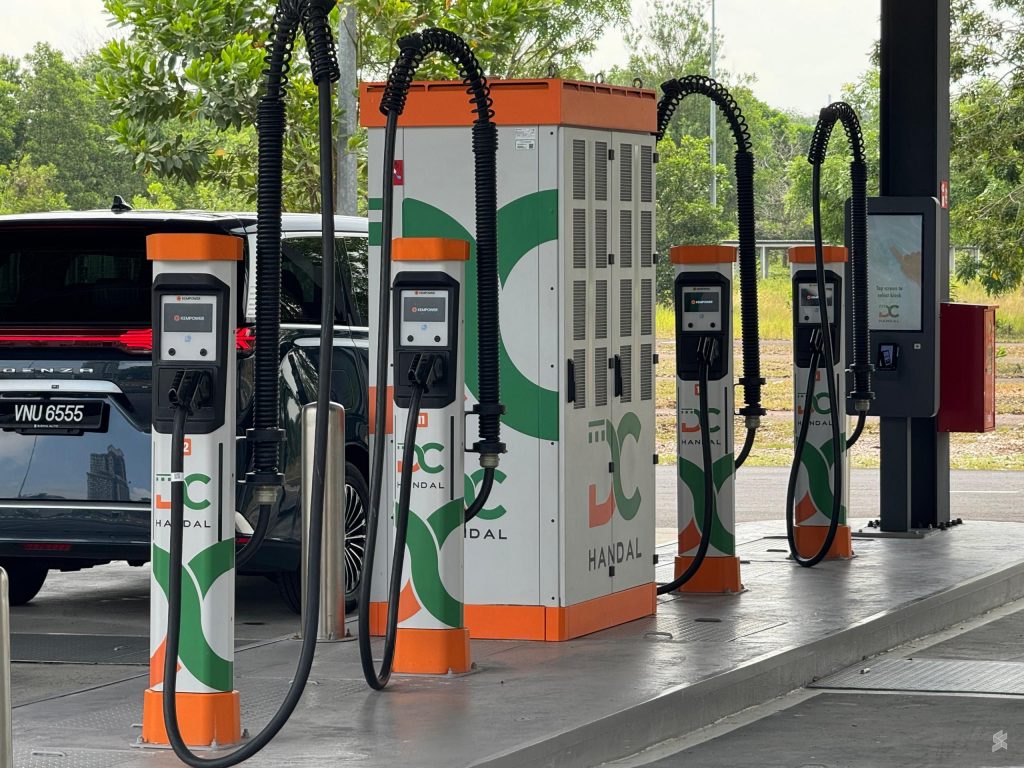
If Malaysia truly wants to achieve its goal of 15% EV adoption by 2030, it needs to build infrastructure ahead of demand. That means fast-tracking EV charger deployments, upgrading our national grid, enforcing Right to Charge, and ensuring all highways are EV friendly.
Today, fuel subsidies are scaling but public EV infrastructure isn’t.
The question isn’t whether Malaysia can afford to invest in EVs, it’s whether it can afford not to.