Telekom Malaysia (TM) has issued a clarification following reports of Malaysians being unable to get through to 999 or experiencing delayed emergency response after the migration to the Next Generation Malaysian Emergency Response Services (NG MERS 999). The company says it understands the concerns and is treating every reported incident “with the highest level of priority”.
TM says the old 17-year-old MERS 999 system had reached its technical limits and could no longer support Malaysia’s increasing emergency requirements. NG MERS 999 which went live on 16 November 2025 was launched to enhance accessibility, strengthen multi-agency coordination and align Malaysia closer with modern international emergency standards.
According to TM, the previous platform handled about 50,000 calls per day, but call volume on NG MERS 999 surged to close to 70,000 calls per day immediately after migration.
Out of the number of calls received daily, only 5% are genuine emergencies. This means the remaining 47,000-66,000 calls received daily were silent or prank calls. It revealed that the actual emergency dispatch numbers remained unchanged at around 3,500 incidents per day.
TM says NG MERS 999 system performance were affected by the sudden spike in calls.
To address the issue, TM has implemented several measures which include increasing server capacity and optimising server’s configuration. They have also mobilised additional resources in the call centre to cope with the high-volume calls.
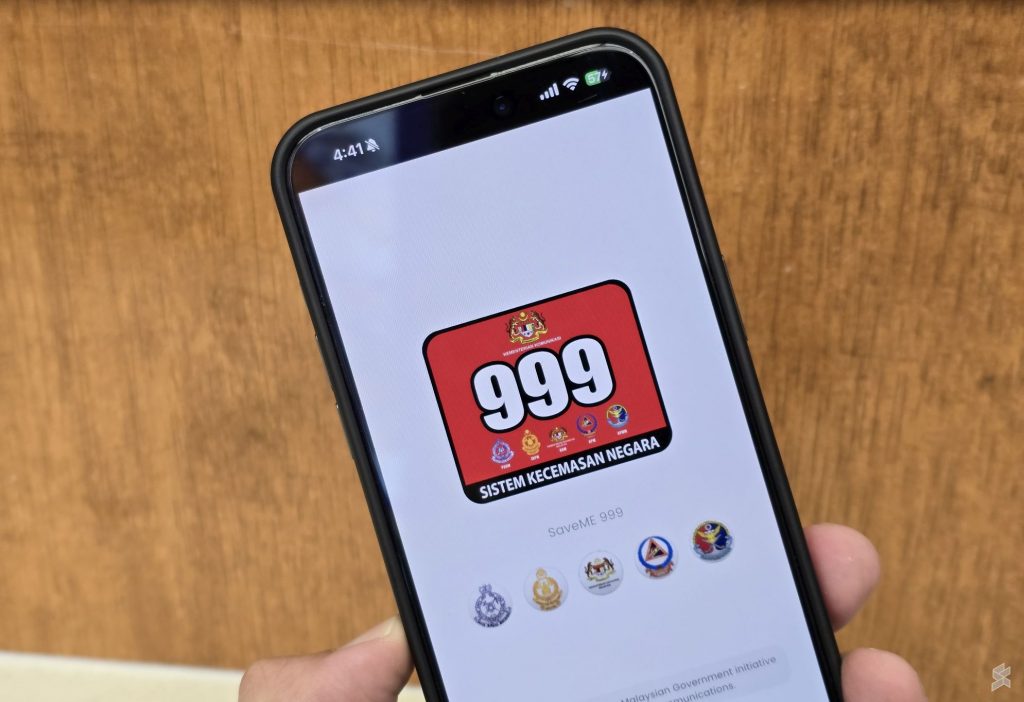
TM also emphasised that the 999 voice service remains and continues to operate as the primary channel for emergency assistance. The SaveME 999 app isn’t mandatory and it serves as a complementary channel for reaching emergency services.
TM appeals to the public to use 999 service responsibly, as unnecessary or prank calls can prevent the reach of those who are truly in need of real emergencies. It added that reducing such misuse will greatly enhance the efficiency and responsiveness of the operations.