Malaysia’s electric vehicle (EV) landscape is evolving rapidly, with 3,354 public charging stations nationwide as of November 2024. While this growth is promising, the proliferation of multiple Charge Point Operators (CPOs) — each with their own apps and systems —has introduced complexities for EV users.
In response, PlanMalaysia has proposed a unified EV charging app to streamline the user experience. While the intention is commendable, it’s crucial to ask: Are we solving the right problem?
Current EV Charging Landscape in Malaysia
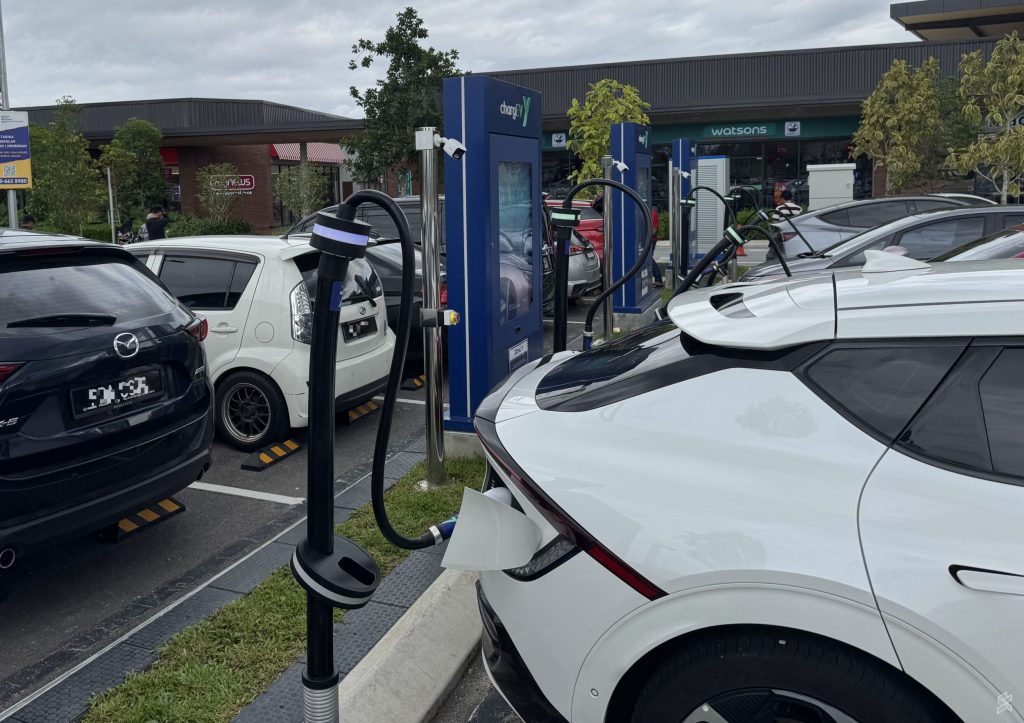
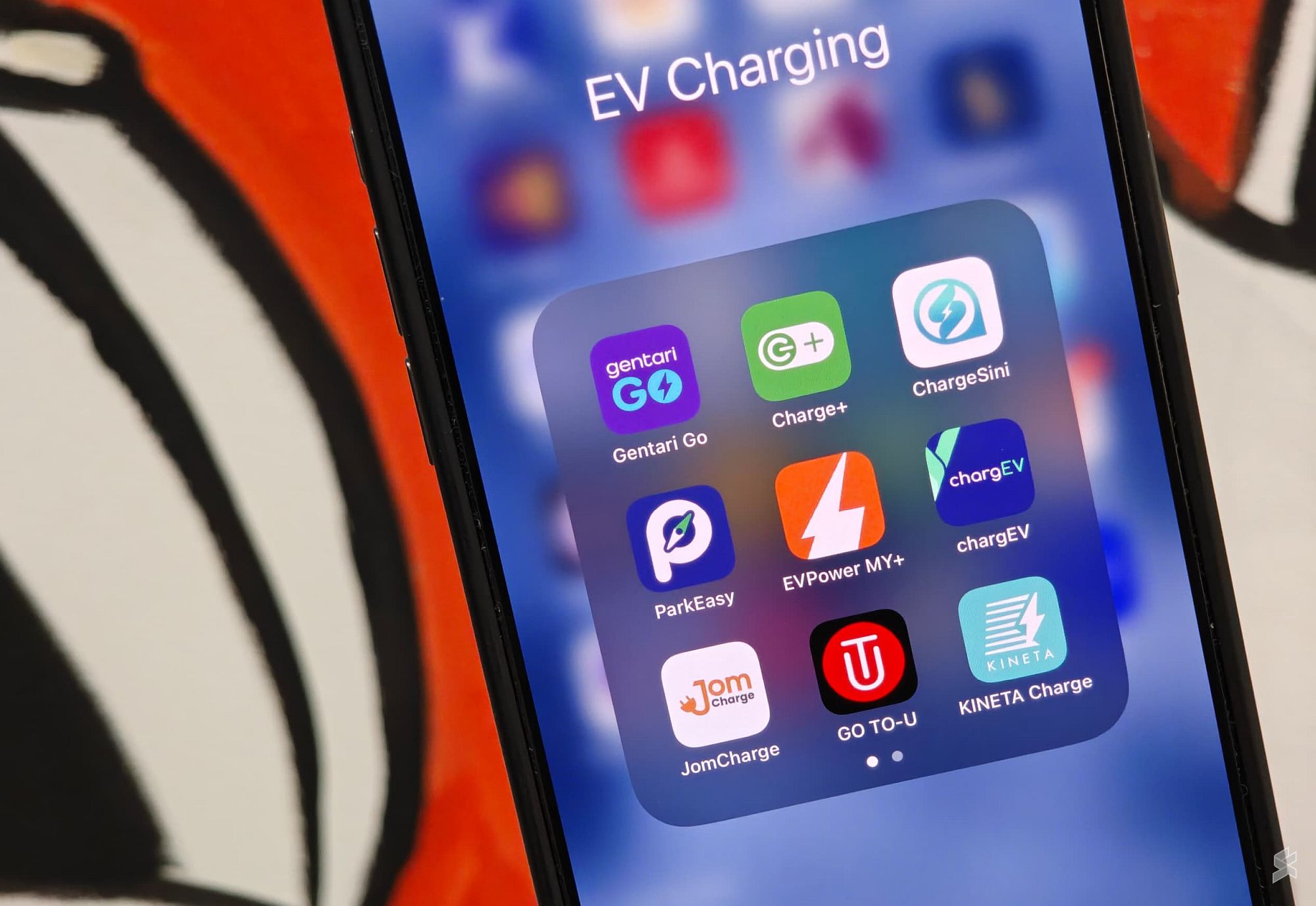
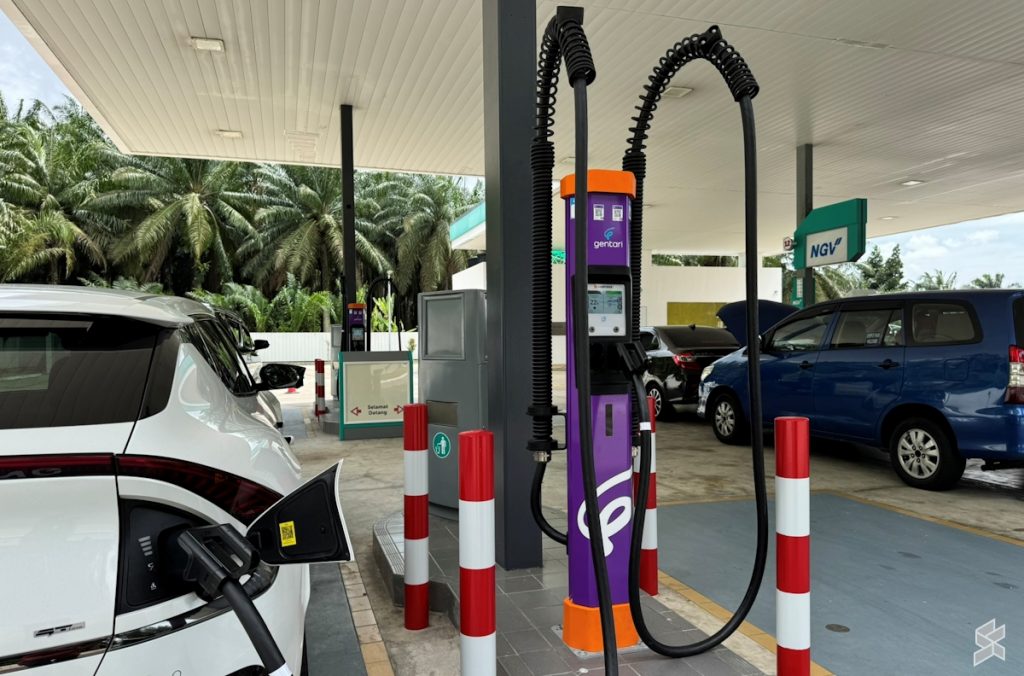
Malaysia’s 3,354 public EV chargers (956 DC and 2,398 AC) are managed by a growing number of CPOs including ChargEV, Gentari, JomCharge, and ChargeSini — each with separate apps, pricing models, and user interfaces.
For EV users, this means:
• Multiple Applications: Users must download and manage several apps to access different networks.
• Inconsistent Pricing: Charging rates vary between operators, making costs unpredictable.
• Diverse User Interfaces: Each platform offers a different experience, complicating routine use.
• Limited Real-Time Information: Not all apps provide accurate, up-to-date charger availability data.
Will a Unified App Fix This?
PlanMalaysia’s proposal seeks to consolidate these fragmented systems into a single interface, promising convenience. However, it risks missing the forest for the trees:
• Data Privacy Risks: Centralising sensitive user data without proper governance poses significant security concerns.
• Payment Complexity: Seamless integration across all CPOs requires high-level coordination and technical alignment.
• Operator Resistance: Some CPOs may be unwilling to relinquish control over their customer relationships and digital platforms. I also discussed this topic on BFM’s “Morning Brief: Unified EV App: Well-Intentioned, But Misguided?”.
What We Actually Need
To build a truly user-friendly EV ecosystem, Malaysia needs policy-led solutions that create a foundation for interoperability and growth:
1. Mandate Open Payment Systems
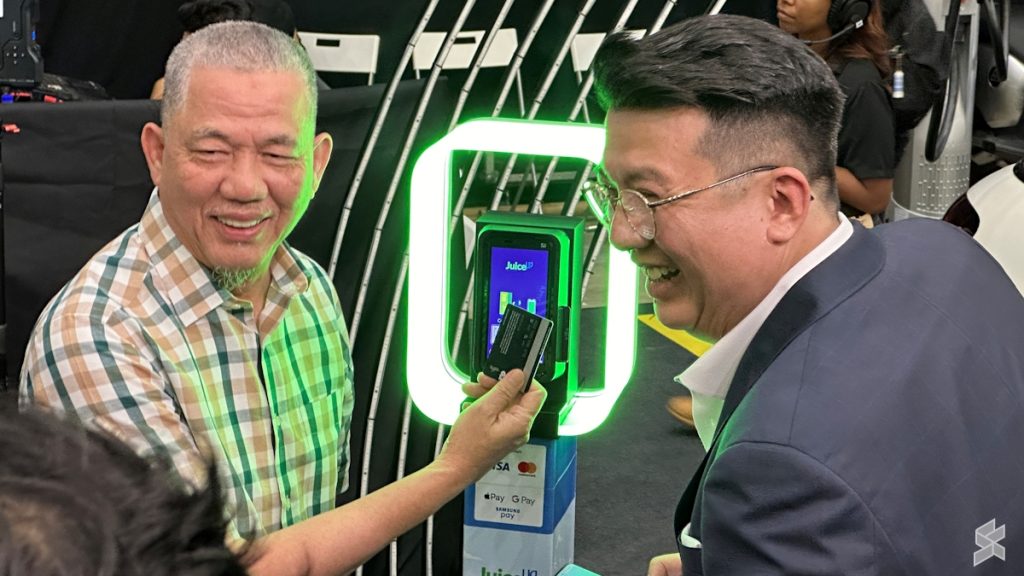
Equip all charging stations with card terminals—no app required. Companies like JuiceUp already offer plug-and-play solutions that are ready to deploy.
2. Set Technical Standards for Interoperability
Adopt enforceable protocols that ensure any EV can charge at any station, regardless of provider. The European Union’s AFIR is a benchmark in how this can work effectively.
3. Encourage Competition Where It Matters
Let CPOs compete on service quality, uptime, support, and value-added features—not on closed platforms or walled gardens.
Global Lessons: Standardisation Works
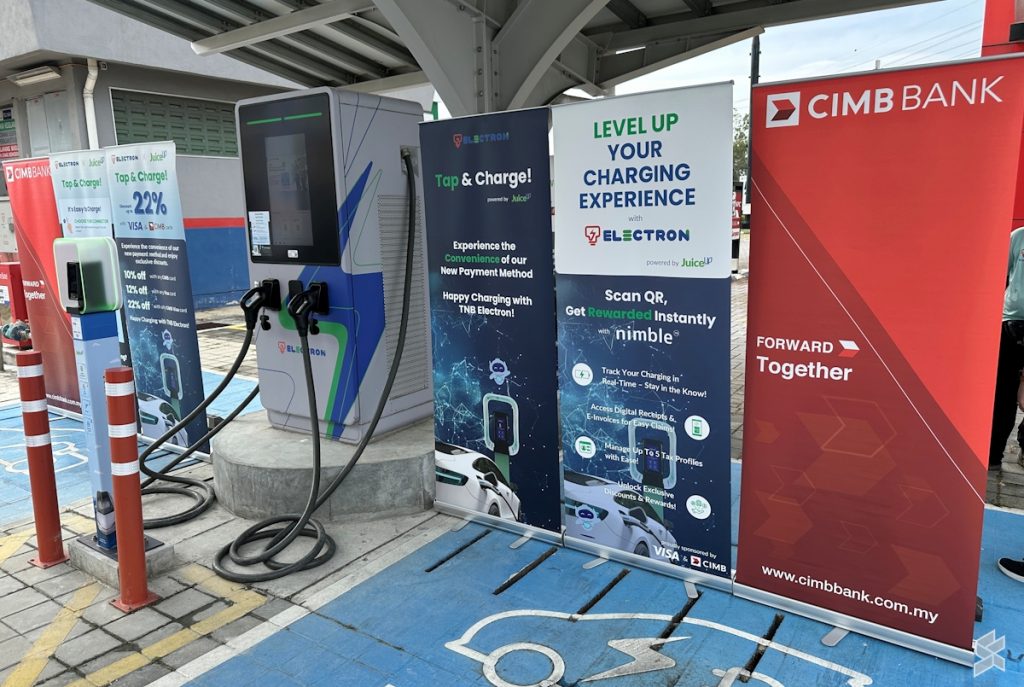
• European Union: Under AFIR, all public EV chargers must support contactless card payments and adhere to a common protocol, simplifying cross-border travel.
• Singapore: The NEVC enforces standards and guidelines that support an integrated, nationwide EV charging network.
We’ve Done This Before
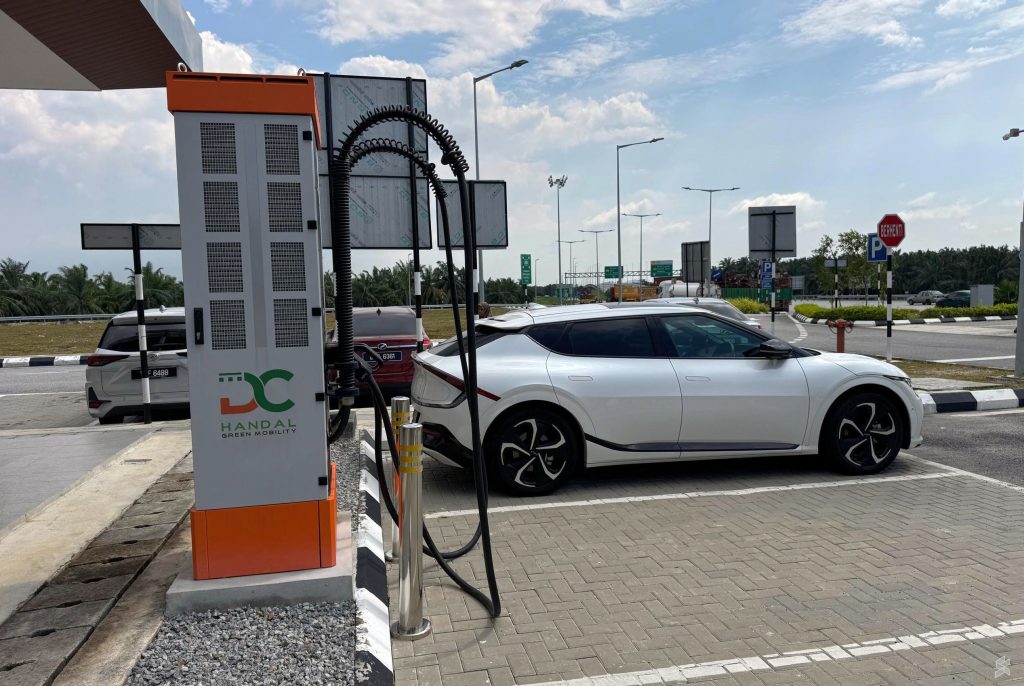
Malaysia isn’t new to rolling out national-level interoperability frameworks:
• DuitNow QR: Unified cashless payment system across banks and eWallets.
• 5G Rollout via DNB: Centralised infrastructure, rapid deployment, and shared access.
• National Broadband Initiative: Nationwide push for equitable internet access.
These examples show that when we set the right rules, rapid and sustainable adoption follows.
Conclusion
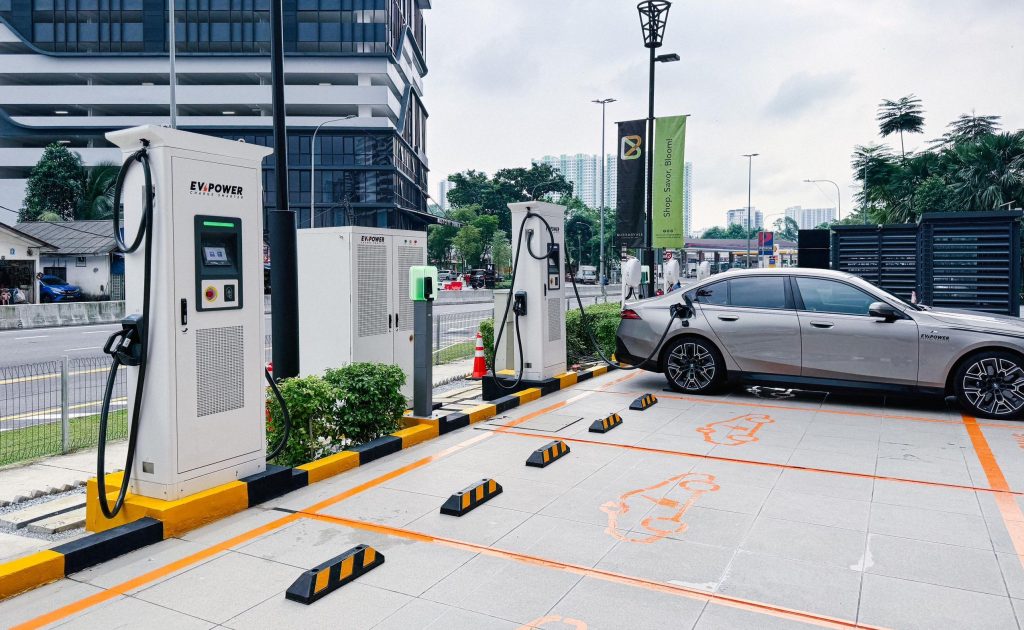
A unified EV app may make the experience look simpler—but it doesn’t make the ecosystem work better.
If Malaysia truly wants to accelerate EV adoption and build trust among users, we need to focus on what matters most: clear standards, open systems, and healthy competition.
This is how we futureproof the EV infrastructure—by creating a level playing field that benefits all stakeholders, especially the drivers who are counting on it.