
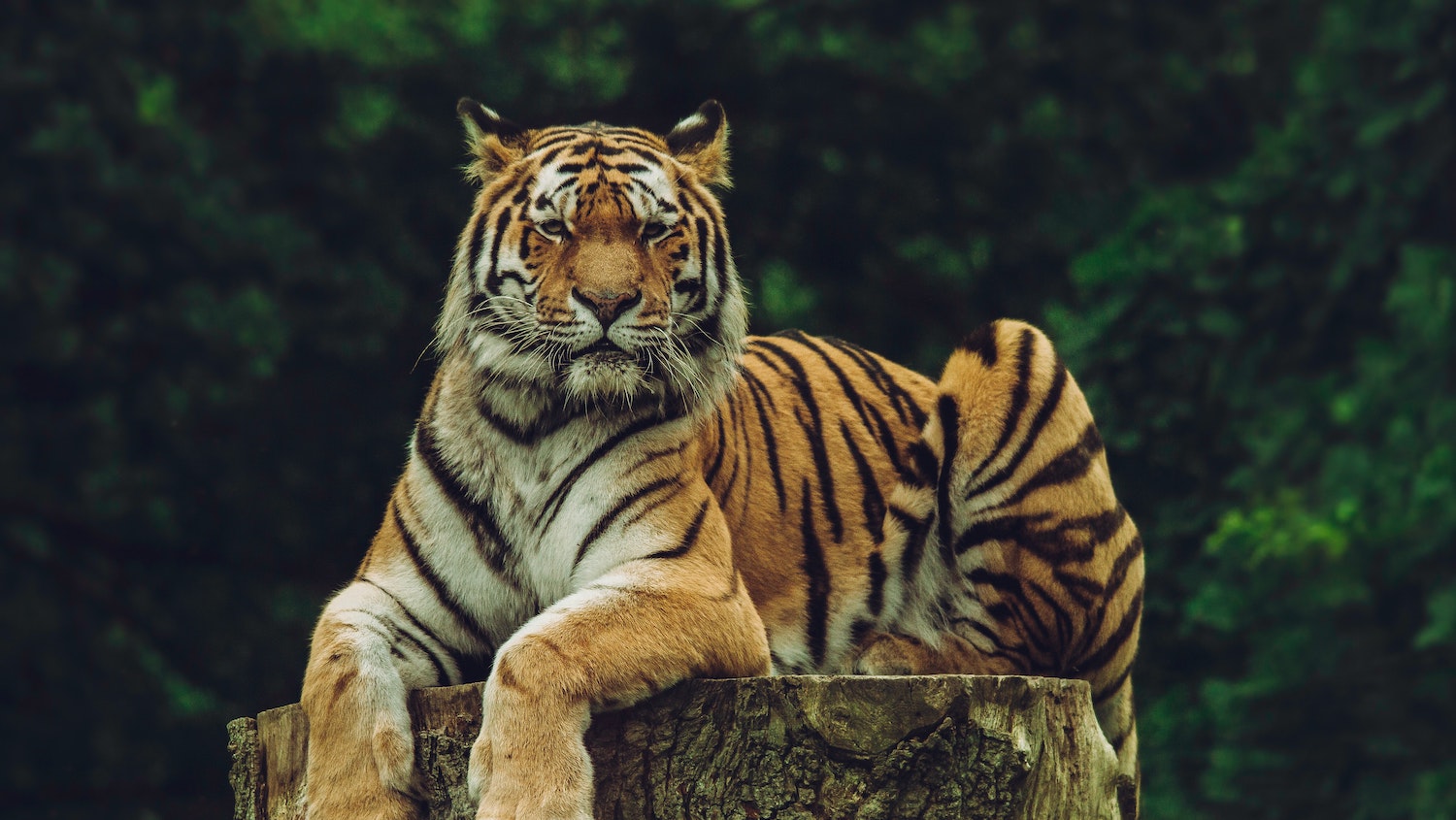
On the 24th of January, Kelantan Forestry Department director Abdul Khalim Abu Samah was quoted saying that logging was actually “good for the population of tigers”. His argument was that deforestation allows new plants to grow, therefore increasing the tiger’s prey population.
Kelantan’s Forestry Department has previously been under fire for their logging rate, even getting their sustainable logging certification retracted by the Malaysian Timber Certification Council in March 2016 after exceeding the logging quota.
Understandably, this remark received public backlash, with many talking about how ridiculous of a claim it was. This came shortly after the Plantation Industries and Commodities Minister said ‘orangutan will kill you first’, asserting her claim that the palm oil industry does not harm the orangutan population.
Kelantan deputy chief minister Nik Mohd Amar Nik Abdullah defended the director by citing a WWF-Malaysia study from 2009. WWF-Malaysia then responded to Kelantan with a public post as well as a letter on their website. They clarified that tigers benefited only in a selectively logged part of a forest that also adhered to sustainable management, and not indiscriminate logging. Ultimately, they concluded that “pristine, undisturbed forests are the ideal habitat for tigers.”
On January 7, one confirmed death was reported near Orang Asli villages in Gua Musang due to a tiger attack. They were reportedly roaming around and encroaching into the area as a result of habitat loss due to logging. However, Amar also questioned this by asking why other wild animals, like elephants and bears, did not encroach into the villages if logging was to blame.
The terrible side-effect of only reading the short and snappy headlines is that you miss the full picture and will ultimately be misinformed, just like the Kelantan deputy chief minister. If you just listen to what he says, you might believe logging is good for tigers. If you just skim through WWF’s response, you might think selective logging is good for tigers, but if you read the whole scientific paper and different journals, you will notice that it’s more complicated than it seems.
What does the science say?
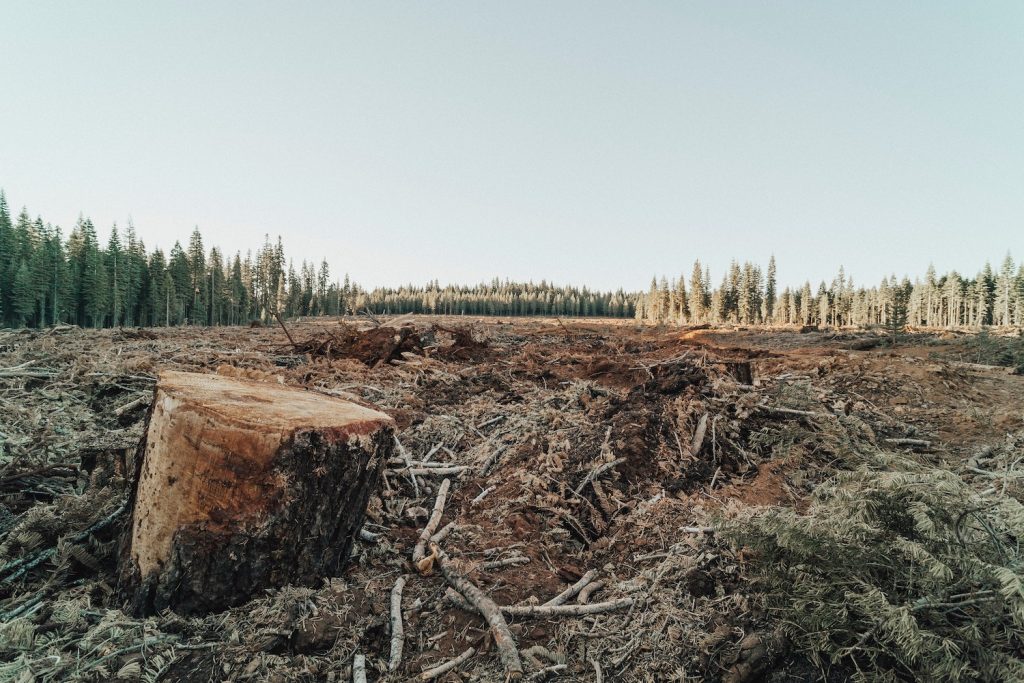
First, you need to know what selective logging is. Selective logging involves removing one or two tree species while leaving the rest intact. This is in contrast to clear-cutting, which is when a large area of forest is cut down. The representatives of Kelantan seemed to have missed this vital piece of information.
In WWF’s 2009 study, “The importance of selectively logged forests for tiger Panthera tigris conservation: a population density estimate in Peninsular Malaysia”, they studied a tiger habitat that was selectively logged and found a higher population density compared to a non-logged protected primary forest. Bear in mind that they only had a sample size of six tigers. With this data, they theorised that “Selective logging may actually improve tiger habitat, as the disruption of the forest canopy increases sunlight to the forest floor and thus increases browse availability to tiger prey.” They, unfortunately, could not get sufficient evidence of this to quantify the absolute abundance of prey but did find that the abundance of two species of prey correlated with the abundance of tigers.
The study goes on to say that there is a stigma to selectively logged forests that leads to the conversion of land to other things like crops. This ultimately leads in fragmentation of the forest, which is bad for the tigers. WWF even predicted the future and warned policymakers and conservation planners that further research is needed.
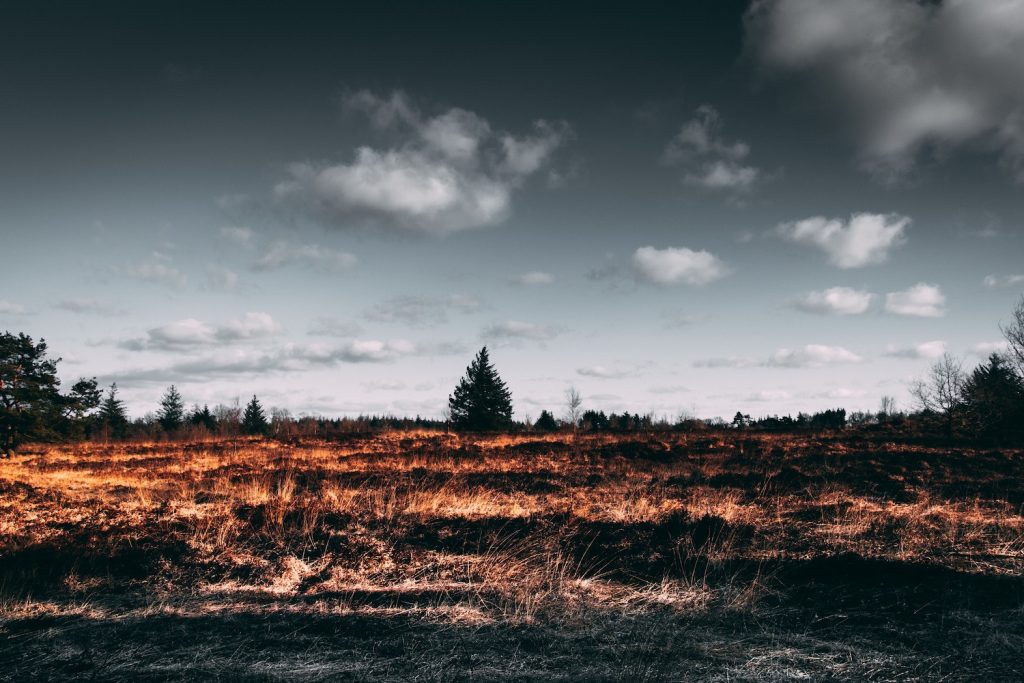
Another study by the Carnegie Institution and Stanford University from 2005 states that selective logging causes widespread destruction. The report describes that clear-cutting is easy to measure, as it’s easy to see via satellite, but selective logging has been mostly invisible until when the report was published.
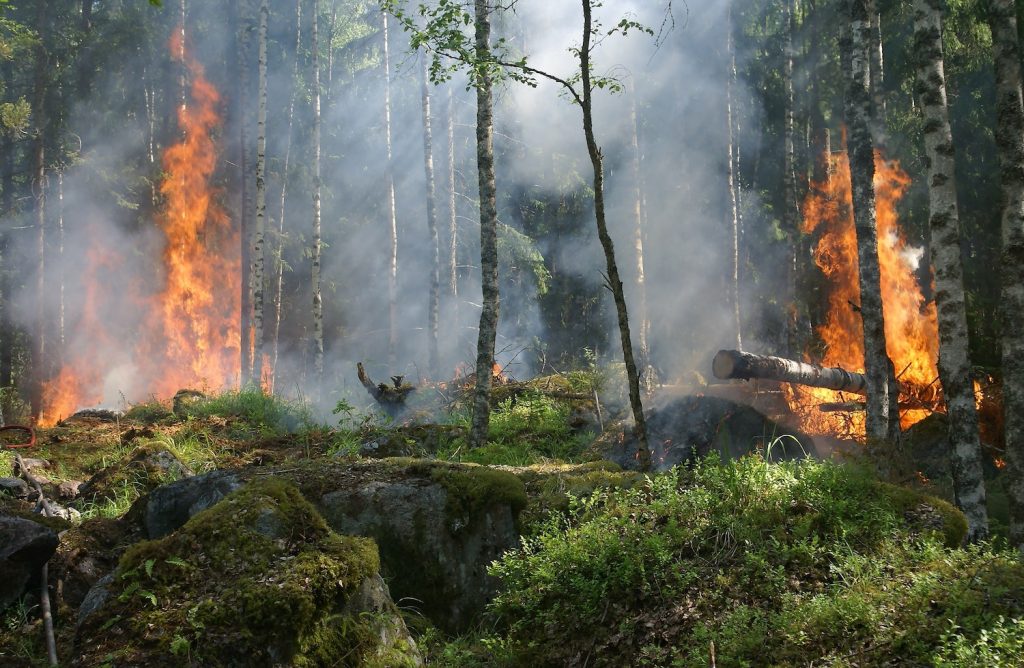
The study also found that every year, around 15,000 square kilometres of the Amazon rainforest “are burned or clear-cut to make way for cattle ranching, farming and other development”. Ironically enough, that is almost exactly the same size as the state of Kelantan. When taking selective logging into consideration, the affected area doubles. Traditional deforestation accounts for around 400 million tons of carbon every year, while selective logging adds an additional 100 million tons. This means an additional 25% of greenhouse gases is being released into the atmosphere because of selective logging.
A report by Andrew D. Johns from Cambridge suggests that even though many species are adversely affected by selective logging, these areas might be good for rainforest animals that require a large land area. This is because our primary forest reserves are quite small, and so selectively logged areas could support animals who cannot survive in the small reserves.
In conclusion, is logging good for tigers? We know clear-cutting is not good for tigers, and selective logging might accommodate a high density of tigers. But this doesn’t mean we need to start selectively logging our forests, because we don’t know how it would affect other species and we need more research.