It was back in 2019, almost two years ago, when news broke that Huawei was being added to a blacklist by the U.S. Commerce Department that prevented them from dealing with American companies. The telecommunications giants, whose smartphone business had been on an aggressive upward trajectory, has suffered as a result. The most obvious outcome, when it comes to the consumer business side of things, has been the absence of Google Mobile Services (GMS) on all new Huawei smartphones (and tablets).
The company has tried to take it in its stride, while working on an OS alternative to Android: HarmonyOS. They’re currently in the final stages of the beta programme, but reports already suggest that Huawei’s open-source OS is merely a fork of Android—which would contradict the company’s plans for a separate, in-house developed operating system.
So, what’s next? Cars, apparently.
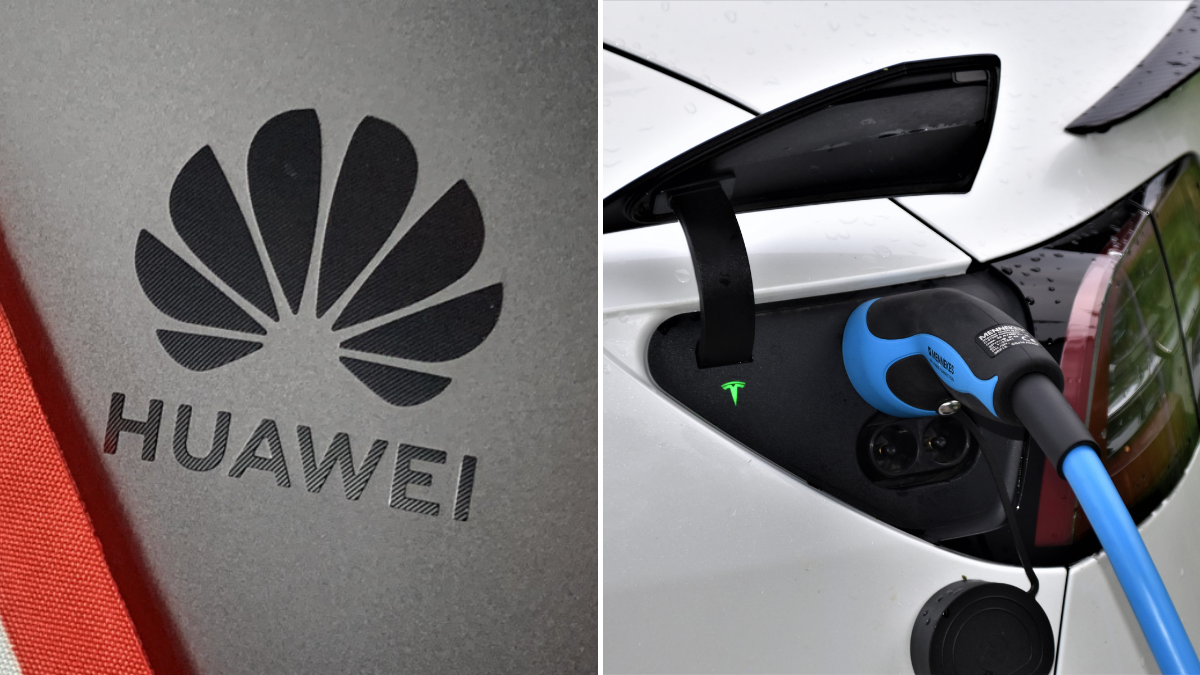
Huawei reportedly in discussions with car manufacturers for EVs
According to an exclusive report by Reuters, Huawei is currently in talks with a number of China-based automotive manufacturers with a view to releasing EV models sometime later this year. Parties potentially involved, with the news wire quoting sources close to the matter, include state-owned Changan Automobile and BluePark New Energy Technology, and the electric vehicles will be launched under the Huawei brand.
Richard Yu, who you may recognise from most major Huawei mobile launches over the last couple of years, will reportedly be focusing on EVs as part of this new strategy, according to a source. The cars, meanwhile, will be targeted towards the mass market, suggesting that future Huawei-branded EVs will be relatively affordable in price.
If this turns into reality, it would indicate a drastic pivot in strategy from Huawei. They’ve worked on EV-related technology for a number of years now, although those projects usually involve peripherals such as in-car entertainment systems, sensors, and communications hardware—as opposed to actual Huawei cars.
Of course, it seems likely that the company’s reported pivot is a direct response to its ongoing blacklisting by the U.S. Commerce Department, which has caused several issues for the Chinese firm’s supply chain for components and chips—in addition to the infamous GMS issue. Despite the blacklist being imposed by the Trump administration, there has been no word on a possible reversal by his successor, President Biden.
However, a spokesman for Huawei has denied the report, saying that Huawei is “not a car manufacturer”. The car manufacturers mentioned above have also not commented on the news, although share value for both entities have increased as a result of the news. Regardless, the Chinese company’s potential foray into the EV market does make a modicum of sense, following the footsteps of other Asian companies like Baidu and Foxconn.
In China, it’s estimated that 25 percent of overall car sales will be made up of new energy vehicles (NEVs) by 2025, with Beijing promoting greener vehicles to help combat the chronic air pollution in the area. For now, it isn’t clear if the company is working on pure battery-powered cars, or if the plan is to develop a plug-in hybrid or hydrogen fuel cell car. Given Huawei’s denial of the report, we’ll certainly have to keep an eye out for future developments on this story.
So, what do you think? Is this the right move from Huawei? To read Reuters‘ full report, click here.
[ SOURCE ]